Flood damage restoration and storm cleanup in Malibu and the Westside

We clean up flood water, mud and sewage, dry the structure and repair what the water reached. Open 24 hours, every day.

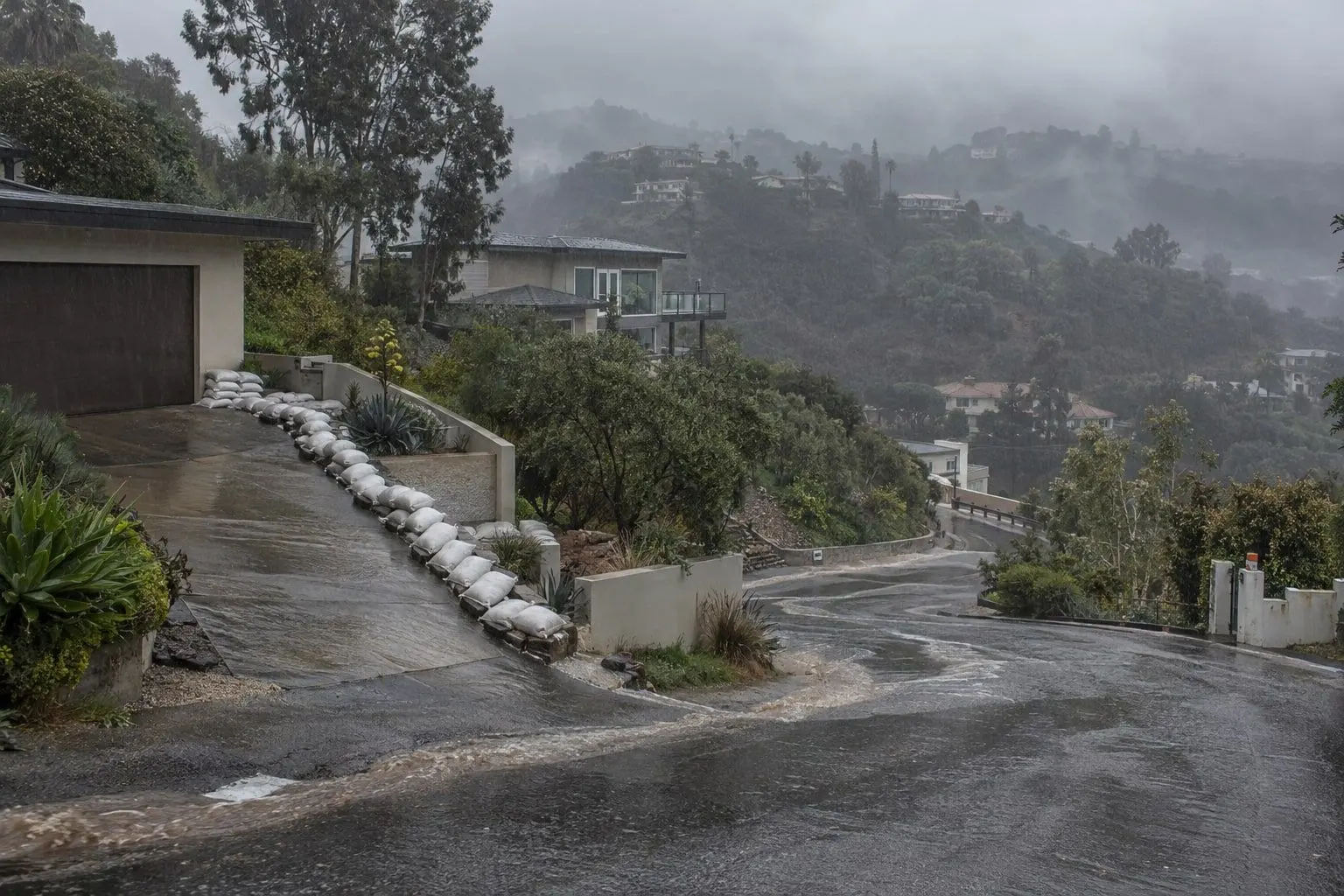
Sandbags along a driveway as rain runs down a hillside street
24/7 emergency serviceSeven days a week
Clean, dry and repairOne company for the whole job
Office in Malibu22223 Pacific Coast Hwy

What does flood damage restoration involve?

Flood damage restoration means removing the water and mud that came into the home, cleaning and sanitizing what they touched, drying the structure and repairing what has to be replaced. LA Home Restorations does this work for homes in Malibu, Pacific Palisades, Topanga, Brentwood, Santa Monica and the rest of the Westside of Los Angeles, after storms, slope and creek runoff, and sewage or septic backups.

Flood water is not clean water. Water that crossed the ground outside, or came up through a drain, is contaminated with soil, bacteria and sewage. Porous materials it soaked usually come out, and what stays is cleaned and sanitized before it is dried.

If water, mud or sewage got into your home, keep out of it and call us. We come out to see the damage and tell you what the work involves.

Where flood water and mud come from

  • Heavy rain and storm runoff
  • Mud and debris from burned slopes
  • A creek or a drainage channel that overflows
  • Water that comes in under the doors
  • Sewage that backs up through a drain
  • A septic system that backs up into the house
What our flood damage restoration covers

One company from the cleanup to the finished repair.

Call (866) 396-7622
  • Flood water removal

    We pump out and extract standing flood water and pull out soaked carpet and pad, so cleaning and drying can start.

  • Mud cleanup

    We remove the mud and silt a storm carried into the house, from the floors, the walls and the spaces behind them.

  • Sewage and septic backup cleanup

    Water from a sewer line, a toilet with waste or a septic system is Category 3 water. We remove the sewage and the materials it soaked, and clean and sanitize what stays.

  • Cleaning and sanitizing

    Hard surfaces the flood water touched are cleaned and sanitized before the rooms are dried and put back.

  • Structural drying

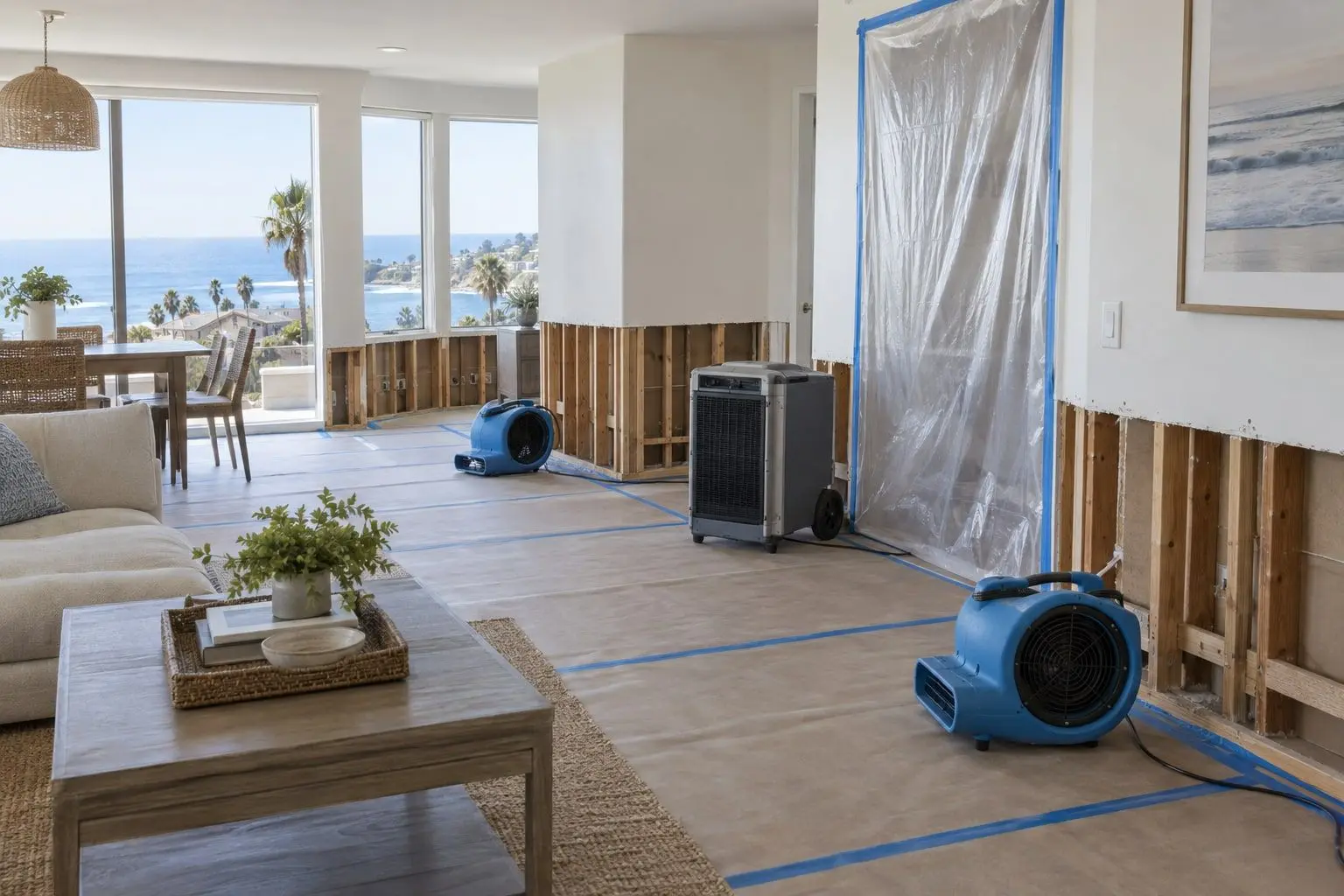
    We dry the walls, floors and ceilings with commercial dehumidifiers and air movers, and check them with moisture meters and a thermal imaging camera until they are dry.

  • Roof tarping and board-up after a storm

    We tarp a damaged roof, board up broken windows and doors and put up temporary fencing, and we keep open work covered from the rain.

  • Repairs and rebuilds

    We replace the drywall, insulation, flooring and finishes the flood took out, and rebuild a room or a floor when the damage is larger.

  • Documenting the damage for your claim

    We document the damage and write our estimate, and we can bill your insurer directly. Coverage is always your insurer’s decision.

Clean water, gray water and black water

Restoration work sorts water into three categories by how clean it is, because that decides what can be dried and what has to be thrown away.

Category 1, clean water, comes from a supply line, and rain that came straight in through the roof often starts as clean water. Category 2, gray water, comes from a dishwasher, a washing machine or a toilet overflow without waste, and carries soap and bacteria. Category 3, black water, is sewage and flood water that crossed the ground outside, and it carries waste, soil and bacteria.

Water gets dirtier the longer it sits. We clean up gray and black water ourselves: what it soaked comes out, and the rest is cleaned and sanitized before drying starts.

Sewage cleanup after a sewer or septic backup

A sewage backup comes up through the lowest drain in the house: a shower, a floor drain or a toilet. Much of Malibu and Topanga is not on a city sewer. The City of Malibu calls onsite septic systems most of its wastewater infrastructure, and most Topanga homes have their own septic system, so when one of those systems backs up, the water that comes in is sewage.

Call your plumber or your septic service to stop the backup, and call us to clean it up. We remove the sewage and the materials it soaked, clean and sanitize the floors and walls, treat the odor, dry the structure and repair what had to come out.

What to do right now after a flood or a backup

A few safe steps protect you and your home while you wait for us.

After flood water or mud gets in

Do

  • Turn off the power at the main panel only if you can reach it from a dry floor.
  • Wear rubber boots and gloves if you have to walk through the water.
  • Move what you can to a dry, higher room.
  • Photograph the water, the mud and the rooms before anything is moved.
  • Wash your hands with soap and clean water after touching anything the water reached.

Don’t

  • Walk or drive through moving water or mud outside.
  • Touch outlets, cords or appliances that are wet.
  • Use a household vacuum on water or mud.
  • Use tap water or food the flood reached until local officials say it is safe.

After a sewage or septic backup

Do

  • Stop using the sinks, toilets, showers and washing machine.
  • Call your plumber or septic service to stop the backup.
  • Keep children and pets out of the rooms it reached.
  • Photograph the rooms before anything is cleaned.

Don’t

  • Touch the water or anything it soaked with bare hands.
  • Run fans or the heating and air system while sewage is in the house.
  • Try to save carpet or pad that sewage soaked.

After a storm damages the roof or windows

Do

  • Get everyone out of rooms under a sagging ceiling.
  • Put buckets under drips and move belongings away from the openings.
  • Photograph the roof, the windows and the rooms from inside.
  • Call us to tarp the roof or board up the openings.

Don’t

  • Climb onto a wet or damaged roof.
  • Go near a downed power line. Call 911.
  • Turn on lights or fans under a wet ceiling.

Based on public safety guidance from the CDC for cleaning up after a flood. If anyone is hurt or trapped, or water or mud is moving toward your home, call 911 first.

From the first call to a clean, dry, repaired home

Here is how a flood cleanup goes.

A living room being dried after water damage, with the lower walls opened
  1. You call, day or night

    Tell us where the water came from. We come out to see the damage.

  2. Water and mud removal

    We pump out the standing water, remove the mud and take out what the water ruined.

  3. Cleaning and drying

    We clean and sanitize what stays and dry the structure, checking it with moisture meters until it is dry.

  4. Repairs and rebuilds

    From drywall and flooring to the final finishes, and a rebuild when the damage is larger.

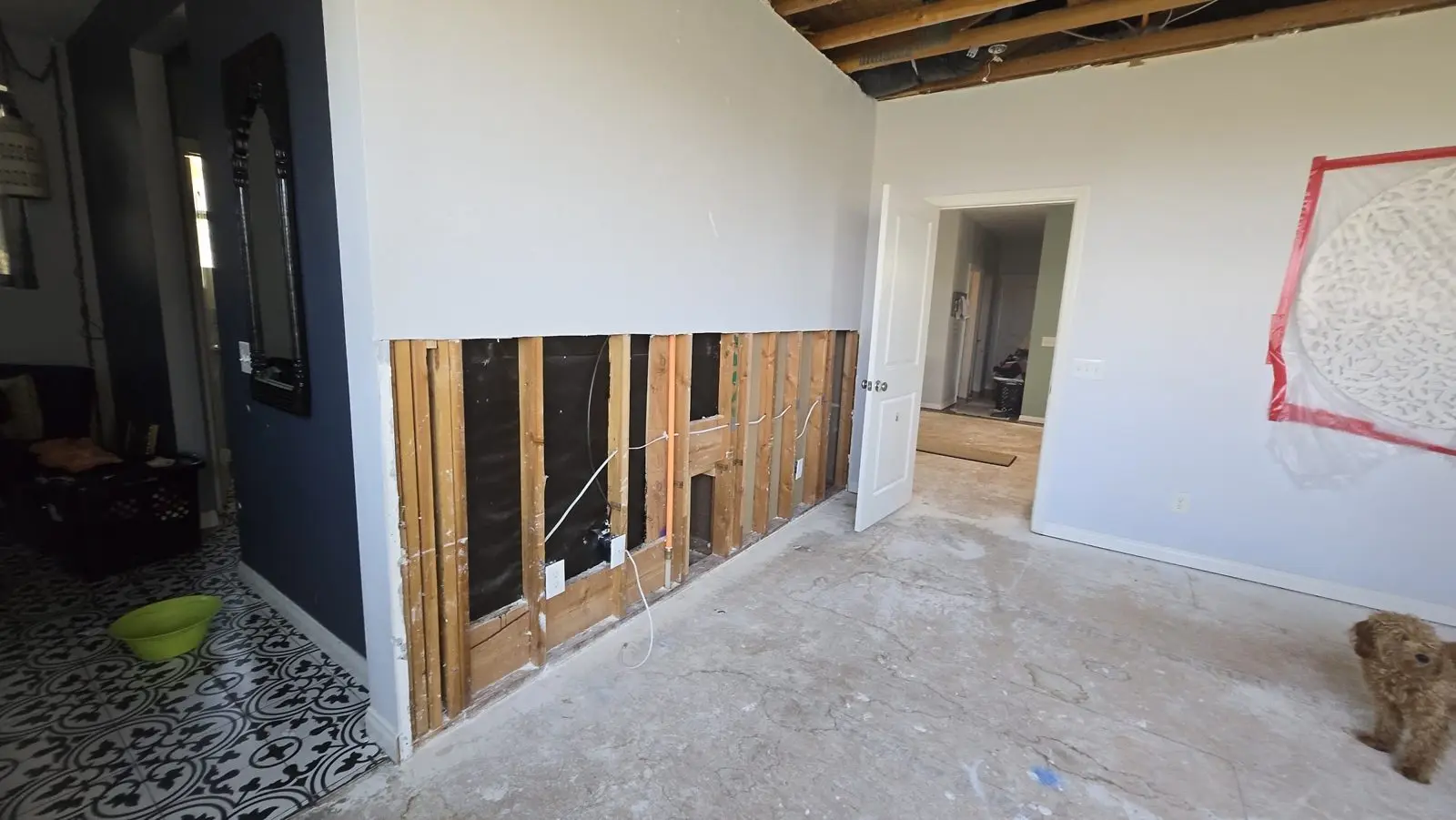
A room with the lower drywall cut away to the studs and the ceiling opened after water damage

A record of the flood damage for your claim

A claim goes better with a clear record of what the flood did, taken before anything is moved or thrown away.

  • We photograph and write down the damage, room by room
  • We write a detailed estimate of the work
  • We can bill your insurer directly

We do not negotiate or settle claims. Coverage is always your insurer’s decision.

Rated 5.0 by our customers on Google

“From the very first call, their team was professional, responsive, and genuinely cared about helping me get my home back to normal.”

Danny W.Water damage

“My second floor and kitchen suffered serious water damage, and LA Home Restorations restored everything. They made the whole process smooth and stress-free...”

Jacob A.Water damage

Flood and storm cleanup across the Westside

  • MalibuSeptic systems for most of the city, and burned slopes above the coast that send mud down in heavy rain
  • Pacific PalisadesA mudflow closed Palisades Drive in January 2025, below the Palisades burn area
  • TopangaMud and debris blocked Topanga Canyon Boulevard in January 2025 and again in February 2026
  • BrentwoodMandeville and Sullivan Canyons, inside the burn area the county forecasts before storms
  • Santa MonicaCoastal flooding on the City’s climate plan, and a rainy season from late October to late March

We also serve Calabasas, Agoura Hills, Westlake Village, Woodland Hills, Tarzana and Encino.

See all service areas

Flood and storm cleanup questions

Straight answers to what people ask after a flood or a backup.

Is flood water dangerous?

It can be. Flood water that crossed the ground outside or came up through a drain can carry sewage, soil, bacteria and chemicals, and it can hide live wiring and sharp debris. Keep out of it when you can, wear rubber boots and gloves when you cannot, and wash your hands with soap and clean water afterward.

Can I stay in my home after a sewage backup?

Stay out of the rooms the sewage reached, and keep children and pets away from them. Whether the rest of the home is livable depends on how far the sewage spread and whether you can use a bathroom and the kitchen. We tell you what we see when we come out.

Can you clean mud out of a house after a storm?

Yes. We remove the mud and silt from the floors and walls, take out the drywall, insulation and flooring it soaked, clean and sanitize what stays and dry the structure. Wait until the slope and the road are safe before anyone goes back in.

What has to be thrown away after a flood?

Porous materials that flood water or sewage soaked, such as carpet and pad, drywall, insulation, mattresses and upholstered furniture, usually cannot be cleaned and come out. Hard surfaces and many belongings can be cleaned and sanitized. We tell you what we recommend for each room and photograph what is removed for your claim.

How do you dry a house after a flood?

After the water, the mud and the soaked materials are out and the rooms are clean, we run commercial dehumidifiers and air movers and check the walls, floors and ceilings with moisture meters and a thermal imaging camera. Drywall and flooring do not go back in until the readings say the materials are dry.

What is the difference between Category 2 and Category 3 water?

Category 2, gray water, comes from a dishwasher, a washing machine or a toilet overflow without waste, and carries soap and bacteria. Category 3, black water, is sewage and flood water that crossed the ground outside, and it carries waste and soil as well. Porous materials that Category 3 water soaked usually come out, and everything that stays is cleaned and sanitized before it is dried. If mold has already grown, our mold remediation page explains what we do.

Do you tarp roofs and board up windows after a storm?

Yes. We tarp a damaged roof, board up broken windows and doors and put up temporary fencing when a home is open to the weather, and we cover our own open work when rain is coming.

How much does flood cleanup cost?

It depends on how much water and mud got in, whether it carried sewage, how long it sat and how much drywall, flooring and insulation has to be replaced. We give you an estimate after we see the damage.

Do you handle flood and mud cleanup in Topanga and Malibu?

Yes. We are open 24 hours, every day, and our office is at 22223 Pacific Coast Hwy in Malibu. We serve Malibu, Pacific Palisades, Topanga, Brentwood and Santa Monica, and also Calabasas, Agoura Hills, Westlake Village, Woodland Hills, Tarzana and Encino, including canyon homes below the burned slopes.

Request an estimate

Tell us what happened and how to reach you. We will call you back to set a visit.

For an emergency, call now(866) 396-7622
Call nowEstimate