Mold remediation in Malibu and the Westside

We find the moisture behind the mold, remove the mold and what it ruined, dry the structure and repair it. Open 24 hours, every day.

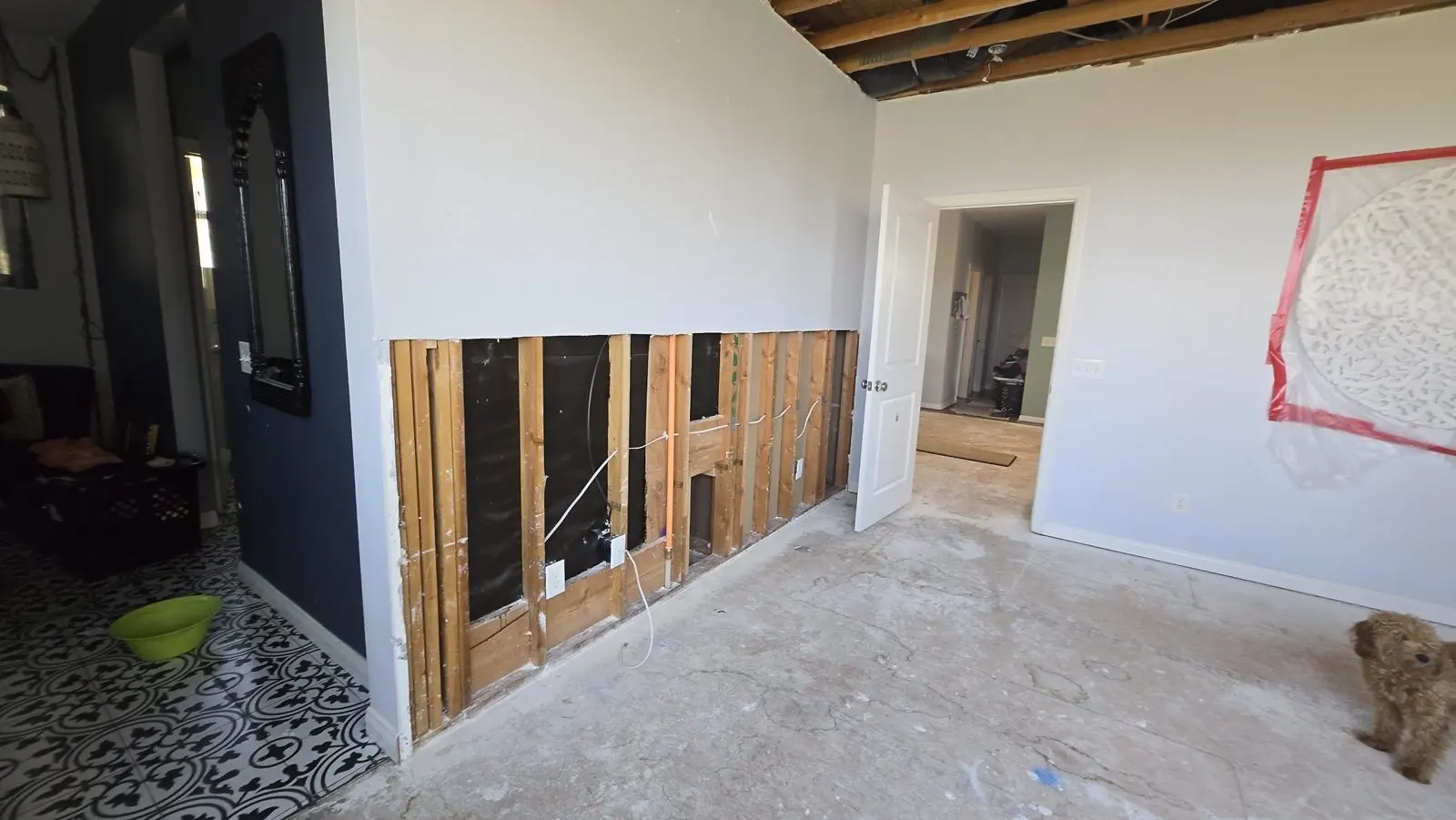
Lower drywall cut away to the studs so the wet wall behind it can dry
24/7 emergency serviceSeven days a week
From the leak to the repairOne company for the whole job
Office in Malibu22223 Pacific Coast Hwy

What does mold remediation involve?

Mold remediation, or mold damage restoration, means finding the moisture that lets mold grow, removing the mold and the materials it ruined, cleaning what can be kept and drying the structure so mold has less chance to come back. LA Home Restorations does mold remediation and mold removal for homes in Malibu, Pacific Palisades, Topanga, Brentwood, Santa Monica and the rest of the Westside of Los Angeles.

Mold needs water. Cleaning the patch you can see without fixing the leak behind it only hides the problem for a while, so we start with the moisture: we find where the water comes from, measure how far it spread and then remove what has to go.

Near the ocean, morning fog and damp sea air keep the humidity up, and a closet or a bathroom with little airflow can grow mold with no leak at all. We tell you which it is before the work starts, and we deal with it early, because mold is a health concern for people with allergies or asthma.

Where mold usually starts in a home

  • A slow leak under a sink or behind a toilet
  • Roof and window leaks after rain
  • Bathrooms and laundry rooms with little airflow
  • Closets and corners on an outside wall
  • Walls and floors that stayed wet after a leak
  • Rooms soaked by flood water or by firefighting
What our mold remediation covers

One company from the first look to the finished repair.

Call (866) 396-7622
  • Finding the moisture source

    We find the leak, the condensation or the humidity behind the mold, because mold comes back when the water does.

  • Moisture meters and thermal imaging

    Moisture meters and thermal imaging cameras show us where drywall, wood and insulation are still wet behind the surface, so we open only what has to be opened.

  • Keeping the work area apart

    We work room by room and keep the rest of the home out of the work area, so mold spores are less likely to reach rooms that are clean.

  • Mold removal

    We remove moldy drywall, insulation, carpet and other porous materials that cannot be cleaned, and clean the surfaces that can be kept.

  • Drying and dehumidification

    Structural drying with professional drying equipment, commercial dehumidifiers and air movers, and we check the walls and floors again with moisture meters before anything goes back.

  • Cleaning the rooms the mold reached

    We clean the rooms we worked in, so you come back to a space you can use.

  • Repairs after mold removal

    We put back the drywall, flooring and finishes that had to come out.

  • Documenting the damage for your claim

    We document the mold damage, write our estimate and can bill your insurer directly. Coverage is always your insurer’s decision.

What to do right now if you find mold

A few safe steps keep mold from spreading while you wait for us.

If you see or smell mold

Do

  • Stop the water if you can do it safely, for example at the valve under the sink.
  • Keep the door to the room closed and keep children and pets out.
  • Turn off the heating and air conditioning (HVAC) if you think the ducts have mold.
  • Photograph the visible mold and where the water came from for your insurer.

Don’t

  • Paint or caulk over mold. It grows back under the new finish.
  • Mix bleach with ammonia or with other cleaners.
  • Scrub or sand a large patch yourself. More than about 10 square feet is a bigger job.
  • Wait for it to dry on its own. Mold keeps growing while the material is wet.

Based on EPA guidance for homeowners. If anyone feels ill, call a doctor.

Our mold remediation process

Here is how a mold job goes.

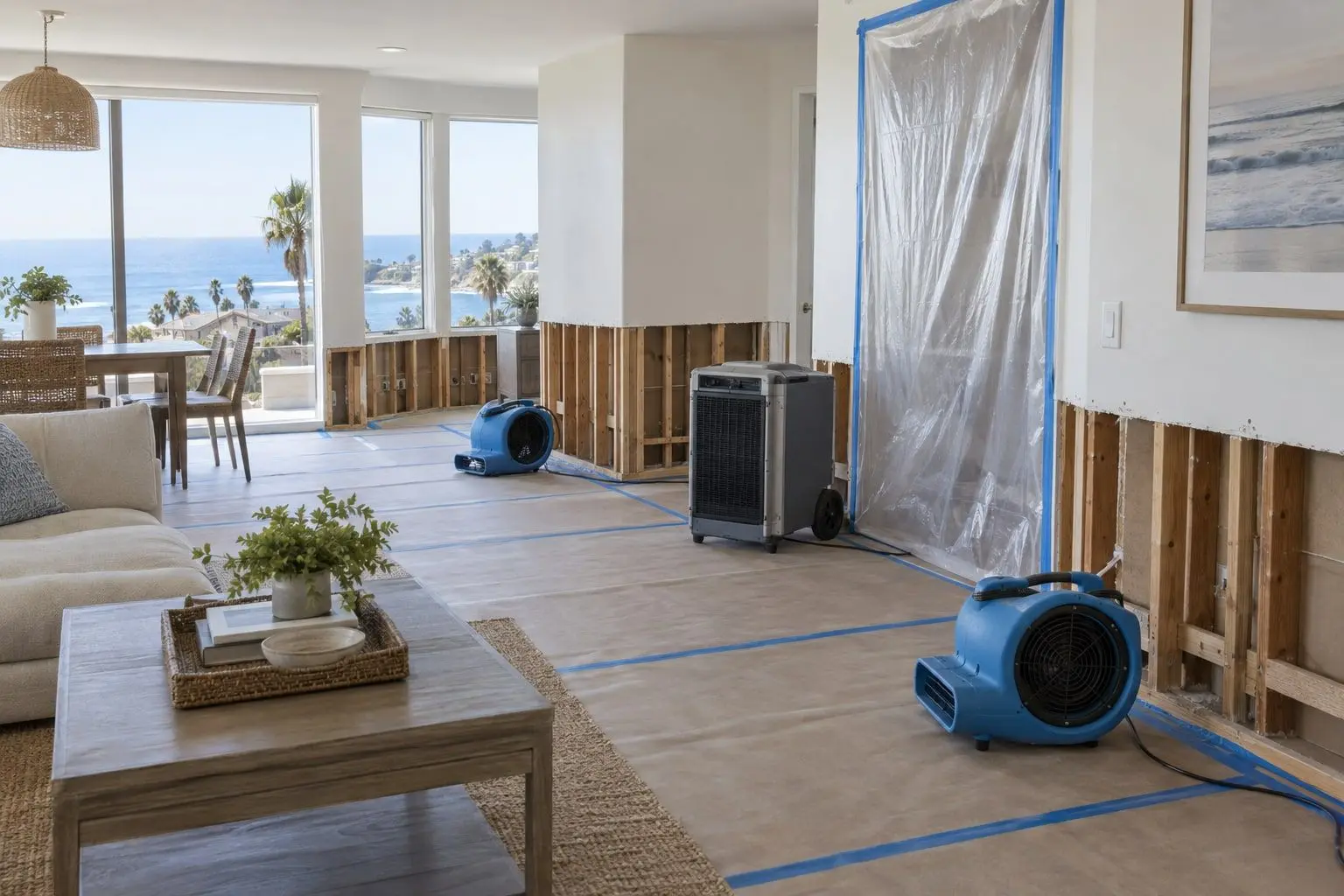
A living room being dried after water damage, with the lower walls opened
  1. You call, day or night

    Tell us what you see or smell. We come out to look at it.

  2. Inspection and moisture readings

    We look at the mold, then use moisture meters and a thermal camera to see how far the water went.

  3. Mold removal

    We keep the rest of the home out of the work area, remove the moldy materials and clean what can be kept.

  4. Drying and repair

    Dehumidifiers and air movers dry the structure. Once it measures dry and the source is fixed, we put back the drywall, flooring and finishes.

Why mold grows in Los Angeles homes near the coast

Los Angeles has a dry reputation, but mold growth does not need much. Near the beach, morning fog and damp sea air keep walls, closets and crawl spaces from drying out between storms, and in canyon homes in Topanga and Brentwood, shaded walls dry slowly after rain.

In Santa Monica the rainy season runs from late October to late March. A roof or window leak that gets in during a storm can sit inside a wall for weeks before a stain shows. After a fire, homes also take on water while the fire is being fought, and rooms closed up wet are where mold starts. Water damage that was never fully dried is a common reason for mold damage behind a wall.

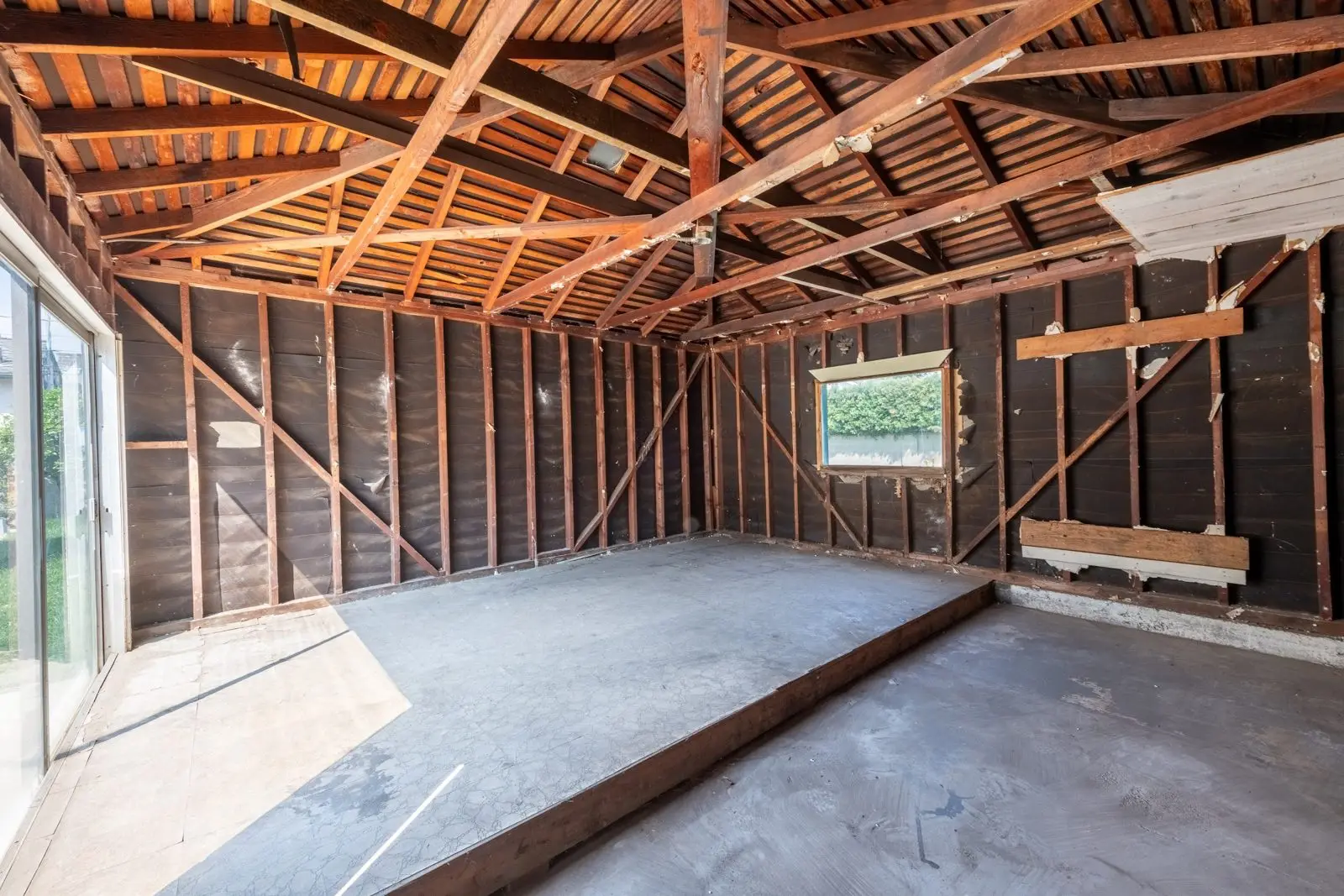
A room opened down to its framing so it can be repaired

A record of the mold damage for your claim

Mold from a covered water leak may be covered, and many policies limit what they pay for it. A clear record helps your insurer decide.

  • We photograph and write down the damage and the work
  • We write a detailed estimate of the work
  • We can bill your insurer directly

Coverage is always your insurer’s decision. We do not negotiate or settle claims.

Rated 5.0 by our customers on Google

“What really stood out was their attention to detail they handled everything with care, explained each step clearly, and worked efficiently without cutting corners.”

Danny W.Water damage

“My second floor and kitchen suffered serious water damage, and LA Home Restorations restored everything.”

Jacob A.Water damage

Mold remediation across the Westside

  • MalibuSalt air, coastal humidity and canyon homes that stay damp after a winter storm
  • Pacific PalisadesSurviving homes below burned slopes and rebuilds closed up in the rainy months
  • TopangaCanyon homes near Topanga Creek, where damp canyon air slows drying
  • BrentwoodHomes in Mandeville and Sullivan Canyons, where shaded walls dry slowly
  • Santa MonicaOcean-side homes with morning fog and closets on outside walls that stay cool and damp

We also serve Calabasas, Agoura Hills, Westlake Village, Woodland Hills, Tarzana and Encino.

See all service areas

Mold remediation questions

Straight answers to what people ask most about mold.

What is the difference between mold remediation and mold removal?

Mold removal is taking out the mold you can see. Mold remediation is the whole job: finding the moisture, removing the mold and the materials it ruined, cleaning, drying the structure and dealing with the conditions that let it grow. We do both, because removal alone often lets the mold come back.

How long does mold remediation take?

It depends on how far the mold and the moisture spread, what has to come out and how long the structure takes to dry. A patch in one bathroom is a short job; mold inside several walls takes longer. We tell you what to expect after we see it.

Can mold come back after remediation?

Yes, if the moisture comes back. That is why we start with the source and dry the structure before anything is put back. Keeping indoor humidity below 60 percent, as the EPA advises, running bathroom fans and fixing leaks early help prevent new mold growth.

Do I need mold testing before remediation?

Usually not. The EPA says that when mold growth is visible, sampling is in most cases unnecessary, and the CDC does not recommend mold testing. What matters is finding the moisture and removing the mold. We do not take lab samples; if you want a test, an independent inspector can do one.

Can I clean mold myself?

A small patch, under about 10 square feet, is something the EPA says a homeowner can usually handle, with long gloves, goggles and an N95 mask. Do not mix bleach with ammonia or other cleaners. If the mold covers more than that, came back, or grew after a flood or a sewage backup, call us.

Is mold a health risk, and is black mold worse?

The EPA says mold can cause allergic reactions in sensitive people and asthma attacks in people with asthma who are allergic to mold. The color does not tell you how risky it is: the CDC says you do not need to know the type of mold, and whatever type it is, it has to be removed. If someone in the home feels ill, call a doctor.

What are the signs of hidden mold in a home?

A musty smell, a stain or bubbling paint on a wall or ceiling, and baseboards that swell are common signs of mold you cannot see. A musty smell often means mold is growing where it is hidden, such as the back of drywall, under flooring or inside a cabinet. Moisture meters and a thermal camera help us find the wet materials behind the surface before anything is opened.

Does mold remediation include finding the leak?

Yes. We find where the water is coming from, whether it is a pipe, a roof or window leak, condensation or humidity. The mold work is not finished until the source is fixed, because the mold grows back if the water does.

Can mold grow after a flood, a sewage backup or a fire?

Yes. Flood water, a sewage or septic backup and the water used to put out a fire all leave materials wet, and mold can start within 24 to 48 hours. We clean up the water, remove what cannot be saved and dry the structure, then deal with any mold.

Will my insurance pay for mold remediation?

It depends on what caused the mold and on your policy. We document the damage, write our estimate and can bill your insurer directly, but your insurer decides what is covered. Our insurance claims page explains more.

How much does mold remediation cost?

It depends on how much area the mold covers, what has to be removed, how long the drying takes and how much has to be repaired. We give you an estimate after we see the mold and measure the moisture.

Do you do mold remediation in Malibu?

Yes. We are open 24 hours, every day, and our office is at 22223 Pacific Coast Hwy in Malibu. We serve Malibu, Pacific Palisades, Topanga, Brentwood and Santa Monica, and also Calabasas, Agoura Hills, Westlake Village, Woodland Hills, Tarzana and Encino.

Request an estimate

Tell us what you found and how to reach you. We will call you back to set a visit.

For an emergency, call now(866) 396-7622
Call nowEstimate