
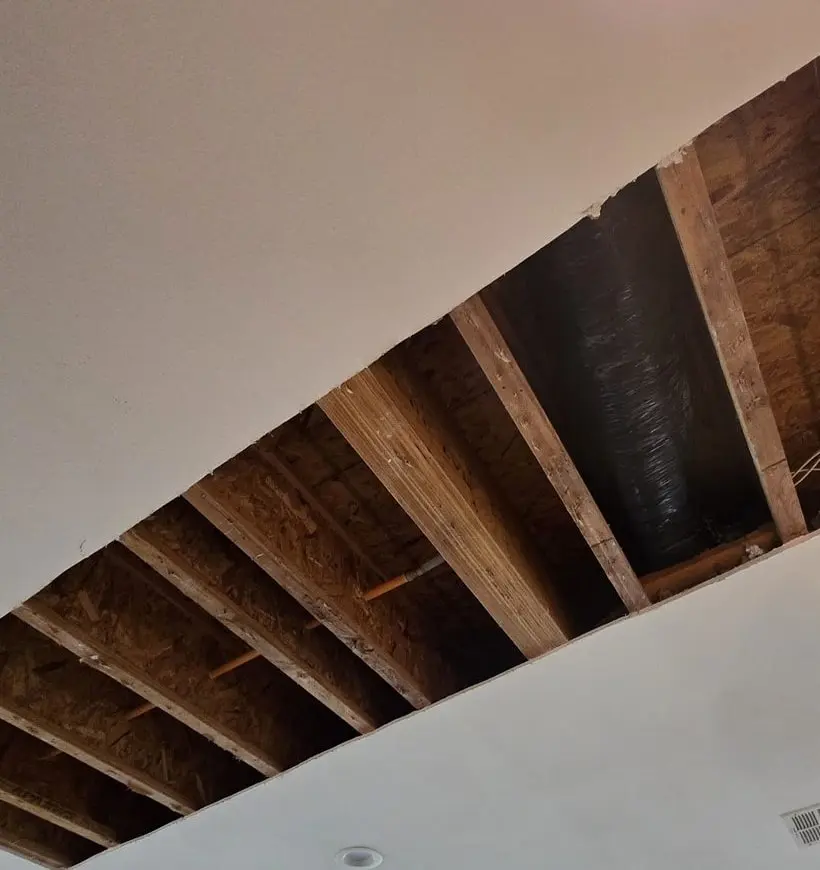
Documenting water and fire damage for your insurance claim

We photograph and write down the damage, write our estimate and can bill your insurer directly. Coverage is always your insurer’s decision.

A ceiling opened to the joists so the damage can be inspected
24/7 emergency serviceSeven days a week
From cleanup to rebuildOne company for the whole job
Office in Malibu22223 Pacific Coast Hwy

Does homeowners insurance cover water or fire damage?

Often, but it depends on your policy and on the cause. Many homeowners policies cover sudden water damage, such as a burst pipe or an appliance leak, and leave out slow leaks, wear and outside flooding, which needs separate flood coverage. Fire is covered by most homeowners policies and by the California FAIR Plan. Your policy and your insurer decide what is covered.

Smoke and ash cleanup is where policies differ most, so a clear record of the damage in every room matters. What we do is document the damage, write our estimate and, when you ask, bill your insurer directly. We do not decide coverage, we do not negotiate or settle claims, and we cannot promise how a claim will end.

Read your policy, ask your insurer what it includes and call your insurer as soon as it is safe to do so.

What a homeowners policy usually covers, and what it leaves out

Many homeowners policies are written around sudden and accidental damage: a pipe that bursts, a water heater that fails, a washing machine hose that splits. Damage that built up slowly, from a leak that dripped for months, wear and tear or missed maintenance, is often excluded. The California Department of Insurance lists flood, earthquake, earth movement and wear and tear among the perils usually excluded.

Flood is the big exception for water. The Department says homeowners policies do not cover flood damage, though they do cover other kinds of water damage, and flood insurance is bought as a separate policy. Mold is often limited too: mold damage caused by a covered peril may be covered, and many policies cap what they pay for it.

Most policies have limits on what they pay. Many also pay additional living expenses, such as temporary housing and food, when a covered loss makes the home unsafe to live in. Your own policy and your insurer decide: read the declarations page and the exclusions, or ask your insurer, before the work starts.

What we do for your claim

The claim is yours. We keep a record of the damage.

Call (866) 396-7622
  • Photos before the work starts

    A clear record of what was damaged, where and how, before the work changes what can be seen.

  • We document the damage for your claim

    We photograph the damage and write down what we find and what we do, room by room. When you ask us to, we share that record with your insurance adjuster and answer the adjuster’s questions about the damage and about our estimate. We do not negotiate or settle your claim and we do not interpret your policy: the claim stays between you and your insurer.

  • A written estimate of the work

    We write a detailed estimate of the work, room by room, so the adjuster can read our scope and our estimate beside the record of the damage.

  • Billing your insurer directly

    We can bill your insurer directly for the work. What the policy pays is still your insurer’s decision, and the claim stays between you and your insurer.

  • We keep a record of the work

    What we clean, dry, repair or rebuild stays on record for your claim.

Your part: keep the damage from getting worse

Policies expect you to take reasonable steps to protect the property from further damage once you know about it, and the Department of Insurance warns that a policy may not cover damage that follows if you did not. After a leak, that means shutting off the water and getting the drying started. After a fire, it means keeping the home closed up and safe.

Waiting for the adjuster before anything is dried can let a covered loss grow into a larger one. Keep every receipt for what you spend because of the damage, from materials for temporary repairs to a night in a hotel, and keep the damaged items until your insurer says they can go. The Department also advises not to make extensive permanent repairs until the adjuster has seen the damage.

What to do before you call your insurer

Most claims go better with a clear record and a few careful habits.

When you start a claim

Do

  • Call your insurer as soon as it is safe, and ask what your policy covers.
  • Photograph or film the damage in every room before anything is moved or thrown away.
  • Keep damaged items until your insurer says they can be discarded.
  • Keep receipts for anything you pay for because of the loss, and note who you spoke to and when.

Don’t

  • Throw damaged belongings away before they are photographed.
  • Sign anything you do not understand.
  • Assume what is covered without reading your policy or asking your insurer.

Based on public guidance for homeowners. The California Department of Insurance publishes a Residential Property Claims Guide.

What is the California FAIR Plan?

The California FAIR Plan is often called the insurer of last resort. It offers basic property insurance for fire to homeowners who cannot find a standard policy.

It is a basic policy with coverage limits, and it does not cover other perils such as burglary. The California Department of Insurance suggests also looking at a Differences in Conditions policy or other supplemental coverage from a private insurer. Read your policy, or ask your insurer or the FAIR Plan, what yours includes.

Common questions

Straight answers to what people ask most about claims.

Does homeowners insurance cover water damage?

Many policies cover sudden water damage, such as a burst pipe or an appliance leak, and leave out slow leaks and outside flooding, which needs separate flood coverage. Your policy and your insurer decide. We document the damage and share our record with your insurer when you ask.

Does homeowners insurance cover fire damage?

Fire is covered by most homeowners policies and by the California FAIR Plan. How smoke and ash cleanup is covered varies from policy to policy, so a clear record of the damage in every room matters. Coverage is always your insurer’s decision.

Does insurance cover smoke and ash cleanup?

How smoke and ash cleanup is covered varies from policy to policy. A clear record of the smoke and ash in every room helps whatever your policy says, so photograph each room before anything is cleaned. Your policy and your insurer decide what is covered.

Does homeowners insurance cover mold?

Mold damage caused by a covered peril, such as a burst pipe, may be covered, and many policies cap what they pay for it. Mold from a slow leak or from humidity is often not covered. Your policy decides, so check its mold section or ask your insurer.

Does renters insurance cover fire damage?

A renters policy usually covers your own belongings and may pay living expenses after a covered fire. Your landlord’s insurance does not cover your personal property, and the building itself is the owner’s policy. If you rent, tell your landlord and your own insurer as soon as you can.

What should I do before I call my insurance company?

When it is safe, photograph or film the damage in every room before anything is moved or thrown away, keep the damaged items until your insurer says they can go, and note what you paid for because of the loss. Then call your insurer and ask what your policy covers.

Can you tell me whether my claim will be approved?

No. Coverage is always your insurer’s decision, and nobody but your insurer can promise how a claim will end. What we can do is document the damage, write our estimate and share that record with your insurer.

What if the damage is not covered?

Then the decision about what to do next is yours. Call us and we will tell you what the work involves and give you an estimate after we see the damage, so you can decide with the full picture.

What if I disagree with my insurer?

Ask the insurer to explain the decision in writing and to point to the part of the policy it relies on. The California Department of Insurance, the state agency that regulates insurers, answers questions from policyholders on its consumer hotline and website. Some homeowners also hire a public adjuster, who works for the policyholder for a fee.

How long do I have to file a claim?

Your policy sets the deadlines for reporting a loss and filing a claim. Report the damage to your insurer as soon as you can and ask which deadlines apply to your claim.

Can a restoration company put a lien on your house?

Read any contract before you sign it, and ask about payment terms and what happens if there is a dispute. For a question about liens, ask a lawyer: we cannot give legal advice.

Can you bill my insurance company directly?

Yes. We write a detailed estimate of the work, and we can bill your insurer directly. We document the damage and answer the adjuster’s questions about the damage and about our estimate, but we do not negotiate or settle your claim.

Are you a public adjuster?

No. LA Home Restorations is a restoration company, not a public adjuster. We document the damage, write our estimate and can bill your insurer directly, but we do not negotiate or settle your claim: it stays between you and your insurer. For help with the claim itself, contact the California Department of Insurance or a licensed public adjuster or attorney.

Request an estimate

Tell us what happened and how to reach you. We will call you back to set a visit.

For an emergency, call now(866) 396-7622
Call nowEstimate