Leak detection in Malibu and the Westside

We find hidden water leaks with moisture meters and a thermal imaging camera, then dry and repair what the leak reached. Open 24 hours, every day.

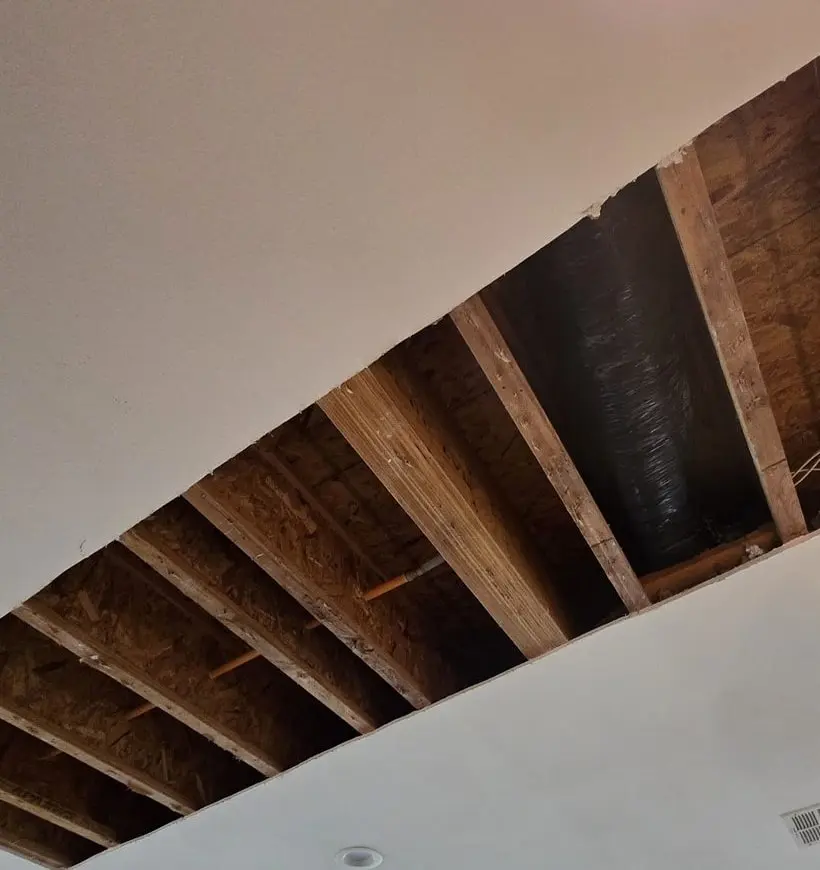
A ceiling opened to the joists so the damage can be inspected
24/7 emergency serviceSeven days a week
From finding the leak to the repairOne company for the whole job
Office in Malibu22223 Pacific Coast Hwy

What is leak detection, and why call a restoration company?

Water leak detection means finding where water is escaping inside a home before you can see it: a supply line behind a wall, a drain under a shower, a pipe above a ceiling or a water line under a concrete slab. LA Home Restorations finds water leaks in homes across Malibu, Pacific Palisades, Topanga, Brentwood, Santa Monica and the rest of the Westside of Los Angeles.

As a restoration company, leak detection is where our work starts, not where it ends. We locate the source with moisture meters and a thermal imaging (infrared) camera, mark the spot and repair the pipe there, with as little opening as possible, and then dry and repair the walls, floors and ceilings the water reached.

We start without opening anything, and a wall or floor is opened only where the readings point to the water. A hidden leak rarely stays small, and the longer it runs, the more drywall, insulation and flooring it soaks.

Signs of a hidden leak

  • A water bill higher than usual with no new use
  • The sound of running water when every tap is off
  • A stain, bubble or soft spot on a wall or ceiling
  • A warm spot on the floor over a hot water line
  • Flooring that cups, swells or lifts
  • A musty smell in a closet, cabinet or corner
  • Low water pressure all over the house
How we find a hidden leak

Leak detection with instruments, not guesswork, and we show you what each reading means.

Call (866) 396-7622
  • Moisture meters

    We take moisture readings in the drywall, wood and flooring around the problem and follow the wet readings to where they are highest, which is usually closest to the leak.

  • Thermal imaging

    A thermal imaging camera shows temperature differences across a wall, ceiling or floor. Wet materials usually read cooler, and a leaking hot water line can show up as a warm area, so we see where the water runs before anything is opened.

  • Wall and ceiling leaks

    Leaks from supply lines, drains, showers and toilets upstairs, traced to the area they come from, so less has to be opened.

  • Slab leak detection

    Slab leak detection for a water line under a concrete slab: warm or damp flooring checked with thermal imaging and moisture readings.

  • Roof and window leaks

    Rain that comes in through the roof or a window can run along rafters and show up far from where it enters, so we follow it back to where it gets in.

  • Appliance and water heater leaks

    Slow leaks behind a dishwasher, refrigerator, washing machine or water heater that soak the cabinet or the floor before anyone sees water.

  • A record of what we found

    We photograph the readings and the wet areas room by room, so you and your insurer see the same picture of where the water went.

  • Drying and repair after the leak

    We repair the pipe, dry the structure with commercial dehumidifiers and air movers, then repair what the water reached.

Slab leaks under a concrete floor

A slab leak is a leak in a water line that runs in or under the concrete slab of a home. The water stays out of sight, so the first signs are often a higher water bill, the sound of water running when nothing is on, a warm spot on a tile floor, or flooring that lifts or smells damp.

We check the floor with a thermal imaging camera and moisture readings to narrow down where the line is leaking, so the slab is opened in one place instead of several. A leak on a cold water line, or deep under the slab, does not always show on the camera, and when our readings cannot place it, we tell you so.

Water from a slab leak soaks up into flooring, baseboards and the bottom of the drywall. Once we have repaired the pipe, we dry those materials and replace what cannot be saved.

What to do when you suspect a leak

A few checks you can make yourself while you wait for us.

If you think water is leaking somewhere

Do

  • Turn off every tap and every appliance that uses water, then write down the numbers on your water meter.
  • Check the meter again two hours later without using any water. If it moved, you probably have a leak.
  • Put a few drops of food coloring in the toilet tank. Color in the bowl after 10 minutes means the toilet is leaking.
  • Photograph stains, wet spots and your water bill for your insurer.

Don’t

  • Cut into a wall, ceiling or floor to look for the leak yourself.
  • Ignore a meter that keeps moving or a bill that jumps.
  • Touch outlets or switches on a wet wall.
  • Paint over a water stain before the leak is found.

If water is coming out now

Do

  • Close the valve on the line that is leaking, or the main water valve if you cannot find it.
  • Note where the water showed first and roughly when it started, so we know where to look.
  • Photograph the wet spot and the stain around it before anything is wiped or moved.
  • For wet floors, rugs and furniture, follow the steps on our water damage page while you wait.

Don’t

  • Turn the water back on to watch where it comes out.
  • Run the sink, shower or appliance you think is leaking.
  • Pull off baseboards or trim to look behind them.
  • Stand under a sagging ceiling or step into water near outlets.

The meter and toilet checks follow EPA WaterSense advice for homeowners. If you smell gas, leave the home and call 911 or the gas company from outside. If anyone is hurt, call 911 first.

How a leak detection visit goes

What happens from the first call to a dry home.

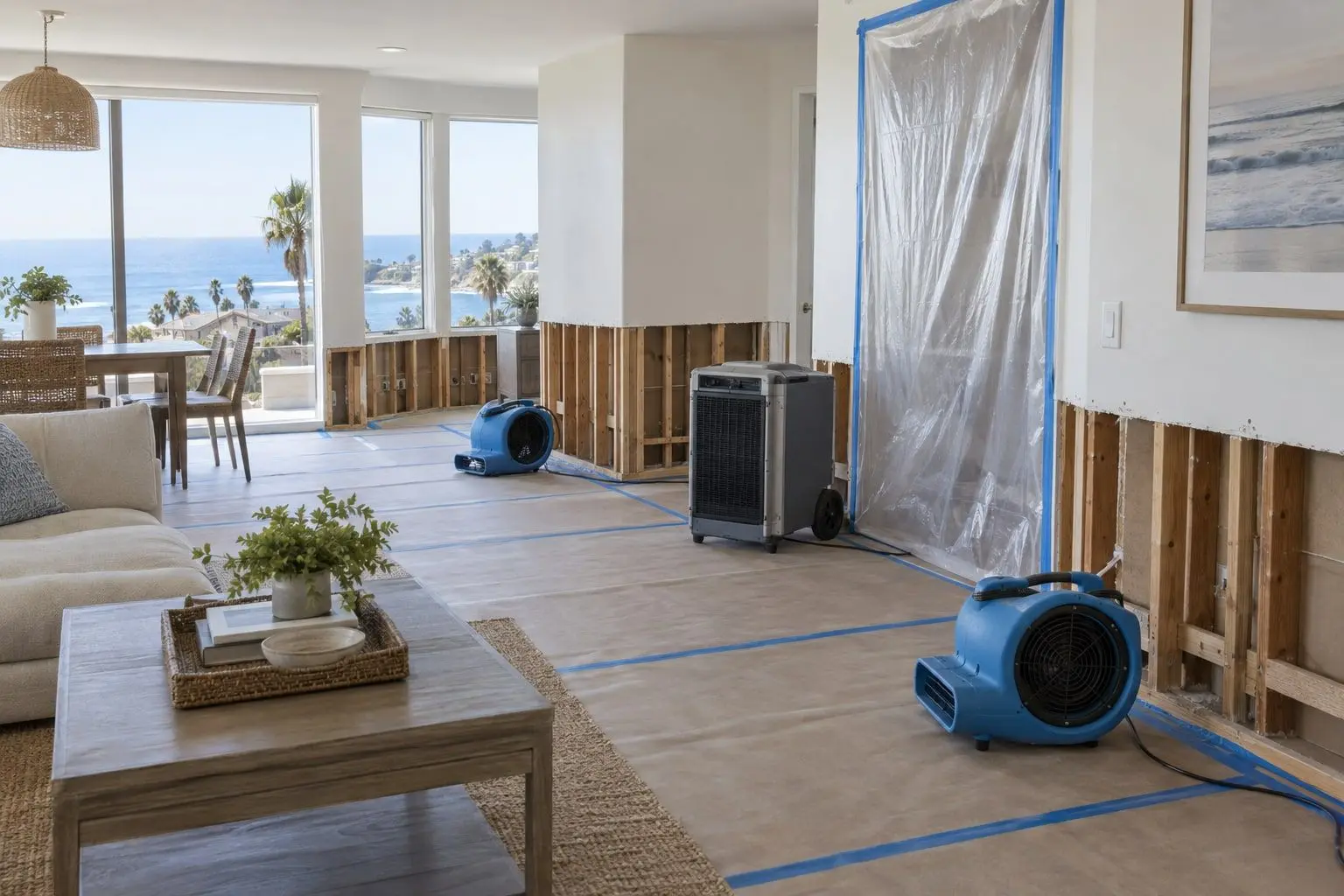
A living room being dried after water damage, with the lower walls opened
  1. You call, day or night

    Tell us what you have noticed: a stain, a sound, a smell or a water bill. We set a visit to see it.

  2. We find the leak

    A leak inspection with moisture readings and a thermal imaging camera, then we mark where the water is coming from.

  3. We repair the pipe at that spot

    We fix the leak at the spot we marked, with as little opening of walls and floors as possible.

  4. We dry and repair

    We dry the structure with commercial dehumidifiers and air movers until our readings show it is dry, then repair what the water reached.

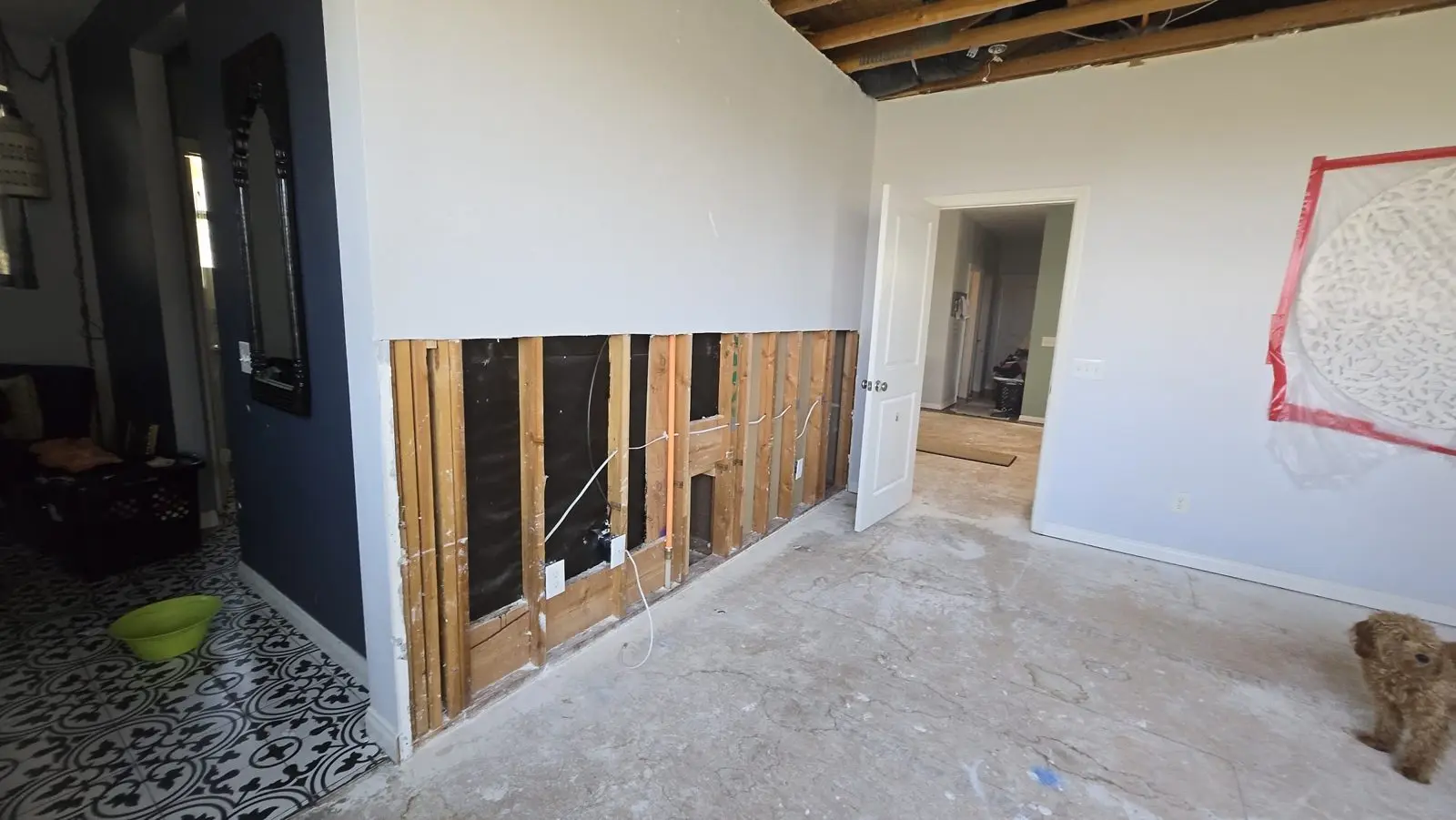
A room with the lower drywall cut away to the studs and the ceiling opened after water damage

A record of the leak for your insurance claim

A claim for water damage goes better with a clear record of where the water came from and what it reached.

  • We photograph the readings and the wet areas, room by room
  • We write a detailed estimate of the work
  • We can bill your insurer directly

Coverage is always your insurer’s decision. We do not negotiate or settle claims.

Rated 5.0 by our customers on Google

“From the very first call, their team was professional, responsive, and genuinely cared about helping me get my home back to normal.”

Danny W.Water damage

“My second floor and kitchen suffered serious water damage, and LA Home Restorations restored everything. They made the whole process smooth and stress-free...”

Jacob A.Water damage

Leak detection across the Westside

  • MalibuSalt air near the ocean, which is hard on exposed metal pipes, fittings and water heaters
  • Pacific PalisadesHomes that stood through the fire, where the plumbing is worth checking before moving back in
  • TopangaCanyon homes where a roof or window leak in a storm can travel before it shows
  • BrentwoodTwo-story homes where a bathroom leak upstairs shows up on the ceiling below
  • Santa MonicaApartments and condos where a leak in one unit shows up in the unit below

We also serve Calabasas, Agoura Hills, Westlake Village, Woodland Hills, Tarzana and Encino.

See all service areas

Leak detection questions

Straight answers to what people ask before they call.

How do you find a leak without opening walls?

We take moisture readings around the problem and scan the walls, ceilings and floors with a thermal imaging camera, which shows where wet or warm areas run behind the surface. That usually narrows the leak down to one area, so less has to be opened.

What are the signs of a slab leak?

A water bill that climbs with no new use, the sound of water running when nothing is on, a warm spot on a tile or concrete floor, and flooring that lifts, cracks or smells damp. If you notice one of these, turn everything off, check your water meter and call us.

Can you find a leak inside a wall before anything looks wet?

Often, yes. Water inside a wall changes the moisture and the temperature of the drywall before a stain appears, and moisture meters and a thermal camera pick up those changes. A very small or very new leak may not show yet, and then we tell you what to watch for.

What happens after you find the leak?

We show you where the water is coming from and how far it has spread, and we repair the pipe or fixture at that spot. Then we dry the wet materials, take out what cannot dry in place and repair the drywall, flooring and finishes.

Does homeowners insurance pay for leak detection?

It depends on your policy. Many policies cover sudden water damage and leave out damage from a slow leak, so the cost of leak detection may or may not be included. Ask your insurer, and keep our record of what we found for your claim.

Why have a restoration company look for the leak?

Because the leak is only half the problem. The water it let out is in the drywall, insulation and flooring around it. We find the leak and map how far the water went in the same visit, so drying can start as soon as we have fixed the pipe.

Can a slow leak cause mold?

Yes. A slow leak keeps the same materials wet for weeks, and that is the moisture mold needs to grow. When a leak has caused mold, we remove it as part of the repair; our mold remediation page explains how.

How long does leak detection take?

Leak detection time depends on the size of the home and how far the water has spread. Most of the visit is reading and scanning before anything is opened, and we tell you what we found.

How much does leak detection cost?

The cost of leak detection depends on how many areas we have to check, how hard they are to reach and how much water damage the leak has caused. We tell you what the work involves and give you an estimate after we see the home.

Do you check for leaks in Malibu and Pacific Palisades homes?

Yes. We work from our office at 22223 Pacific Coast Hwy in Malibu and look for leaks in homes across Malibu, Pacific Palisades, Topanga, Brentwood and Santa Monica, and also Calabasas, Agoura Hills, Westlake Village, Woodland Hills, Tarzana and Encino.

What if the leak is in a drain or sewer line?

Water from a drain or sewer line carries bacteria. Keep away from it, stop using the fixtures on that line and call us. We clean up after drain, sewage and septic backups and dry and repair what the water reached.

Request a leak detection visit

Tell us what you have noticed and how to reach you. We will call you back to set a visit.

For an emergency leak, call now(866) 396-7622
Call nowEstimate