When smoke clears over Malibu’s ridgelines, the work truly begins. Fire damage restoration is a disciplined process, yet even well-intentioned efforts can go sideways in ways that cost time, money, and peace of mind. Having overseen projects from hillside estates to beach cottages, I have seen a consistent set of pitfalls that trip up homeowners and contractors alike. Understanding these common issues helps you avoid repeat work and ensures that your home returns to a clean, safe, and comfortable state more quickly. From hidden smoke reservoirs to coastal corrosion, this is what tends to go wrong—and how to get it right with professional fire damage restoration in Malibu.
The first and most pervasive issue is delay. Time is not on your side after a fire. Soot is acidic and begins reacting with finishes within hours, etching metals and dulling glass. Meanwhile, water from firefighting migrates into cavities where it feeds microbial growth. Waiting even a few days to begin stabilization can mean the difference between cleaning and replacing materials. In Malibu, the humidity swings between crisp afternoons and cool, marine-influenced nights complicate drying further, making rapid extraction and dehumidification essential.
Cross-contamination from poor containment
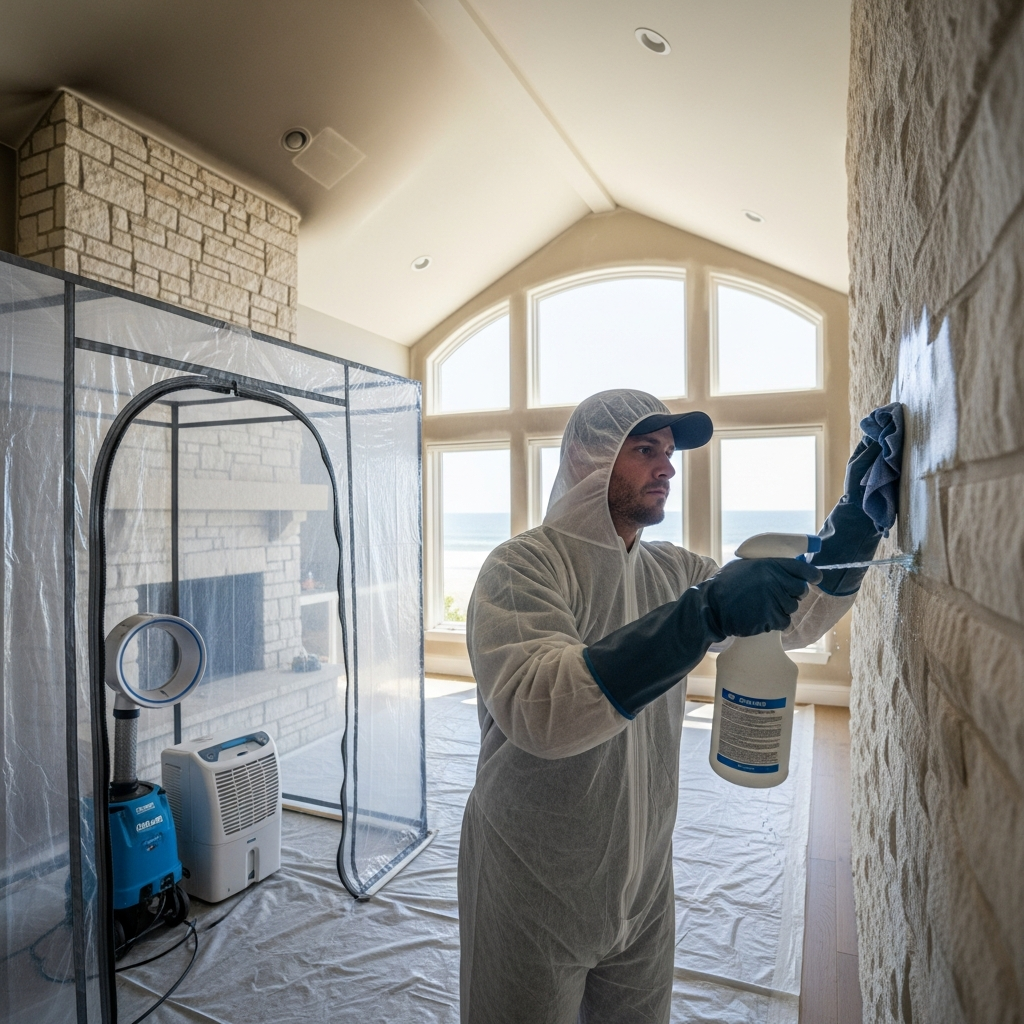
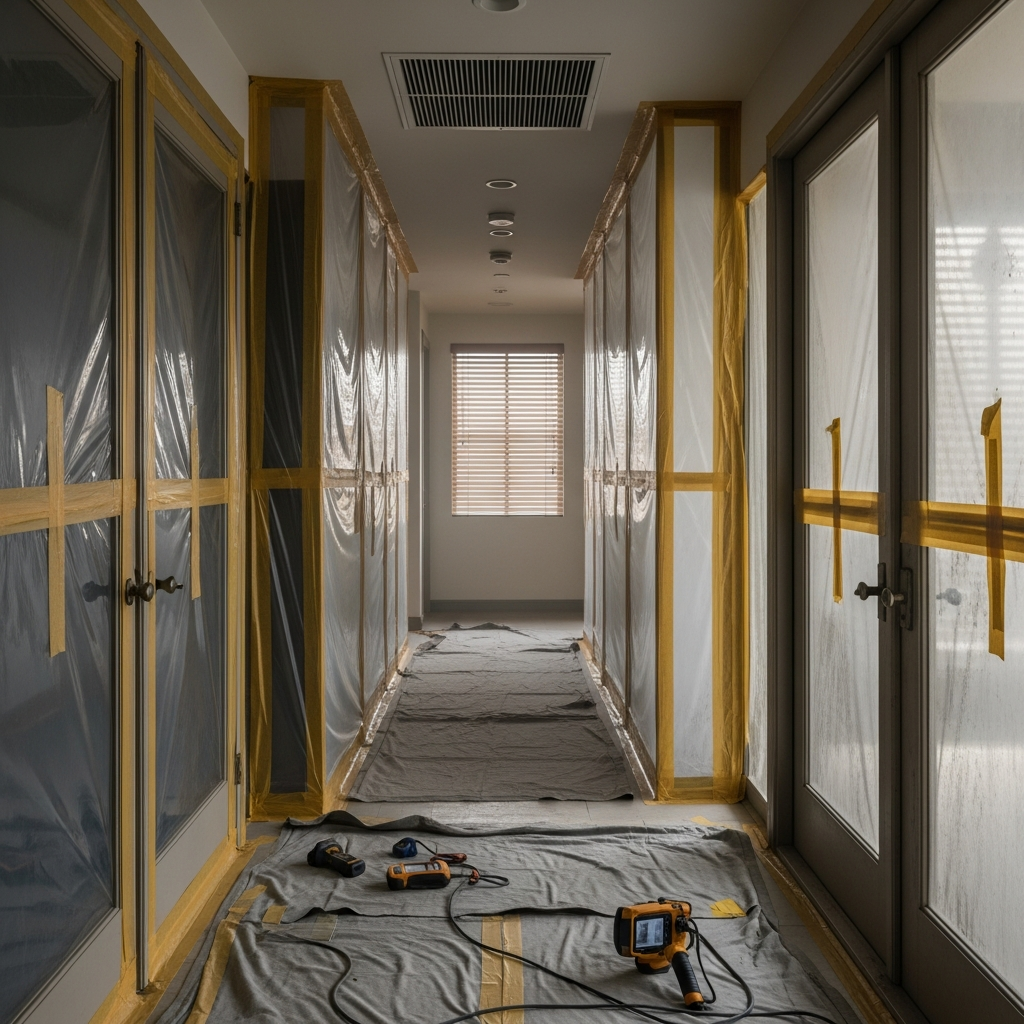
Another frequent misstep is inadequate containment. Open-plan homes invite air movement, and with it, soot migration. Without proper barriers and negative air pressure, a lightly affected wing can wind up as smoky as the source room by the end of demo. Shoes, vacuums, and even clothing become vectors for residue—a phenomenon we call secondary spread. Professional teams build containment early, establish pressure differentials, and set clean pathways so crews and materials move without dragging soot into finished areas.
HVAC systems magnify this risk. If a system cycles before registers are protected and ducts are closed or cleaned, soot can be distributed to every room in minutes. Filter upgrades help, but they are not a cure-all. The system should be shut down promptly, registers covered, and duct cleaning planned with HEPA capture to prevent reintroduction once the system restarts.
Using the wrong cleaning chemistry
Not all soot is the same, and mismatched solvents cause problems that are hard to undo. Protein residues from cooking are largely invisible but sticky, requiring enzyme or alkaline cleaners. Synthetic soot from burned plastics is oily and smears under water-based cleaners. Dry soot on plaster may respond to gentle dry sponging, while char on structural wood often calls for abrasion and sealing. The wrong choice embeds soils deeper or creates stains that appear days later as residues wick back. Testing and sequencing are the safeguards here, and skipping them is a costly mistake.
Coastal corrosion adds a Malibu-specific twist. Salt in the air accelerates oxidation on fixtures, appliances, and electronics already stressed by smoke. Using cleaners that fail to neutralize corrosive byproducts leaves a film that continues to eat away at finishes. Corrosion-conscious cleaning and quick stabilization of electronics prevent a wave of small failures months after everyone has packed up.
Incomplete odor removal
One of the most common homeowner frustrations is odor that returns on the first hot day. This happens when source materials remain in place or when cavities and insulation that absorbed smoke are left untreated. Odor control must be comprehensive: remove what cannot be cleaned, clean and treat structural wood, and apply targeted deodorization like thermal fogging or hydroxyl generation. Sealing is used as a finish step, not a shortcut to trap smells in place. If you skip a layer in this sequence, summer will remind you.
Another miscue is relying on masking fragrances. They can create the illusion of progress but quickly fade, leaving the original odor unchallenged. True deodorization is molecular, not cosmetic. It takes patience, testing, and the discipline to verify results under warm, humid conditions before calling a job complete.
Overlooking hidden moisture
Water behaves in quiet ways, wicking sideways and downward, pooling under sill plates, and saturating insulation low in wall cavities. If drywall is patched without confirming moisture content, trapped dampness becomes a breeding ground for mold. In our coastal climate, morning marine layers can stall drying if airflow and dehumidification are not balanced. Moisture meters and infrared cameras are not optional tools—they are the lenses that prevent invisible problems from hardening into costly repairs.
Flooring deserves extra attention. Hardwood can cup and resist flattening once shape has set; engineered products delaminate; tile can hide moisture beneath membranes. Aggressive heat can crack grout or over-dry wood, so the plan must match materials. Skipping these nuances often leads to uneven floors or lingering musty smells long after the fire is a memory.
Poor documentation and insurance friction
Documentation is the language of restoration. When photos, moisture logs, and scope notes are sparse, insurance approvals slow and change orders multiply. In Malibu, where many homes feature custom finishes, documentation needs to capture detail—plaster textures, stain formulas, specialty fixtures—so that everyone agrees on what is being restored and why. Without that clarity, you will spend energy re-explaining decisions rather than moving forward with confidence.
Another pitfall is failing to coordinate with building officials early. Structural repairs, electrical work, and certain material removals may trigger permits. Aligning remediation with permitting avoids rework and ensures a clean handoff to reconstruction.
Underestimating contents complexity
Pack-outs can either protect your belongings or put them at risk. Rushed boxing without barcoding leads to lost items and claims headaches. Fragile pieces—art, instruments, vintage items—need specialized packing and ozone-free deodorization to prevent damage. Electronics must be stabilized quickly to stop corrosion from advancing. When contents are treated as an afterthought, you end up with clean walls but a pile of avoidable losses.
Storage conditions matter, too. Coastal humidity can warp wood and encourage metal corrosion if storage lacks climate control. Transparent tracking and proper environments make the difference between a smooth return of your belongings and a frustrating scavenger hunt.
Choosing the lowest bid over proven process
Price is understandable as a factor, but in restoration, a rock-bottom bid often signals missing steps that become change orders later. Thorough work includes containment, air management, moisture mapping, material-specific cleaning, and verified deodorization. When any of these are glossed over, completion dates slip and quality suffers. Vetting a contractor’s sequence, certifications, and local experience is your best protection against surprises.
Communication is part of that process. A team that lays out milestones—stabilization, demo, cleaning, deodorization, verification—and provides regular updates keeps the project aligned. Silence breeds anxiety and mistakes. Clarity keeps everyone moving in the same direction.
Site logistics and Malibu’s terrain
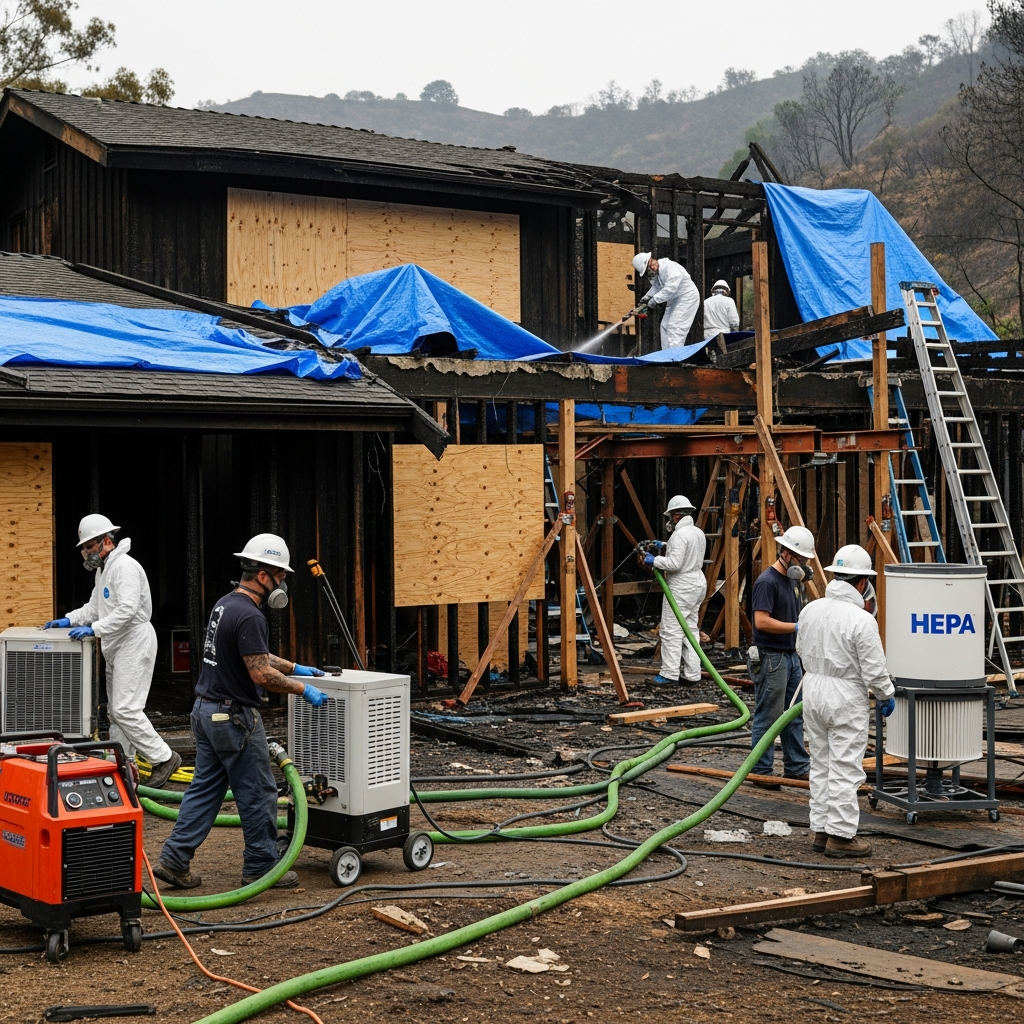
Access is not trivial here. Steep, narrow roads and limited staging areas complicate equipment placement and debris removal. Without planning, dumpsters block driveways, generators disturb neighbors, and delicate landscaping takes unnecessary hits. Crews familiar with Malibu anticipate these constraints, bringing smaller equipment when needed and coordinating deliveries to respect tight windows. Thoughtful logistics reduce friction and protect the neighborhood fabric you will soon rejoin.
Weather is a partner and a challenger. Santa Anas can push dust and soot into open zones if containment is not secured, and marine layers can condense on cool surfaces overnight. Crews that monitor conditions and adjust controls daily avoid setbacks that look like bad luck but are really avoidable with local know-how.
Skipping final verification
Declaring victory too soon is another misstep. Final verification should include odor checks after warming the house, moisture readings that confirm dry standards, and a visual sweep for soot in light fixtures, tops of cabinets, and attic corners. Pulling return air filters after a test run offers a quick indicator of residual particulates. This diligence closes the loop and prevents callbacks.
Homeowners have a role here, too. Walk the space with your restorer, ask questions, and trust your senses. If a room looks or smells off, say so. A good team will investigate and resolve it, not dismiss it.
Frequently asked questions
How fast should restoration start after a fire?
Stabilization should begin as soon as authorities clear the site. Early actions—site security, water extraction, containment, and air filtration—limit secondary damage and set the stage for efficient cleaning and deodorization. In the first 24 to 48 hours, each hour counts.
Why does odor come back after the job seemed finished?
Persistent odor usually means source materials remain untreated in cavities, insulation, or structural wood. Heat and humidity coax those trapped compounds back into the living space. Comprehensive source removal and properly sequenced deodorization prevent this cycle.
Can I handle smoke cleanup myself?
Light dusting in unaffected rooms may be fine, but deep cleanup is risky to do on your own. The wrong cleaner can set stains or spread residues, and disturbing soot without proper filtration can affect indoor air quality. Professionals match chemistry to soot type and control airflow to keep you safe.
What about my HVAC system?
Shut it down immediately in affected zones to prevent spreading soot. Registers should be protected, ducts inspected and cleaned with HEPA capture, and filters upgraded before restart. Skipping HVAC hygiene is a common cause of lingering odors and fine soot on newly cleaned surfaces.
How does Malibu’s coastal air change the process?
Salt accelerates corrosion and complicates drying. Fixtures, electronics, and metals require corrosion-aware cleaning, and drying strategies must account for marine layers and temperature swings. Local experience helps avoid delays and premature material failure.
What should I look for in a restoration contractor?
Seek certifications in fire and smoke restoration, ask for a clear project sequence, confirm moisture mapping and documentation protocols, and prioritize local experience. Transparent communication and a track record in Malibu’s terrain are as important as technical skills.
If you are facing cleanup after an incident, choose a partner who understands these pitfalls and knows how to steer around them. Connect with seasoned professionals in fire damage restoration in Malibu to stabilize your home, protect your health, and complete the journey back to comfort without detours or costly do-overs.