Fire and Smoke Damage Restoration Services in Malibu, California
In Malibu, fire rarely travels alone. Smoke, ash, and fine particulates often spread farther than flames, riding canyon winds and settling onto surfaces, fabrics, and the hidden corners of a home’s mechanical systems. Even when a fire is contained quickly, the odors and residues it leaves behind can feel inescapable, shifting with humidity and returning with every cycle of the HVAC. Restoring a Malibu home means understanding how smoke behaves in coastal air, how it interacts with high-end finishes, and how to protect a space from recontamination as cleaning progresses. Done well, the result is not just a visually clean house, but a healthy indoor environment that truly feels like home again. The foundation is skilled fire damage restoration tailored to the way Malibu homes are designed and lived in.
Smoke is a complex mixture. Its behavior depends on the fuel that burned, the temperature of the fire, and the airflow through the structure. Dry, powdery soot from hot, fast-burning materials behaves differently from oily soot produced by smoldering plastics or rubber. Protein residues from kitchen incidents are invisible yet pungent, clinging to cabinets, ceilings, and HVAC components. In Malibu’s microclimates, morning marine layers and afternoon winds continually reshape interior conditions, influencing how residues travel and where they settle. Understanding these nuances is essential to selecting the right cleaning methods and sequencing the work to prevent cross-contamination.
Assessment: Mapping Where Smoke Has Traveled
Thorough assessment is the compass for effective restoration. Technicians document affected rooms, surfaces, and mechanical pathways, from return vents and duct runs to attics and wall cavities. Light surface testing reveals the type of residue in each area and informs the cleaning chemistry to be used. In homes with custom materials—Venetian plaster, reclaimed woods, specialty stone—careful spot tests protect finishes while guiding technique. The assessment also considers occupancy needs: where containment zones can be placed to allow parts of the home to remain livable, and how to route negative air so odors and particulates move out, not deeper in.
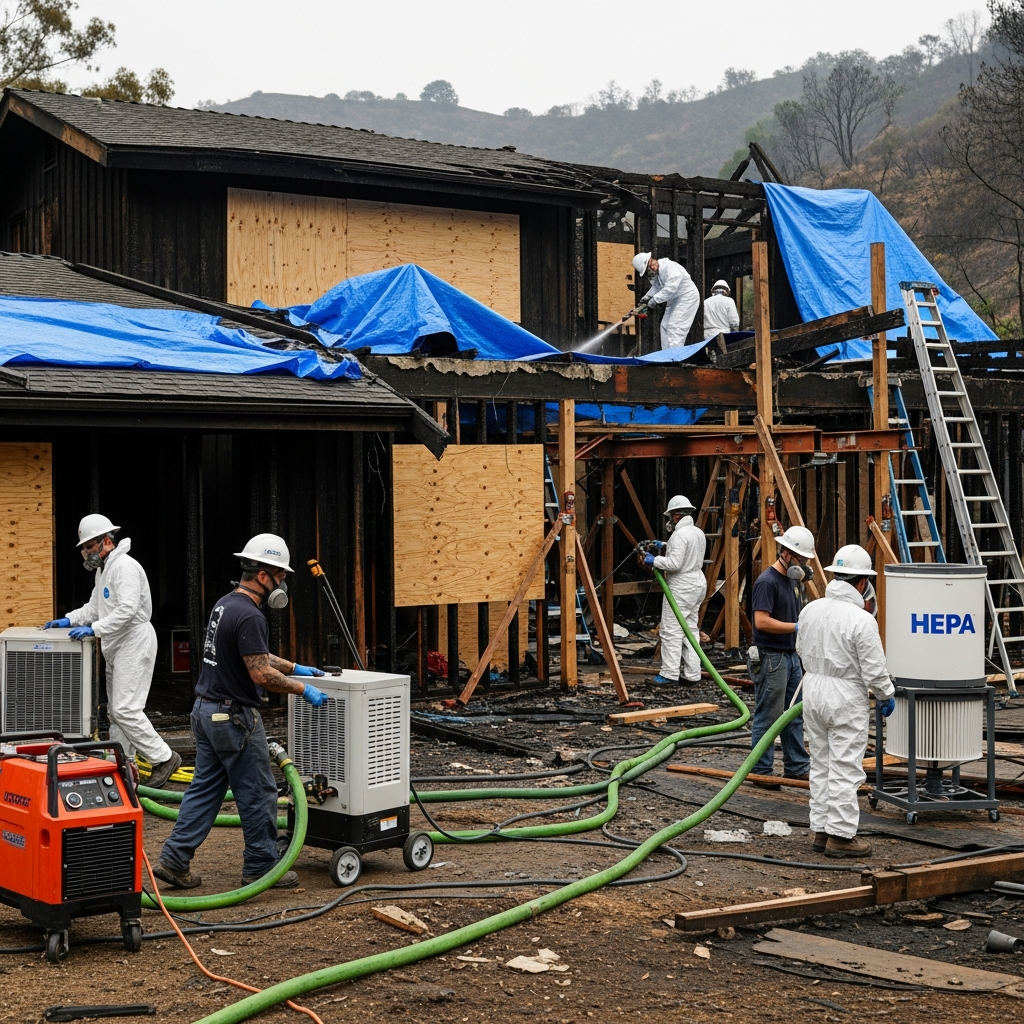
When wildfire smoke sweeps through Malibu, assessments expand to the building shell. Soffit and ridge vents, window assemblies, and door thresholds can all offer entry points for fine ash. Attic insulation may hold a surprising amount of residue, requiring carefully staged removal and replacement to prevent spreading contaminants. Exterior surfaces, including stucco, siding, and outdoor kitchens, need attention too; residues sitting on metals in salty air can accelerate corrosion.
Containment, Filtration, and Airflow Control
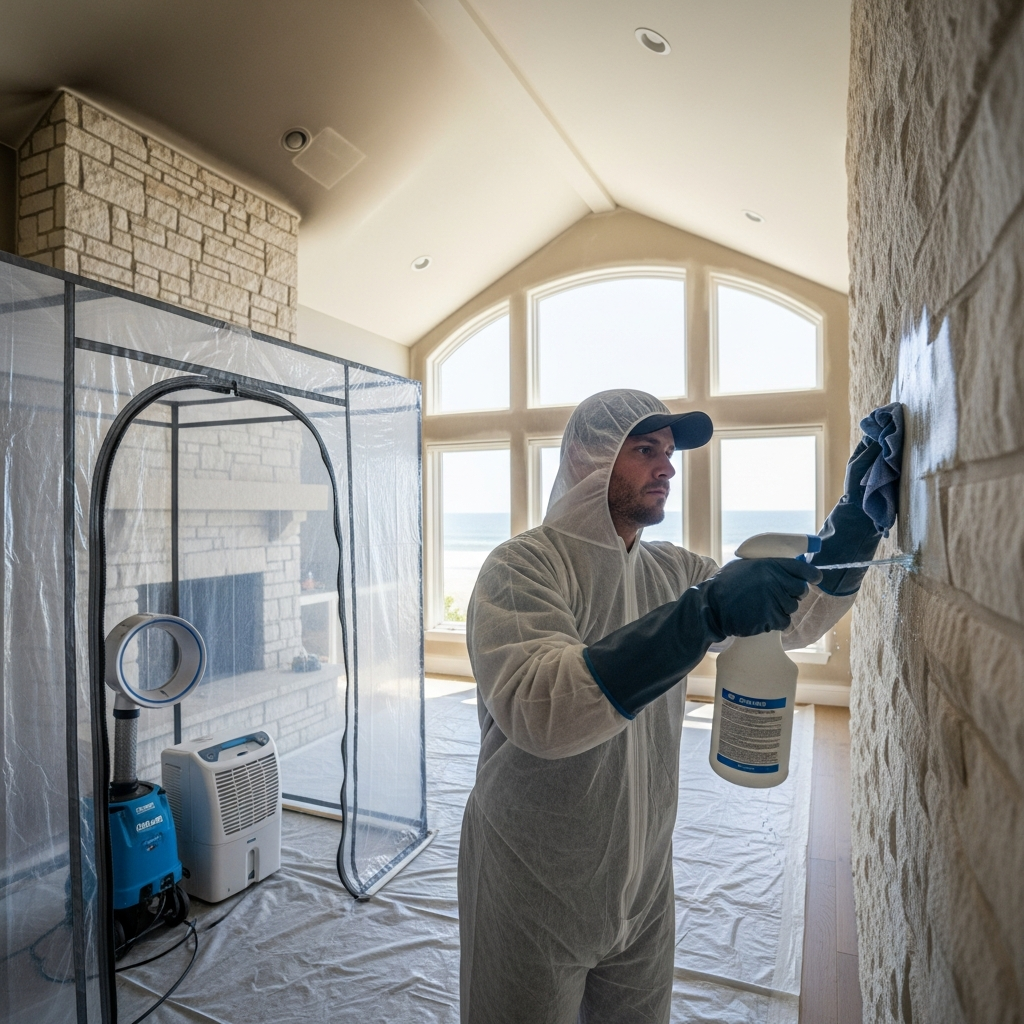
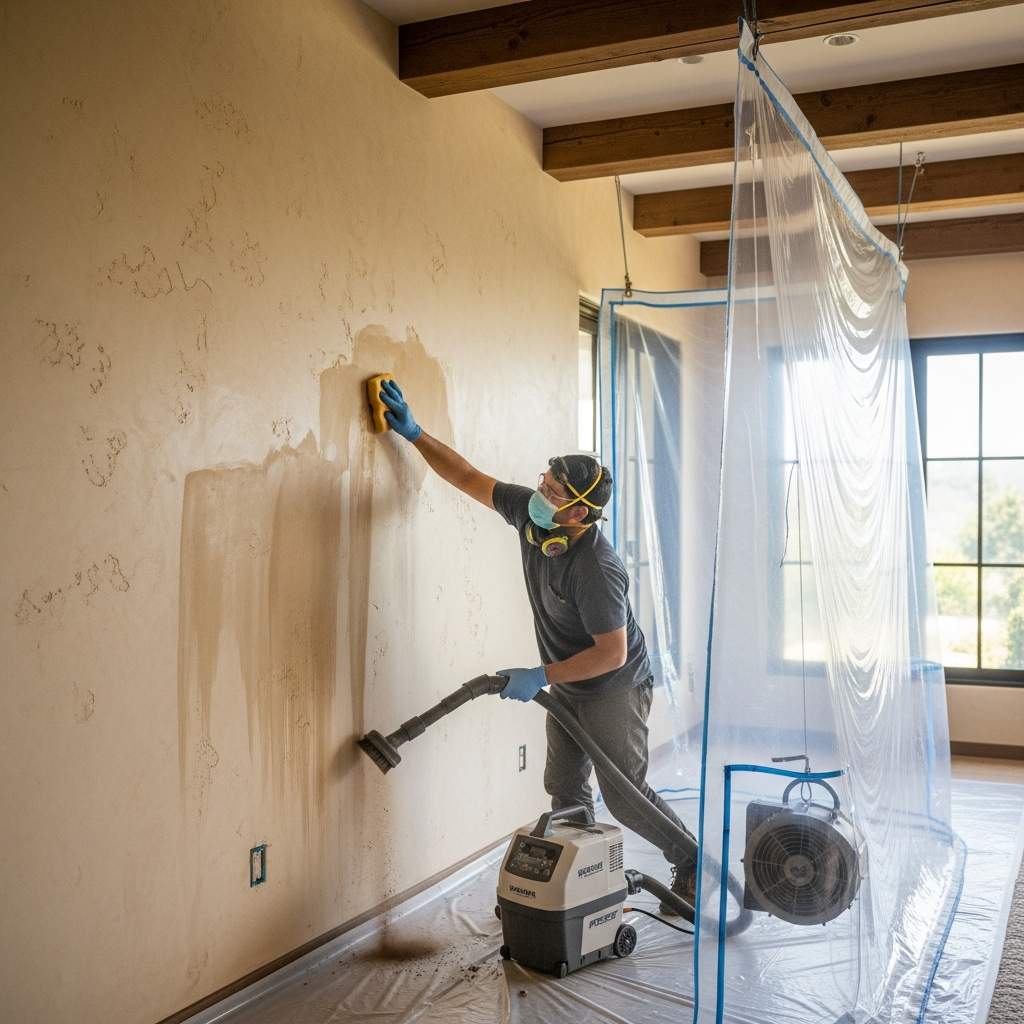
Before deep cleaning begins, containment zones are established to keep clean areas clean and dirty areas controlled. HEPA air scrubbers create negative pressure, drawing particulates away from living zones and through filtration. This strategy also manages odor migration. In Malibu homes where open plans and large window walls are common, containment must be thoughtfully designed to preserve function while maintaining airflow patterns that help, not hinder, restoration. Temporary barriers are secured to withstand coastal gusts, and equipment is staged to limit noise where families are resting or working remotely.
With airflow set, surfaces are addressed from top to bottom. Delicate vacuuming lifts loose particulates. Dry cleaning sponges can be used on flat paints and textured surfaces—gently, to avoid smearing—while wet cleaning solutions target oily residues with the right pH and surfactants. Wood beams and trim may benefit from controlled media blasting using baking soda or dry ice, which removes soot without erasing grain and character. Stone surfaces, particularly marble and limestone, may require poultices to draw out stains, followed by sealing after the substrate is fully dry.
Odor Neutralization: Going Beyond Fragrance
Masking odors is never enough. Effective smoke odor removal follows a layered approach: remove the source, clean thoroughly, then apply odor-neutralizing methods that address molecules embedded in porous materials. Thermal fogging recreates the size and behavior of smoke particles, allowing a neutralizing agent to penetrate where smoke traveled. Hydroxyl treatment, a gentler option for occupied spaces, breaks down odor-causing compounds without leaving fragrances behind. Choosing the right approach depends on the home’s materials, occupancy, and ventilation. In every case, success is measured weeks later, when humid days or cool nights do not bring smells rushing back.
Textiles require particular care. Area rugs, drapery, and upholstered furniture can absorb and later release smoke odors. Specialized cleaning combines particulate removal with deodorization tuned to each fiber type—wool, silk, linen, or synthetics. Where fabrics cannot be washed, solvent-based techniques and controlled ozone alternatives may be used off-site. The return of refreshed textiles is often the sensory turning point for homeowners; when the soft surfaces smell clean, the whole house finally does.
HVAC and Hidden Pathways
Mechanical systems spread smoke quickly and quietly. Returns pull particulates through filters and into ductwork, where residues can cling to surfaces and recirculate. Early isolation, filter upgrades, and, when warranted, internal duct cleaning or sealing keep progress from being undone. Air handlers, coils, and housings are inspected and cleaned as needed to prevent corrosion and odor rebound. In Malibu’s humid coastal environment, this step has an outsized impact on long-term results and the lifespan of mechanical components.
Attic and interstitial space cleaning often determines whether odors truly disappear. Insulation contaminated with fine ash becomes a hidden reservoir; addressing it methodically, with containment and negative pressure, prevents reintroducing debris to living areas. Once surfaces are cleaned, smoke-sealing primers can be applied to framing members where appropriate, creating a durable barrier before new insulation and finishes go in. A clean, sealed shell supports everything that follows, from paint adhesion to indoor air quality.
Protecting Finishes and Design Intent
Malibu homes frequently feature custom craftsmanship and design details that deserve preservation. Gentle cleaning protects Venetian plaster, wire-brushed oaks, lacquer cabinetry, and hand-laid stone. Where residues have penetrated deeper, controlled media blasting and targeted sealing bring materials back without losing their character. This conservation mindset extends to built-in furniture, fireplaces, and even exterior living spaces where smoke has settled on teak and stone. The best restorations are those where visitors would never guess that smoke once touched the room, yet the original materials remain.
Electronics and integrated systems represent another layer of the design story. Soot can be slightly conductive, creating pathways on circuit boards that cause intermittent faults. Early inspection and, when needed, specialized cleaning preserve reliability. Documentation of serial numbers and condition smooths any future service and ensures that, once the network is live, your home’s systems behave as they did before.
From Cleaning to Rebuilding—Without Losing Momentum
Smoke damage restoration is more than deep cleaning; it is a bridge to reconstruction. With the building decontaminated and odors neutralized, repairs unfold in a clean environment. Framing is primed where needed, drywall is hung without risk of staining, and finish materials go in with confidence. Coordinating trades to avoid recontamination is key—dust control, shoe covers, and thoughtful sequencing keep a pristine space pristine. In Malibu, where coastal weather and permitting can influence schedules, this kind of orchestration keeps projects moving steadily toward completion.
Homeowners often use this moment to improve resilience. Sealing can lights, upgrading insulation at attic penetrations, and evaluating window and door weatherstripping can reduce smoke infiltration during future regional fire events. Outdoor maintenance—clean gutters, ember-resistant venting, and mindful landscaping—supports a healthier interior when winds shift and air quality declines. Each of these choices, made during restoration, pays dividends the next time the sky turns hazy.
What Makes Malibu Service Different
Local context matters. Crews accustomed to Malibu’s mix of oceanfront, canyon, and hillside properties anticipate access challenges, wind patterns, and material selections common in the area. They communicate with neighbors on tight streets, protect surfaces in homes where every finish counts, and stage equipment where it will not block morning routines or ocean views. They also speak the language of insurance documentation without letting paperwork overshadow craftsmanship. The result is a service experience that feels human, attentive, and tailored to the way Malibu lives.
Most importantly, the work is measured not just by what you see, but by what you sense. Clean air that remains clean when the weather changes. Surfaces that feel right to the touch. Rooms that welcome you back without a hint of last season’s wildfire. That is the quiet, essential promise of well-executed smoke damage restoration.
FAQ: Fire and Smoke Damage Restoration in Malibu
Q: Why do smoke odors return on humid days?
A: Moisture can reactivate odor molecules embedded in porous materials, making smells more noticeable. True odor removal targets these sources through deep cleaning and neutralization, not masking fragrances, so humidity changes do not bring the odor back.
Q: Do I need my ducts cleaned after smoke exposure?
A: Often, yes—especially if the HVAC ran during the event or fine particulates entered through returns. Inspection determines whether filter upgrades, internal cleaning, or sealing are appropriate to prevent recontamination.
Q: Can Venetian plaster, marble, and other delicate finishes be saved?
A: In many cases, yes. Gentle methods—dry cleaning sponges, pH-specific solutions, and controlled media blasting—remove residues while protecting finishes. Spot testing guides technique to avoid etching or smearing.
Q: Is ozone safe for deodorizing contents?
A: Ozone has uses but requires strict controls and unoccupied spaces. Many projects prefer hydroxyl or solvent-based approaches that are gentler on certain materials. The right choice depends on item type and the project environment.
Q: How long does smoke restoration take?
A: Timelines vary with the extent of contamination, access, and the complexity of finishes. Good planning, containment, and coordination with trades help keep momentum without sacrificing quality.
Q: Will cleaning address corrosion risks to electronics?
A: Early stabilization and specialized cleaning can mitigate corrosion risks. Documenting condition, cleaning thoroughly, and testing under controlled power help preserve reliability over time.
Begin Your Path Back to Fresh Air
If smoke has touched your Malibu home—whether from a contained incident or a regional wildfire—start with a plan that treats air, surfaces, and hidden pathways together. From assessment to odor neutralization and careful protection of finishes, the right team will restore health and comfort to your space. Take the first step toward a cleaner, more resilient home with trusted smoke and fire damage restoration expertise, and breathe easy knowing your environment is in careful hands.