When Every Minute Matters
In Malibu, emergency fire damage restoration is defined by speed, safety, and smart sequencing. After the flames are controlled and officials give the all-clear, the first hours decide whether damage stays contained or begins to spiral. Salt air, canyon winds, and coastal humidity can accelerate corrosion on metals and electronics already stressed by acidic soot. Water from suppression can wick into subfloors and wall cavities, setting the stage for secondary damage. A prepared emergency response team recognizes these local dynamics and moves quickly to stabilize your property while laying groundwork for complete restoration.
Not all emergencies look the same. A small but smoky kitchen incident in Point Dume requires a different approach than a wind-driven wildfire exposure above Malibu Canyon. What remains constant is the need for an organized, well-equipped team with local know-how. If you are sorting options in the first hours, reach out to specialists in fire damage restoration in Malibu who can mobilize rapidly and coordinate the immediate steps that protect both your home and your health.
Stabilization: The First Wave of Action
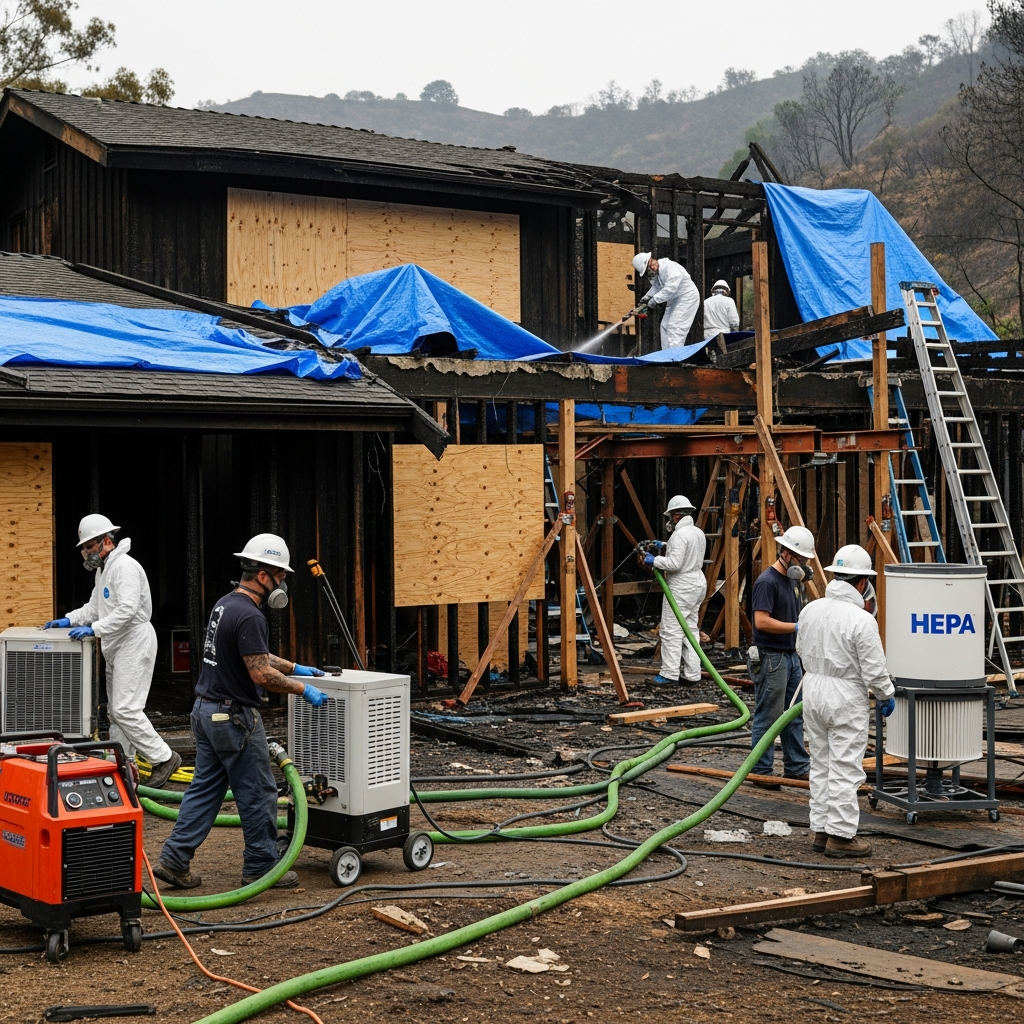
Emergency stabilization begins with safety checks—structural assessment, utility shutoffs where needed, and temporary power if circuits are compromised. Board-ups secure doors and windows, and tarps close roof openings to keep out weather and ember intrusion. If water is present, extraction starts immediately, followed by dehumidification and directed airflow to dry structural components. These measures set a clean stage for detailed cleaning and odor control later, preventing the spread of contamination and the development of secondary issues.
Containing Contamination and Protecting Air
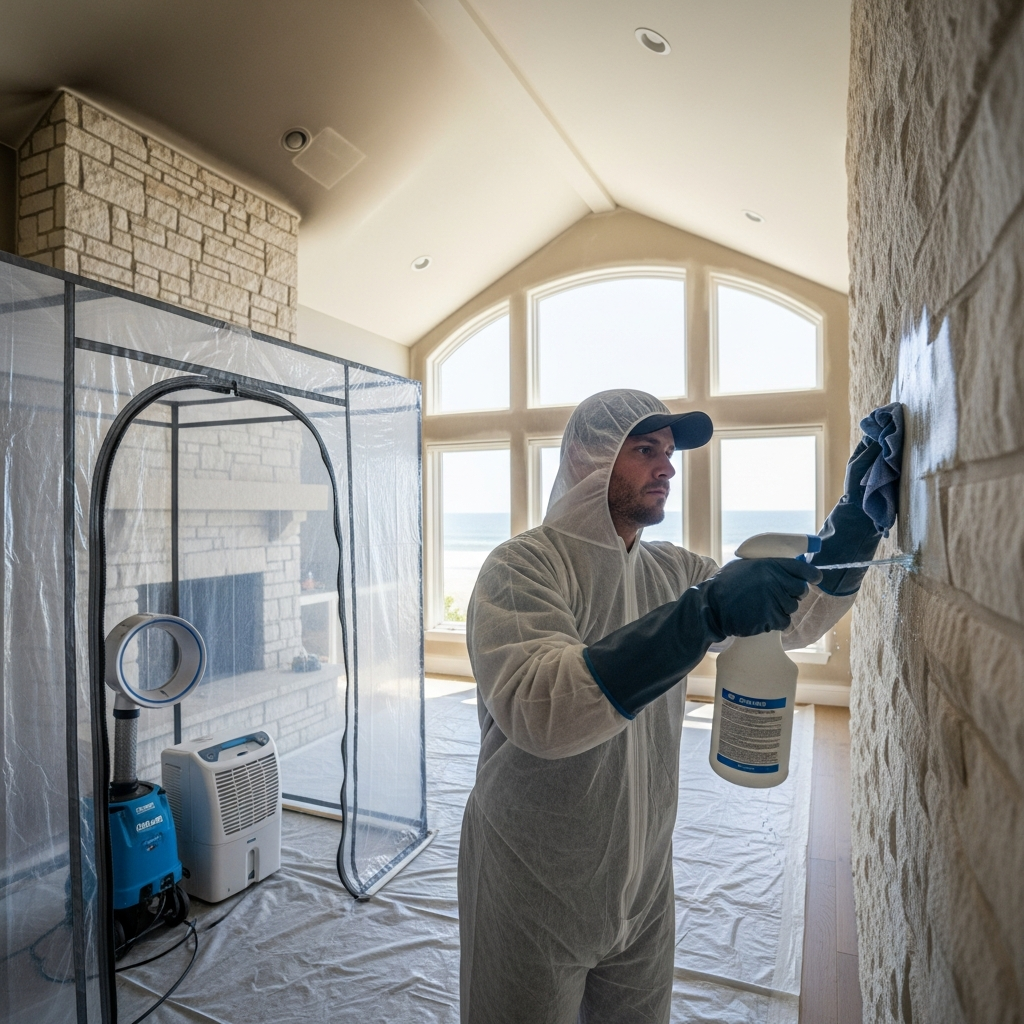
Containment is vital during emergencies. Crews install hard barriers or zipper-door poly walls to isolate affected zones and establish negative air with HEPA filtration. This prevents soot from migrating into clean areas and protects anyone who needs to access portions of the home. On multi-level properties, stairwells and HVAC returns are key containment points, as they can draw contaminated air across the structure if left open.
Electronics and Metals: Beating the Corrosion Clock
In Malibu’s marine environment, metals and electronics exposed to heat and soot can corrode quickly. Emergency teams triage sensitive items—appliances, AV systems, fixtures—and apply corrosion inhibitors, then coordinate detailed cleaning or off-site evaluation. Waiting even a few days can mean the difference between salvageable and non-salvageable, especially when overnight marine layers introduce additional moisture.
Emergency Cleanup That Respects Materials
Initial cleaning targets heavy residues that continue to off-gas and transfer. Teams use dry methods on delicate surfaces first, then progress to wet cleaning with pH-appropriate solutions. Protein soot from cooking fires demands specialized products, while dry soot from high-oxygen burns often lifts with targeted sponging and careful vacuuming. The goal is not to rush with harsh chemicals but to stabilize and prepare for methodical, full-scope cleaning.
Keeping Families Comfortable During the Crisis
Emergencies disrupt routines. When possible, teams designate safe zones for temporary living—often a lower level or an accessory space—while containment and filtration run in affected areas. Daily housekeeping of travel paths, clear communication of work windows, and respect for pets and schedules reduce stress when you are most stretched.
Documenting for Insurance from Hour One
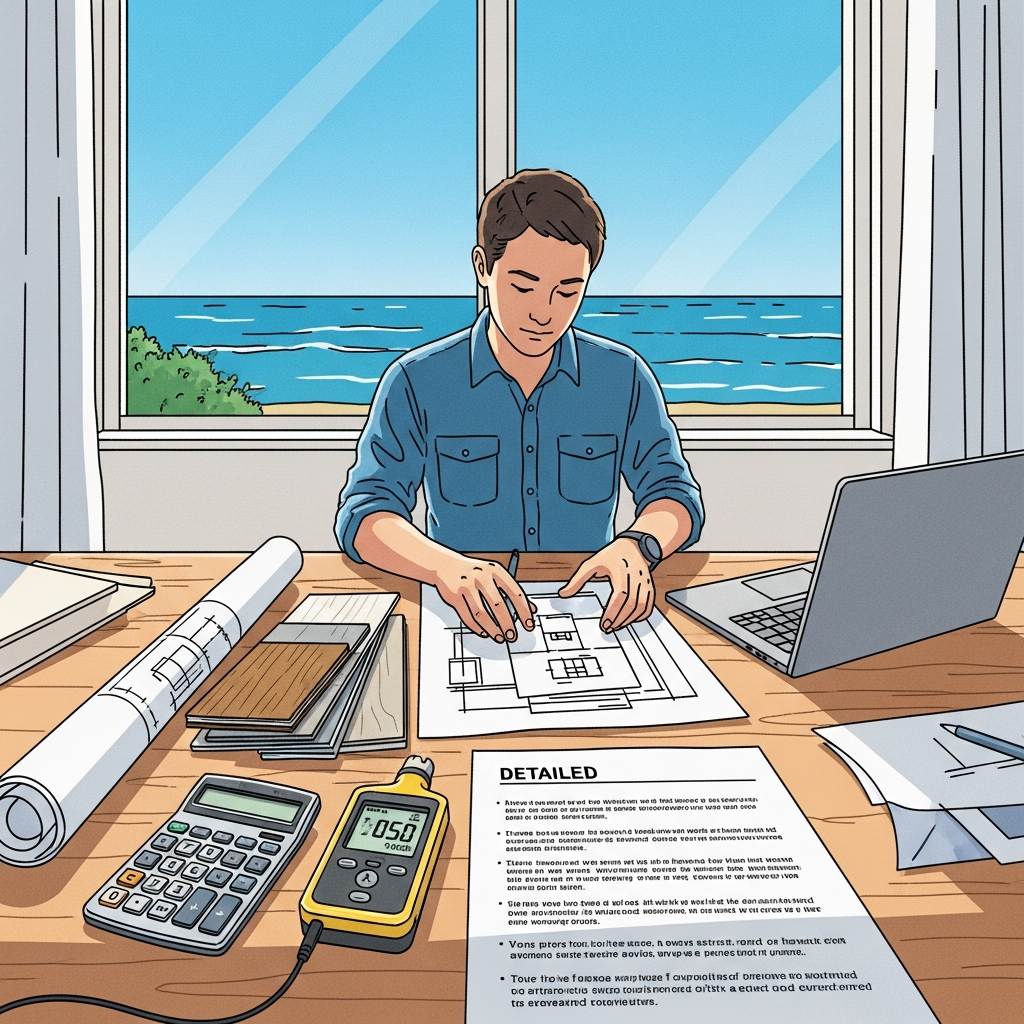
Good emergency providers document everything—photos, moisture maps, initial inventories, and a running log of actions taken. This early record supports the claim and prevents confusion later. If discoveries occur during demolition or drying, the documentation already in place makes supplements straightforward and justified.
Wildfire Exposure vs. Interior Fire: Two Different Emergencies
Wildfire smoke can infiltrate through vents, crawlspaces, and even under eaves, leaving residues where you least expect them. Interior fires generate concentrated heat and moisture that can drive soot deep into building assemblies. Emergency strategies adjust accordingly: exterior envelope sealing and comprehensive HVAC treatment after wildfire exposure; focused structural drying and targeted cavity cleaning after interior events. The right call on day one saves weeks later.
Case Snapshot: Paradise Cove Townhome
After a neighboring unit fire sent smoke through shared attic spaces, a townhome near Paradise Cove experienced heavy odor without visible charring. Emergency crews sealed off interstitial spaces, installed filtration, and mapped attic bays to locate soot trails. Strategic removal of insulation in affected runs allowed thorough cleaning and sealing. By responding immediately, the team prevented odor from binding to painted surfaces and textiles, avoiding a far longer and more invasive project.
Collaboration with First Responders and Inspectors
Emergency teams coordinate respectfully with firefighters, building officials, and utilities to avoid duplicating efforts or compromising safety. They understand local inspection rhythms and prepare the site so formal assessments proceed smoothly. This cooperation accelerates the transition from emergency measures to comprehensive restoration.
Communication in the Middle of the Storm
During the first week, information changes rapidly. A dedicated project manager becomes your single point of contact, summarizing progress and next steps each day. You will know which rooms are safe to enter, when loud work will occur, and what items are prioritized for pack-out or on-site cleaning. Even small certainties—like a daily start time—help anchor your days when everything else feels fluid.
The Midpoint: From Emergency to Steady Restoration
As stabilization completes, work transitions into detailed cleaning, selective demolition, and rebuild planning. This is when a seasoned team shines—keeping containment in place, refining deodorization, and sequencing trades so momentum never stalls. If you are reassessing options midstream, review firms known for Malibu fire damage restoration track records and confirm their plans align with the realities already discovered on site.
Health, Safety, and Respect for Your Space
Emergency work happens fast, but safety and respect never slip. Crews wear appropriate protective gear, follow hygiene protocols, and maintain walkways that neighbors and family can navigate safely. Waste handling is neat and staged away from living areas. At the end of each day, equipment is checked and noise kept to reasonable limits.
Preparing for the Rebuild Phase
Even while emergency measures unfold, the team captures measurements, finish details, and material samples to speed future matching. Where code upgrades or wildfire hardening improvements make sense, they are discussed early so choices can be integrated without delay. This proactive approach compresses the overall timeline from emergency to completion.
Frequently Asked Questions
How fast should emergency crews arrive?
Ideally within hours of clearance from authorities. The earlier stabilization begins, the more damage is prevented—particularly corrosion on metals and electronics and moisture-related issues in building materials.
Can I turn on my HVAC after a fire?
Not until a professional inspects it. Running a contaminated system can distribute soot throughout the home. Emergency teams will assess, clean, and manage filtration before recommending use.
What can I do immediately while I wait?
If safe, limit movement inside to avoid tracking soot, do not attempt to wash walls or textiles, and avoid powering electronics. Take photos, secure valuables, and wait for guidance on ventilation to prevent spreading contamination.
Is it possible to stay in the home during emergency work?
Sometimes. With containment and dedicated safe zones, families can remain in unaffected areas. Your team will advise based on damage level, air quality, and available space.
How is odor handled in the emergency phase?
The focus is on source removal and preventing spread. Basic deodorization may begin, but comprehensive treatments follow thorough cleaning to ensure long-term success.
Moving Forward with Confidence
Emergencies demand clarity and calm action. If you need immediate guidance from people who know Malibu’s climate, topography, and housing styles, connect now with professionals in fire damage restoration in Malibu and turn a chaotic moment into a controlled, steady recovery.