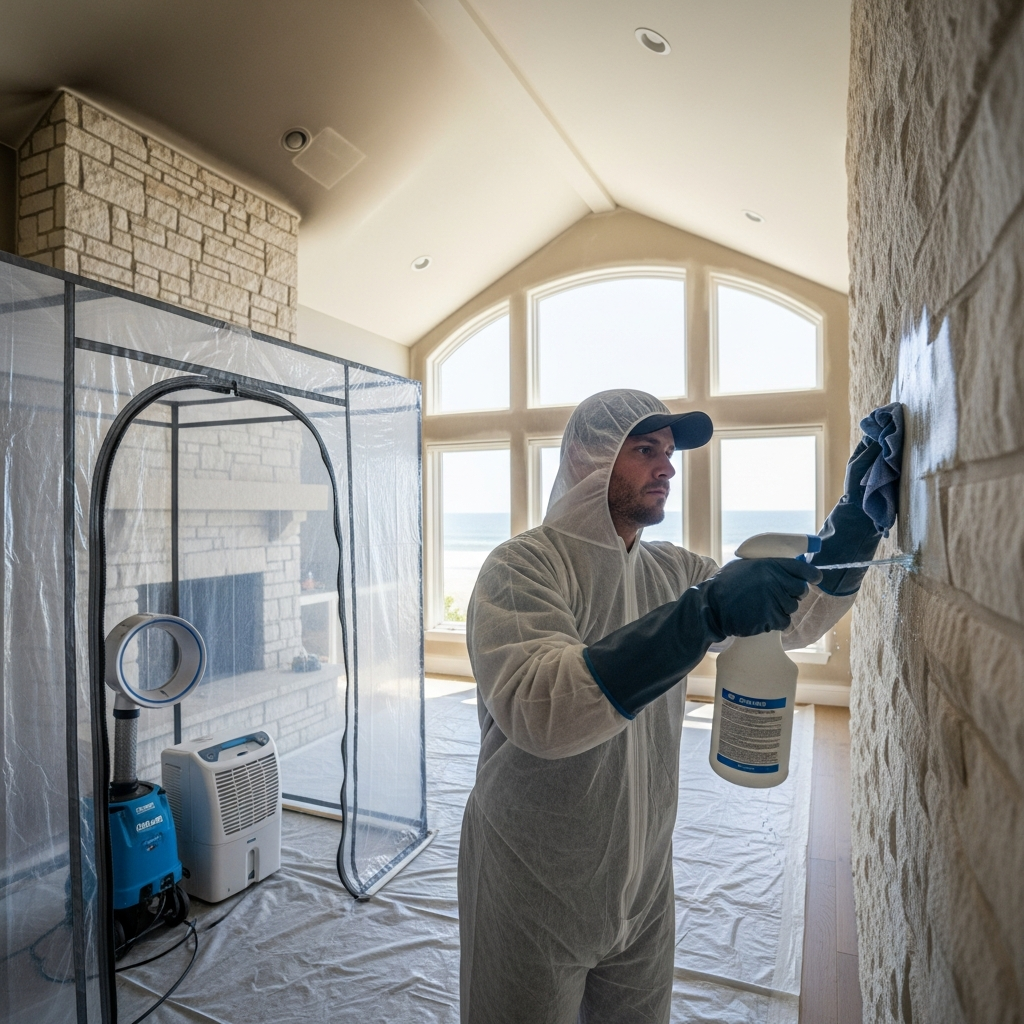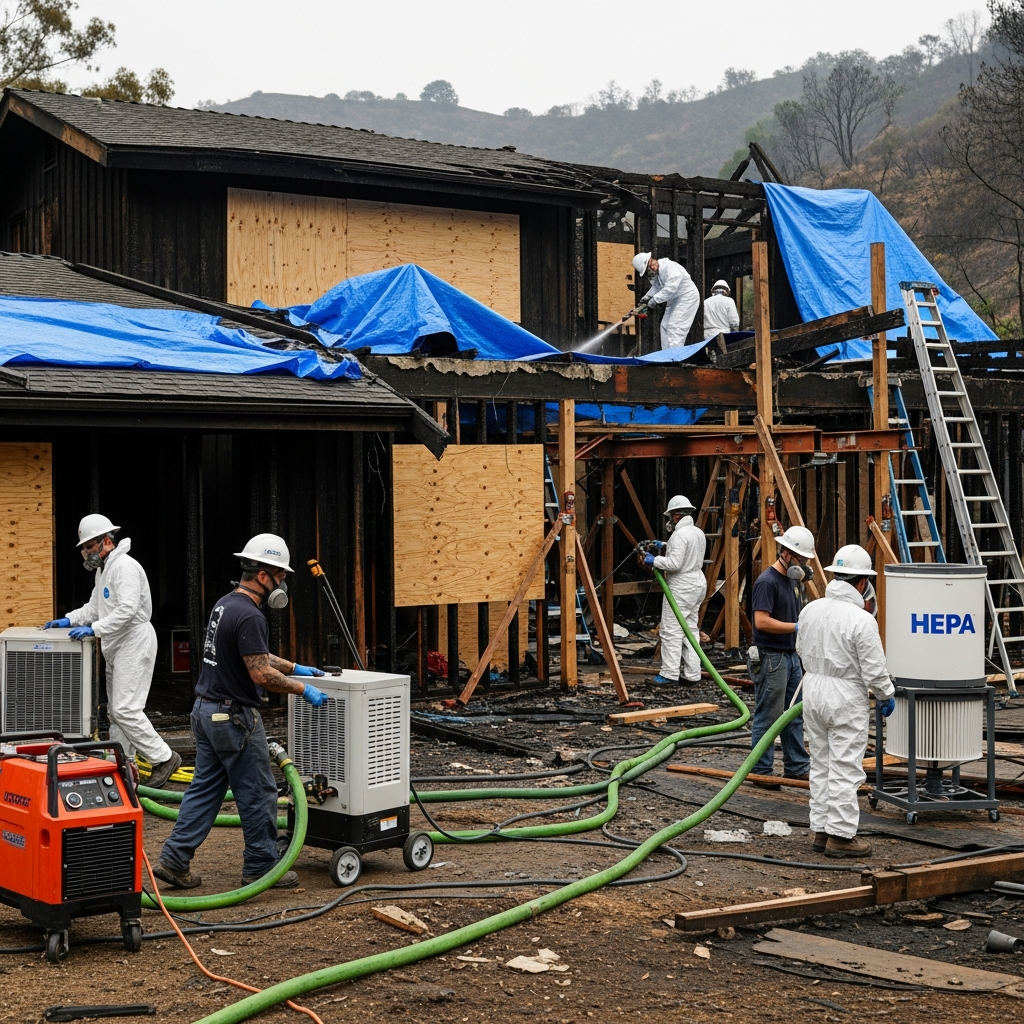
When the last air scrubber leaves and the scent of fresh paint replaces the memory of smoke, your Malibu home enters a new chapter. Restoration gets you back inside safely, but maintenance keeps your home healthy through the seasons that follow. Our coastal microclimates and hillside winds ask a lot of buildings, and the months after a fire are an ideal time to adopt habits that protect indoor air, finishes, and systems. Think of this guide as a local’s playbook for sustaining the gains achieved through professional fire damage restoration in Malibu—practical steps that help your home stay fresh, resilient, and ready for the next dry wind or foggy morning.
Start by paying attention to your nose and your instincts. If a faint odor resurfaces when the house gets warm in the afternoon sun, do not dismiss it. Odor is often an early indicator of residues in a cavity or insulation pocket that need attention. A quick check with your restoration partner can confirm whether a small follow-up treatment is wise. Malibu’s temperature swings can coax trace smells from hidden materials, so early detection is your friend. Keep a simple log on the fridge for the first few weeks noting when, where, and under what conditions you notice anything unusual.
HVAC care and indoor air quality
Your HVAC system is the lungs of your home, and it deserves priority care after restoration. Replace return filters more frequently for the first two to three months, then settle into a schedule that aligns with your system’s capabilities—often every one to three months for MERV 11–13 filters if your equipment supports them. If ducts were cleaned during restoration, schedule a follow-up inspection after the first season of heavy use to confirm that fine particulates have not migrated back in. Pay special attention to coastal corrosion on condenser coils and electrical connections, and keep vegetation trimmed to maintain airflow.
Ventilation matters on smoky days, too. When regional fires push haze along the coast, switch your system to recirculate, close windows, and run portable HEPA units in the most occupied rooms. Keep a stash of spare filters for these events; installing a fresh one after a prolonged smoke day can make a noticeable difference. Consider weather-stripping and sealing common infiltration points—attic hatches, door thresholds, and window casings—to reduce particulate entry without compromising the sea breeze you enjoy the rest of the year.
Surface care and finishes
Restored surfaces respond best to gentle cleaning. For painted walls and ceilings, use pH-neutral cleaners and soft cloths rather than abrasive pads. Harsh chemicals can react with residual sealers or primers applied during restoration. On natural wood, a slightly damp microfiber wipe followed by a dry pass keeps dust from accumulating without swelling the grain. Stone counters and floors benefit from mild, stone-safe cleaners that protect sealants. The guiding principle is simple: maintain what was carefully achieved without stripping away protective layers.
Hardware and fixtures deserve a periodic check for corrosion, which can accelerate in our salt air. Lightly wiping metal finishes with a damp cloth and drying them prevents film build-up that can attract moisture. If you spot early signs of oxidation—discoloration or roughness—address them promptly to avoid pitting. In bathrooms and kitchens, ensure good ventilation to manage humidity spikes that can support microbial growth on grout and caulk.
Watching the hidden places
Attics, crawl spaces, and behind built-ins are out of sight and easy to forget. Schedule a quick visual check each season. Look for discoloration on sheathing, damp insulation, or soot traces near vents and penetrations. Malibu’s marine layer can deposit moisture in these areas overnight, especially in spring and early summer. If you notice signs of dampness, consider a targeted dehumidifier run or improved passive ventilation. Maintaining airflow in these spaces keeps odors from developing and materials from drifting out of their restored equilibrium.
Light fixtures and high shelves also accumulate fine dust that can carry faint odors. A careful pass with a HEPA vacuum and a gentle wipe restores a crisp feel to rooms and prevents dust from re-circulating when fans run. Make this part of your quarterly routine; it is quick work with outsized benefits for air clarity.
Protecting contents and textiles
Textiles are memory sponges. Even after professional cleaning, they pick up environmental cues quickly. Rotate area rugs occasionally so sunlight and wear stay even, and air out stored textiles on dry, breezy days. Use breathable storage bags for seasonal items to prevent mustiness. For upholstered furniture, a calendar reminder for light vacuuming with a soft brush keeps dust from settling into fibers. If a piece seems to hold a faint odor in a particular room, try relocating it temporarily; sometimes airflows and sun exposure make all the difference.
Special items—artwork, instruments, or heirlooms—benefit from microclimate care. Maintain stable indoor humidity to protect wood instruments and canvases, and avoid hanging sensitive pieces on exterior walls where temperature swings are greatest. If you ever have questions about a material or finish, a quick call to your conservator or restorer is worthwhile insurance.
Water vigilance and coastal humidity
Water is a quiet adversary in any home, and especially in ours. Check under sinks, around appliances, and near exterior doors after winter storms for telltale signs of dampness. In basements or lower levels close to grade, a hygrometer can alert you to humidity spikes before they cause issues. If your home had moisture intrusion during the fire response, consider a follow-up moisture scan before the next rainy season to confirm that everything is still dry and tight.
Landscape grading and drainage also affect interior health. Clear debris from gutters and downspouts, and make sure splash blocks or drains carry water away from foundations. Where slopes meet your home, consider simple contouring or French drains to redirect runoff. Protecting the shell keeps the interior in the balanced state restoration established.
Defensible space and exterior resilience
Maintenance after restoration is not only interior-focused. The next season’s safety starts in your yard. Create and maintain zones of defensible space by trimming vegetation away from structures, cleaning gutters, and choosing low-resin, well-hydrated plants near the home. Ember-resistant vents and screened openings keep wind-driven embers from finding a foothold. Replace worn weather-stripping and repair loose flashing to block intrusion points. These measures are quiet upgrades that do not alter your home’s character but can make a decisive difference on a windy day.
Windows and doors benefit from periodic checks as well. Inspect seals, look for faint sooting along frames that might suggest small air leaks, and verify that screens are intact and tight. If you are planning upgrades, consider tempered glass in vulnerable exposures and noncombustible cladding within the first few feet of walls near decks and patios.
Electrical and mechanical systems
Even after professional inspection post-fire, keep an eye on electrical behavior in the months that follow. Flickering lights, tripping breakers, or unusual odors from outlets warrant immediate attention. Smoke residues combined with salt air can cause slow-developing issues on contacts and boards. Routine servicing of major appliances and a quick look at connections and vents can preempt headaches.
For mechanical systems, adhere to the maintenance schedule set during restoration. If you added upgraded filtration, mark replacements on a shared family calendar. If you installed portable HEPA units, clean their pre-filters regularly and replace main filters per the manufacturer’s guidance. The simplest habits often yield the greatest stability.
Mindset and routine
Perhaps the most powerful maintenance tool is a calm, consistent routine. A monthly walk-through with a short checklist—filters, fixtures, gutters, attic peek, and a sniff test in closed rooms—takes less than an hour. Note anything that seems off and address it while it is small. Malibu living is about ease, and a steady rhythm of light care preserves that ease far better than sporadic, heavy efforts.
Keep your restoration documents handy, too. Paint formulas, sealer brands, and material specs help you or your painter make touch-ups that blend seamlessly. If you embark on a remodel later, this record will guide contractors so new work respects what is already performing well.
Working with your restoration partner
Good firms remain available after turnover. Do not hesitate to ask for a seasonal check, a quick moisture scan before the rains, or advice about a stubborn odor. They know your home’s history and can spot patterns quickly. In Malibu, local experience matters; the same team that understood your drying curve and airflow during remediation can suggest practical tweaks as seasons change.
In the months after a project, as routines settle and rooms feel truly yours again, you will notice the subtle dividends of maintenance. Air stays clear, finishes hold their sheen, and mornings smell like ocean and coffee instead of anything you would rather forget. In the middle of this new normal, the wisdom of relying on expert fire damage restoration in Malibu becomes even more evident—good work begets easier upkeep.
Frequently asked questions
How often should I change HVAC filters after restoration?
Plan on more frequent changes for the first two to three months—every four to six weeks is common—then adjust to your system’s needs, typically every one to three months. If regional smoke events occur, consider a fresh filter afterward to capture accumulated particulates.
What if I notice a faint smoke smell weeks later?
Note the time of day, temperature, and location, then contact your restoration partner. Heat can coax trace residues from hidden cavities. A targeted inspection and, if needed, a small treatment can resolve it before it becomes a recurring nuisance.
Do I need another duct cleaning?
Not usually right away if it was done during restoration, but a follow-up inspection after the first heavy-use season is wise. If you see dust streaks on registers or a musty odor when the system starts, schedule a professional assessment.
How can I protect metal fixtures near the ocean?
Wipe and dry them periodically to remove salt films, and address early signs of oxidation quickly. In some cases, a protective wax or manufacturer-approved sealant can extend shine and resist corrosion. Good ventilation reduces condensation that accelerates wear.
What yard work makes the biggest difference for fire resilience?
Keep gutters clean, trim plants away from structures, remove dead vegetation, and choose low-resin, well-hydrated plantings near the home. Maintain decks and fences, and consider ember-resistant vents and screened openings to block entry points for wind-driven embers.
When should I call for help versus DIY?
DIY is fine for light cleaning and routine checks. Call for help if odors persist, if you find dampness or staining after rain, if electrical behavior is unusual, or if HVAC performance changes. Quick professional input prevents small issues from maturing into major repairs.
If you are ready to safeguard the clean slate you worked so hard to achieve, stay proactive and lean on local expertise. Reach out to trusted professionals in fire damage restoration in Malibu for seasonal checkups, quick diagnostics, and practical upgrades that keep your home clear, comfortable, and resilient year-round.