From Ashes to Renewal: How Malibu Homes Recover
Living in Malibu means balancing beauty and risk. Our ocean views and canyon breezes come with wildfire seasons and the occasional household fire that upends life in an instant. When smoke lingers and walls are marked with soot, what happens next can feel overwhelming. Fire damage cleanup and restoration is the process that carries you from that first moment of shock to the day your home feels like itself again. In Malibu, this process adapts to the terrain, the salt air, and the architectural diversity that define our neighborhoods from Broad Beach to Serra Retreat.
The first decisions you make matter. Stabilizing the property, protecting indoor air, and documenting conditions create the foundation for a smooth restoration. If you are just starting to look for help, consider contacting a local team experienced in fire damage restoration in Malibu, because local context—access roads, coastal humidity, and common building assemblies—shapes everything from cleaning chemistry to scheduling.
What Cleanup Really Means After a Fire
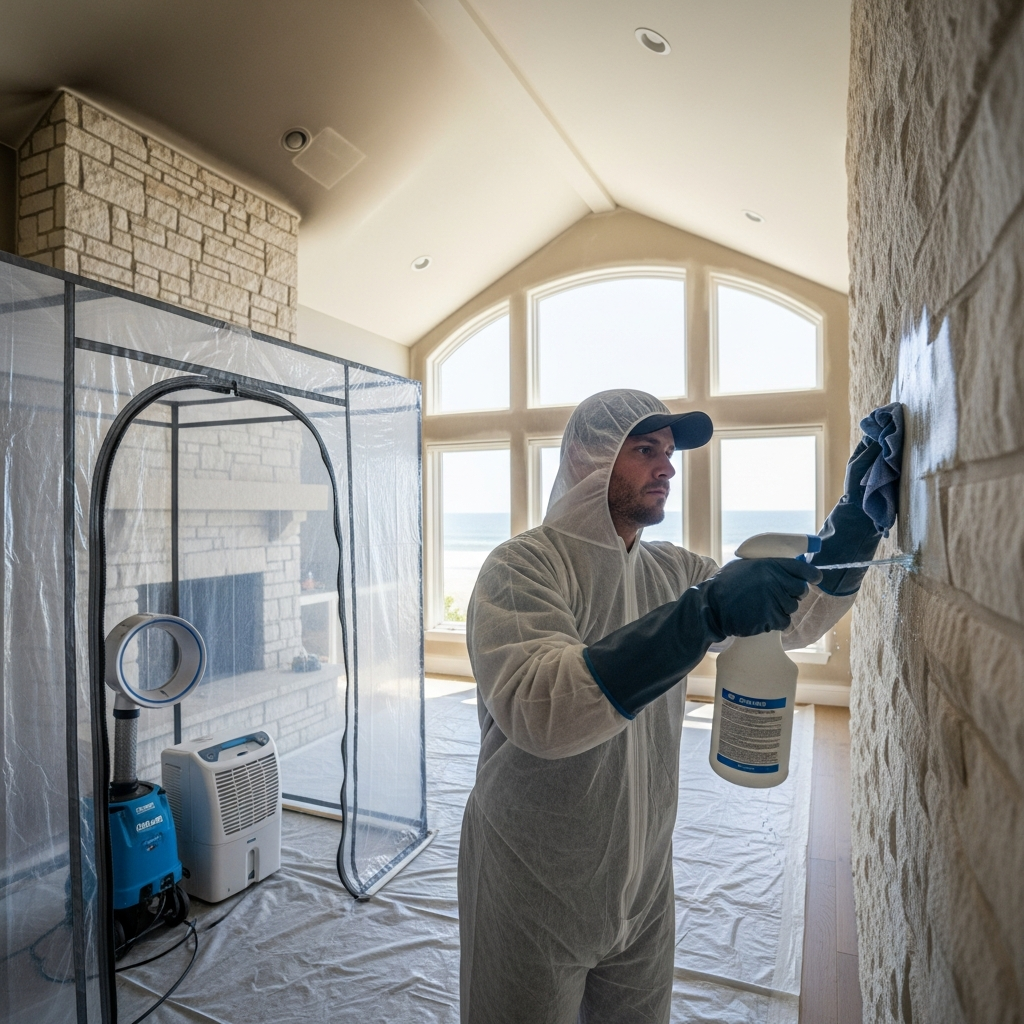
Cleanup sounds simple until you are standing in it. Soot is not just dust; it is a complex mix of carbon, acids, and, in kitchen incidents, protein residues that cling stubbornly to paint and cabinetry. Water from firefighting can soak into subfloors, wick into drywall, and hide in base cabinets. Effective cleanup starts with containment to prevent cross-contamination, then moves through carefully sequenced steps: dry sponging to lift loose soot, HEPA vacuuming to capture fine particulates, and controlled wet cleaning with pH-appropriate solutions. Each room and surface responds differently, which is why testing and patience are crucial.
Stabilization: The First Day’s Priorities
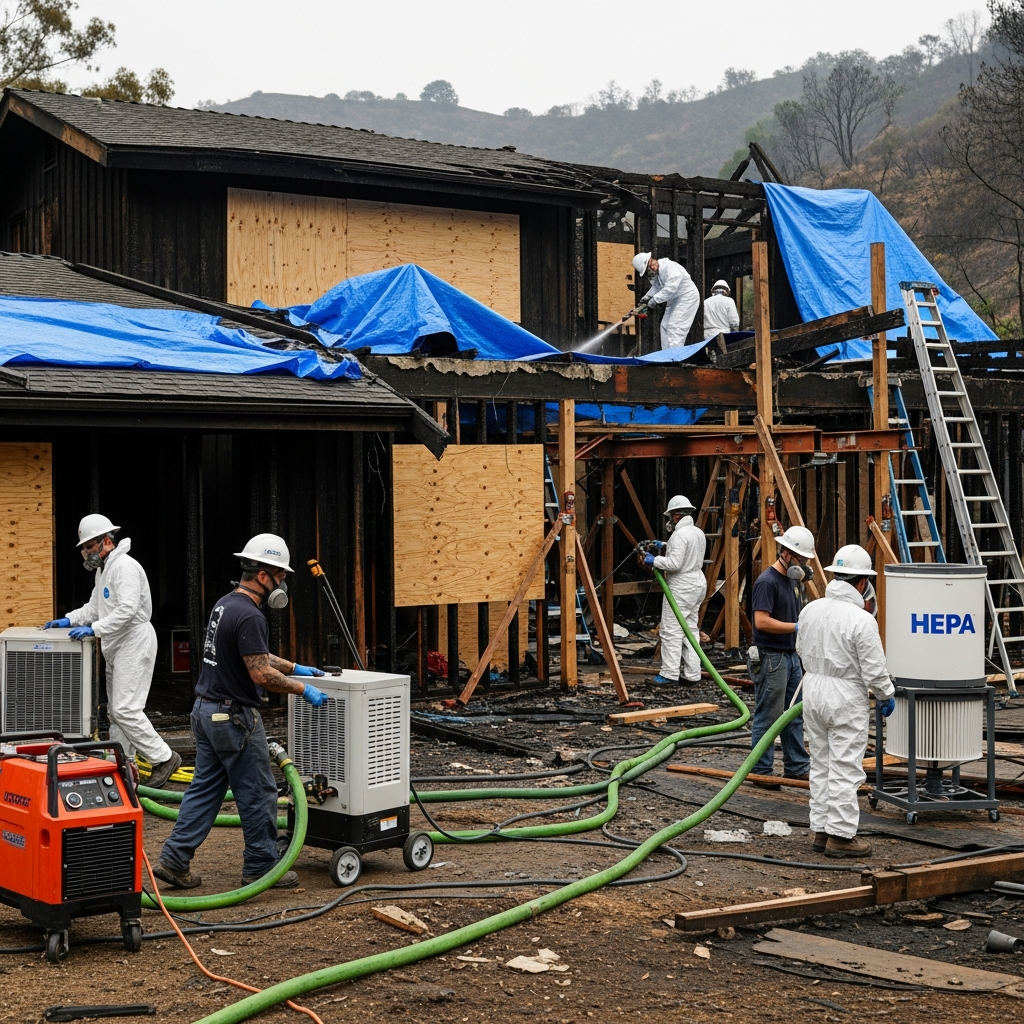
After officials clear the site, a restoration team will secure openings with board-ups, tarp roof penetrations, and evaluate utilities for safety. If water is present, extraction and structural drying begin immediately. Air scrubbers with HEPA filtration run to capture airborne particulates while containment zones isolate affected areas. This early structure turns chaos into a plan and preserves what can be saved.
Inside Malibu Homes: Materials That Need Special Care
Many Malibu homes feature materials that reward a careful touch—oiled or waxed wood, Venetian plaster, limestone hearths, hand-painted tile. Each reacts differently to soot and moisture. Oily residues on finished woods often require solvent-compatible detergents to avoid pushing contamination into the grain. Delicate plasters benefit from gentle alkaline washes and sealing protocols that preserve their depth and sheen. Skilled teams know when to clean, when to encapsulate, and when to replace so beauty and integrity endure.
Deodorization Done Right
Real odor control is built on source removal. Once residues are physically lifted and cavities addressed, professionals may employ thermal fogging or hydroxyl generators to neutralize stubborn molecules. HVAC systems receive special attention: returns, supply runs, and mechanical closets must be cleaned and sealed before the system is brought back into service. Replacing filters more than once during the project ensures particulates do not reintroduce odor.
Protecting What You Own: Contents Care
Contents—furniture, textiles, artwork, instruments—are part of your home’s soul. Restoration teams will inventory, photograph, and triage items by urgency and sensitivity. Electronics exposed to soot and humidity are treated with corrosion inhibitors early. Textiles may be processed on-site or sent to specialty cleaners depending on contamination levels. For high-value items, conservators and electronics technicians are brought in to ensure safe, precise treatment.
Cleaning Without Over-Demolition
It is tempting to tear out everything that looks smoky, but thoughtful restoration saves time and preserves value. Test cleaning determines what can be restored in place. When removal is necessary—insulation with soot infiltration, drywall beyond cleaning—crews perform selective demolition that avoids harming adjacent finishes. This surgical approach keeps your project efficient and protects the character of the home.
Working Around Daily Life
Many families prefer to remain in part of the home during restoration. With containment, air filtration, and clear pathways, this can often be done safely. Project managers sequence loud tasks, provide daily updates, and coordinate quiet windows so work and family routines coexist. Respect for pets, parking, and neighbors is part of the craft—it keeps the project disciplined and your stress lower.
Insurance and Documentation Without the Headache
Restoration teams document thoroughly from day one: photos, moisture readings, scope notes, and contents lists. This record keeps your claim straightforward and supports supplements when hidden issues are uncovered—soot in soffits, moisture in toe-kicks, or wiring affected by heat. Transparent communication with adjusters ensures approvals match the realities on site.
Lessons from a Topanga Canyon Home
After a fireplace flare-up sent smoke through an open-plan home, the visible damage appeared light. A seasoned crew identified oily residues on the underside of shelves and a faint film inside closet headers. They isolated levels, cleaned with a tailored sequence of dry and wet methods, treated the HVAC, and applied corrosion inhibitors to fixtures. The homeowners remained in a garden studio during work, and a final verification confirmed clean air and neutral odor. The space returned to normal without replacing beloved finishes.
Preparing for Rebuild Where Needed
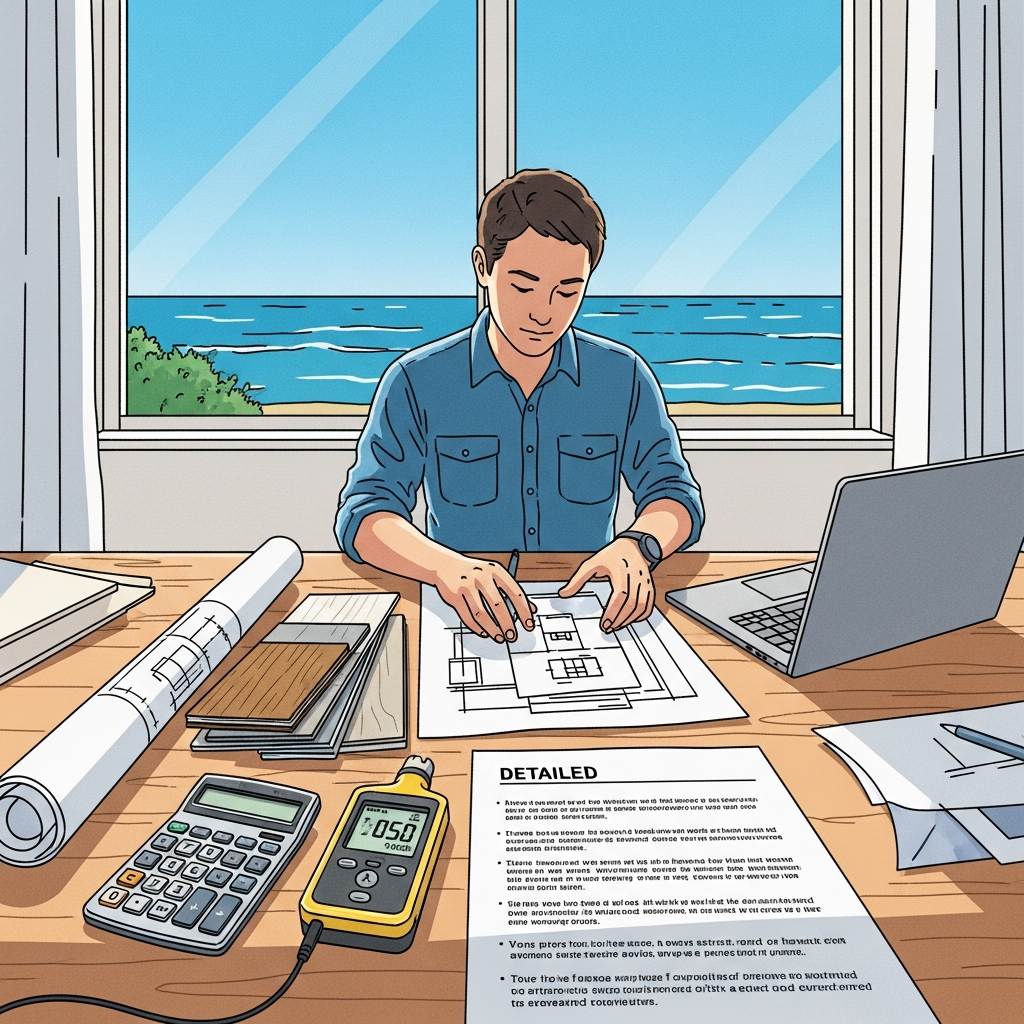
When structural components or finishes cannot be saved, planning the rebuild begins even as cleanup continues. Measurements, finish schedules, and samples are gathered to ensure matching. If you choose to integrate wildfire hardening measures—ember-resistant vents, improved eave details, or ignition-resistant trim—your team can weave these into the plan without altering the home’s spirit.
Mid-Project Milestones You Should Expect
Clear milestones include completion of stabilization, contents triage, primary cleaning, cavity treatment, HVAC service, and deodorization verification. At each point, your team should walk you through progress, explain discoveries, and outline the next steps. This cadence keeps momentum steady and provides reassurance that quality is guiding pace.
Health First: Indoor Air Quality and Safety
HEPA filtration, negative air containment, and PPE are non-negotiables. If you remain on site, air scrubbers protect living zones, and pathways are cleaned daily. Crews label areas that are safe to enter and those that are off-limits until cleaning or drying reaches targets. Your comfort and safety drive decisions about phasing and occupancy.
Closing the Loop: Final Cleaning and Verification
As restoration nears completion, final cleaning removes any residual dust, and filters are changed again. Painters and finish carpenters repair minor blemishes. Odor checks confirm neutrality rather than cover scents. A final walkthrough ensures surfaces feel clean, hardware operates smoothly, and mechanical systems are ready for daily life.
Frequently Asked Questions
What should I do in the first 24 hours after a fire?
Once authorities grant access, prioritize safety and stabilization: avoid powering electronics, limit movement to keep soot from embedding, and wait for guidance before ventilating. Document rooms with photos and note items of concern for your restorer.
Can my family stay in the home during cleanup?
Often, yes. With containment and HEPA filtration, families can occupy unaffected zones. Your project manager will advise based on the extent of damage and available space and will schedule work to reduce disruption.
How long will cleanup and restoration take?
Timelines depend on the extent of damage, material availability, and permitting for any structural repairs. Expect a phased plan with regular updates so you can coordinate daily life with the work.
Will the smoke smell ever truly go away?
When source residues are removed and cavities treated, yes. Proper cleaning, HVAC service, and targeted deodorization result in neutral, healthy indoor air rather than masked scent.
What happens to my belongings during the process?
Items are photographed, inventoried, and either cleaned on-site or transported to a secure contents facility. High-value or sensitive pieces are routed to specialists, and chain-of-custody documentation ensures accountability.
Taking the Next Step
Restoration is a journey, but with the right team it becomes a steady, confident one. If you are ready to talk through a plan tailored to your home, reach out to professionals focused on fire damage restoration in Malibu. Let a committed local crew guide you from cleanup to renewal so your home feels whole again.