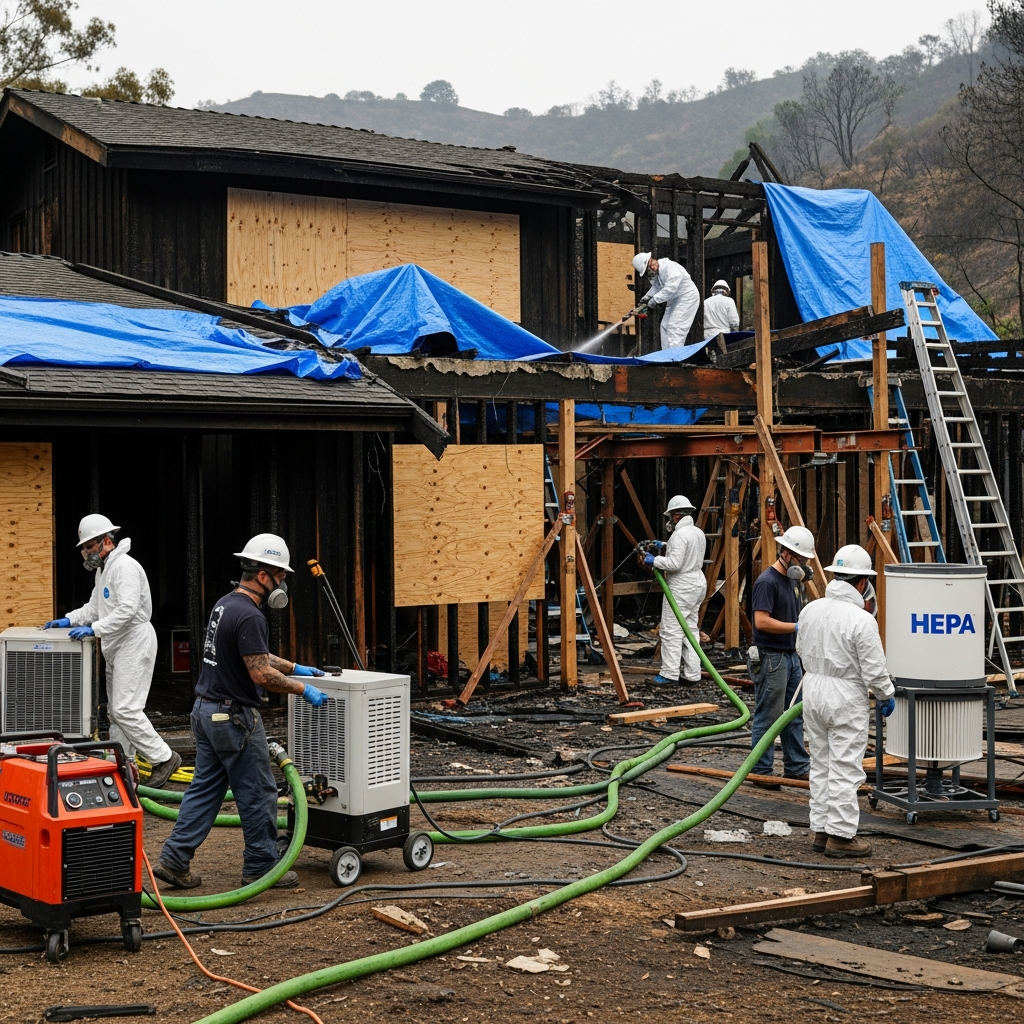
Living in Malibu means waking up to ocean light, breeze-swept hillsides, and a climate that can feel gentle one day and rugged the next. Between winter Pacific storms, seasonal Santa Ana winds, morning marine layer, and salt-laden air, the environment keeps homeowners on their toes—especially when it comes to moisture. I have seen how quickly a small leak behind a wall or a wind-driven rain event under roof tiles can blossom into a much bigger problem, and that is exactly where water damage restoration in Malibu offers far-reaching benefits. When handled thoughtfully and promptly, restoration is not just about drying a wet room; it is about safeguarding the home’s structure, the air you breathe, and the calm that comes from knowing your sanctuary by the sea is sound.
In Malibu, homes stretch from beachfront bungalows tucked behind dunes to hillside properties terraced into canyons. Each setting has unique vulnerabilities. On the beach, tides and heavy surf can kick up wind-driven rainfall, and salt air accelerates corrosion in plumbing and fasteners. On the slopes, runoff channels can overwhelm drainage during a downpour, pushing water across decks, into crawl spaces, and sometimes through weep screeds in stucco. Wherever you live on the coast, moisture intrusion rarely announces itself with drama. More often, it whispers—an earthy smell after a foggy week, cupping along the edge of a wood plank floor, or faint discoloration on a ceiling below a deck. A well-executed restoration plan transforms that whisper into a clear signal: find the source, stop the intrusion, remove the moisture, verify dryness, and protect from recurrence.
Why restoration delivers more than simple drying
The biggest misconception I run into is that setting out a few fans and opening windows will do the job. In coastal environments like Malibu, ambient humidity often sits high, and marine layer mornings slow down evaporation. Professional drying uses controlled air movement, targeted heat, and dehumidification to drive moisture out of assemblies, not just surfaces. That distinction matters. Drywall, baseboards, underlayment, insulation, subfloors, and framing members each hold and release water at different rates. By measuring moisture content and comparing it against local dry standards, a qualified team ensures water is not trapped where you cannot see it. This deeper, data-backed approach prevents secondary damage—warped flooring, delaminated veneers, swollen jambs—and reduces the chance of microbial growth.
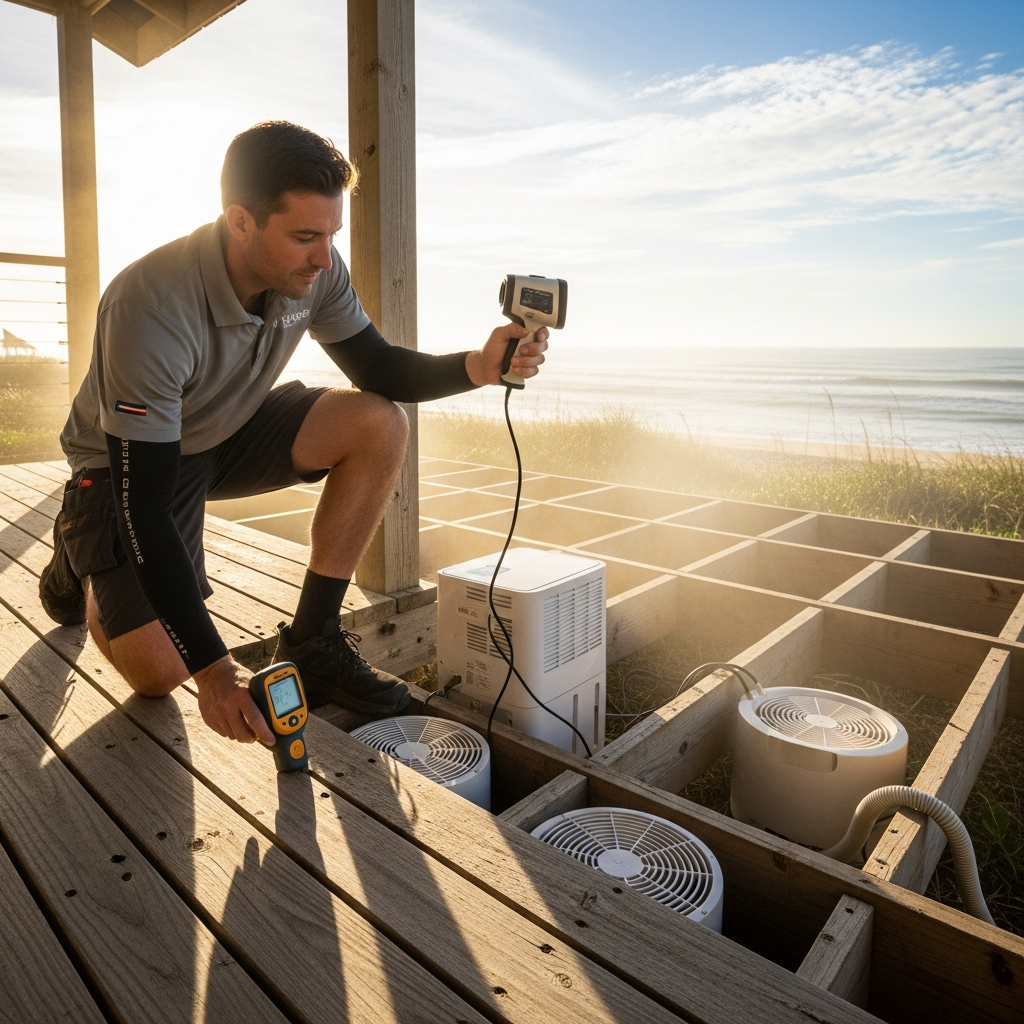
The benefits compound once you consider how homes are built here. Spanish tile and metal roofs can allow wind-driven rain to track under flashing if a tile shifts. Decks over living space are common, and the membranes beneath them must be carefully inspected after a heavy storm. Stucco claddings can conceal wet sheathing for weeks without obvious surface indicators. Restoration that includes thermal imaging, non-invasive meters, strategic test cuts, and follow-up readings is not overkill; it is precision. The long-term benefit is not only a dry home today but also a record of moisture readings that helps you and your insurer understand what was affected and when it returned to a healthy baseline.
Safeguarding your indoor air and health
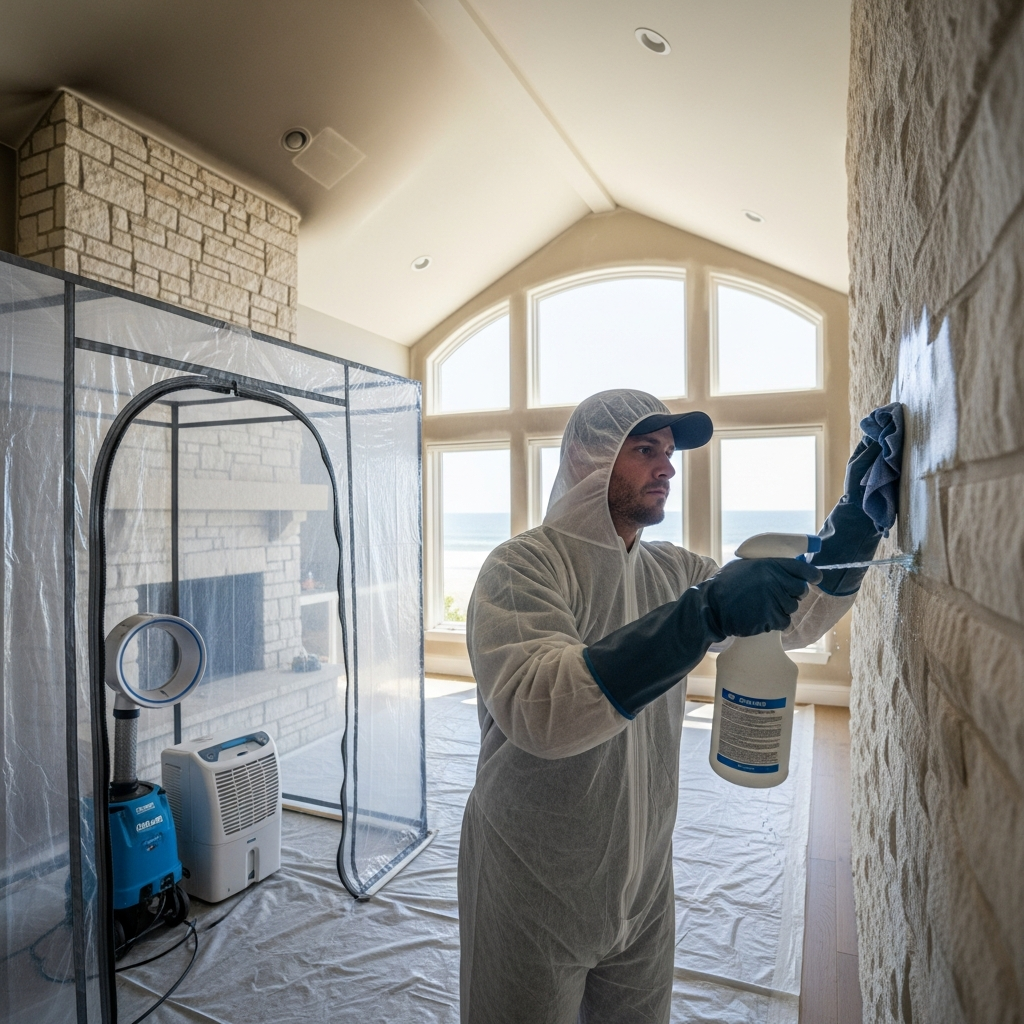
Malibu residents prize open windows and fresh ocean breezes, but the same air that carries hints of salt and sagebrush can also carry spores when a leak lingers. One of the clearest benefits of competent water damage restoration is improving indoor air quality. By removing wet materials when necessary, cleaning and treating surfaces that were wet, and balancing the drying environment, professionals minimize conditions that allow mold to colonize. This is not about panic; it is about stewardship. Timely action keeps minor water events from becoming indoor air issues. Families with sensitive lungs, children, or older relatives feel the difference when the home air returns to normal humidity and cleanliness. And when repairs blend with prevention—better ventilation in a bathroom that steamed and dripped, a sash that now seals properly against sea fog—you feel the home breathe easier.
Protecting structural integrity in a coastal climate
Malibu architecture spans from midcentury post-and-beam to new construction with engineered lumber and high-performance glazing. Water is an equal-opportunity disrupter. If a supply line weeps behind a vanity or a deck membrane fails at a scupper, the water that trickles today can wedge itself into framing, subfloors, and beam pockets. Over time, repeated wetting and drying cycles can loosen fasteners and degrade wood fibers. The benefit of comprehensive restoration is that it does not just dry; it maps and monitors. When moisture readings confirm that framing is back to target, when a vapor barrier is checked and re-sealed, when a deck penetration is re-flashed, you are not guessing at integrity—you are documenting it. That documentation becomes invaluable if you choose to sell or refinance; it tells the story of proactive care rather than deferred maintenance.
One of the quieter advantages is how restoration dovetails with other building systems. Consider a forced-air furnace closet on a slab where condensation pooled unnoticed. Drying the area, sealing minor slab cracks, insulating supply lines, and ensuring proper condensate drainage help the HVAC run more efficiently and stave off rust. Likewise, in a crawl space, strategic vapor control and improved grading outside can reduce the chance that a future El Niño sends water under the house. This holistic mindset—fix, dry, verify, and improve—translates to durability. In Malibu, where the backdrop is salt and sun, that is a long-term gift to your home.
Preserving finishes, furnishings, and memories
While we focus on structure, finishes and belongings matter too. Malibu homes often feature handcrafted cabinetry, custom millwork, and wide-plank floors that tell their own stories. Rapid, informed restoration helps spare those elements. Floor cupping can sometimes be reversed when moisture is removed in time. Built-in shelving that shows faint swelling at its base might be preserved with gentle drying, sanding, and finish touch-ups instead of full replacement. Rugs, upholstery, and art can be stabilized with appropriate handling and off-site drying when needed. One of the unexpected benefits clients appreciate is the organization that comes with pack-out and careful documentation—photographs, labeled boxes, and inventory lists that make moving back in smoother than you imagined during the stress of a leak.
Insurance coordination is another place where restoration pays dividends. When documentation is clear—moisture maps, photos before and after, equipment logs, and drying reports—communication with adjusters is streamlined. You spend less time explaining and more time watching your home get back to itself. In many cases, a thorough plan that prioritizes salvage over demolition can shorten disruption and keep your routines intact, whether that means maintaining access to a kitchen or keeping a child’s bedroom safe and comfortable during the process.
The value of local knowledge and responsive timing
Timing is everything. In our coastal microclimate, mornings may be damp, afternoons warm, nights cool again. Dehumidification settings, air mover placement, and even the decision to create negative or positive pressure zones hinge on these rhythms. Local restoration pros know how humidity spikes when the marine layer hangs in the canyons and how quickly winds can dry the same space hours later. They also know the quirks of Malibu construction—where rooflines meet clerestory windows, how deck drains bury into stucco, and why a tiny stain might actually trace back to a valley flashing ten feet upslope. Leaning on that experience is a direct benefit that shortcuts guesswork and gets results.
About halfway through most projects, homeowners tell me they have crossed from anxiety to relief. They see dry logs improving, they notice that musty hint in a hallway vanish, and they begin thinking beyond the emergency. That moment is exactly when strategic decisions pay off—choosing updated materials where it makes sense, improving drainage along a side yard, or adding a leak sensor under a new fridge line. It is also a good time to confirm you are following best practices with proven experts in professional water damage restoration, ensuring the momentum continues until every reading and repair aligns.
Future-proofing against the next storm or surprise
Restoration gives you a map of your home’s vulnerabilities. Use it. If a leak tracked along a beam because of a nail hole in flashing, sealant and proper flashing detail become a priority in that zone. If water entered a garage under a door, a subtle threshold change or drainage channel might be the fix. If a washing machine overflow revealed a low spot in the laundry room, a floor-leveling repair with a small curb at the entry can be nearly invisible but protective. Malibu homes evolve with the landscape; smart restoration turns a one-time incident into a durable upgrade. It also encourages simple, consistent habits—checking downspouts before storms, confirming deck drains are clear, and paying attention to that “something smells damp” sense that homeowners develop after one close call.
Sustainability matters here too. Modern drying methods can reduce demolition by carefully removing moisture from assemblies that remain structurally sound. Fewer materials replaced means less waste, less trucking, and less time waiting for custom finishes. When demolition is necessary, selective removal preserves what is healthy and allows reintegration to be seamless. You are not just saving dollars—you are respecting the materials that make your home unique and the environment we all share along this coast.
Peace of mind you can feel
After the last dehumidifier rolls out and a final moisture check reads normal, there is a palpable change in a home. The air smells clean, the floors feel level underfoot, doors swing without drag, and you sleep differently because you trust the space again. That peace of mind is an underrated benefit. It is the confidence to host friends on a deck that just weathered a storm without a stain appearing on the ceiling below, the comfort of knowing your child’s room is dry behind the walls, the simple relief of hearing rain on the roof as a soundtrack rather than a warning bell.
FAQ: Water damage restoration benefits in Malibu
Q: What is the biggest long-term benefit of professional restoration in Malibu? A: Preserving structural integrity while preventing hidden moisture from sparking indoor air problems. The documentation and moisture verification are equally valuable, especially in coastal construction where assemblies can hold water out of sight.
Q: Can I just use fans and space heaters to dry a small leak? A: It is tempting, but Malibu’s humidity and the way materials trap water mean you could dry the surface and leave moisture inside walls or subfloors. Targeted dehumidification and monitored drying are the safest ways to confirm everything is truly dry.
Q: How fast should I act after discovering water damage? A: Immediately. Stopping the source and beginning extraction within hours limits swelling, staining, and mold risk. Quick action sets the tone for a shorter, smoother restoration.
Q: Will restoration disrupt daily life? A: It can be managed thoughtfully. With containment, quiet hours, and strategic planning, many families continue living at home through restoration, keeping key rooms usable while work progresses.
Q: Does salt air change how restoration is handled? A: Yes. Salt accelerates corrosion on fasteners and plumbing. Part of the assessment is checking for early rust or compromised connections so repairs address the full picture, not just the visible water.
Q: How do I know when it is safe to rebuild finishes? A: When moisture readings of affected materials consistently hit local dry standards. Professionals verify this with calibrated meters and provide logs so you can rebuild with confidence.
If you are ready to protect the comfort and value of your Malibu home, reach out to a trusted local team for water damage restoration today. From first assessment to final verification, a thoughtful plan turns an unexpected leak into an opportunity to strengthen your home for the seasons ahead along our stunning coast.