Calabasas Strength Serving Malibu Homes
Across the Santa Monica Mountains, our communities are closely woven. Families commute between Malibu and Calabasas for school, work, and weekend games, and when a fire event strikes on the coast, help often comes from over the ridge. Calabasas-based cleanup teams have long supported Malibu properties with a blend of speed, skill, and local familiarity. That partnership is more than convenience; it reflects how restoration succeeds here—by combining inland logistics with coastal know-how. When smoke lingers in a Carbon Beach condo or embers scar decking in a Point Dume bungalow, calling on a Calabasas crew experienced in fire damage restoration can set recovery on the right track from the very first hour.
What makes this cross-community approach effective is simple: proximity paired with perspective. Calabasas sits close enough to reach Malibu neighborhoods quickly, even when PCH slows, and it offers staging spaces for equipment and supplies that are hard to secure along the coast during major events. Meanwhile, years of working oceanfront and canyon homes build an instinct for how smoke travels in open plans, how marine air influences drying, and how to sequence work around coastal weather. You get the best of both worlds—swift mobilization and seasoned coastal technique.
First Response, Seamless Logistics
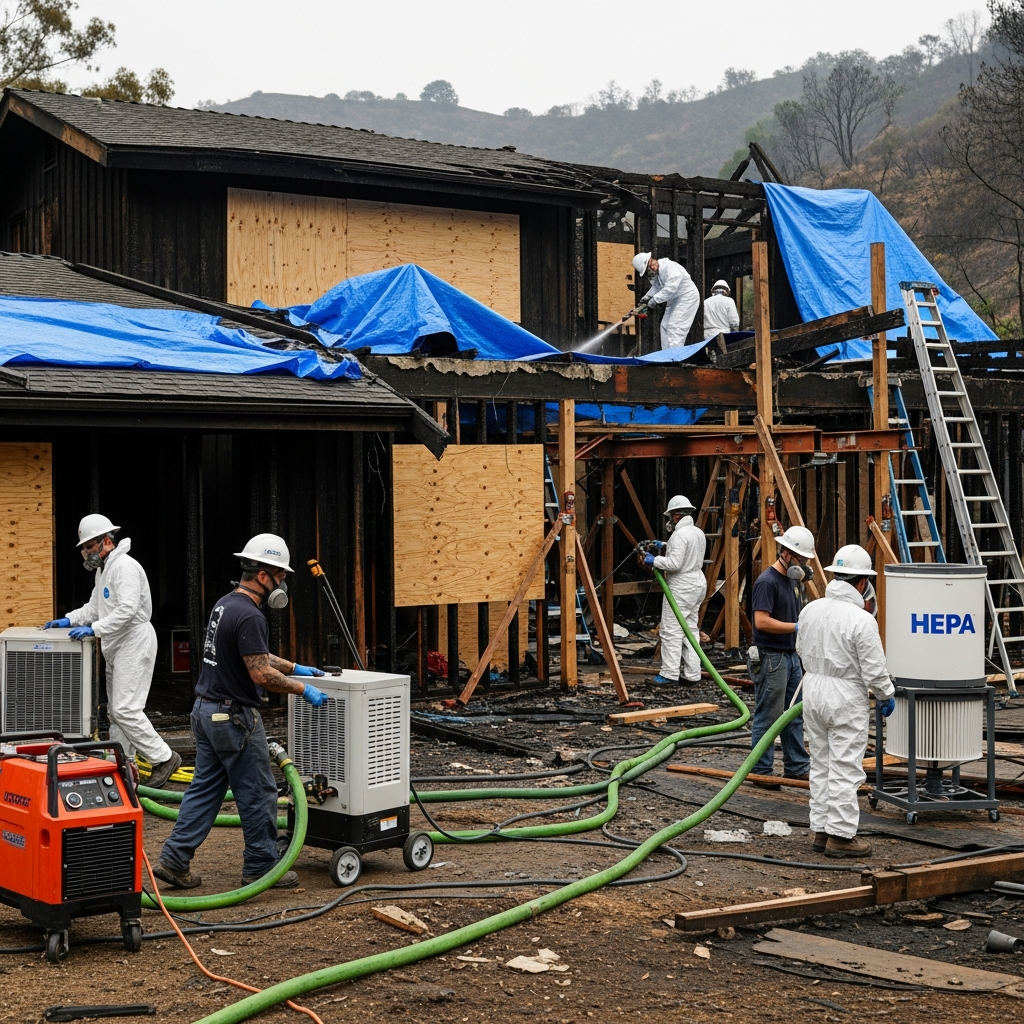
In the immediate aftermath of a fire, action and order must arrive together. Calabasas crews are used to navigating canyon roads—Las Virgenes, Malibu Canyon, and Topanga—when PCH access is limited. That local knowledge trims precious minutes from response times. We arrive with board-up materials for windows and doors, roof tarps for weatherproofing, and temporary power solutions to keep essential equipment running. Securing the site protects it from rain, curious wildlife, and opportunistic trespass, and it allows the deeper work of cleanup and drying to begin without delay.
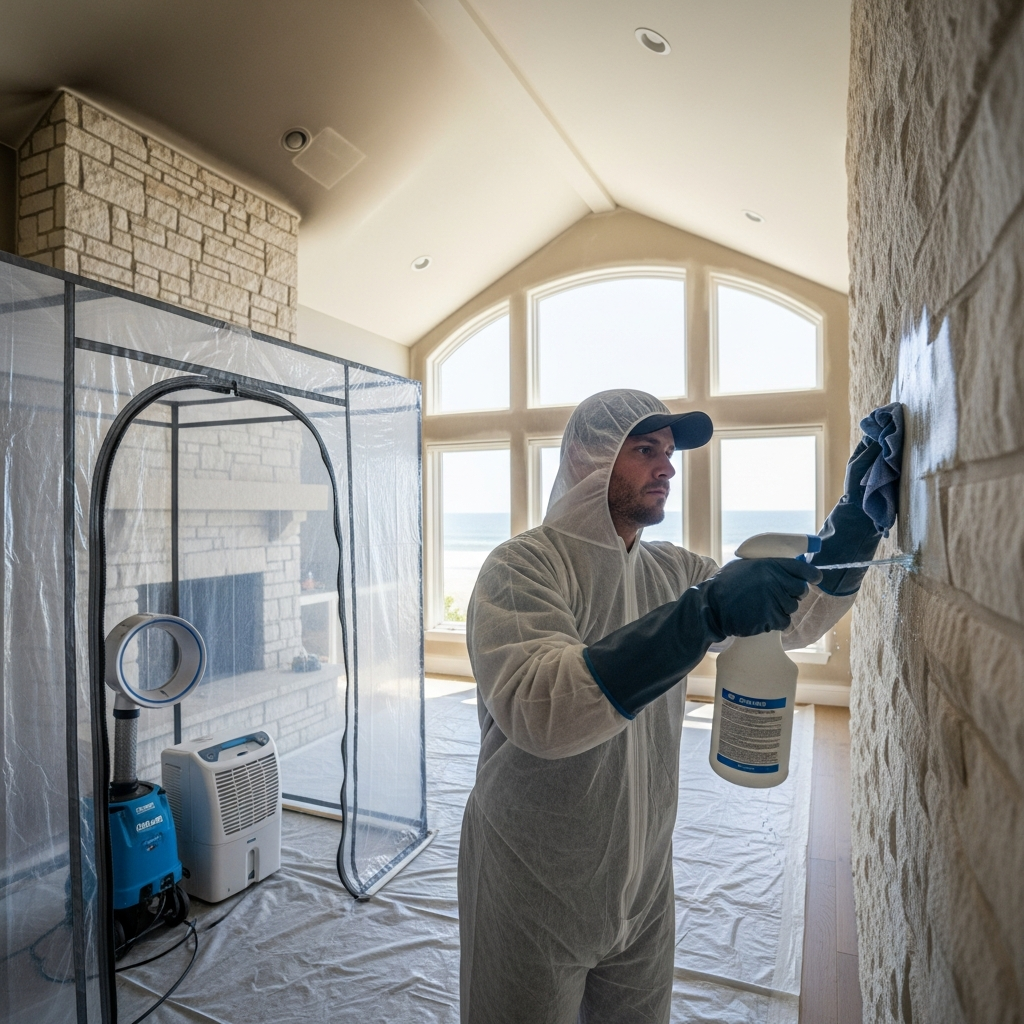
Inside, the first pass is always about stabilization. We identify structural hazards, separate charred materials to stop off-gassing, and set HEPA filtration to pull particulates from the air. Soot can etch metal and glass quickly, and Malibu’s salt air accelerates that risk. By neutralizing residues on appliances, fixtures, and windows within the first day, we often save finishes that would otherwise suffer permanent damage. Throughout, documentation flows: photos, notes, and moisture readings build a clear record for your insurer and for our own quality control.
Cleaning With a Coastal Mindset
Malibu homes have personalities: airy layouts, tall windows, clerestories, and decks that practically step into the ocean light. Smoke rides those features like a current, swirling into upper shelves, tucked corners, and the gap above cabinet crowns. Calabasas teams bring a coastal mindset to cleaning, starting gently and stepping up only as needed. Dry sponging lifts loose soot from painted surfaces without smearing. pH-balanced solutions protect natural stone and tile. Metals receive early attention, and glass is cleared before etching can set. We work high to low so gravity does not undo what we just completed, and we return the next day to catch resettled dust under different light.
We also understand that each fire leaves a signature. A fast, hot blaze that burned natural materials leaves different residues than a kitchen event with proteins and synthetics. Testing informs solvent choice and agitation level. The aim is not simply to make surfaces look better for a day but to restore them in a way that holds through heat, humidity, and time.
Drying: Inland Efficiency Meets Coastal Reality
Water from firefighting travels into floor assemblies, base plates, and wall cavities. Drying those spaces is where inland efficiency meets coastal reality. In Calabasas, ambient conditions often favor faster evaporation during the day, but Malibu mornings can be cool and damp. We pace dehumidification and air movement to the microclimate, sometimes pushing harder overnight when the air is drier and easing during foggy dawns. We record moisture readings so that decisions are data-driven, not hopeful. Dry subfloors and framing protect finishes you will add later and prevent post-project odor or warping.
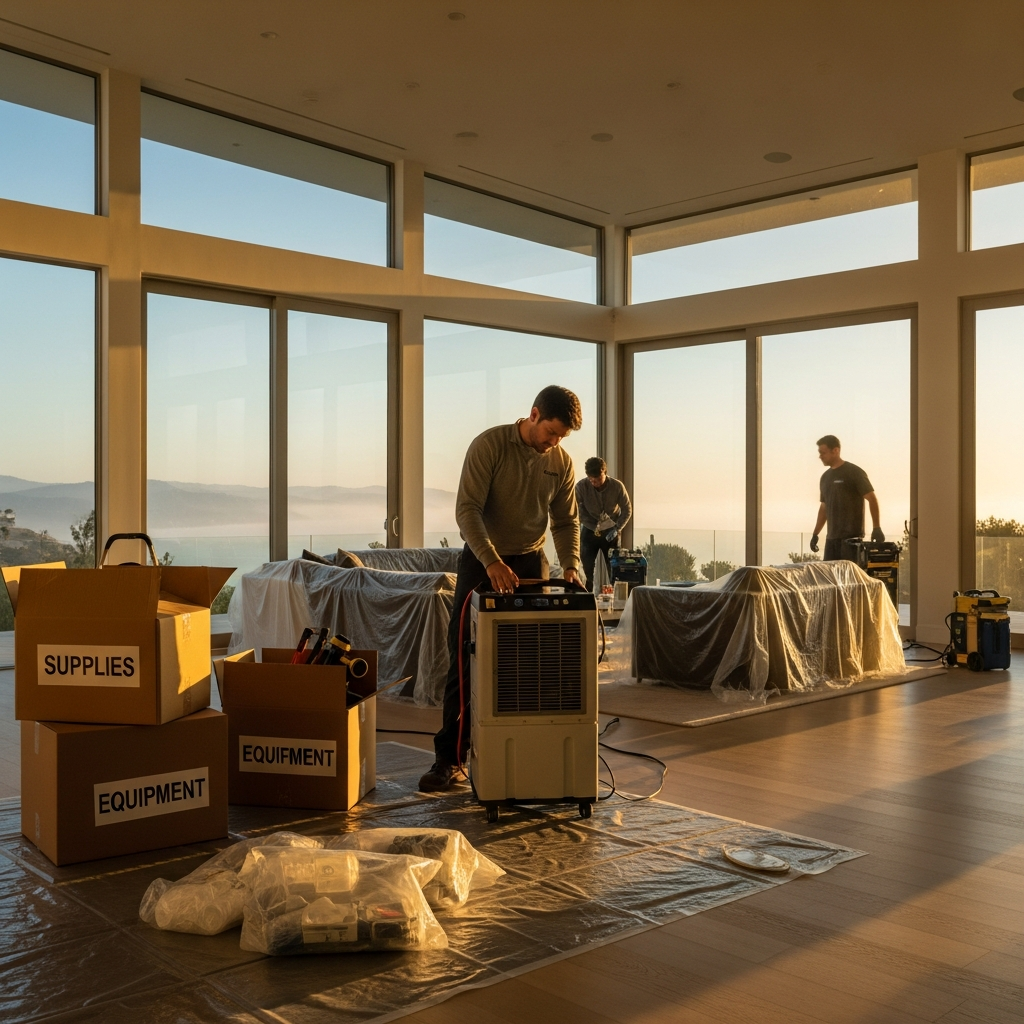
Equipment placement is purposeful. Air movers direct flow across surfaces without forcing moisture deeper. Dehumidifiers are sized to the space and the load; more is not always better if it creates turbulence that stirs soot. The science is quiet but crucial, and it is one of the reasons Calabasas-led teams have earned trust on the coast.
Contents and Care Across the Canyon
Homes hold story and routine. We inventory and pack with a simple system that makes retrieval painless even weeks later. Essentials—medications, documents, school items—are flagged so life can keep moving. Textiles are sorted for specialized cleaning, electronics are evaluated for heat and soot exposure, and artwork receives the gentlest, most appropriate care. When replacement is unavoidable, we document thoroughly so approvals are swift and decisions are clear.
Transport between Malibu and Calabasas becomes an asset here. Off-site cleaning facilities inland are protected from salt air and have the space to treat items carefully. Completed items return sealed and fresh, ready for move-back when the home is ready. The back-and-forth is efficient because the route is familiar.
Odor Removal With Staying Power
Odor is a chemistry puzzle, not a cover-up game. We remove sources first, clean residues, and then apply targeted treatments such as hydroxyl generators or thermal fogging. We coordinate these steps with drying so that we are not sealing in moisture or stirring up particles we just captured. When done correctly, the home smells neutral on a still, hot afternoon with the windows closed—the true test along the coast where breezes can sometimes mask, then reveal, lingering issues.
HVAC systems get early attention. Returns, coils, and ducts can become reservoirs for smoke. If the system ran during the fire, we clean and filter before restart. Filter changes continue on a schedule that reflects local dust and wind patterns, preventing recontamination just as you are settling back in.
Permits, Inspectors, and Insurance
Crossing city lines means navigating two sets of expectations at times, and Calabasas teams are comfortable with both Malibu and inland processes. We build a record—photos, readings, logs—that speaks clearly to adjusters. When inspections are needed, we schedule with realistic timelines, accounting for peak seasons and post-event surges. The goal is a workflow that respects your calendar and avoids downtime.
Honesty anchors every recommendation. If a cabinet can be saved with careful cleaning and refinishing, we say so. If replacement is the better long-term choice, we explain why and back it with data. That transparency is why families refer friends up and down the canyons and across the beaches.
Mid-Course Adjustments
No project travels in a perfect straight line. Halfway through, we confirm drying goals, verify that soot removal is consistent in morning and afternoon light, and add scope where hidden pockets appear—behind built-ins, inside door jambs, or along attic chases. We also revisit your priorities. If a guest is arriving or a family event is on the calendar, we sequence to deliver the spaces you need first. If you want to add tasks—say, deeper attic remediation or new vent screening—we fold those into the plan. Mid-project is also the right time to confirm any additional fire damage restoration you would like addressed before finishes go back in.
Logistics remain smooth because the routes are known. Early morning starts ahead of beach traffic, equipment parked where it will not block neighbors, and respectful noise control keep the project welcome in the neighborhood.
Resilience for the Next Season
Rebuilding is also an opportunity. We share practical steps that make homes more ready for weather and wind: ember-resistant vents, sealed gaps at garage doors, smarter storage for flammables, and thoughtful landscaping that keeps defensible space without losing beauty. These are not scare tactics; they are simple, local-smart improvements that ease minds and protect investments.
After move-back, we remain a phone call away. If a warm day brings out a faint scent near a vent or a shadow appears on a ceiling, we return to check. Trust is built not just on the day of the emergency but in the weeks that follow.
Frequently Asked Questions
Q: How fast can a Calabasas team reach a Malibu property?
A: Quickly. Familiar canyon routes and staging near the ridgeline allow rapid mobilization even when coastal traffic is heavy. We prioritize safety and speed together, arriving prepared to secure and stabilize right away.
Q: Will coastal humidity make cleanup harder?
A: It shapes the plan. We time drying and odor treatments around marine layers and choose equipment that performs well in damp air. The result is steady progress that holds through weather changes.
Q: Can you work while we stay in part of the home?
A: Often, yes. With containment and careful sequencing, families can remain on-site. If utilities are interrupted or residues are heavy, a brief relocation may be wiser. We discuss options so you can choose what fits.
Q: What happens to our belongings during cleanup?
A: We inventory, photograph, and pack items methodically. Essentials are flagged for easy access. Many pieces clean beautifully with the right process; others may go off-site to inland facilities for specialty care.
Q: How do you coordinate with insurance?
A: Documentation from day one—photos, readings, logs—supports your claim and speeds approvals. We communicate directly with adjusters while keeping you informed and in control of decisions.
Q: What ensures odors will not come back?
A: Source removal, thorough cleaning, HVAC attention, and correctly sequenced odor treatments. When all four align, results last through heat and humidity without masking.
Begin With a Neighbor You Can Trust
If your Malibu property needs steady hands from just over the hill, our Calabasas-led team is ready to help. We bring fast mobilization, coastal-smart technique, and respectful care from stabilization to final walkthrough. Reach out now to schedule reliable fire damage restoration support and take the next step toward feeling at home again.