Step into a water damage restoration inspection in Malibu and you will quickly notice that nothing is done by accident. The salt-tanged air, the marine layer that slides over the bluffs in the morning, the canyon winds that build by afternoon—each of these informs how an inspection unfolds. I have walked into homes after an overnight squall and seen a single ceiling stain tell a complex story about wind-driven rain, roof tiles, and a deck drain half a level up. What follows is a careful, methodical process that begins the moment a homeowner calls for water damage restoration in Malibu and does not end until every affected material is verified dry and the source is addressed for good.
Arrival and first impressions
Inspections start outside. Malibu properties are tied to their terrain, so we scan the roofline, deck edges, parapets, and grade. We look for where water would want to go in the last storm, not just where it ended up. Are scuppers clear? Did a valley flashing catch debris? Is the windward side more exposed? These observations narrow the field before we even step inside. If the home sits along a canyon, we also note how runoff might have moved; on beachfront lots, we watch for salt spray patterns that hint at persistent exposure.
Inside, first impressions often arrive by sense. A faint earthy odor can reveal a wet cavity long before meters do. A door that drags slightly may suggest subfloor swelling. We talk with the homeowner to capture a timeline—when the stain appeared, whether wind hammered a particular side, if any plumbing use changed. The goal is to combine lived experience with building science so we can trace water’s path with precision.
Tools of the trade and what they tell us
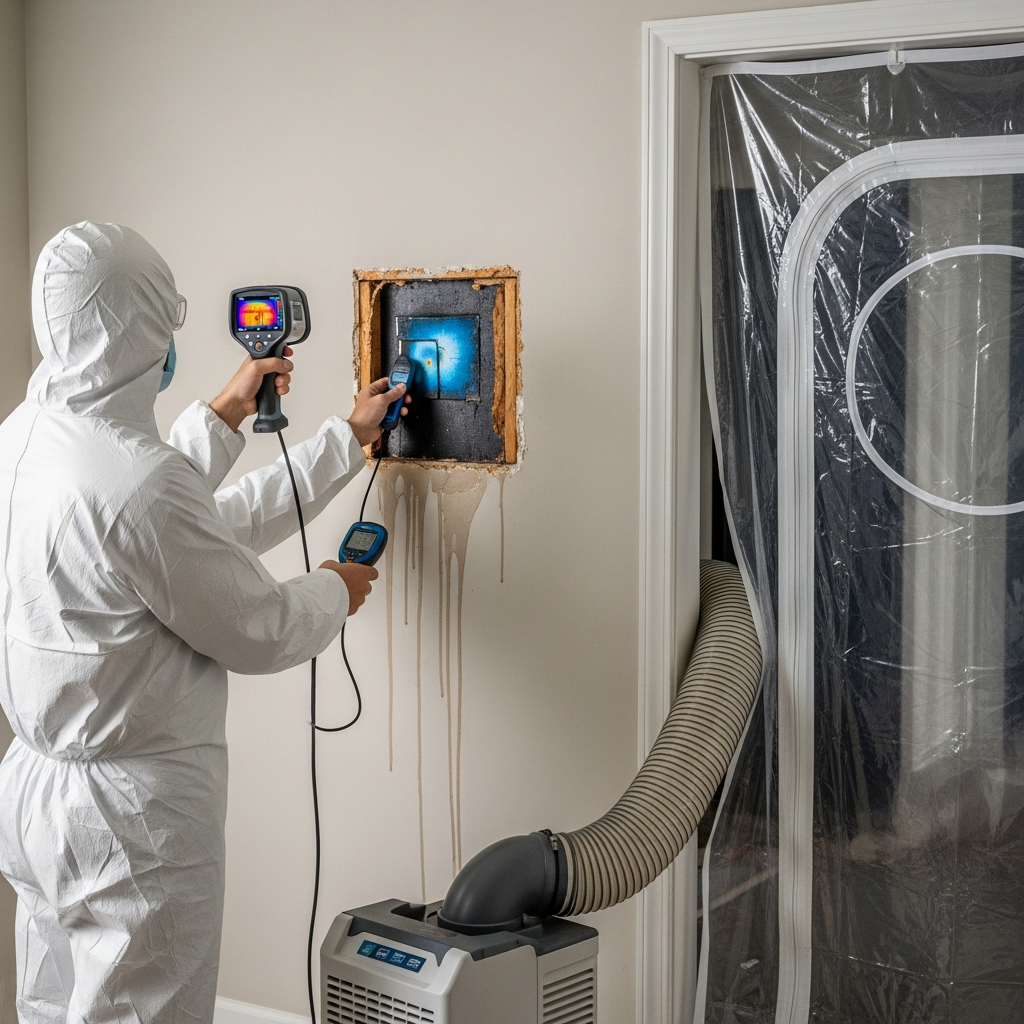
Next comes measurement. Non-invasive moisture meters glide over drywall, baseboards, and flooring to map anomalies without leaving marks. Thermal imaging cameras translate temperature differences into visual clues—cooler areas often align with evaporation, pointing to hidden moisture. When results suggest a cavity is holding water, we may recommend small inspection cuts in discreet locations. These “windows” let us confirm what tools infer and create access points for directed drying if needed. Calibrated pin meters then give us precise moisture content readings for wood and other materials, allowing us to compare against local dry standards.
In Malibu, outside conditions influence readings. A foggy morning can keep surfaces cooler and skew thermal images if you do not account for it. That is why experienced inspectors pace the sequence: gather baseline data, adjust for weather, and re-check suspect areas as the building “warms up” to inspection. The result is confidence. We are not guessing; we are building a mosaic of facts that leads to an accurate scope of work.
Source identification: following the path
Finding the source is both art and science. Roof leaks often trace back to intersections—valleys, penetrations, or lifted tiles where wind created pressure differences. Deck leaks may begin at railing posts or scuppers where small membrane failures hide in plain sight. Plumbing leaks can be as humble as a slow weep at a supply line that evaporated on warm days and revealed itself only when humidity rose. During inspection, we follow gravity and capillarity, testing hypotheses against measurements. When we isolate the source, we document it thoroughly—photos, notes, and a clear explanation that homeowners and adjusters can understand.
Scope development and containment planning
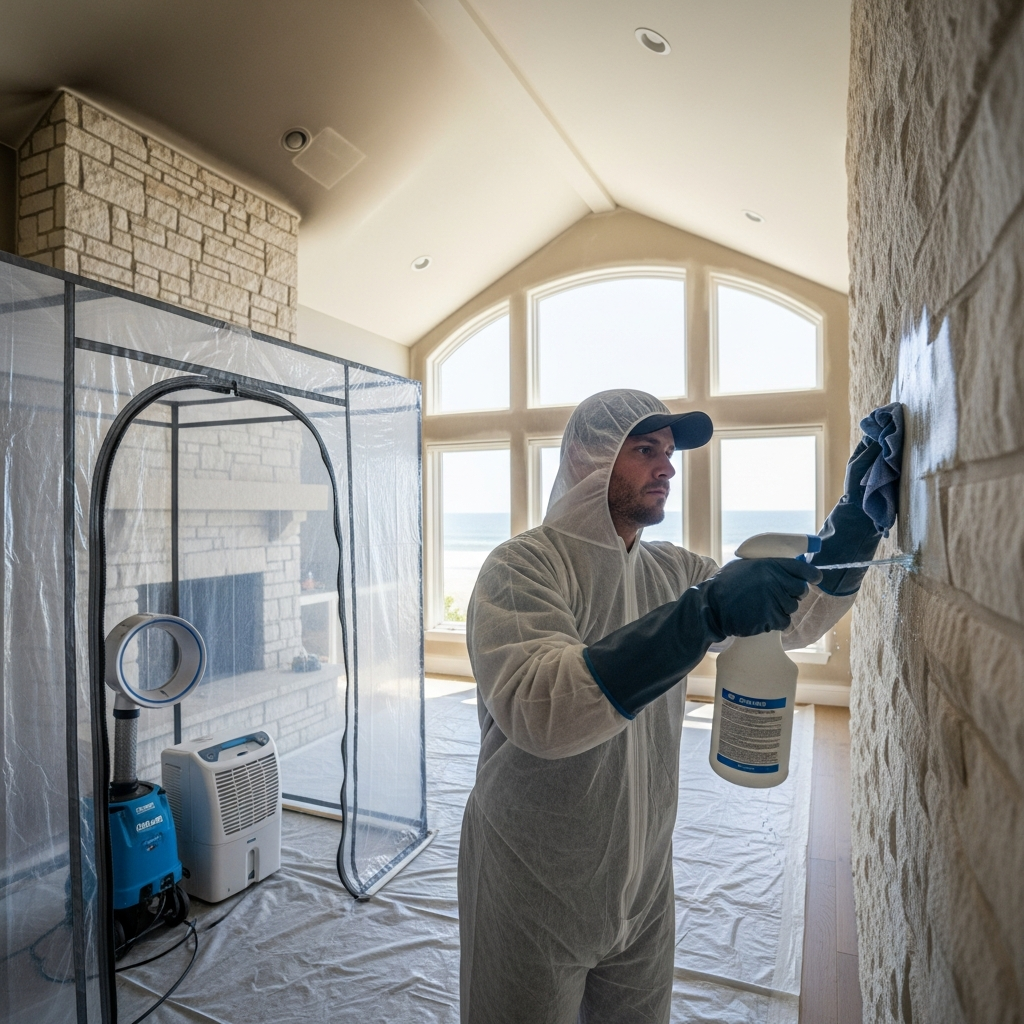
With source and extent identified, we outline a restoration plan. In Malibu homes, preservation of finishes matters deeply. We aim to dry in place wherever materials remain structurally sound and cleanliness can be maintained. That might mean removing toe-kicks to direct air under cabinetry, tenting a floor section for targeted drying, or setting containment to keep unaffected rooms comfortable and quiet. We explain how equipment will run, what noise to expect, and how we will protect pathways. When selective removal is necessary, we sketch it precisely—cut lines, material types, and sequencing—so rebuilding integrates cleanly later.
Drying strategy tuned to the coast
Drying in Malibu is a dance with the weather. On a crisp, dry day, we may leverage outside air for a boost; when the marine layer hangs thick, we rely on dehumidification and heat to maintain consistent indoor targets. Air mover placement is not random—it is oriented to encourage evaporation from wet surfaces while avoiding over-drying sensitive finishes. Negative or positive pressure is used strategically to move air through cavities, and equipment is adjusted as readings change. The goal is uniform progress, confirmed by logs that show moisture content stepping down toward normal day by day.
Midway through, homeowners often exhale. They see numbers trending the right direction and understand why certain choices—like leaving a cabinet face in place while removing a toe-kick—protect both structure and aesthetics. This is also the ideal time to confirm you are partnered with seasoned water damage restoration pros who document thoroughly and communicate clearly, ensuring every step builds toward a verified dry finish.
Communication with insurers and trades
Most Malibu restorations intersect with insurance. Inspections therefore prioritize clarity. We provide moisture maps, photographs, equipment logs, and a narrative that connects cause to effect. This documentation helps adjusters approve scopes efficiently and reduces back-and-forth that can stall momentum. When the plan involves trades—roofers, deck waterproofers, plumbers—we coordinate so source repairs and drying support each other. For example, a small roof fix may need a clear weather window; we time interior drying to align so you are not left waiting unnecessarily.
Verification and readiness to rebuild
Verification is non-negotiable. Before any rebuilding, we take confirmatory readings using the same calibrated thresholds that guided the dry-down. Wood members return to target moisture content. Drywall and sheathing readings normalize. If an area lags, we adjust and extend drying rather than rushing. The payoff is tangible: paint adheres, floors lie flat, doors swing smoothly, and future seasons do not bring back phantom issues. We provide final documentation so you own the story of what happened and how it was resolved.
Lessons learned: prevention folded into the plan
Every inspection ends with insights. Maybe a parapet needs a minor flashing detail improved, or a garage would benefit from a subtle threshold change. Perhaps a laundry room deserves leak sensors or a condensate line merits a secondary safety. The point is to translate a one-time incident into long-term resilience. Malibu homes are dynamic; they live with the ocean and mountains. A thoughtful inspection recognizes this and builds small, smart defenses into the way your home operates.
The human side of inspection
Restoration is technical, but inspections are also personal. We are guests in homes where families live, work, and recharge. Part of a good inspection is easing worry—explaining findings in plain language, setting expectations, and carving out normalcy while equipment hums. We move with care, protect finishes, and leave spaces tidy between visits. The result is a process that feels less like a disruption and more like a plan unfolding with purpose.
FAQ: Inside a Malibu restoration inspection
Q: How long does a thorough inspection take? A: It depends on the size of the home and complexity of the issue, but most initial inspections last from one to several hours, with follow-up visits to verify drying and coordinate repairs.
Q: Do you always need to open walls? A: Not always. We start with non-invasive tools and open minimally where evidence points to trapped moisture. The goal is to gather enough access for effective drying while preserving finishes.
Q: What if the leak source is outside? A: We often collaborate with roofers or waterproofers. Inspections trace interior symptoms to exterior causes so repairs align and prevent recurrence.
Q: How will I know when it is safe to rebuild? A: We share moisture logs and final readings that meet local dry standards. Rebuilding starts only when materials verify dry, protecting finishes from future issues.
Q: Can I stay in the home during drying? A: In many cases, yes. With containment and thoughtful equipment placement, key rooms remain usable and noise is managed around your schedule.
If you see the first hint of staining or smell that telltale mustiness, invite a local team to perform a precise, respectful inspection and begin water damage restoration right away. Clear answers, careful documentation, and a climate-tuned plan will return your Malibu home to its steady, peaceful rhythm by the sea.