In Malibu, conversations about fire recovery often begin with what it will take to bring a property back to its pre-loss condition, and how to make smart, timely decisions along the way. As someone who has guided many neighbors through the aftermath of wildfires and house fires along the coast and in the canyons, I can tell you that clarity, pacing, and a well-sequenced plan matter more than anything. The shoreline breeze, the steep terrain, and the mix of modern estates and legacy cottages create unique conditions that shape the restoration journey. From initial safety checks to the last swipe of touch-up paint, the path is a series of steps that must be aligned with local codes, insurance documentation, and realistic expectations. In the first days, it helps to learn the rhythm of the process and to trust an experienced team that speaks Malibu’s language. If you are just beginning your research, you might start with an overview of best practices in fire damage restoration, then tailor those principles to local realities on the ground.
When homeowners ask how to plan for the financial side of recovery here, I emphasize that the big picture is built from many small decisions. The way smoke infiltrates roof assemblies in Point Dume differs from how it lingers in canyon homes where wind channels can drive soot deep into attic voids. The presence of coastal salt air can intensify corrosion, especially on electronics and metal fixtures, which makes early stabilization essential. Water used during firefighting can migrate under flooring and behind wall finishes, and if it is not controlled immediately, it sets the stage for secondary damage. Each of these details shapes the scope of work, influences scheduling, and determines the sequence of specialists who will step in at the right time.
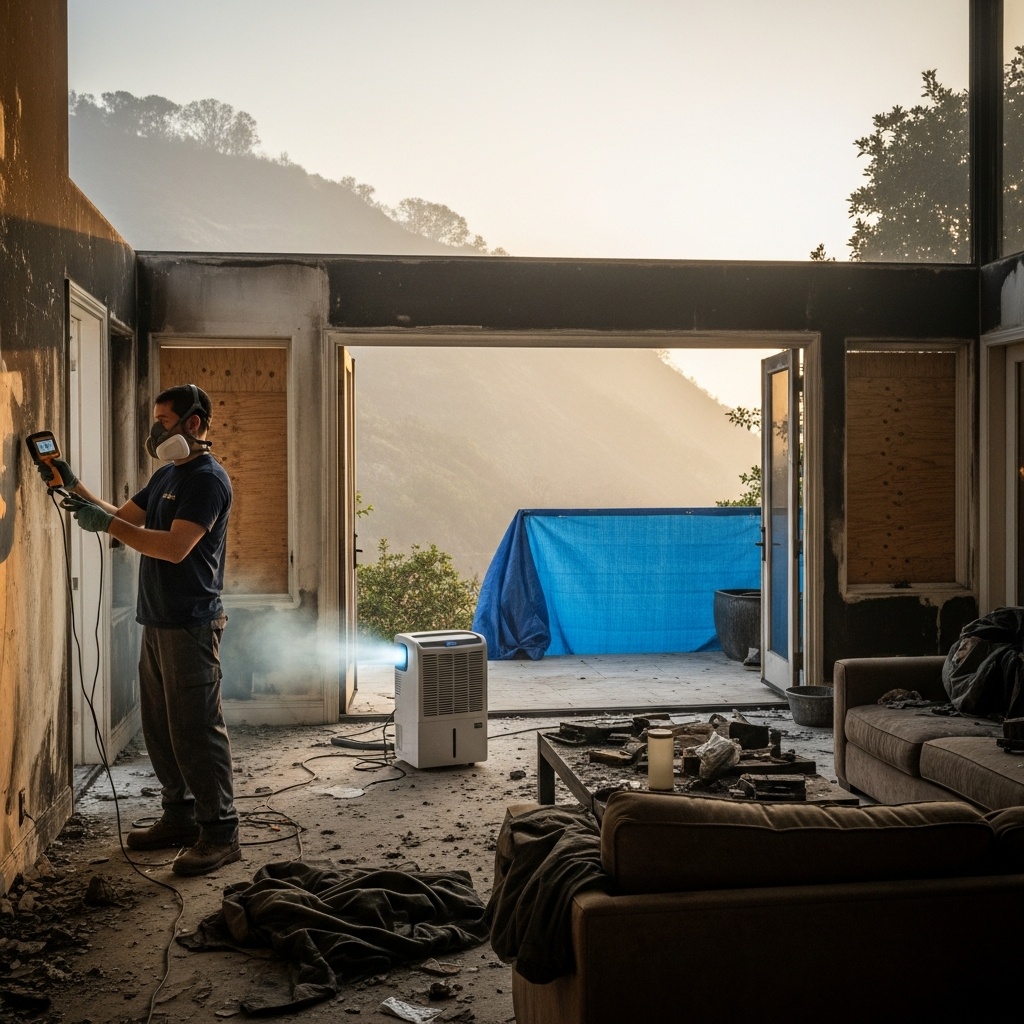
Malibu’s topography and microclimates are famous for beauty and challenge in equal measure. Santa Ana winds, chaparral fuel, and hillside construction introduce variables that affect how smoke travels and where soot will settle. On days following a wildfire, I have seen properties that appeared lightly impacted at first glance, only to reveal heavy smoke absorption in insulation, cabinetry, and HVAC pathways. That is why an early, methodical assessment pays dividends. It is not only about visible damage; it is about tracking what the nose senses before the eyes do, then confirming with careful inspection. This careful assessment drives the plan, and the plan shapes the entire financial picture.
Understanding the Malibu Restoration Journey
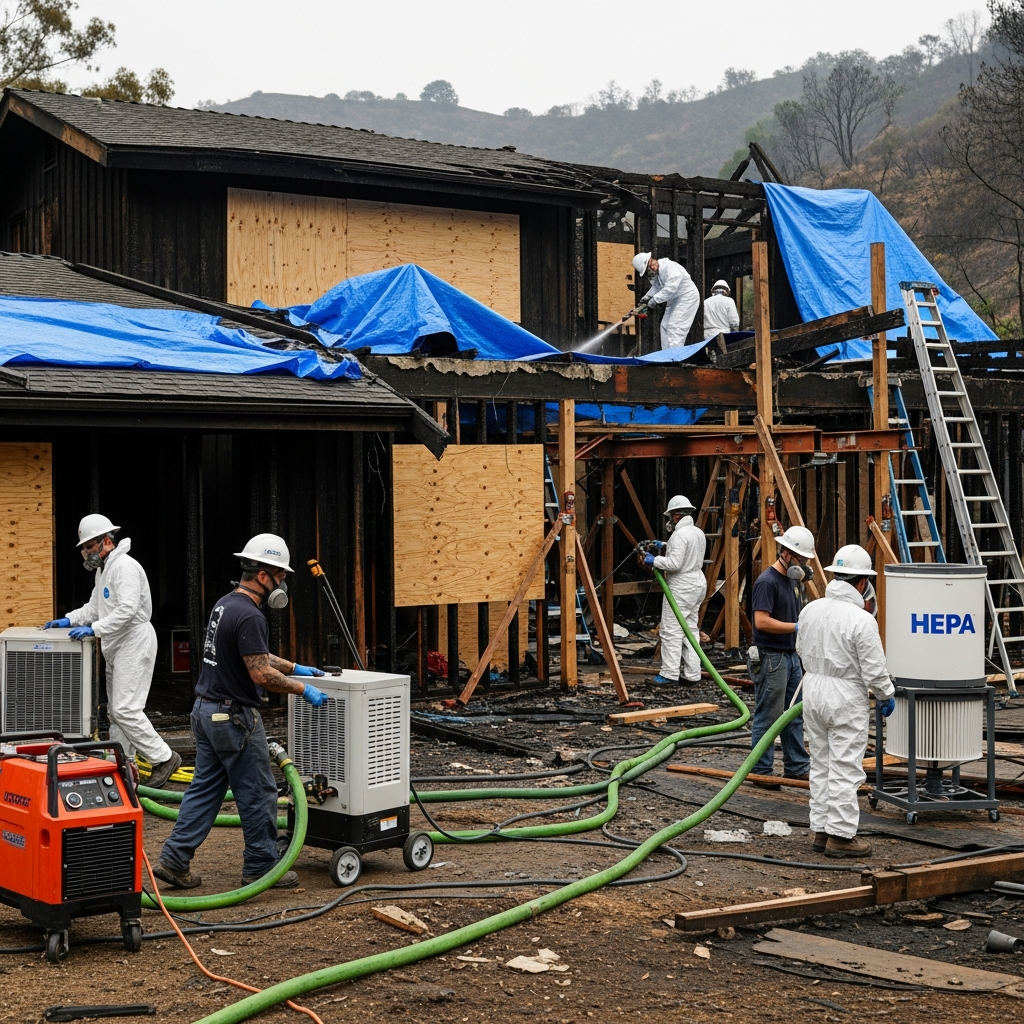
It begins with safety. Before anyone steps inside, structural stability is checked and essential utilities are secured. Temporary power may be established, and ventilation is set to control particulates. From there, a professional team will stabilize the environment. Board-ups prevent intrusion and weather exposure. Tarping defends the roof from overnight moisture and morning marine layer. Dehumidification and targeted water removal set a healthy baseline. These early moves do more than protect belongings; they shape how efficient everything that follows will be.
Next comes a detailed scope. In Malibu, a scope is more than a list of tasks. It is a map of spaces, finishes, and materials, some custom and many irreplaceable. Wide-plank oak, Venetian plaster, hand-painted tile, bespoke cabinetry—each needs its own approach. Gentle soot removal on a limewash wall differs from cleaning sealed plaster, and a stone counter will respond differently than a porous limestone slab. The more tailored the plan, the fewer surprises arise during the rebuild phase.
Insurance coordination weaves through every conversation. Adjusters appreciate documentation that is calm, complete, and consistent, and that is what local restoration teams strive to deliver. Thorough photo logs, moisture readings, and itemized inventories help reflect the real condition of the home, from the entry door to the farthest eave. When homeowners ask what they can do to help, I suggest gathering records of finishes, appliance specs, and any recent upgrades. In Malibu, where a single room might hold custom lighting, imported rugs, and built-in tech, clear records accelerate approvals.
Factors That Shape the Overall Investment
While it is natural to seek a simple answer to the financial side of restoration, the truth is that each property tells its own story. The relationship between square footage and the depth of damage is not linear. A compact guesthouse can be more complex than a large main home if smoke is trapped in tight cavities or if specialty finishes demand a slower, more delicate touch. The distance to staging areas, hillside access, and driveway constraints affect logistics. The need for specialized containment to protect an art collection or custom millwork introduces additional considerations. These are the quiet details that seasoned Malibu teams understand instinctively.
Materials handling is another major driver. Belongings that can be cleaned on site will be stabilized and treated in place. Items that require off-site care are cataloged, packed, and moved to climate-controlled facilities. Upholstered pieces, heirloom textiles, and electronics typically need careful attention. In the same home, some items may be restored while others are replaced based on condition and the owner’s priorities. That balanced approach, one room at a time, allows families to feel in control, even while the larger project continues.
Time also shapes outcomes. The first seventy-two hours set the tone, but the weeks that follow are about layering progress in the right order. Odor control must be achieved before finish work begins, and HVAC cleaning should precede painting. If exterior repairs are needed, coordination with permitting and neighborhood associations becomes part of the rhythm. In Malibu’s coastal zones, exterior work can intersect with view ordinances, hillside rules, and wildlife considerations, and these realities are best navigated by teams who do this every day.
Working With a Local Team
Malibu has a collaborative spirit. Contractors, adjusters, building officials, and neighbors often know one another, and that familiarity helps things move. Local experts anticipate seasonal weather, understand the timing of marine layers, and recognize how afternoon winds can undo an unsealed containment if left unattended. They also know that communication must be steady and clear. Homeowners deserve weekly updates that explain what was completed, what is next, and why certain steps are paused to let materials acclimate or for inspections to occur. This clarity reduces stress and fosters trust, which is the true currency of recovery.
If you are in the middle of evaluating your options and trying to understand best practices, this is a good moment to dive deeper into proven methods that apply to Malibu homes and businesses. Guidance grounded in science-based cleaning, careful demolition, and staged reconstruction will save time later. A resource focused on Malibu fire damage restoration principles can help you see how established protocols adapt to our local environment, from ocean air to hillside microclimates.
From Stabilization to Rebuild
Once the structure is dry, clean, and deodorized, the craft of rebuilding begins. In many Malibu homes, this phase is as much about design integrity as it is about function. Matching finish tones across sun-aged flooring, feathering new plaster into hand-troweled walls, and bringing back the quiet glow of a custom kitchen require patience and finesse. The best teams include finish carpenters, color-matching pros, and installers who work in dialogue with designers and homeowners. When this collaboration clicks, the result is a home that feels unchanged in spirit even as it gains new resilience behind the walls.
During rebuilds, attention turns to modernizing systems that were difficult to justify during normal times. This can include improved ventilation to better manage future smoke events, upgraded filtration, and layout adjustments that make future maintenance easier. In hillsides where access is tight, teams plan deliveries and large-item installs around traffic and school schedules, the same way neighbors plan their lives. The aim is dignity for the property and normalcy for the household.
Protecting Health and Preserving Belongings
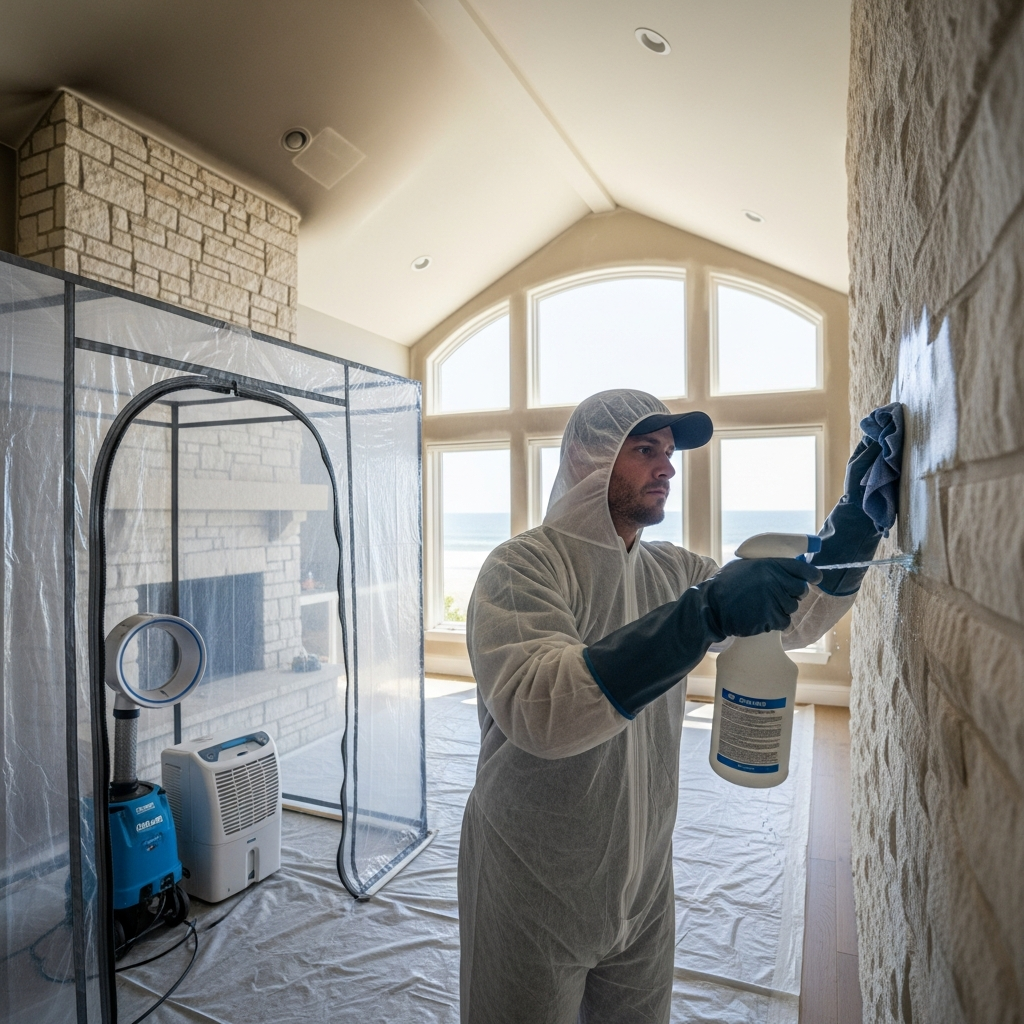
Smoke behaves differently in different materials. Natural fibers tend to trap odor, while sealed surfaces may hold a film that resists casual wiping. Without a trained eye, it is easy to overclean and damage a finish or to underclean and leave residues that resurface on humid days. Professional restoration relies on a library of methods—from dry sponging and HEPA-filtered vacuuming to low-moisture encapsulation and targeted deodorization. The idea is always to remove contaminants, not to mask them, and to do so with methods gentle enough for Malibu’s diverse palette of materials.
Personal items carry weight and memory. A child’s artwork, a musician’s instrument, or a family photo album deserves the same care as a hand-carved mantle. Cataloging is not only about tracking objects; it is about honoring them. Good teams coordinate with specialty conservators when needed, and they communicate honestly about what can be saved and what may be better recreated. That integrity reduces later disappointment and keeps everyone focused on achievable wins.
Permits, Codes, and the Malibu Context
Permitting in Malibu can be straightforward or nuanced, depending on the scope. Like any coastal community with sensitive ecosystems and hillside neighborhoods, there are layers of review designed to protect both residents and the landscape. Fire restoration intersects with these processes when exterior components are replaced or structural work is involved. Experienced local professionals know how to prepare submittals, schedule inspections, and fold those timelines into the broader plan. Their familiarity helps homeowners avoid unnecessary delays and keeps the project paced for steady progress.
Neighborhood associations and private road committees can add additional steps. Clear communication, proper staging, and respectful traffic management are simply part of the job here. The tone set by your restoration team shapes how smoothly those relationships go. Polite crews, clean job sites, and predictable schedules go a long way.
Setting Expectations and Staying Informed
It is helpful to think of restoration as a story told in chapters. The first chapter is safety and stabilization, the second is deep cleaning and deodorization, the third is selective demolition and drying, and the fourth is careful reconstruction. Each chapter can be tracked with photos and simple progress notes. When the plan is explained in plain language and updates arrive on time, homeowners feel anchored. That sense of control is worth just as much as any visible milestone because it allows families to focus on health, work, and school while their home steadily heals.
Communication with insurers benefits from the same steadiness. Keeping a single, organized line of updates—photos, reports, and invoices—minimizes confusion. When the documentation is comprehensive, it allows carriers to move confidently. Everyone’s goal is the same: a property that is clean, safe, and beautifully restored.
What Malibu Homeowners Can Do Right Now
If your property has recently experienced smoke exposure or a fire event, begin with simple, safe steps. Limit foot traffic in affected areas to avoid embedding soot. Do not run the HVAC until it is inspected and cleaned, so you do not circulate contaminants. If it is safe, open windows during favorable air quality periods to promote ventilation. Photograph rooms before moving items, then focus on health and rest. The first calls should be to your insurer and to a restoration firm that can mobilize quickly with the right equipment and a calm, experienced hand.
As you speak with professionals, ask about their local experience, their approach to documentation, and their plan for protecting finishes. A measured, confident answer is a good sign. Equally important is how they listen. Your home has a story, and the team you select should be eager to understand it.
FAQ: Common Questions From Malibu Property Owners
How soon should a professional evaluate a property after a fire? As soon as it is safe to do so. Early stabilization prevents secondary issues and preserves more of what matters, from structure to belongings.
Will smoke odors really come back if not addressed correctly? Yes. Odor can resurface with humidity or heat if residues remain. Proper removal and deodorization techniques are essential to achieve a stable, clean environment.
Is all soot the same? No. Soot chemistry varies with the materials that burned. Protein residues, plastics, and natural wood each leave different byproducts that require different cleaning approaches.
Can I stay in the home during work? It depends on the scope and containment. For light smoke cleaning, some families remain in unaffected areas. For heavier work, temporary housing ensures health and comfort while the property is restored.
What about heirlooms and electronics? Many items can be cleaned and stabilized. Electronics often require specialized inspection to address corrosive residues. A thorough contents plan protects items while the larger project proceeds.
How will I know what is happening week to week? You should receive steady updates that outline completed steps and next milestones. Transparency reduces stress and aligns everyone around the same goals.
What if my home is in a hillside area with limited access? Local teams plan for staging, deliveries, and crew coordination. Good logistics protect neighbors’ routines and keep progress steady.
What can I do to help? Prioritize safety, share any records of finishes or equipment, and communicate your preferences. Clear collaboration ensures the final result reflects your home’s character.
When you are ready to bring in a calm, detail-oriented team that knows Malibu’s neighborhoods, coast, and canyons, reach out and begin with a straightforward conversation about your goals. For guidance and a steady hand from first inspection to final walk-through, connect with trusted local fire damage restoration experts who will treat your home with the respect it deserves and help you move forward with confidence.