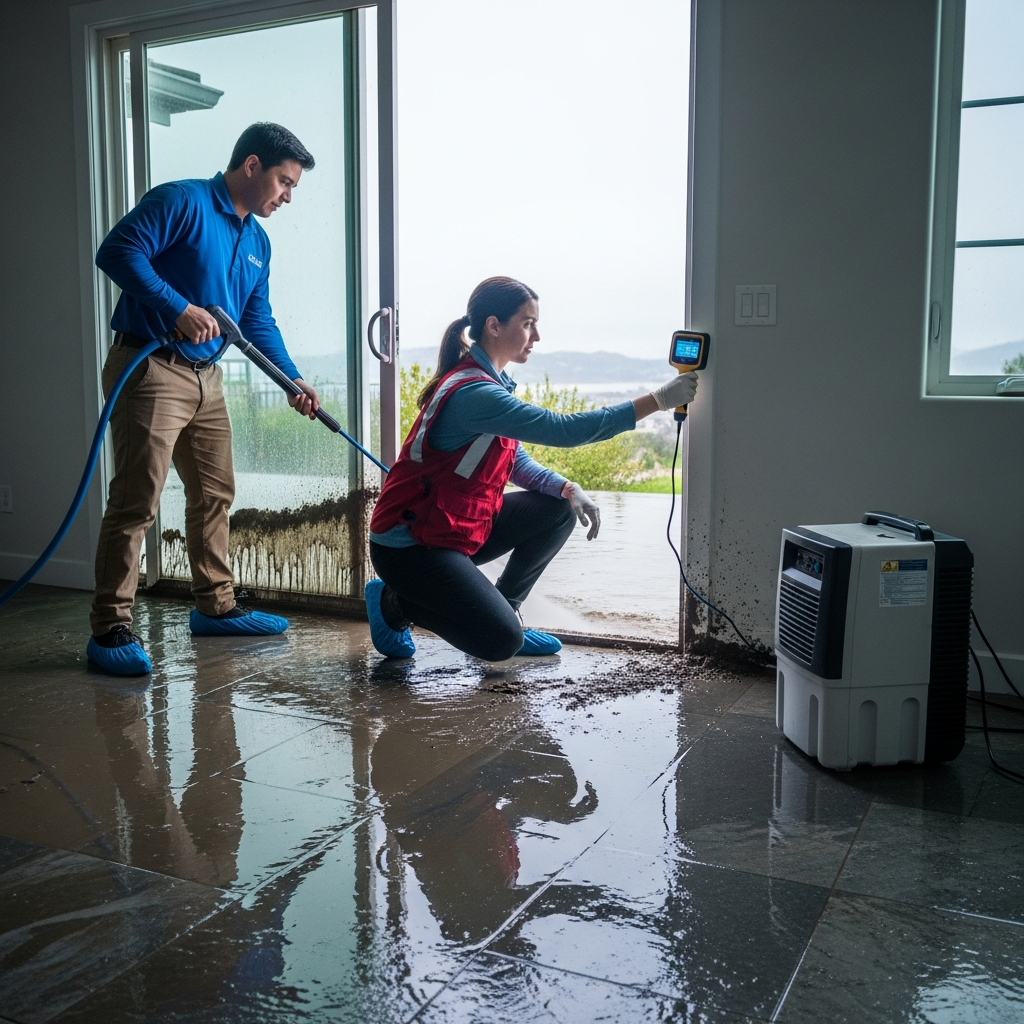
When Malibu floods, it rarely looks like the images from the national news. It can begin with rain that drifts in from the channel, slowed by the mountains until it drops all at once, then sheets down canyon walls, sneaks across patios, and pools gently at a sliding door. A king tide can combine with a storm and send saltwater mist into places it doesn’t belong. A clogged drain uphill can push stormwater over a driveway and into a garage like an uninvited guest. For local homeowners, flood damage is as much about the quiet intrusion as it is about dramatic torrents. Whatever the entry point, you need a plan that responds to both moisture and contamination, that respects Malibu’s unique building styles, and that moves from emergency to recovery without guesswork. The first steps toward that outcome begin with experienced water damage restoration designed specifically for coastal homes.
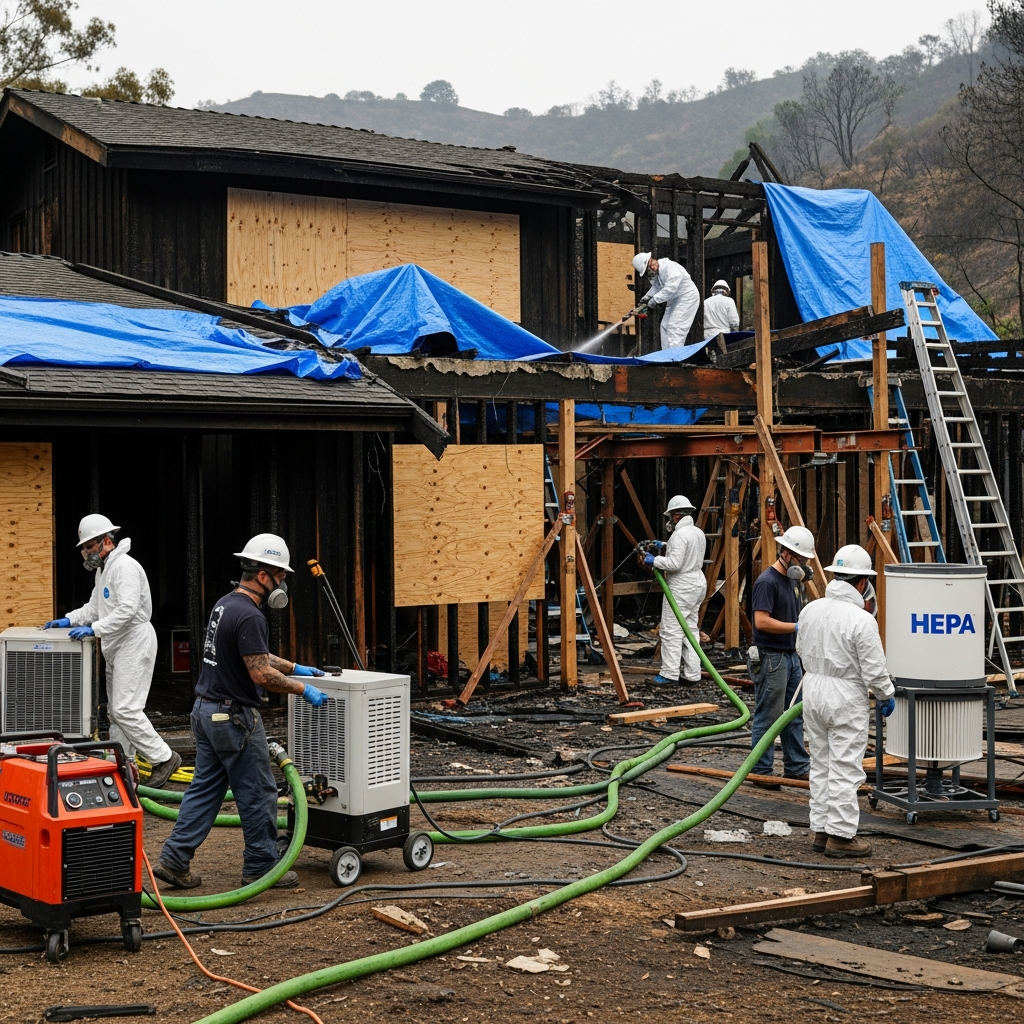
Floods in Malibu come in categories that matter because they shape how we clean, dry, and rebuild. Stormwater that has crossed soil is considered contaminated; seawater introduces salt and minerals that interact with metals and finishes; hillside runoff can carry silt, organics, and even small stones that abrade floors. Inside the structure, those contaminants alter the playbook. A simple mop-up will not address what is left behind in seams, under plates, and in cavities. That is why precise assessment is not optional; it is the foundation for decisions that protect health and preserve the home’s value.
Understanding flood categories and why they matter
Industry standards categorize water by the level of contamination. Clean water from a supply line is one thing; stormwater that has flowed across soil and hardscape is another. Even if floodwater looks clear, it may carry bacteria, fertilizers, or salts. Coastal air compounds the issue, as wind-driven spray can turn a rain event into a saline wash across decks and thresholds. In practice, this means more thorough cleaning, more targeted demolition of materials that cannot be reliably sanitized, and a drying plan that accounts for salts attracting moisture back into surfaces if left behind.
In Malibu, many homes are built to embrace the outdoors with wide openings and level transitions. Those same features make for subtle vulnerabilities. A tiny lip at the base of a slider is essentially a speed bump to water; during a heavy downpour, it is not much of a barrier. Seals that perform well against fog may falter against pooled water. Recognizing these failure points after a flood and correcting them during repairs is part of building resilience, not just returning to status quo.
Immediate safety: Electricity, structure, and air
After a flood, never assume a space is safe to enter. Water and electricity are a dangerous pair, and Malibu homes often have complex lighting systems, in-floor heating, and integrated automation. If there is standing water or obvious electrical involvement, shut down power to the affected areas at the panel only if you can do so without stepping into water. Structural concerns also rise after hillside runoff; the force of water can undermine patios or fill crawlspaces. Ventilation matters too. Floodwater odors carry more than inconvenience; they can signal contamination that requires professional handling rather than scented cover-ups.
When a qualified team arrives, the first minutes focus on source control and hazard reduction: stopping any ongoing intrusion, extracting as much water as possible, and establishing safe work zones. Extraction is not just about speed; it is about method. Silt-laden water calls for filtration to protect equipment and the home, and saltwater extraction often includes immediate fresh-water rinsing of certain materials to reduce corrosion potential. The details of these actions separate a generic response from a Malibu-appropriate one.
Cleaning and decontamination before drying
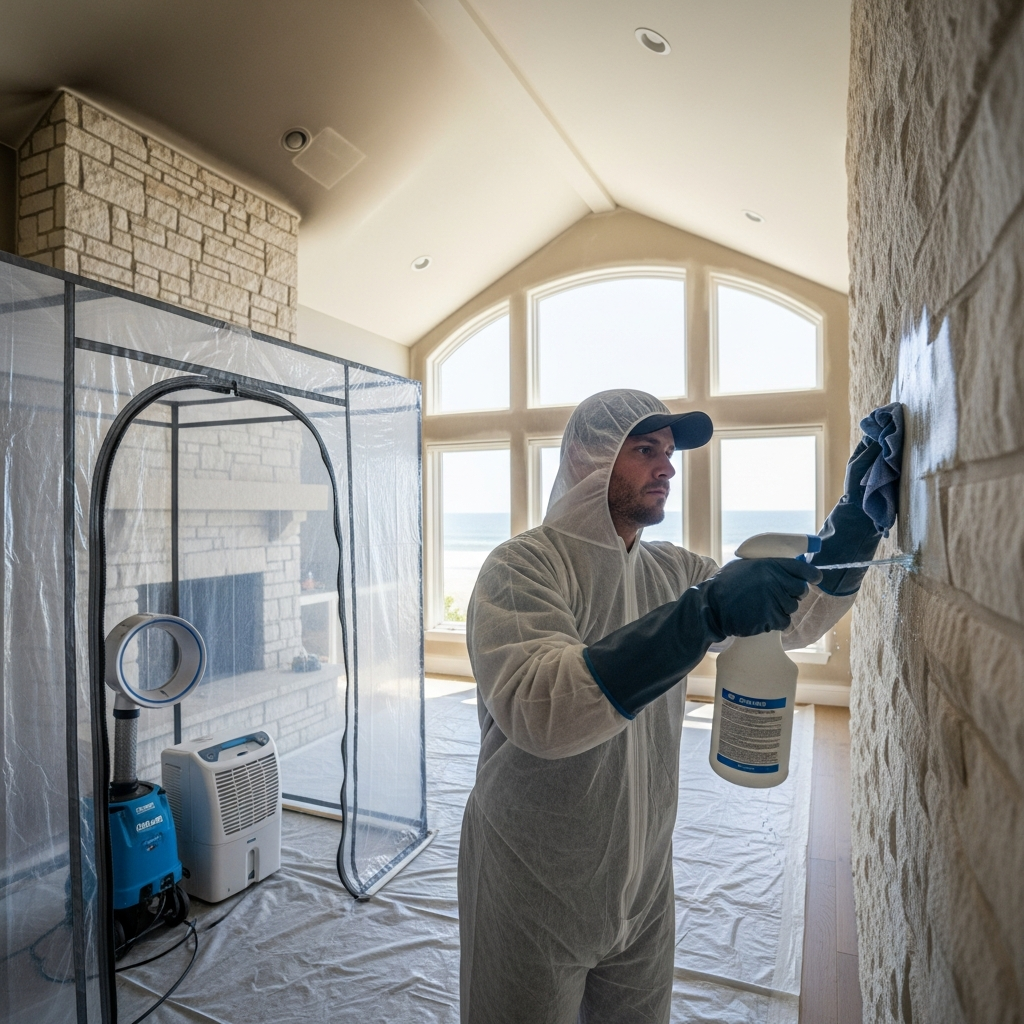
With floodwater, cleaning precedes drying. It may feel counterintuitive when everything looks uniformly wet, but decontamination sets the stage for a safe and efficient drying process. Porous materials that have absorbed contaminated water—like saturated carpet pad, swollen base MDF, and compromised insulation—typically come out. Hard surfaces receive targeted cleaning and, when appropriate, disinfection. The objective is to remove not just visible debris but the films and residues that cling to surfaces and can inhibit drying or create persistent odors.
In coastal situations, residues can be both organic and saline. If salts remain on metals or even some stones, they can attract moisture from the air and lead to corrosion or surface haze later. A good restorer reads the material palette of your home and responds accordingly, from fresh-water flushes on affected metals to gentle, compatible cleansers for natural stone without etching its surface.
Drying with intention in a marine climate
Once the environment is clean and stable, controlled drying begins. In Malibu, ambient humidity swings quickly—dry desert winds in the afternoon may yield to a damp marine layer by evening. That dynamic calls for continuous tuning of equipment: adjusting air movers to avoid aerosolizing residues, balancing dehumidification to match the load, and managing temperature so that adhesives, finishes, and woods are protected. Homes that blend stone, wood, and plaster demand a nuanced approach so that one material does not dry at the expense of another.
Containment, often a simple plastic barrier with zippers, becomes a critical tool for isolating flooded zones and keeping the rest of the home livable. For families riding out the process on site, that separation maintains normalcy and safety. For second homes, smart monitoring—photos, logs, and clear check-ins—keeps remote owners confident that the project is advancing on schedule.
Flooring, cabinetry, and built-ins after a flood
Floodwater seeks low points, which means floors and the bottoms of built-ins take the first hit. Stone and tile may appear unharmed, yet grout lines and thinset can hold moisture longer than the surface suggests. Wood flooring can cup or crown if drying is uneven. Cabinet toe-kicks and backs can trap moisture and contaminants where airflow is poor. Thoughtful teams approach these areas with both tools and tactics: lifting select boards to relieve tension, using negative-pressure mats to draw moisture from below, removing toe-kicks for access, and opening discreet holes in the backs of cabinets to promote drying without disassembly when appropriate.
Where materials are not salvageable—swollen MDF, delaminated plywood, or compromised veneers—timely removal prevents cross-contamination and accelerates the path to repairs. Preserving trim profiles, cataloging hardware, and protecting adjacent finishes prepare for a restoration that feels continuous, not pieced together.
Walls and insulation: When to open and when to wait
Deciding whether to open walls after a flood depends on the extent and category of water, the wall construction, and the time that has passed. In Malibu, smooth coat plaster over gypsum is common, and it dries differently than standard textured drywall. Insulation types vary as well; closed-cell foams resist water better than fiberglass batts, which can hold contaminants and sag. A restorer should justify wall decisions with moisture readings, thermal imaging, and clear reasoning rather than one-size-fits-all demolition.
When walls are opened, clean flood cuts at a consistent height allow for straight, efficient repairs. Barriers control dust and aerosol, and negative air maintains clean conditions in the rest of the home. Every step should look like it was planned—because it was.
Midcourse corrections and communication
Even the best initial plan evolves. Drying equipment is tuned as conditions change; areas that look dry on the surface may show elevated moisture deeper in. That is why daily monitoring with moisture meters and psychrometric measurements matters. It turns the job from a set-and-forget exercise into an active, responsive process. During this middle stretch, homeowners benefit from clear updates: what dried today, what needs more time, and what decisions lie ahead. Amid that flow, remember that professional water damage restoration is not a mystery. If you understand the “why” behind each move, you can trust the “how.”
After the dry: Restoring finishes and improving resilience
Repair work after a flood is an opportunity to correct weak points. If a door threshold allowed water to ride in on wind, upgrade the seal. If a deck drains toward the house, re-slope or add a discrete channel drain. Choose materials that are beautiful and more tolerant of incidental wetting in the zones most at risk—stone selections that resist salt haze, finishes that can be cleaned without clouding, and underlayments that slow vapor without trapping it.
Color and texture matching matter deeply in Malibu homes where natural light is part of the architecture. A finish that looks correct at noon may feel off at sunset. Skilled restorers test swatches over multiple days and light conditions, then commit. Those small considerations add up to a space that feels genuinely whole again.
What to expect with insurance and permitting
Flood events almost always intersect with insurance, and sometimes with permits if structural or exterior drainage changes are required. Good documentation—from the first photos to drying logs and repair scopes—helps align your coverage with the necessary work. In special zones near the shoreline or on steep slopes, repairs may involve additional review. A team that knows the local landscape, from inspectors to HOA expectations, keeps the timeline realistic without sacrificing quality.
Community, caretakers, and second homes
Because Malibu includes many second homes and estates with caretakers, communication can involve multiple stakeholders. Clear roles reduce friction: who authorizes work, who receives updates, and who coordinates access. Done well, this collaboration protects privacy, keeps the property secure during off-hours, and maintains momentum even when an owner is away.
Frequently Asked Questions
Is all floodwater considered contaminated?
Stormwater that has flowed over land, through planters, or across hardscape is treated as contaminated because it can carry bacteria, organics, fertilizers, and other residues. Even if it looks clear, it is not classified as clean. Response plans account for that with targeted demolition, cleaning, and controlled drying.
Can I salvage wood floors after a flood?
Often, yes, if action is prompt. Techniques like panel lifting, negative-pressure extraction mats, and balanced heat and dehumidification can flatten cupping and stabilize boards. The success rate depends on species, finish, duration of wetting, and how quickly the process begins.
What about saltwater exposure?
Saltwater adds corrosion risk and can leave crystalline residues that attract moisture. Metals may need fresh-water rinses; certain stones require careful cleaning to avoid etching. A tailored plan addresses both contamination and long-term material behavior.
Do I need to replace insulation after floodwater reaches walls?
Fiberglass batts that have been in contact with contaminated water are usually removed because they trap residues and dry poorly. Closed-cell foam fares better. Decisions should be made with moisture readings and a clear understanding of the water category involved.
How long does proper flood drying take?
Every home and event is different, but thorough cleaning and controlled drying generally take several days to more than a week, followed by repairs. Timelines depend on how quickly mitigation starts, the materials involved, and daily humidity swings common on the coast.
Should I stay in the house during flood restoration?
It depends on the extent and which rooms are affected. With good containment and safe work practices, many families remain in place. If kitchens, bedrooms, or essential paths are disrupted, a short relocation may provide comfort and safety.
Floods can feel personal because they enter the spaces where life happens. But recovery can be personal too—thoughtful, precise, and tuned to how your Malibu home lives through seasons. When you are ready to turn the page from intrusion to restoration, start by engaging trusted water damage restoration experts who know the coast and care for the details as much as you do.