When water storms through a Malibu home, it never knocks first. It seeps under thresholds carried by ocean mist, surges in through a burst supply line after a windy night, or creeps unseen from a slow roof leak that finally declares itself with a bubbled ceiling. Living and working along this dramatic stretch of coastline teaches you that emergencies do not respect schedules. That is why experienced locals keep a plan, a calm mindset, and the right contacts ready. In those first jittery minutes, the best move is usually the simplest: breathe, stop the source if you can, and reach someone who can stabilize the scene. Few phrases are as steadying in that moment as water damage restoration, because it signals a path from panic to process, from wet chaos to dry clarity.
Malibu’s beauty is a daily reminder of extremes pressed together: steep chaparral hills that drink the sun, valley canyons funneled by seasonal winds, and an ocean that can be a backyard, a view, or a hazard depending on the day. Our homes are perched between salt air and sandstone, and while that setting is enviable, it also puts unusual stress on structures. Salt-laden fog accelerates corrosion, sudden temperature swings coax plumbing joints loose, and canyon microclimates create localized downpours that never even touch the beach. These aren’t abstract factors; they are the everyday forces that shape how emergency response, drying strategy, and repairs should be designed here rather than copied from a generic playbook.
What counts as an emergency in a Malibu context
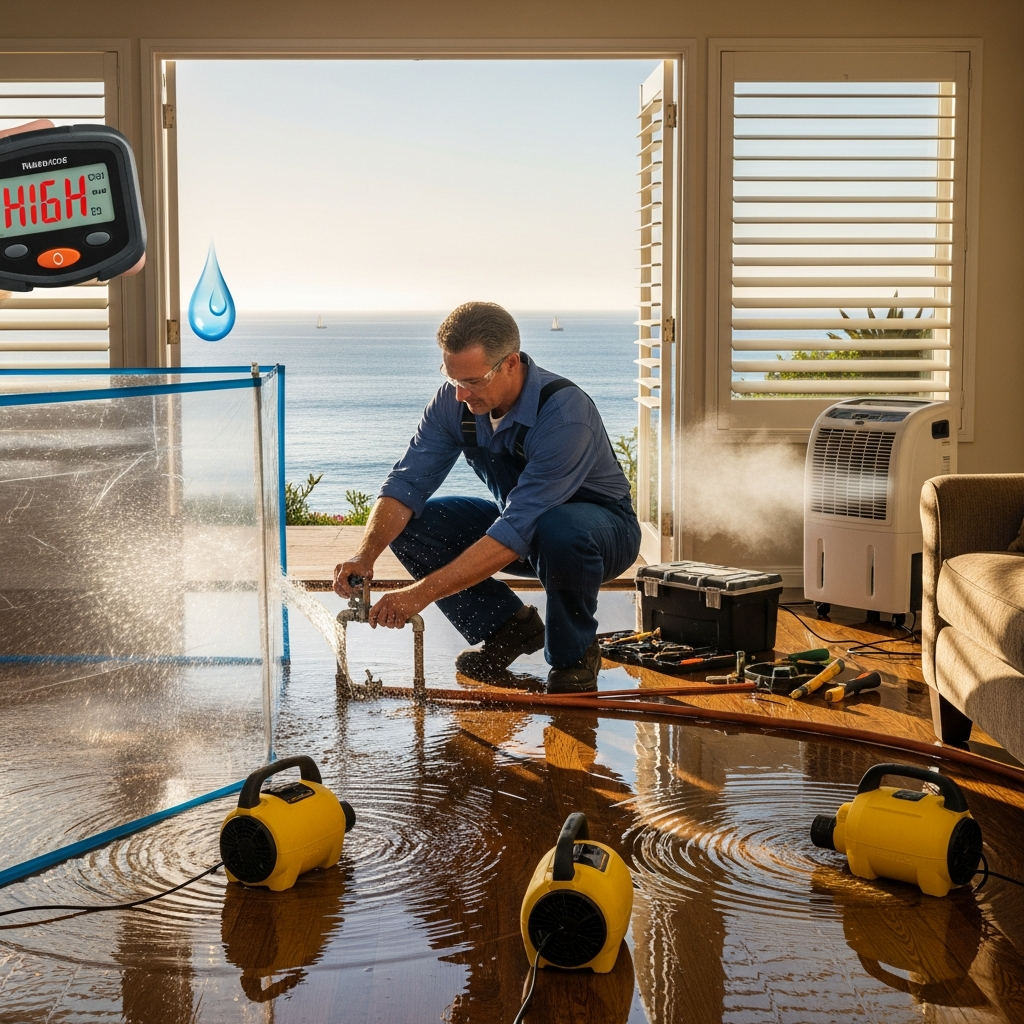
Not every drip justifies a midnight call, but in Malibu we learn to define “emergency” less by volume and more by potential to spread or escalate. A supply-line burst to an upstairs bath can send water across joists and down light cans into a kitchen. A pinhole leak in a soft copper line inside a coastal wall can aerosolize for months, feeding mold out of sight until a wall is soft to the touch. A dishwasher leak on a slab can wick under custom cabinetry and into toe-kicks where airflow is poor. Add the risk of power interruptions during Santa Ana wind events, and a modest spill can become destructive within hours, not days.
Think of an emergency as a moment where time multiplies the damage. If water is actively flowing, if you can hear dripping inside a wall, if a ceiling is bulging, or if contaminated water has entered living spaces, the clock is already running. Rapid response is not about drama; it is about physics, capillarity, and the reality that wet building materials decay in predictable patterns if we do not outpace them.
The first hour: Stabilize, assess, and document
When you discover a water emergency, safety comes first. If you can safely reach it, shut off the supply valve to the fixture or the main house valve. If the leak is electrical-adjacent—water near outlets, light fixtures, or appliances—consider powering down the affected circuits at the panel, but only if it can be done without stepping into standing water. Move irreplaceable items out of the splash zone: photo albums, instruments, heirloom rugs that can bleed dyes. Then take photos and short videos. Your future self, your adjuster, and your contractor will thank you for the clear timeline these images provide.
When a qualified team arrives, the first actions should feel purposeful and structured: finding and stopping the source, extracting bulk water, and mapping the wet footprint with moisture meters and infrared cameras. The goal is not to guess where the water traveled; it is to verify, because missed moisture behind a baseboard or under a sill plate is the seed of tomorrow’s odor or next month’s mold. In Malibu, where high-end finishes and bespoke millwork are common, targeted precision matters. The right approach avoids unnecessary demolition while still removing materials that cannot be reliably restored.
Drying science on the coast
Drying a home near the ocean carries quirks that inland teams sometimes underestimate. Our ambient air can be deceptively cool and humid, especially overnight. That means opening all the windows may feel right but actually slow drying by allowing moist marine air to circulate over wet surfaces. Competent responders use controlled airflow, dehumidification, and temperature management tailored to the day’s dew point and the building’s materials. Oak floors with oil finishes, plaster walls with historical lime layers, and solid-wood cabinet boxes all respond differently to moisture and heat. The art is finding the boundary between aggressive drying that saves materials and overzealous heat that warps them.
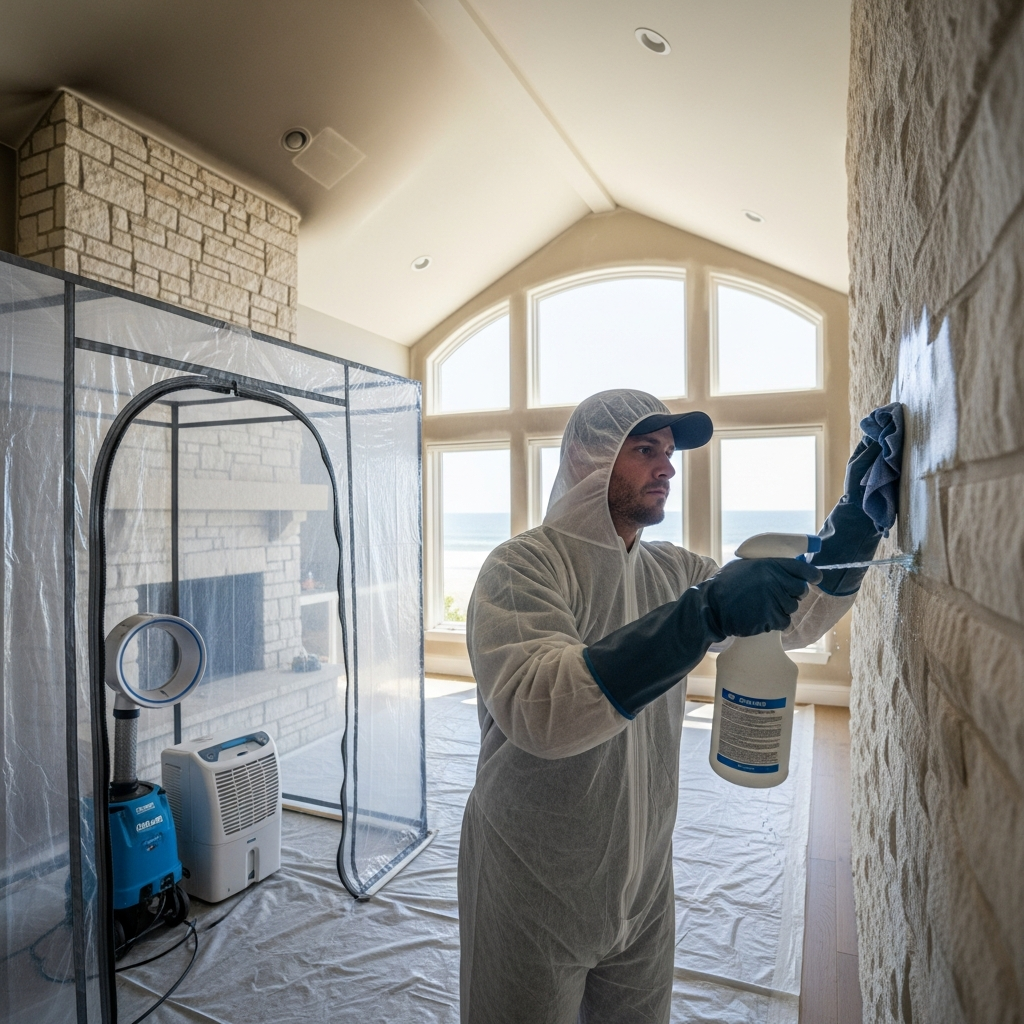
Containment is another hallmark of smart coastal drying. Setting up poly barriers and negative air where appropriate keeps the driest air pointed where it is needed and prevents spread of dust and spores if minor demolition is required. In homes with ocean-facing sliders and big spans of glass, directing airflow across large rooms might seem easy, but the real challenge is the dead corners: the toe-kicks, the backs of closets, the cavity behind a built-in bench. In those spaces, patience and instrumentation are your allies, not guesswork.
Hidden pathways: Flooring, walls, and ceilings
Malibu residences frequently mix materials—engineered floors transitioning to hand-laid stone, smooth coat walls meeting reclaimed-beam ceilings. Water finds the seams. Under floating engineered floors, a vapor barrier can trap moisture unless panels are lifted or a specialty mat extraction system is used. Behind smooth plaster, cracks invisible to the eye can let moisture migrate to adjacent rooms. Ceilings riddled with can lights offer an invitation for water to pool and drip through, yet it may also run along joists to surprise you in a far corner. An experienced restorer will trace these paths not only with a meter but with a mental map of how local builders frame and finish coastal homes.
When removing materials becomes necessary, surgical precision helps preserve the home’s fabric. Clean, straight flood cuts, carefully cataloged trim, and labeled fasteners make later restoration seamless. Malibu often calls for collaboration with artisans—plaster specialists, millworkers, and flooring refinishers—so that the eventual repairs don’t merely hide damage but return the space to its intended character.
Mold timelines and decision points
We live in an environment where warm days and cool, moist nights can encourage microbial growth. The clock for mold doesn’t start at the moment of a spill; it starts after surfaces remain wet and unventilated long enough for spores to colonize, which can be a matter of a few days in the right conditions. The aim is not panic but clarity: dry early, and you sidestep a separate remediation phase. If growth is already visible or odors are present, the plan shifts to include containment, filtration, and removal or cleaning according to accepted industry standards. Malibu’s air may smell like eucalyptus and sea spray, but a musty note inside is a red flag that should not be perfumed away.
Choosing the right level of response is easier with data. Moisture content readings, psychrometric charts, and day-by-day logs tell a story your insurance carrier understands. They also let you and your contractor make a choice between saving and replacing with confidence rather than hope. In a high-value home, saving original flooring or millwork is usually worth the extra day of careful drying, and documentation proves why that path makes sense.
Water sources unique to Malibu emergencies
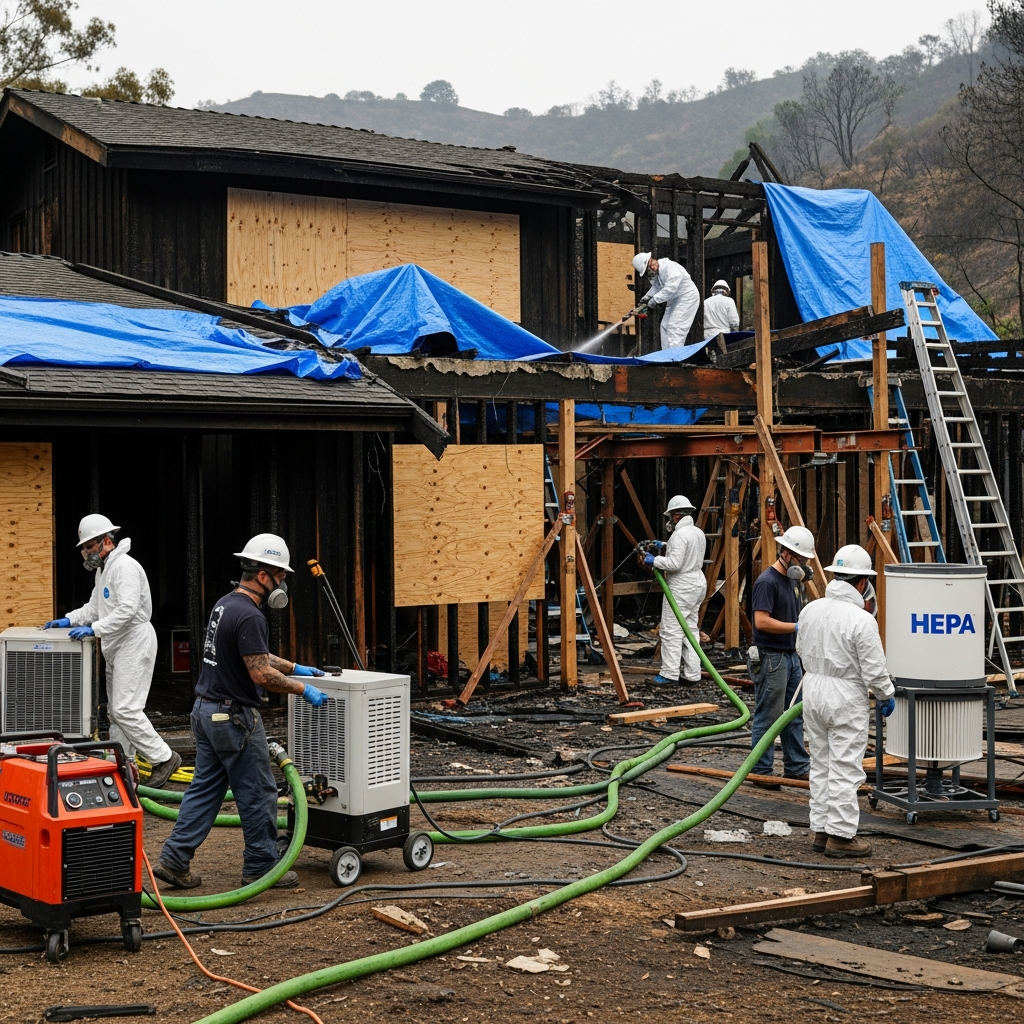
Beyond the typical pipe failures, Malibu has storylines all its own. Hillside runoff after a sudden storm can overwhelm backyard drains and intrude underneath sliders. Firefighting efforts—thankfully rare but unforgettable—can saturate roofs and interiors with tens of thousands of gallons of water meant to save the structure. Pool equipment rooms tucked into the slope can discharge silently for hours before anyone notices. Even marine layer condensation can accumulate in under-ventilated crawlspaces, slowly lifting moisture into subfloors. Understanding these sources changes both response and prevention plans.
After the immediate crisis, look upstream—literally. French drains clogged with roots, scuppers blocked with leaves, and gutters undersized for a canyon’s microburst can all set the stage for the next emergency. A holistic conversation with your contractor should include exterior water management and routine inspections adjusted for our local topography.
Communication, coordination, and insurance
Emergency work is as much about people as it is about equipment. In Malibu, households often include family members coming and going, caretakers, pets, and sensitive schedules. Transparent timelines and daily updates reduce that stress. If insurance is involved, a well-documented scope bridges the gap between carrier requirements and what your home actually needs. Photographs, readings, and written notes keep everyone aligned. For second homes where owners may be out of town, remote updates—photos, summaries, and clear milestones—become lifelines that let decisions happen without delay.
It is also common here for restoration to overlap with other work: roofers addressing a failure point, plumbers upgrading lines, or electricians evaluating fixtures that got wet. When teams collaborate instead of compete, the outcome is faster and cleaner, and the house avoids the churn of repeat visits and rework.
Materials and finishes: Saving what matters
Emergency response should respect craftsmanship. Malibu homes often include imported stone, custom Venetian plaster, hand-scraped floors, and built-ins sized to the inch. Drying that is too aggressive can etch stone or craze finish coats. On the other hand, timid drying risks swelling, delamination, and microbial bloom. The compromise is not random; it is engineered. Good contractors will test inconspicuous areas, monitor temperature and humidity at the surface—not just in the room—and adapt in real time. The right decision is usually the one that preserves both structure and story.
And yes, sometimes replacement is wiser. Swollen MDF, disbonded veneers, and waterlogged carpet pads rarely return to form. The mark of a seasoned local expert is not a promise to save everything, but the judgment to know what can be saved without future regret.
Mid-crisis calm: Choosing help and setting expectations
In the middle of an emergency, clarity can feel like a luxury. Yet a few grounded decisions make a big difference. Ask when the team will arrive and what they will do in the first hour. Ask how they will protect clean areas from wet ones. Ask how they log moisture and share results. Look for confidence born of repetition, not bravado. Most of all, make sure your restorer can explain the plan in plain language. Technical expertise is essential, but your home also needs empathy and steady guidance to carry you through the disruption to the other side. During this phase, it helps to remember there is a mature discipline behind those humming dehumidifiers and air movers; professional water damage restoration combines building science, environmental health, and the kind of fieldcraft that only comes from years spent walking wet houses back to life.
After the drying: Repairs that feel like a return, not a reset
Completion is more than hitting a moisture number. It is walking into a room and recognizing it again. That means color matches that respect sunlight exposure at different hours, sheens that blend across new and old, and meticulous transitions where flooring was lifted and re-laid. If an emergency exposed vulnerabilities—like a precarious drain path or an unprotected door threshold—this is the moment to correct them so that the next storm becomes a shrug and a towel, not a crisis.
Post-project walkthroughs are valuable. They give you a chance to ask what was found behind the scenes, how equipment was tuned for your home, and what maintenance will keep everything sound. In Malibu, where the landscape changes with each season, those small insights add up to real resilience.
Prevention tuned to the coast
No one can immunize a home against water. But you can decrease the odds and blunt the impact. Inspections before the rainy season, roof and gutter maintenance at the end of summer, testing shutoff valves so they actually turn when needed, and installing leak detection on high-risk appliances are pragmatic moves. Landscape grading that favors the house, not the hill, is another. For oceanfront properties, weatherstripping that is checked and replaced before winter winds arrive can be the difference between a damp mat and a wet living room. These steps don’t eliminate emergencies, but they transform them from full-blown events into manageable incidents.
Stories from the shoreline
Ask around at a local coffee shop and you will hear versions of the same tale: an upstairs supply line failed while a family was at dinner on the pier; a mini-split condensate line clogged and dripped behind a media wall; stormwater pooled against a slider and slipped under at 2 a.m. What the better endings share is quick action, clear communication, and a respect for both science and craft. The house dries. The smell fades. The walls go back together. And the homeowners look out at the Pacific with relief instead of worry.
Frequently Asked Questions
How fast should I call for help after discovering a leak or flood?
Call as soon as you have addressed immediate safety concerns. In our coastal climate, materials can tip from wet to compromised in a short span, and early extraction and controlled drying often determine how much can be saved. Even if you are unsure how serious it is, a quick assessment by a qualified team will set the right course.
Will opening windows help dry my home faster?
Not always. Malibu’s marine layer frequently brings high humidity, especially overnight, which can slow evaporation. A controlled environment—using dehumidifiers, air movers, and temperature management—usually beats random window opening. Your restorer should make that call based on current conditions and measurements.
Do I need to replace drywall that got wet?
It depends on how long it was wet, the type of water involved, and whether the drywall swelled or lost structural integrity. In many cases, careful drying and targeted removal—such as clean flood cuts—allow partial replacement rather than gutting entire walls. Decisions should be based on moisture readings and visible condition, not guesswork.
How can I tell if mold has started?
Persistent musty odors, discoloration that spreads or appears fuzzy, and elevated moisture readings behind finishes are clues. However, mold can begin in concealed spaces before it is visible. Timely drying is the best prevention, and if growth is suspected, proper containment and remediation protect the rest of the home.
What should I move first when water intrudes?
Prioritize safety, then remove items most vulnerable to staining or swelling: area rugs, books, instruments, art on the floor or low shelves, and electronics on or near the ground. Place foil or wood blocks under furniture legs to prevent dye transfer and indentations if a professional team advises it.
Can hardwood floors be saved after significant water exposure?
Often, yes. With timely extraction, panel lifting when appropriate, and balanced heat and dehumidification, many solid and engineered floors can be returned to flat and stable condition. The key is early action and ongoing monitoring to avoid over-drying or cupping that locks in.
How does insurance usually handle emergency water damage?
Policies vary, but carriers generally expect prompt mitigation to prevent further harm. Thorough documentation—photos, moisture logs, and a clear scope—helps align coverage with the real work required. Communicate early with your adjuster and keep records of actions taken.
If you are facing a water emergency right now, you do not have to navigate it alone. Reach out to a trusted local team that understands our coastline and our construction, and invite them to steady the situation and set a clear plan. When you are ready to turn urgency into momentum, start with proven water damage restoration and let your home’s return to normal begin today.