Why Prompt Action Matters on the Malibu Coast
There’s a rhythm to life in Malibu that locals understand: fog-laced mornings along Carbon Beach, sudden winter squalls that sweep up from Zuma, and Santa Ana winds that rattle canyons before the calm returns. That rhythm is beautiful, but it can also be hard on our homes. When water intrudes—through a roof seam during a wind-driven storm, from a pinhole leak behind a cabinet, or from a deck membrane above a family room—the clock starts ticking. The faster you respond, the easier it is to protect finishes, structure, and health. Timely water damage restoration isn’t just about drying things out; it’s about preserving the Malibu life you’ve built and minimizing disruption in a place where outdoor living and indoor comfort are closely intertwined.
In my years helping neighbors from Trancas to La Costa, I’ve seen how early intervention changes outcomes. Two homes can experience the same leak; the one that acts promptly often keeps its floors, avoids opening walls, and returns to normal in days rather than weeks. The other, slowed by uncertainty or delayed discovery, may face hidden mold, swollen cabinetry, and the logistical headache of extended repairs. Understanding the benefits of swift, professional restoration helps you make confident decisions when it matters most.
Protecting Structure and Preserving Finishes
Water moves through materials differently depending on their composition and coastal conditions. In Malibu’s humid baseline, wood fibers reach equilibrium moisture content more quickly, and if liquid water is introduced, they can swell or warp. Hardwood floors respond rapidly—cupping or crowning if moisture gradients aren’t corrected. Professional restoration identifies moisture pathways, applies balanced drying, and monitors progress to avoid over-drying that could crack delicate finishes like plaster or fine millwork.
Beyond floors, structural members such as sill plates and studs can wick water upward from a soaked baseboard, especially if capillary breaks are missing or compromised. A targeted response that removes minimal materials, increases airflow in wall cavities, and dehumidifies the interior stabilizes the assembly before microscopic damage compounds into visible deformation. The benefit is twofold: you save on replacement materials and retain the charm of custom features that give Malibu homes their personality.
Mold Prevention in a Marine Environment
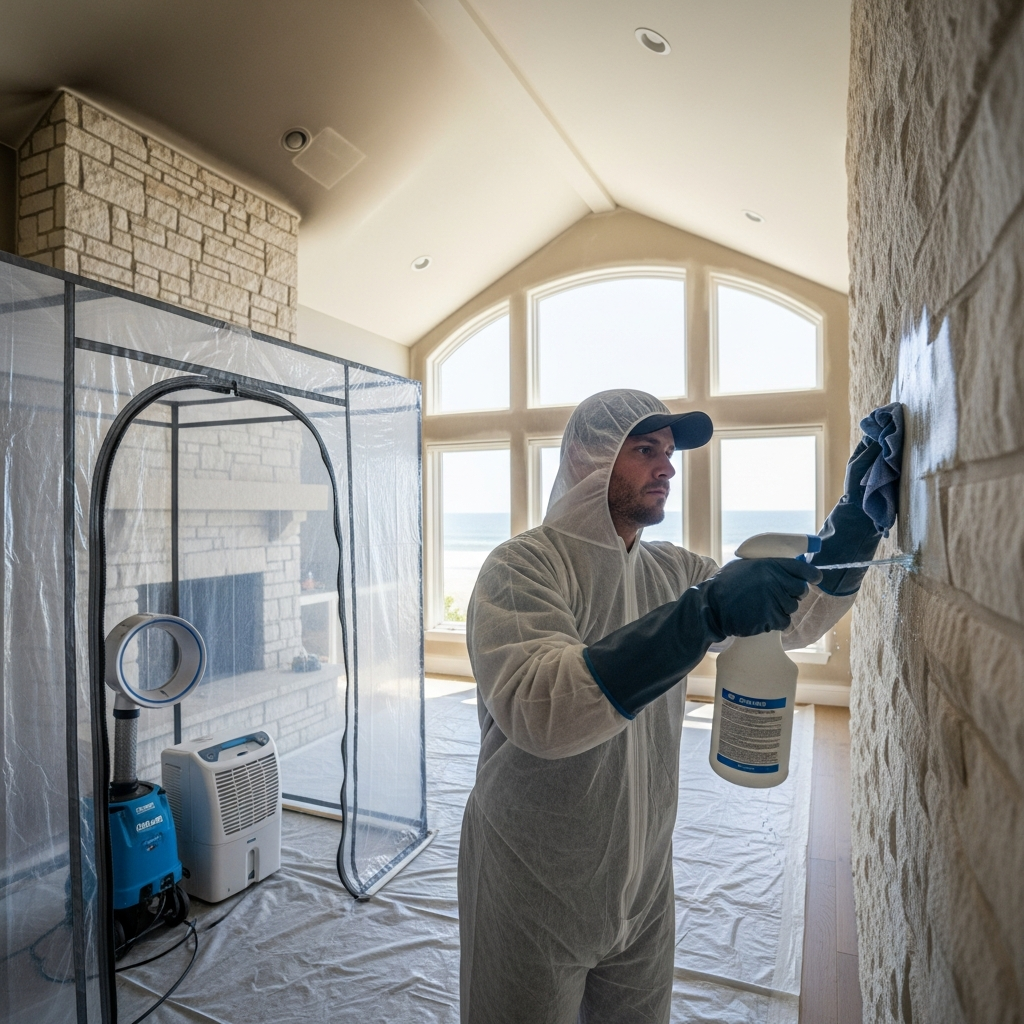
Malibu’s air alone can hover around humidity levels that let spores awaken. Add a leak, and you provide both moisture and a food source in drywall paper, dust, or wood. The clock for mold growth can be surprisingly short—often within 24–48 hours under the right conditions. Prompt restoration establishes drying within that window, uses containment to prevent cross-contamination, and employs filtration to capture airborne particles as materials are opened or agitated.
Health benefits follow. Sensitive individuals, children, and older adults are more likely to react to elevated spore counts. By addressing moisture quickly and thoroughly, you maintain healthier indoor air and avoid the snowball effect where a small incident becomes a home-wide air quality concern that lingers for months.
Stabilizing Indoor Climate and Comfort
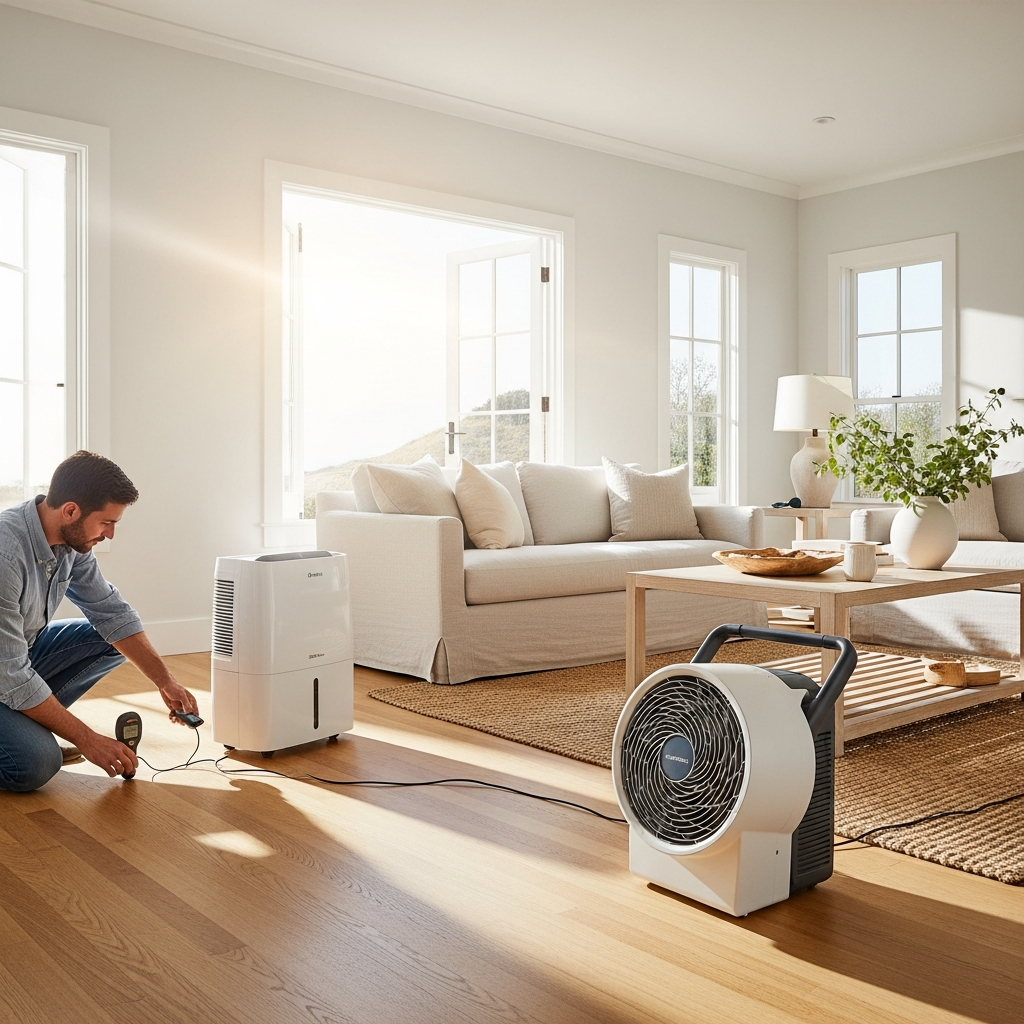
One underappreciated advantage of professional intervention is how quickly indoor conditions become comfortable again. Dehumidifiers and air movers aren’t just loud boxes; when deployed correctly, they pull moisture out of materials and air to restore the stable, pleasant feel you expect. In a coastal home where doors to patios swing open daily and sea breezes drift through, achieving that balance without professional-grade equipment can take far longer—especially during a stubborn marine layer stretch.
By returning humidity to the 40–50% range and evenly distributing airflow, restoration helps protect everything from musical instruments and artwork to handcrafted cabinetry and vintage rugs. Your home feels like your home again, which is an intangible but real benefit after the stress of a leak.
Saving Time by Reducing Scope
Speed narrows the scope of work. If liquid water sits in baseboards and wicks into drywall, you may be forced to remove large sections to prevent hidden mold. If drying starts quickly, you can sometimes preserve the wall by removing only the baseboard, drilling discreet weep holes, and encouraging air circulation in the cavity. The fewer materials you remove, the fewer trades need to return later for patching, finishing, and painting.
In Malibu, where logistics can be challenging due to access, parking along PCH, or neighborhood constraints, a smaller project footprint translates directly to less disruption. You keep your routines, protect privacy, and reduce the time your home is a jobsite.
Documentation That Streamlines Insurance
Another benefit you feel immediately during restoration is clarity with insurance. Detailed photographs, meter readings, and drying logs tell a clean story: what happened, what was affected, and why each step was necessary. This documentation supports communication with adjusters, shortens back-and-forth, and helps ensure the agreed-upon scope covers the true needs of your home. In second homes or rentals—common in Malibu’s coastal neighborhoods—timelines and clarity are especially valuable when owners are off-site or coordinating from afar.
Clear records can also inform future improvements. If a slider threshold leaked repeatedly during wind-driven rains, your file becomes a blueprint for a more robust sill pan or improved drainage at the next renovation.
Preserving Property Value and Architectural Integrity
Malibu homes often feature bespoke craftsmanship: plaster finishes that capture light in a specific way, tile installations curated over years, or wide-plank floors selected to age gracefully with sea air. Swift restoration protects these investments. Avoiding unnecessary demolition means preserving the continuity of materials that, once removed, are difficult to match perfectly. The long-term value of keeping original elements intact is significant, both emotionally and financially, even if no one ever appraises the feeling you get when the evening sun warms a wall just so.
By controlling moisture swiftly, you also prevent secondary damage like rusting fasteners beneath decks, staining at stone thresholds, or corrosion at window hardware. These subtle degradations add up over seasons if not addressed, quietly eroding both the performance and perceived quality of a home.
Reducing Environmental Impact Through Targeted Work
Focused restoration often means fewer materials sent to landfill. Instead of tearing out entire walls, you might preserve them with precise drying and limited access points. Less demolition means less dust, less transport, and a smaller carbon footprint—outcomes in line with Malibu’s stewardship values. Thoughtful drying can also save finishes that would otherwise need replacement, preserving the embodied energy in those materials.
When antimicrobial treatments are necessary, conscientious teams use products appropriate for the setting and apply them sparingly within containment, protecting both indoor air quality and the broader environment. A tight, well-managed scope thus benefits both the homeowner and the coastline we all cherish.
Peace of Mind and Faster Return to Normal
Perhaps the most underrated benefit is psychological. Water events feel invasive—your sanctuary made vulnerable by an element you can’t easily corral. Once meters show moisture dropping and equipment hums steadily, you’re no longer guessing; you’re witnessing progress. Knowing that professionals are monitoring, adjusting, and safeguarding finishes lets you focus on life—kids at Malibu High, a morning surf window, or an evening with neighbors—rather than babysitting a problem.
That peace of mind extends beyond the incident. With a clearer understanding of why the intrusion happened and how to prevent a repeat, you move forward confidently. Storms become weather, not crises.
Tailored Strategies for Malibu’s Microclimates
Experience in Malibu matters. Restoration in a creek-adjacent property near Malibu Canyon differs from a beachfront condo by Surfrider. The former may battle uphill groundwater pressure and run-on from neighbors’ lots, while the latter contends with salt spray, constant humidity, and corrosion. A local approach calibrates equipment placement, drying targets, and protective measures to these realities. That means faster, more effective outcomes.
In practical terms, a seasoned team knows how to stage equipment to respect tight parking and strict HOA rules, how to protect sensitive finishes during containment, and how to plan around marine layer days when outdoor air won’t help. Those small, informed decisions add up to a smoother experience.
Better Outcomes for Complex Spaces
Malibu architecture celebrates indoor-outdoor flow: multi-panel sliders, courtyard rooms, and split-level living. These features complicate airflow during drying. Professionals insert air movers to create circulation in dead zones, add dehumidification where cool, shaded corners hold moisture, and seal or open certain transitions to control the way air moves. Done well, this choreography dries spaces evenly, preventing pockets that could remain damp and later feed mold.
Content care is part of this story. Rugs, art, and furniture may need to be lifted, tented, or temporarily relocated. Gentle handling and smart staging protect valuables while maximizing the effectiveness of drying equipment.
Long-Term Resilience Through Insight
Every incident is a teacher. The best restoration teams leave you with more than a dry home; they provide insight into vulnerabilities and upgrades that would pay off. You might learn that a specific door needs a better pan, that a downspout wants extension to a swale, or that a crawl space requires a continuous vapor barrier. Applying those lessons hardens your home against the next storm season.
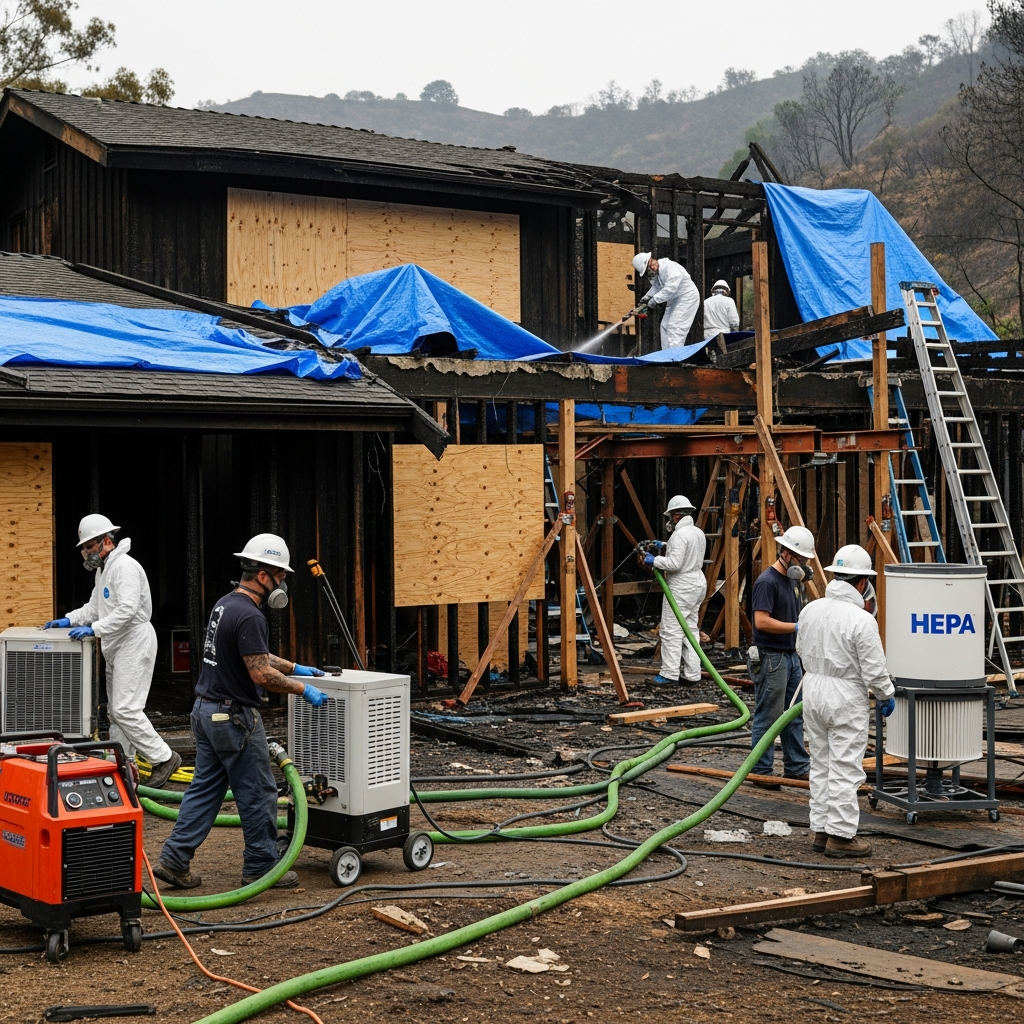
In neighborhoods recovering from fire or dealing with post-storm erosion, those insights can also steer community-level solutions—shared drainage improvements, coordinated maintenance, or thoughtful planting to stabilize slopes. Your home becomes part of a broader pattern of resilience along the coast.
How soon should restoration start after discovering water damage?
Ideally within the first 24 hours. Early action limits moisture migration, preserves materials, and reduces the risk of mold. The sooner drying begins, the more likely you can avoid opening walls or replacing finishes.
Will professional drying save my hardwood floors?
Often, yes—especially if cupping is slight and drying begins quickly. Balanced, controlled dehumidification and airflow can bring moisture content down evenly. Severe saturation or long delays make salvage less likely, but prompt action gives you the best chance.
Do I need to leave my home during restoration?
Not always. Many projects proceed while you remain at home, with equipment placed to maintain function and privacy. Sensitive cases—extensive demolition, strong odors from necessary treatments, or health considerations—may warrant temporary relocation.
How do I know if there is hidden moisture in walls or floors?
Moisture meters, thermal imaging, and strategic access points reveal what’s behind the surface. Professionals combine these tools with local knowledge of building assemblies to map moisture accurately and ensure complete drying.
What about mold—should I be worried after even a small leak?
Mold concerns depend on exposure time, material type, and humidity. A small, promptly dried spill is unlikely to trigger an issue. Delays or porous materials increase risk. Monitoring and, if needed, targeted containment and filtration manage this proactively.
Will restoration disrupt my routine?
Equipment generates sound and airflow, but careful staging keeps spaces usable. Communication about schedules, access, and expectations minimizes disruption. The faster you act, the shorter the period of inconvenience.
Ready to safeguard your Malibu home’s comfort and value?
If you’ve discovered a leak or want a proactive assessment before storm season, connect with seasoned professionals who understand our coastline, our microclimates, and our architectural details. Swift, precise water damage restoration preserves finishes, protects health, and gets life back on track—so you can return to sunsets, surf checks, and the peace that drew you here in the first place.