Owning property in Malibu is both a privilege and a responsibility. The views are breathtaking, the communities are tight-knit, and the coastal lifestyle is unmatched. Yet when fire intrudes—whether from a wind-driven brush event or a contained but smoky kitchen incident—the path back to normal depends on decisive action taken by professionals who understand our specific terrain and climate. That is why restoration expertise rooted in Calabasas, with its daily proximity to Malibu’s neighborhoods, matters so much. Early engagement with experienced fire damage restoration specialists is the most reliable way to protect your investment, safeguard your health, and shorten a stressful timeline.
Malibu’s built environment has unique traits that change the rules of recovery. Many homes blend indoor and outdoor spaces with large openings, complex rooflines, and materials that interact with smoke in different ways. Coastal humidity, salt air, and cool mornings can turn fine soot into a corrosive film that migrates and sticks, particularly on metal, stone, and glass. Add in the realities of steep driveways, canyon winds, and access routes that depend on Pacific Coast Highway, and it becomes clear why local knowledge is not just helpful, but essential.
When a property is impacted by smoke or flames, the clock starts ticking. Secondary damage—corrosion, staining, and microbial growth from suppression water—begins quickly. A Calabasas-based team accustomed to Malibu logistics can get on site fast, prioritize stabilization, and create a plan tailored to the home. That plan must consider more than visible soot; it needs to account for air systems, attics, wall cavities, and the way smoke and moisture move through the building. The goal is as much about preventing new problems as it is about fixing the obvious ones.
The Urgency Behind Proper Restoration
Restoration matters because it interrupts the chain reaction triggered by fire. Soot is acidic, water spreads silently, and both exploit every weakness in a structure. If residues are left in place, metals pit, stone etches, and painted finishes discolor. If water remains trapped in subfloors or insulation, microbial growth can take hold, creating a different category of health and building challenge. Quick, informed decisions backed by the right tools halt this cascade and preserve options for repair instead of replacement.
It is also about the people living in the home. Airborne particulates do not wait politely for schedules to align; they move during the day as temperatures rise and HVAC systems cycle. Early containment, targeted cleaning, and strategic ventilation make a meaningful difference in how livable a space can be while repairs proceed. For property owners with young children, older family members, or anyone with respiratory sensitivities, controlling indoor air quality is not optional—it is a priority that affects daily comfort and well-being.
Local Conditions That Shape the Work
Our coastal microclimate guides many of the small choices that add up to a successful project. Timing odor treatments when the marine layer lifts, sequencing drying around nighttime humidity peaks, and isolating zones so that open-plan layouts do not spread contaminants are all tactics tuned to Malibu’s environment. Even debris handling is shaped by geography: steep lots on Rambla Pacifico or narrow streets above Point Dume require careful planning so trucks, equipment, and neighbors can coexist during a challenging moment.
Construction details matter, too. Malibu homes range from classic stucco with red tile roofs to cedar-clad modernist designs, each presenting different vulnerabilities. Wood soffits and open eaves can channel smoke into attics. Stainless fixtures near the coast need early corrosion control. Some finishes trap odors more readily and demand gentler, repeated cleaning rather than aggressive first passes that can embed residues. Teams familiar with these materials choose the right methods the first time, avoiding delays and unnecessary replacement.
Protecting Property Value and Timelines
For many owners, especially those who rely on rental income or who are preparing to sell or refinance, time is not just money—it is momentum. Projects that start strong tend to finish faster. A well-scoped plan means approvals come sooner, and a methodical sequence reduces rework. Restoration rooted in Calabasas brings an organizational advantage: crews and supervisors who know the permitting landscape, communicate effectively with adjusters, and can rally specialists—HVAC cleaning, contents restoration, or fine stone care—without losing days to coordination.
Protecting property value also means protecting what makes a Malibu home special. When finishes are preserved rather than replaced, original design intent stays intact. When HVAC systems are cleaned thoroughly, expensive equipment is saved. Contents handling done right keeps sentimental pieces in the family and limits off-site storage fees. Those outcomes are only possible when restoration is precise, patient, and backed by clear documentation that satisfies insurers and keeps decisions moving.
Health and Safety: The Human Case for Professional Help
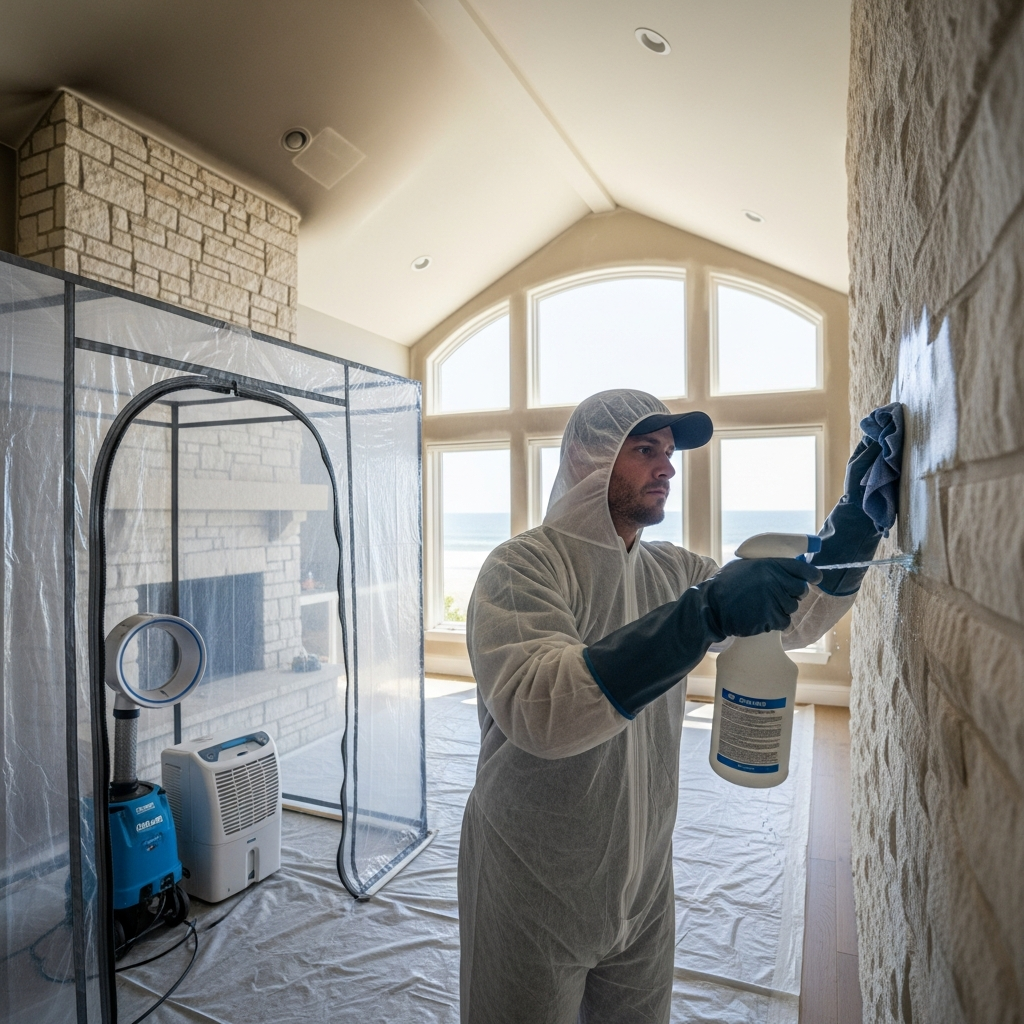
It is tempting to see smoke as primarily a surface problem, but its most serious effects are airborne and microscopic. Fine particulates infiltrate fabrics, insulation, and even the smallest cracks, releasing odor and irritants long after a room looks clean. Professional restoration answers that with a layered strategy: source removal, containment, HEPA filtration, and careful ventilation. In homes with split HVAC systems or multiple air handlers, each zone is addressed so that progress in one area is not undone by recirculation from another.
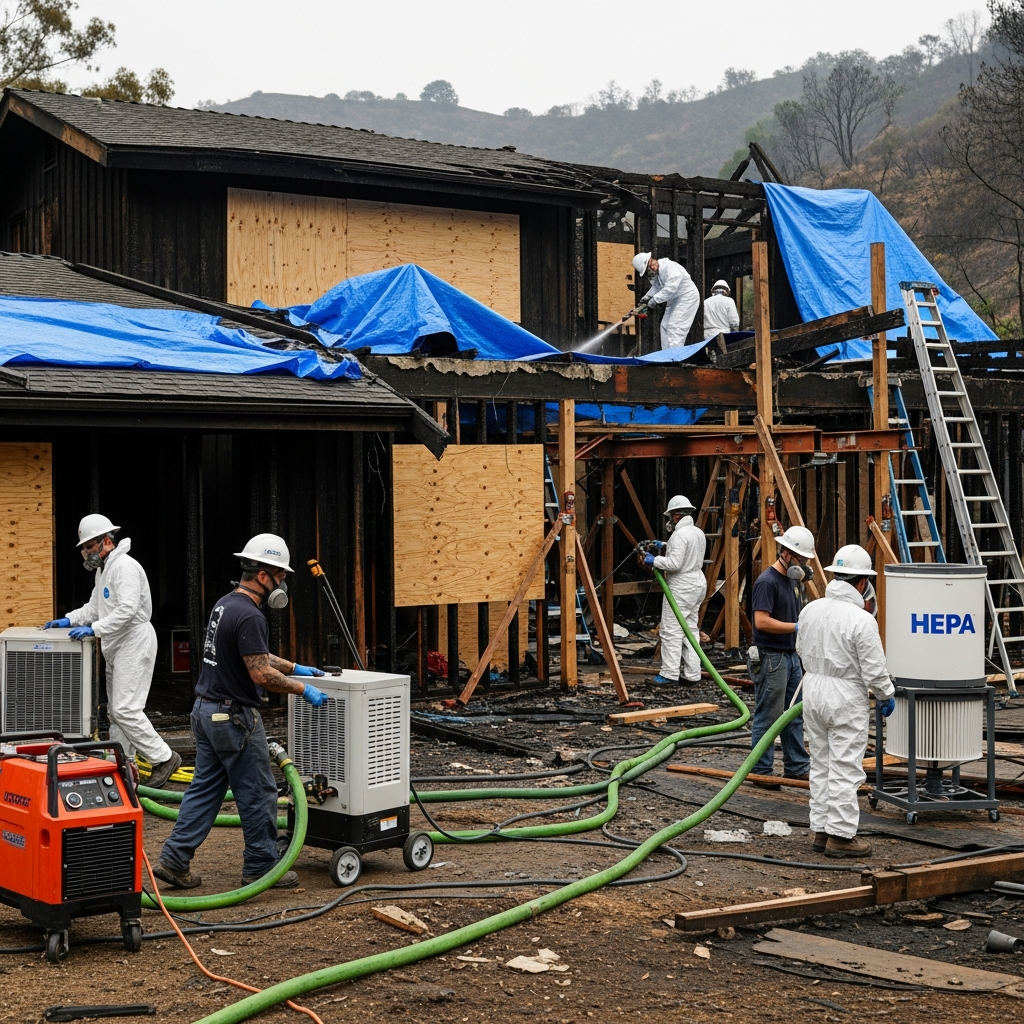
Safety underpins every decision. Before cleaning begins, a comprehensive hazard assessment identifies structural concerns, compromised electrical systems, or unsafe attic access. Debris removal, ladder work, and roof tarping are performed with clear protocols that protect crews and residents. This disciplined approach not only speeds the project but also reduces the chance of setbacks—an especially important consideration when homes are occupied during repairs.
Coordination with Insurance and Inspectors
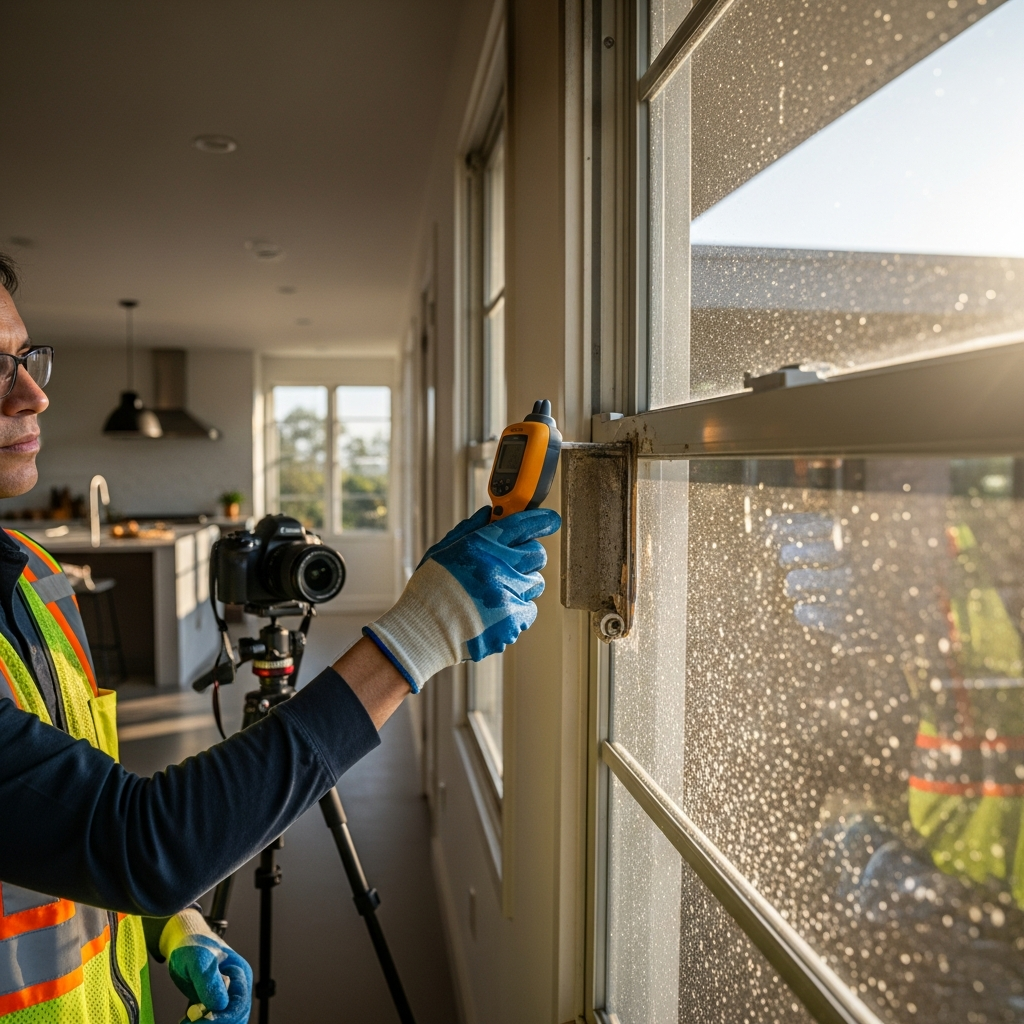
Another reason restoration matters: it clarifies the path through insurance. Meticulous photographs, moisture maps, soot tests, and itemized inventories inform adjusters’ decisions and establish a credible basis for scope and budget. Calabasas firms that routinely work in Malibu understand regional codes and inspection practices, which helps align repairs with what local authorities will expect to see for final sign-off. That alignment saves time and avoids the frustration of rework after an inspection.
When repair plans touch exteriors, decks, or structural elements, the permitting process comes into play. Local restoration partners help assemble the documentation needed, coordinate with trades, and phase work so that critical interior progress continues while exterior approvals move forward. The result is a steadier pace and fewer surprises, which translates into less stress for owners.
Resilience: Turning Recovery into an Upgrade
Smart owners use the restoration window to improve resilience. Ember-resistant vents, better attic air sealing, ignition-resistant decking, and updated weatherstripping all reduce future risk. Thoughtful material choices during repair—like swapping to more fire-resistive claddings or tempered glazing—protect long-term value. These improvements do not change the character of a Malibu home; they reinforce it, ensuring the architectural choices that make coastal living so inviting are better defended against the next wind event.
Resilience also means learning how the loss occurred. Was it a vent that let embers in? A storage area too close to a heat source? A roof where debris collects and dries? Restoration professionals provide that feedback as part of their closeout, helping owners understand where vulnerabilities were and what can be done now to prevent a repeat. Coupled with comprehensive fire damage restoration, those insights transform a setback into a plan for the future.
What Professionalism Looks Like Day to Day
Beyond tools and techniques, professionalism shows in communication and respect. Daily updates, clear milestones, and transparent change orders give owners control over the process. Crews that stage equipment neatly, respect neighbors, and protect finished areas with padding and containment reduce friction and protect the property while they work. That level of care is not extra; it is the baseline for teams who understand the expectations in Malibu’s neighborhoods.
Professionalism also appears in patience. Some materials respond best to multiple gentle passes rather than one aggressive treatment. Some odors recede only after both the source is removed and the air pathways are addressed. The willingness to do what the property requires, instead of what is fastest, preserves quality and delivers lasting results that will not unravel with the next warm afternoon or morning fog.
Frequently Asked Questions
Why can’t I just clean the soot myself?
Household cleaning tends to smear soot, drive residues deeper into pores, and set stains on stone, metal, and painted surfaces. Without containment and proper filtration, DIY efforts also redistribute particulates, spreading odor and contamination to unaffected rooms. Professional techniques are designed to remove, not move, contaminants and to protect sensitive finishes.
How long does restoration typically take?
Timelines vary with the scope of damage, permitting needs, and material availability. Stabilization often occurs within days, while full restoration can range from a few weeks to several months. Projects move fastest when documentation is strong, decisions are made quickly, and trades are coordinated smoothly. Your team should provide a clear schedule and update it as variables change.
What about my HVAC system?
Air handlers and ductwork frequently carry smoke from one end of a home to the other. Thorough cleaning includes sealing off runs, replacing filters, and accessing internal components where residues collect. Addressing HVAC early prevents recontamination and can reduce overall deodorization time. Skipping this step is one of the most common reasons smoke odor lingers.
Will insurance cover everything?
Coverage depends on your policy and the specifics of the loss. Strong documentation, including inventories, moisture maps, and before-and-after photos, supports favorable outcomes. Restoration teams accustomed to working with Malibu-area adjusters help present the facts clearly, but final decisions rest with your insurer. Your restoration partner should guide you on what documentation is needed and when.
Is it safe to live in the home during restoration?
Many projects can be phased to maintain habitability, using containment to separate work zones from living areas. Safety comes first: if utilities are compromised or if primary living spaces are significantly affected, temporary relocation may be recommended. Your team should help weigh quality-of-life considerations against project efficiency to choose the best path.
What makes Calabasas-based teams a good fit for Malibu?
Proximity and familiarity. Crews can mobilize quickly, understand local access and permitting, and are experienced with the materials and architectural styles common in Malibu. That familiarity shortens learning curves, prevents mistakes, and helps coordinate with insurers and inspectors who also serve the area.
When fire interrupts life on the coast, choosing the right help is the most important decision you will make. Start with a thorough assessment, a clear plan, and a partner who treats your home with the same care you do. Reach out today for trusted, local fire damage restoration so your property can move from disruption back to the comfort and ease that drew you to Malibu in the first place.