Living along the Calabasas–Malibu corridor means embracing the beauty and the risks of the Santa Monica Mountains. From canyon breezes that carry the scent of sage to ocean air that rolls in each afternoon, our environment is as dynamic as it is stunning. When a fire disrupts that balance—whether from a structure incident, a wind-driven brushfire, or embers that rode a gust across a ridge—homeowners quickly learn that the difference between lingering damage and a smooth return to normal often hinges on the quality of the first response. In those first days, coordinated fire damage restoration offers a powerful set of benefits that protect both the structure and the people inside it, translating hard-won local knowledge into practical results for Malibu homes.
Malibu’s homes, whether tucked above Carbon Canyon or perched closer to the shoreline near Broad Beach, present special considerations after a fire. Soot behaves differently in a house that opens to coastal humidity, salt air, and diurnal temperature swings. Water used during suppression can intrude below floors, wick up through baseboards, or settle into wall cavities, especially in properties with split levels common to hillside construction. Crews based in Calabasas frequently work these conditions and understand how to stabilize them quickly so that a temporary emergency does not become a long-term setback.
Restoration is not merely cleaning and repainting. It’s the disciplined process of stopping chemical deterioration, removing contamination, securing the building envelope, preserving finishes, and restoring healthy air. For Malibu homeowners, the benefits are both immediate and enduring: fewer secondary losses, better insurance outcomes, and a safer, faster path back to everyday life. Local expertise matters, because the same cedar soffit, steel cable railing, or custom plaster finish that defines a home’s character can be permanently marked by smoke if the wrong approach is taken.
Why Malibu–Calabasas Fire Conditions Demand a Specialized Response
Fires in our region often combine two forces: inland heat and coastal moisture. The marine layer that cools Malibu mornings can condense soot into a light acidic film, encouraging corrosion on fixtures and etching on stone. Meanwhile, canyon winds can push smoke deep into attics, crawlspaces, and HVAC runs. A response team that works the Calabasas-to-Malibu route daily will anticipate these patterns, focusing not just on visible deposits but also on the hidden pathways where contaminants travel and settle.
Homes here also reflect varied construction eras and aesthetics—from mid-century beach cottages with wood-framed windows to newer contemporary builds with open trusses and expansive glazing. Each surface interacts with smoke differently. Lacquered cabinets can trap odor, oiled hardwoods can absorb residues at a cellular level, and textured plaster can hold soot in microscopic pockets. A specialized response matches cleaning chemistry and technique to material, preserving both form and function while ensuring that indoor air, not just surfaces, is truly restored.
The Immediate Benefits: Stabilization That Protects Value
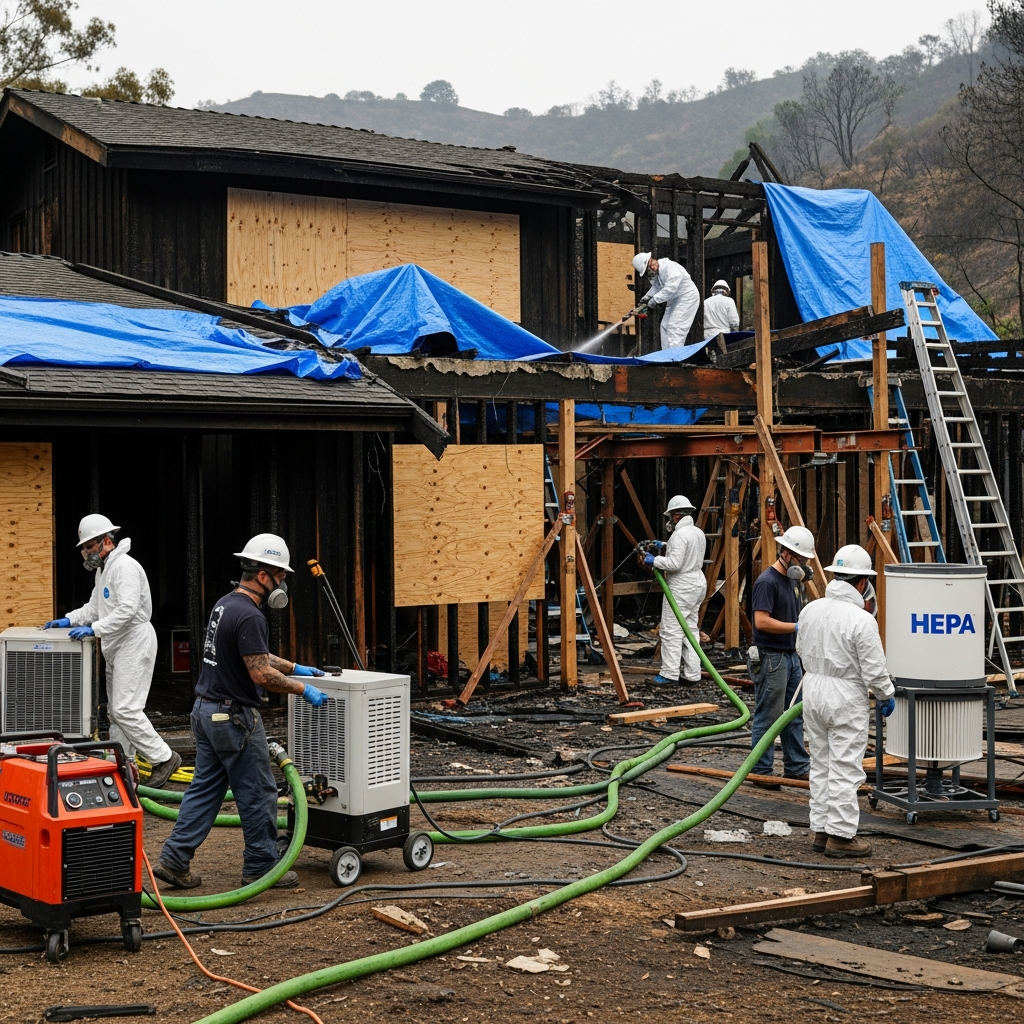
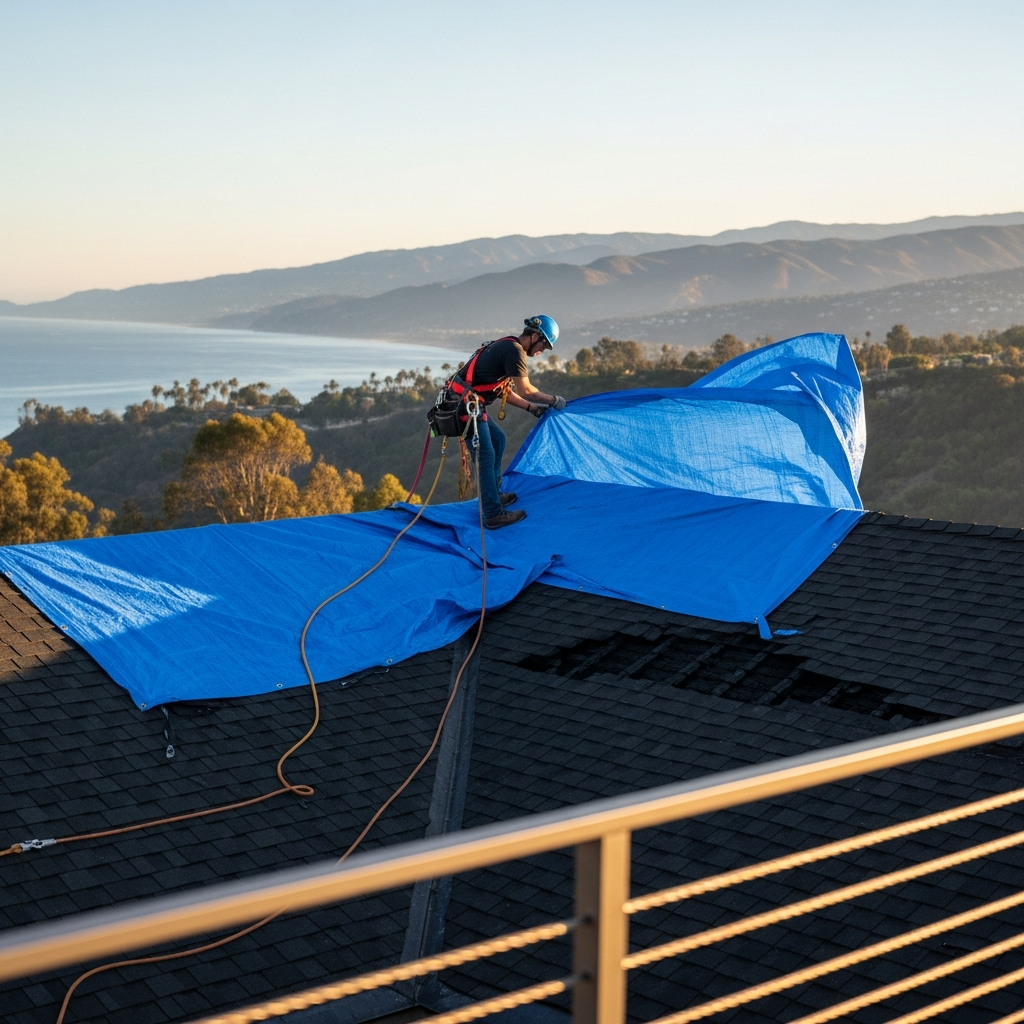
Within the first 24 to 72 hours, targeted stabilization can change the trajectory of a project. Tarping and board-up stop wind-blown ash, coastal moisture, and curious wildlife from entering the structure. Corrosion control arrests the reaction that causes metal pitting on fixtures and appliances, while prompt removal of char and ash prevents further staining. This front-loaded work reduces demolition needs later and preserves finishes that would otherwise be lost.
Water management is often overlooked but is among the most significant early benefits of professional restoration. Even a modest suppression effort can leave water absorbed into drywall, subfloors, and insulation. Without controlled drying, that moisture can foster microbial growth. Teams attuned to our climate deploy drying strategies that consider Malibu’s daily humidity swings and nighttime cooling, using balanced airflow and dehumidification to remove moisture thoroughly and safely.
Soot chemistry is another driver of early decisions. Protein fires from kitchens leave sticky, almost invisible residues that bond to paint and cabinetry, while wood smoke can be drier and powdery but still acidic. Correct media and detergents—paired with methodical application—prevent smearing, embedding, and further damage. This is where trained technicians, familiar with local materials and finishes, protect value by keeping cleaning targeted and non-destructive.
Restoring Health: Indoor Air Quality and Odor Elimination
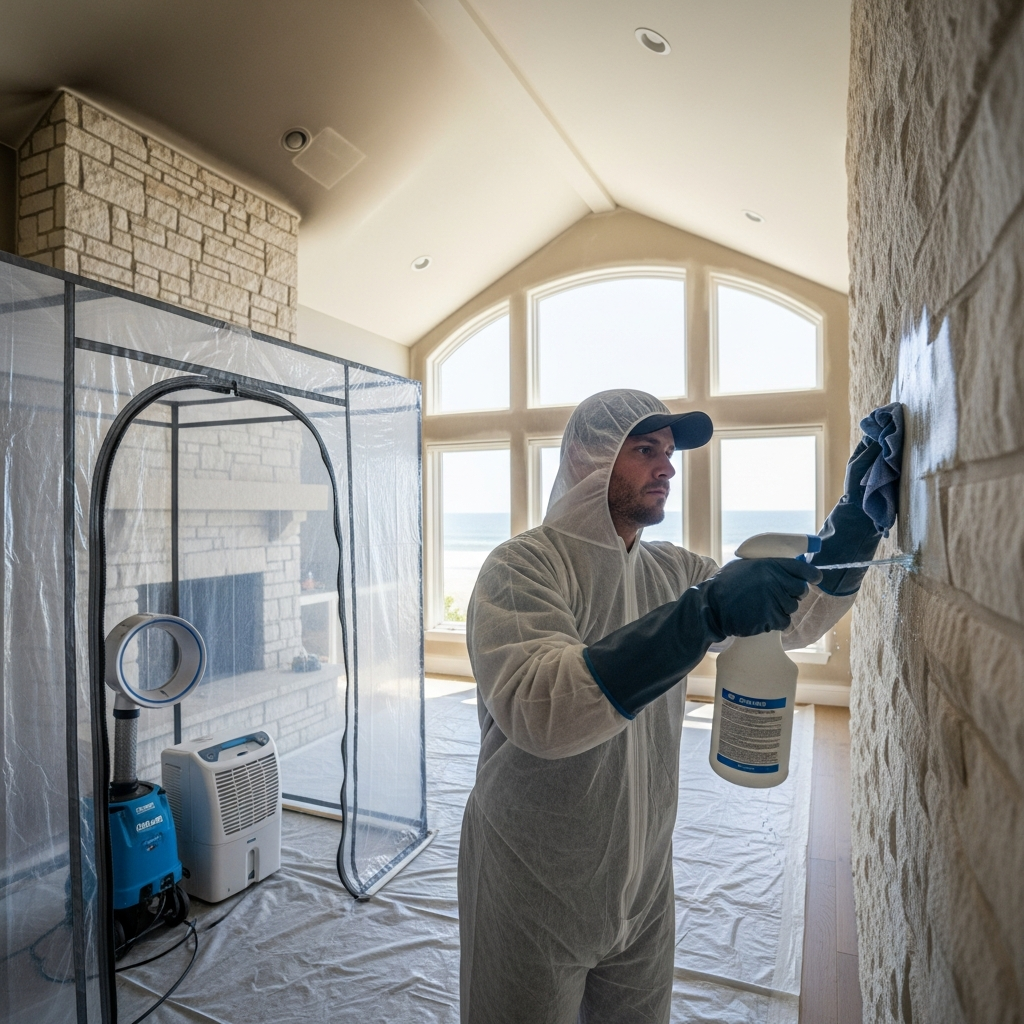
For many Malibu families, the most powerful benefit of restoration is the return to clean, healthy air. Smoke particulates are tiny and persistent, and without systematic removal they continue to circulate through the home. Source removal precedes any deodorization, meaning that soot must be physically eliminated before air treatments can work. Negative pressure containment keeps cleaned zones from recontamination, while filtration captures particulates that get disturbed during work.
Odor is more than a nuisance; it is a signal that compounds remain. That is why true odor control pairs deep cleaning with ventilation strategies and targeted neutralization. HVAC cleaning is critical; ducts often serve as long straws that pull smoke from remote areas into living spaces. Calabasas-based teams used to coastal homes understand how return locations, filter choices, and system run times affect outcomes, and they tune their approach so the system becomes part of the solution rather than a source of recurring odor.
Insurance, Documentation, and Peace of Mind
Another benefit, less visible but equally impactful, is the way a well-documented restoration supports an insurance claim. Detailed photo sets, moisture readings, soot tests, and itemized inventories create a record that aligns with adjuster expectations. When a loss is clearly mapped and communicated, decisions come faster, approvals are smoother, and homeowners spend less energy in back-and-forth conversations.
Local restoration companies often have established relationships with carriers and independent adjusters who serve Malibu. That shared language shortens timelines. Scopes of work and change orders are easier to navigate when everyone recognizes the building codes, materials, and common loss patterns in our region. This administrative efficiency translates into comfort: fewer uncertainties, fewer surprises, and a clearer understanding of what comes next.
Protecting Fine Finishes and Architectural Details
Malibu homes often feature distinctive details—hand-troweled plaster, custom steelwork, reclaimed oak, limestone counters—that need tailored care. The benefit of working with experienced technicians is not abstract; it shows up in what can be saved. Limestone that might have etched can be protected by neutralization and poulticing. Custom metalwork that would have pitted can be stabilized before corrosion sets in. Cabinet finishes can be decontaminated without stripping, preserving the original design intent.
Contents restoration brings another layer of value. Family photos, area rugs, and artwork can often be cleaned and returned. A thoughtful pack-out documents each item, preserves chain-of-custody for insurance, and restores normalcy faster by returning essentials in stages as rooms are completed. When handled with local sensitivity—taking into account Malibu’s ocean air and the habits of coastal living—these efforts return not just objects, but a sense of home.
From Recovery to Resilience: Upgrades That Pay Off
While restoration focuses on getting life back on track, many homeowners choose to incorporate resilience improvements during repairs. Ember-resistant vents, sealed eaves, and non-combustible vegetation zones around the structure can make a measurable difference in future events. Upgraded weatherstripping and improved attic air sealing reduce both smoke infiltration and energy loss. Where feasible, replacing compromised materials with fire-resistive alternatives extends the benefit of today’s work well into tomorrow.
Windows, decks, and exterior claddings deserve special attention. Tempered glass, ignition-resistant decking, and properly flashed stucco or fiber-cement can help a home withstand ember storms. When paired with expert fire damage restoration, these upgrades transform a difficult experience into an opportunity to fortify the property, striking a balance between Malibu’s open, indoor-outdoor lifestyle and smart protective measures.
Neighborhood Considerations and Local Logistics
Anyone who has navigated Pacific Coast Highway during peak hours or climbed Las Flores Canyon after a storm knows that logistics can complicate even straightforward projects. Local restoration teams plan material deliveries and debris hauling around these realities, reducing idle time and disruptions. They also understand neighborhood associations, architectural review boards, and the rhythm of local permitting, smoothing approvals for repairs that touch exteriors or structural elements.
There is also a community benefit to prompt, well-organized restoration. When one home is stabilized quickly, ash and debris are less likely to migrate to neighboring properties. Coordinated cleaning along a street or cul-de-sac can limit cross-contamination and help the whole neighborhood recover together. The result is a faster return to calm, fewer complaints about odors or airborne dust, and shared relief when the last air scrubber is wheeled out.
What Local Experience Looks Like on Site
On a practical level, the benefits of local experience show up in a thousand small decisions: which rooms to prioritize for early cleaning so a family can live in part of the home; how to stage equipment to minimize noise in echo-prone spaces; when to schedule odor treatments to align with ocean breezes and optimal ventilation. Crews who know Malibu’s microclimates choose approaches that work with, not against, the environment, saving time and improving results.
Communication habits matter just as much. Homeowners appreciate clear daily summaries, before-and-after photos, and precise expectations about the next phase of work. The best teams fold that communication into their process so that fewer questions go unanswered and homeowners feel guided rather than overwhelmed. That clarity itself is a benefit, turning a chaotic event into a series of understandable steps.
Choosing the Right Partner for Malibu Homes
Credentials and equipment are necessary, but fit is crucial. A strong partner listens closely, respects the architecture, and adapts to each home’s quirks. If your property has a wine room, a wood-burning pizza oven, or a studio above the garage, those spaces have different ventilation and material profiles that affect restoration. Local professionals anticipate those needs and tune their methods accordingly, whether that means extended deodorization, specialized HEPA filtration, or gentle hand-cleaning for delicate finishes.
It also helps when a team knows which details matter locally. From proper handling of surfboards and outdoor textiles to the right approach for sun-faded finishes, that familiarity turns into better outcomes. When in doubt, choose the team willing to explain why a certain method is best and who can point to past projects in Malibu neighborhoods similar to yours. Their grasp of context becomes your advantage during a stressful time.
Frequently Asked Questions
How soon should restoration begin after the fire is out?
Stabilization should begin as soon as the property is released by authorities and safe to enter. The first 24 to 72 hours are critical for corrosion control, moisture management, and containment. Starting early reduces secondary damage and preserves finishes, which in turn shortens the overall timeline. Even if full repairs must wait on approvals, a focused initial phase will protect the home and set up success for the remainder of the project.
Will the smoke smell really go away?
Yes, when source removal is thorough and odor control is applied correctly. Persistent odors usually indicate that soot remains—often in porous materials, hidden cavities, or HVAC systems. A complete plan addresses all three: physical removal of residues, ventilation and filtration to clear airborne particulates, and targeted neutralization steps. When each layer is handled properly, the smoke odor does not return with changes in temperature or humidity.
Can my family stay in the home during restoration?
It depends on the extent and location of damage, as well as your comfort with ongoing work. Many projects can be phased so that a portion of the house remains livable, supported by containment barriers and separate access routes. If utilities are compromised or the damage involves critical areas like the kitchen or bedrooms, a temporary relocation may be safer and more comfortable. Your restoration team should help you weigh the options and design a plan that fits your needs.
What items are most often salvageable?
Hard goods such as stone, metal, and finished woods are frequently recoverable with the right techniques. Textiles, rugs, and some upholstered pieces can often be restored, especially if they are treated promptly. Paper goods, photos, and electronics require specialized handling. Decisions are case by case, guided by condition, replacement availability, and sentimental value. A methodical pack-out and evaluation will identify the best candidates for restoration.
How does Malibu’s coastal environment affect restoration?
Salt air accelerates corrosion and, combined with moisture, can turn light soot into a more aggressive contaminant. That means corrosion control and thorough drying are especially important. Open-plan designs and operable walls common to coastal homes can also allow deeper smoke migration. Restoration plans in Malibu account for these factors by prioritizing air movement, sealing, and protective measures that match our microclimate.
What should I look for in a restoration company?
Seek a team with verifiable local experience, clear communication practices, strong documentation habits, and the ability to explain their approach in plain language. Ask how they manage HVAC systems, what they do in the first 48 hours, and how they protect sensitive finishes. References from Malibu projects, proof of insurance, and familiarity with regional codes are also important indicators that you are in capable hands.
If your Malibu home has been touched by smoke or fire, you do not have to navigate recovery alone. Start with a conversation and an on-site assessment, and move forward with a plan that prioritizes your health, your home’s character, and your peace of mind. To take the first step, contact a trusted local team for comprehensive fire damage restoration and put your property on the quickest path back to normal.