When a wildfire sweeps through the canyons or a kitchen flare-up spreads smoke through a Malibu home, the clock starts ticking on the health of your building materials and the well-being of everyone inside. As a local who works both sides of the hill, I’ve seen how quickly corrosive soot can etch glass, tarnish fixtures, and sink into coastal hardwoods. That’s why residents in Malibu often reach to the Valley for specialized help and hire experienced teams based in Woodland Hills. Proximity across the 101 and Topanga Pass, paired with crews who understand both the coast and the canyon, makes a measurable difference. If you’re beginning to research your options, start by learning what comprehensive fire damage restoration really entails in our region, from emergency board-ups and smoke removal to odor control and safe re-occupancy.
People sometimes imagine that once the visible flames are gone, the hard work is over. In truth, the aftermath in Malibu is uniquely complicated. The ocean air carries a marine layer that mingles with smoke particles, accelerating corrosion on metals and electronics. Homes perched on slopes face drainage issues after firefighting, as thousands of gallons of water find their way into crawlspaces, basements, and hillside retaining structures. Meanwhile, traffic choke points like PCH and canyon roads can complicate logistics, making speed and planning essential. Woodland Hills teams are accustomed to these variables; we stage equipment to move fast and understand how to navigate closures so mitigation begins before secondary damage sets in.
Why hiring from Woodland Hills makes sense for Malibu
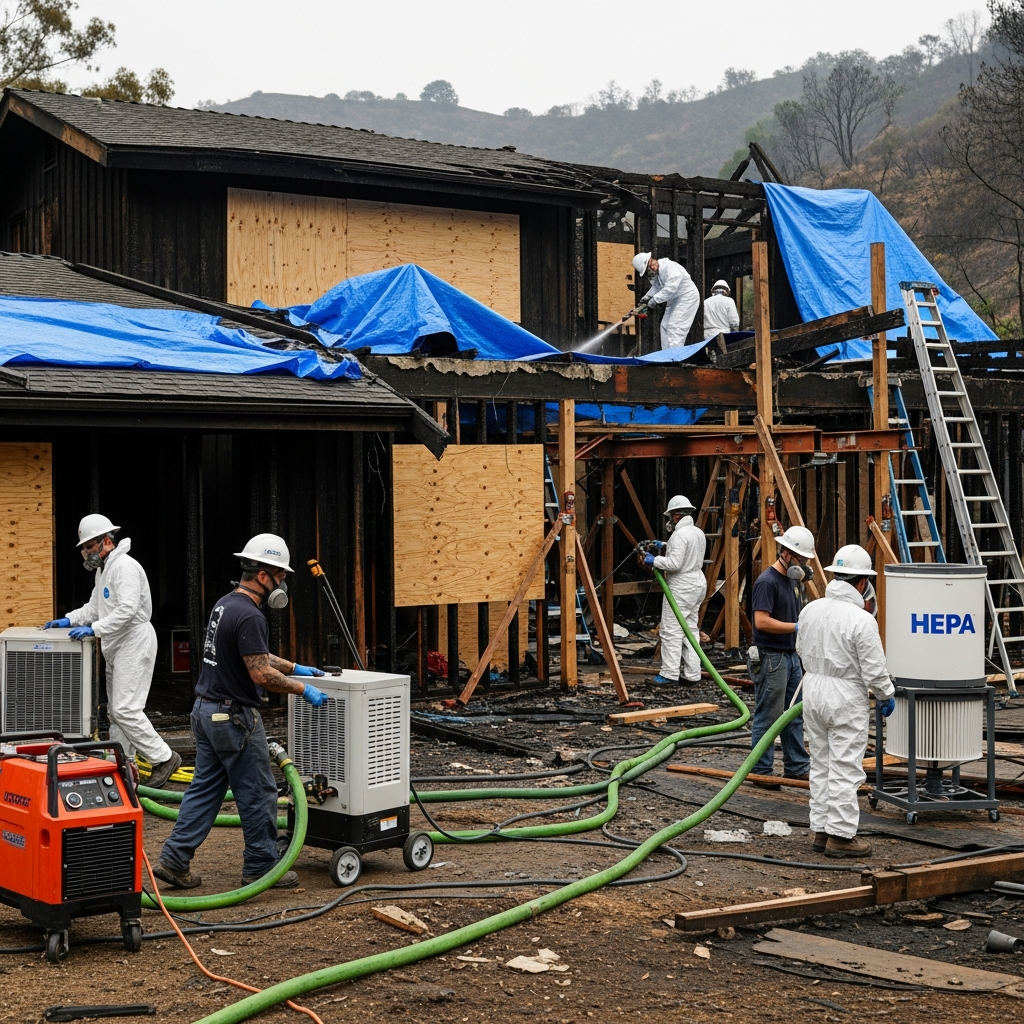
It might seem counterintuitive that a crew from over the hill can outperform a company closer to the shoreline. But in practice, a Woodland Hills base offers important advantages. First, there’s scale. The Valley hosts larger warehouses, meaning more dehumidifiers, negative air machines, HEPA air scrubbers, and odor-neutralizing tools are stocked and ready to roll. When an incident affects multiple streets at once—as happens with Santa Ana-driven events—the ability to mobilize multiple crews with redundant equipment is critical. Second, there’s experience with terrain. Teams move daily through Calabasas, Topanga Canyon, Agoura Hills, and into Malibu, giving them intimate knowledge of narrow roads, gated communities, and access protocols unique to these neighborhoods.
There’s also the simple geography of wind and smoke. During Santa Ana conditions, smoke can push from inland to the coast in minutes, raising particle counts and embedding soot into porous materials. Woodland Hills technicians study these patterns. We know when to escalate ventilation strategies, how to stage air purification to intercept particle infiltration, and when to seal off rooms to protect salvageable areas. It’s this cross-regional perspective—seeing both where the smoke came from and where it’s settling—that helps Malibu homeowners get an accurate action plan before surprises multiply.
Understanding smoke and soot in a coastal environment
All soot is not the same, and in Malibu, it often arrives layered. Protein residues from a kitchen incident behave differently than dry soot from a fast-moving brush fire. Add in the salt-laden ocean air, and you have a chemical cocktail that must be addressed with precision. Dry soot can be vacuumed with HEPA equipment and carefully lifted with specialized sponges, but smear-prone residues need tailored detergents and controlled application. If you treat them the wrong way—say, using water on a protein-rich residue without preparation—you can set stains permanently into paint and cabinetry.
Electronics are particularly vulnerable on the coast. Even if a device seems fine, microscopic soot combined with humidity encourages rapid corrosion. Restoration isn’t just about cleaning what you see; it’s about halting invisible processes that degrade over days and weeks. That’s why prompt assessment, including moisture readings and particulate testing, matters. It informs which materials can be cleaned in place, which need pack-out to a controlled facility, and which are unsafe to keep because they will continue to off-gas harmful odors and volatile compounds.
The restoration sequence that protects your home and health
After the initial call, the first priority is safety: assessing structural stability, shutting down compromised systems, and preventing entry by wildlife or weather through board-ups and temporary roof coverings. Next comes a systematic inspection to map soot distribution and moisture migration. In hillside homes, we scan below floors and behind walls because water from firefighting can wick far from the obvious source.
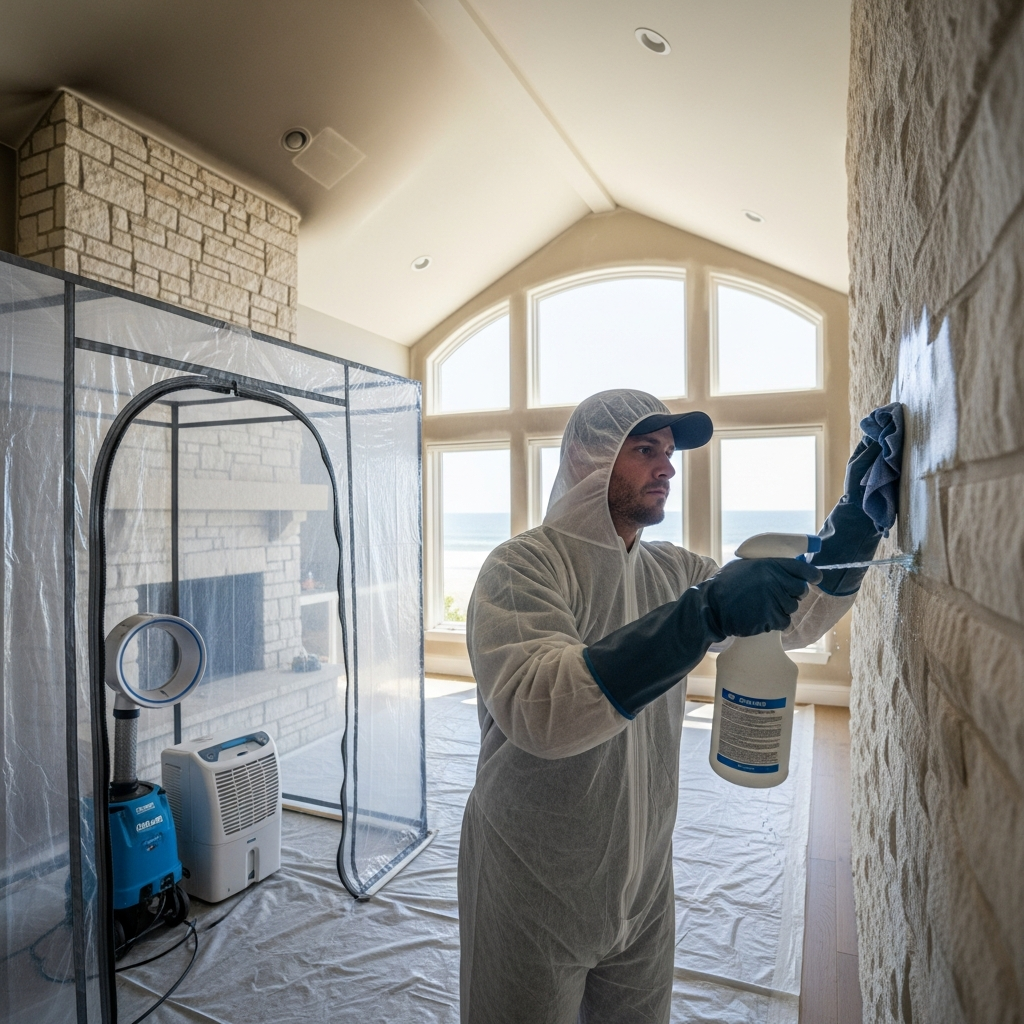
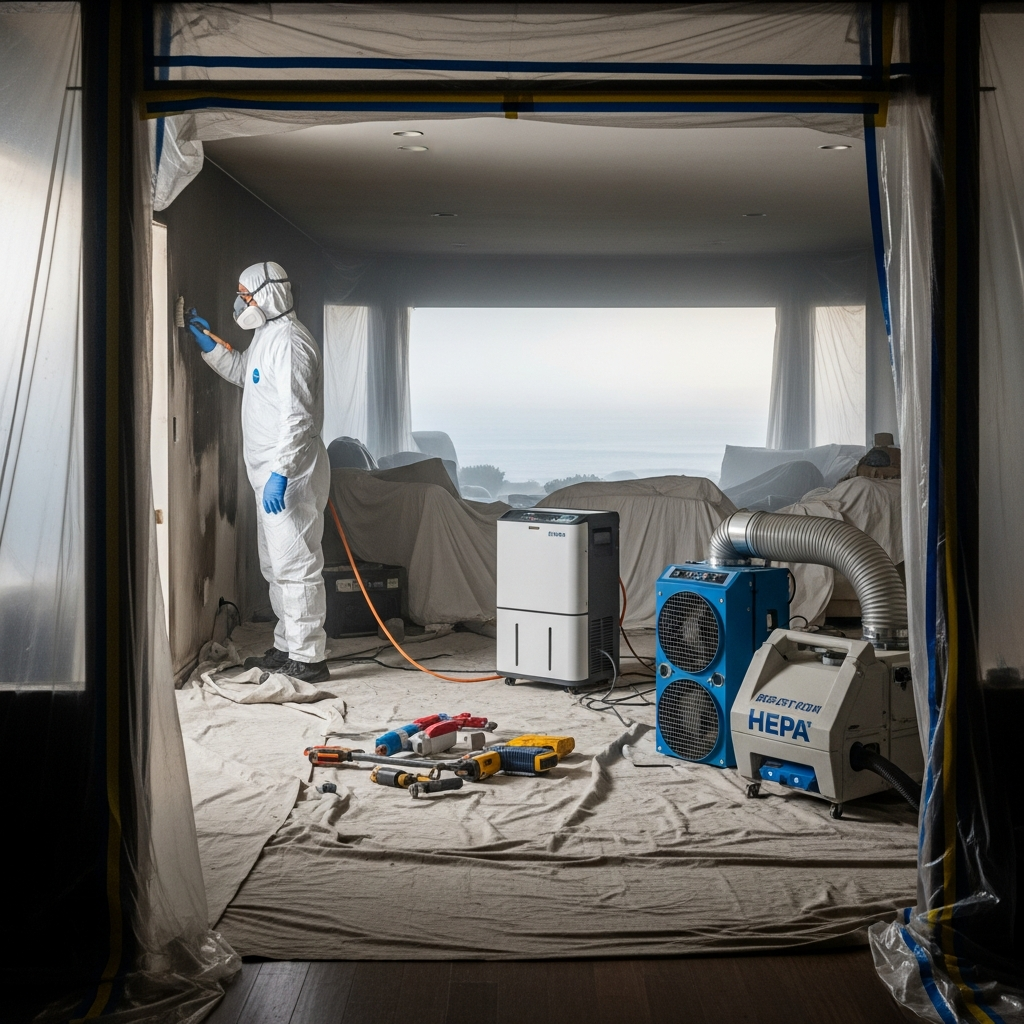
Containment follows. Plastic barriers and negative air pressure isolate dirty zones from clean ones, preventing cross-contamination while crews work. HEPA filtration begins running continuously. Technicians remove loose soot with dry methods first, then transition to wet cleaning using surfactants chosen for the specific residue. Textiles and soft goods may be packed out for laundering or ozone-free deodorization in a controlled environment, while wood, stone, and tile receive pH-appropriate treatments to avoid etching or warping. Odor abatement may include thermal fogging or hydroxyl generation under supervision, balancing potency with safety for occupants and pets.
The drying phase runs in parallel when water was used to extinguish the fire. We deploy dehumidifiers and air movers in configurations tuned to Malibu’s microclimate. Even coastal humidity can mask drying curves, so we take frequent readings to ensure materials actually reach safe equilibrium, not just a “dry to the touch” illusion. Trim, subfloors, and framing members get particular attention; left wet, they can harbor mold growth that complicates recovery and insurance claims later.
Paperwork, permitting, and working with insurers
One of the most underrated benefits of hiring a seasoned Woodland Hills team is documentation. After a fire, you are not just restoring a house—you’re telling the story of what happened to every surface inside it. Detailed photo logs, moisture maps, and itemized inventories help insurers understand scope and approve appropriate work. Where the county requires permits for structural repairs, teams familiar with Malibu’s hillside ordinances, WUI (Wildland-Urban Interface) guidelines, and coastal considerations streamline the submission process and coordinate with adjusters, engineers, and building inspectors.
Communication style matters. We find that frequent, plain-language updates reduce stress. Homeowners juggling temporary housing, school schedules, and pet care need predictable timelines and honest guidance about what can be saved. That may include measured recommendations for refinishing versus replacement and, when appropriate, introducing specialists such as art conservators for valuable pieces exposed to smoke.
Mid-restoration checkpoints and maintaining momentum
Fire recovery unfolds over stages, and momentum is your ally. Midway through, we reassess containment zones, recalibrate air filtration, and review item inventories with the homeowner. This is typically when we also revisit the deodorization plan. Odors can be stubborn in coastal homes with complex airflow paths, and a second pass with targeted tactics often makes the difference. If you want a deeper primer on methods and the science behind them, take time to read more about professional fire damage restoration so you understand why certain steps are sequenced the way they are. Insight builds confidence, and confidence helps families make quicker, better decisions during a stressful time.
Another checkpoint is outdoor cleanup. Ash on decks, in planters, and within HVAC intakes should be addressed methodically to avoid tracking it back indoors. For Malibu’s oceanfront homes, wind patterns can drive ash under sliders and into remote corners of rooftop patios, so we examine these pinch points with the same care we give to interior rooms. HVAC professionals clean ducts and replace filters only after interior soot removal is complete, preventing newly cleaned systems from pulling in debris.
Health, air quality, and living safely during the process
Many Malibu families ask whether they can remain at home during cleaning. The answer depends on the extent of contamination and the layout of the property. When containment is robust and air scrubbers are running, partial occupancy can be arranged, often with safe pathways through the property and designated clean zones for sleeping. For homes with infants, elderly family members, or respiratory sensitivities, we typically recommend a temporary relocation, even if short-term, to ensure comfort and peace of mind while heavy cleaning and deodorization are underway.
We monitor particulate levels as a quality check, not merely a formality. Post-cleaning verification with visual and olfactory inspections pairs with instrument readings when available. Remember that what smells “clean” to one person may still carry lingering compounds for another. Adjustments—an extra day of air scrubbing, a targeted cabinet interior wash, a second pass on rugs—are part of fine-tuning. The goal is to restore not just the material state of your home, but the sense of sanctuary that Malibu living promises.
Case notes from the hill and the coast
Without naming names, I can tell you that the differences between two similar-looking incidents can be dramatic. In one Broad Beach home, a confined oven flare created widespread protein odor but limited visible soot. The fix required meticulous cleaning of microcrevices in cabinetry hinges and under-counter spaces, because that’s where sticky residues hid. In another case off Encinal Canyon, a brush fire created a snow of dry soot that drifted through skylights and attic vents. The soot was easy to lift with dry cleaning methods, but the attic insulation had to be inspected carefully and, in select areas, replaced to eliminate the persistent smell that would reappear on warm days.
What both situations shared was urgency. In the first, rapid odor control kept the family from moving out. In the second, early containment prevented the furnace from distributing soot throughout a large, multi-level home. These are not extraordinary outcomes; they reflect consistent application of best practices by crews who know the local terrain and its subtleties.
Building back stronger with Malibu’s realities in mind
Once cleaning and drying are complete, repairs begin. For Malibu, that often means evaluating materials through the lens of future resilience. Fire-resistant roofing assemblies, ember-resistant vents, and thoughtful landscaping can reduce the impact of the next windy week in October. Inside, low-porosity paints in high-traffic areas, sealed stone, and well-fitted door sweeps can make cleaning easier and limit smoke intrusion. Our repair partners coordinate choices with you so the restored space not only looks the same or better, but also stands ready for what our environment may bring.
Even small upgrades—like replacing old weatherstripping, adding undercut seals beneath exterior doors, or improving attic hatch gaskets—can help. The key is to integrate these decisions while the house is already opened up, saving time and avoiding future disruption. Because crews from Woodland Hills routinely cycle between the Valley and the coast, they bring a running list of proven options for Malibu’s salt air, cliffs, and canyons.
Preparing for the next season
Preparation lowers risk and shortens recovery time. Walk your property each spring to identify vulnerabilities: combustible debris near structures, gaps around utility penetrations, and vegetation that can become a ladder for embers. Check that outdoor furniture cushions are stored during red flag events and that attic vents have ember screens installed. Consider a pre-loss documentation set—current photos of every room, closet, and exterior elevation. If anything happens, you will have a baseline to share with your insurer and restoration team.
Know your shutoffs and have a plan for smoke events that do not involve flames at your address. Close windows quickly, run HEPA-capable room purifiers, and switch HVAC systems to recirculate if advised. The faster you limit soot entry, the easier and safer the cleanup will be. Keep a small kit with nitrile gloves, painter’s tape for makeshift seals, and extra HVAC filters sized for your equipment. These simple measures align with what professionals will do, buying you time until crews arrive.
Frequently Asked Questions
How fast should I call after a fire or heavy smoke exposure?
As soon as you’re safe and have clearance to re-enter, make the call. Early action prevents soot from etching and halts moisture-driven damage. A quick assessment doesn’t commit you to a full project on the spot; it sets a baseline and prioritizes steps like containment, filtration, and moisture control that stop the clock on deterioration.
Can I clean soot myself with household products?
Light dry soot on hard, sealed surfaces can sometimes be carefully lifted, but most residues respond poorly to generic cleaners. Smearing or forcing particles into pores creates permanent blemishes and lingering odors. A professional inspection helps you avoid making early mistakes that complicate restoration and documentation for insurance.
Is it safe to stay in the home during restoration?
It depends on the scope and the home’s layout. With proper containment and constant HEPA filtration, partial occupancy is possible in some cases. Families with infants, seniors, or respiratory conditions typically benefit from temporary relocation until heavy cleaning and deodorization are finished.
What about my artwork, photographs, and heirlooms?
Delicate items often require specialized handling. Technicians create a separate inventory and may bring in conservators for high-value or sentimental pieces. Prompt, gentle soot removal and climate-controlled storage protect surfaces that react quickly to coastal humidity and corrosive particles.
How long does a typical restoration take?
Timelines vary with the size of the home, the intensity of soot, and whether water was used for suppression. What matters most is sequencing: swift mitigation upfront, thorough cleaning and deodorization, then repairs that meet Malibu’s building standards. Your project manager should outline milestones and update you regularly as conditions evolve.
Will the smoke smell ever fully go away?
Yes, when cleanup targets the true source materials and air pathways. Persistent odors usually signal overlooked reservoirs like insulation, cabinet interiors, or HVAC components. Comprehensive cleaning, measured deodorization, and verification bring indoor air back to normal, salt-air-fresh levels for the coast.
If you are facing the aftermath of a fire, smoke event, or a stubborn odor that just won’t lift, reach out to a local team that understands both sides of the hill. From the first assessment to final touch-ups, we will move quickly, communicate clearly, and treat your home with the care it deserves. Start your path back to normal by scheduling professional fire damage restoration today, and let us help you reclaim the comfort and safety of your Malibu home.