Smoke does not move like a straight line; it curls, pools, and hides. In Malibu, where ocean air, canyon winds, and architectural variety all meet, smoke can weave through a home in ways that surprise even seasoned builders. Homeowners often tell me the same story: a room looks untouched, yet a dresser drawer carries the scent of a long night, or an attic feels fine until a hot day releases an odor that rushes down a hallway. Understanding this behavior is the heart of effective recovery. The process begins with calm assessment and experienced hands—often from local teams who specialize in fire damage restoration and know how Malibu’s microclimates shape every decision, from containment to cleaning.
In our community, homes range from glass-wrapped contemporary spaces on bluffs to quiet ranch houses deep in the canyons. Construction details vary, and so do the paths smoke may take. Mechanical chases, recessed lighting, and open stairways create highways for particulates, while cool corners behind cabinets can become collection points. The key is to think like smoke: trace pressure changes, look for temperature differentials, and inspect concealed areas, not just surfaces in plain sight.
The Nature of Smoke and Soot
Soot is not a single substance. Its acidity, oiliness, and particle size depend on what burned and how hot it burned. Protein-based residues behave differently from synthetic residues, and both respond to distinct cleaning approaches. When soot is fresh, timely action can prevent etching on glass and metals, especially in Malibu where salt in the air can accelerate corrosion. Trained technicians identify residue types and tailor cleaning chemistry, choosing dry or wet methods and sequencing steps so loosened particulates don’t resettle on newly cleaned surfaces.
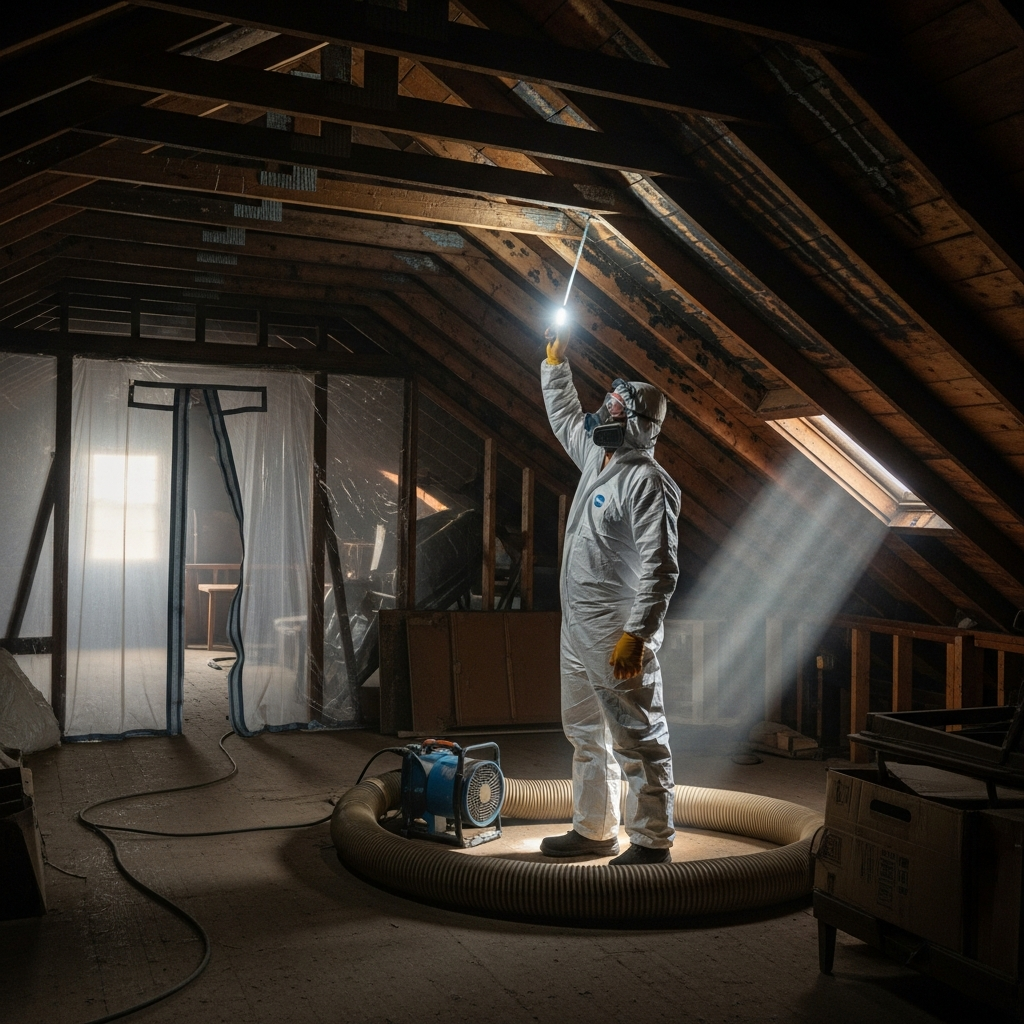
Odor is often the most stubborn reminder of a fire, but it is also one of the best clues. Persistent odor points to reservoirs—cavities, insulation, or porous materials where residues hide. Successful deodorization is less about fogging and more about finding and treating those reservoirs. It’s a process of locating, removing or neutralizing residues, and then using technologies like hydroxyl or ozone when conditions allow and spaces are prepared properly.
Assessment Anchored in Evidence
The first visit should feel methodical. Safety checks come first, followed by a survey that uses light, mirrors, and sometimes cameras to peer into cavities. Thermal imaging helps identify where heat concentrated, which often aligns with smoke pathways. Moisture mapping is another essential step because water from firefighting can linger in subfloors, wall cavities, and insulation. Drying begins early to prevent secondary issues, with daily readings to confirm progress rather than relying on guesswork.
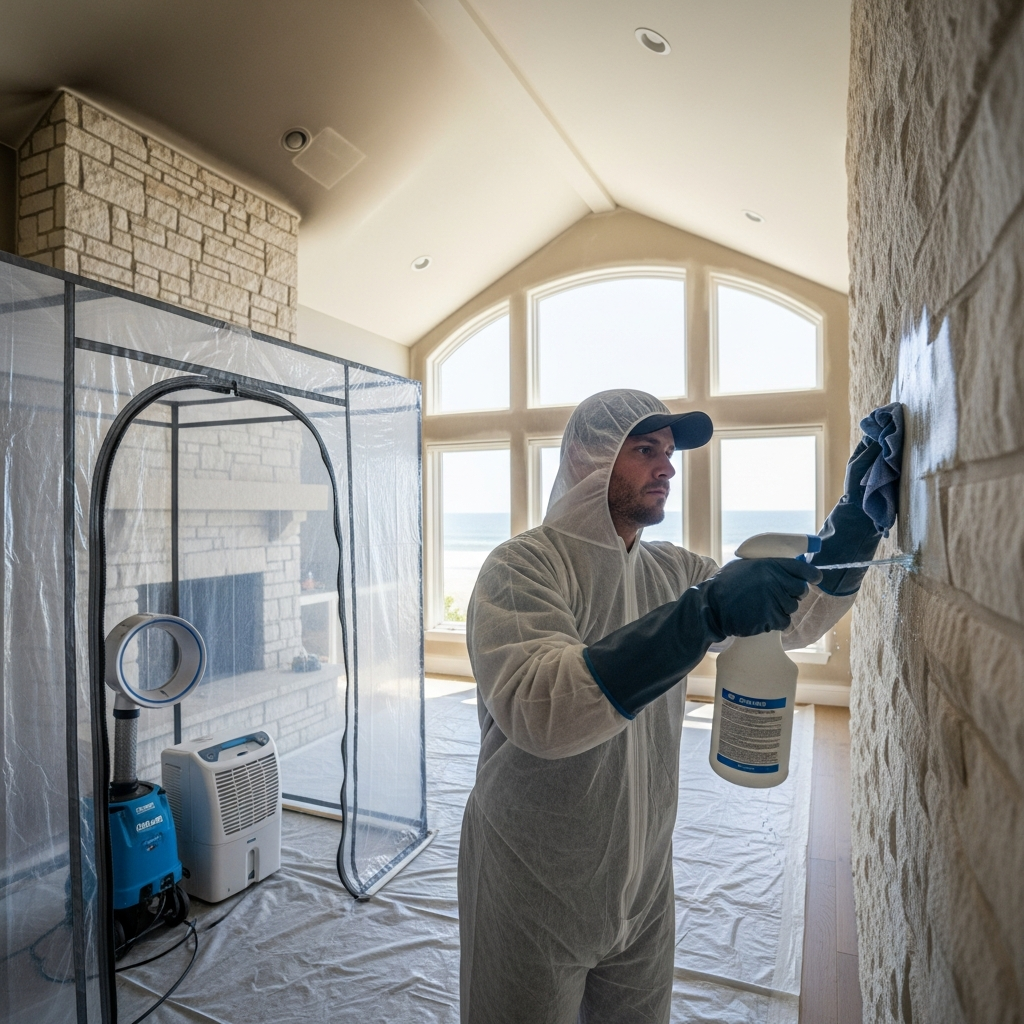
Containment defines clean zones and work zones. Zippered barriers, negative air machines, and floor protection prevent cross-contamination. When containment is well-designed, families may be able to occupy portions of the home safely while work proceeds elsewhere. That balance—progress without unnecessary disruption—is a hallmark of a thoughtful restoration plan.
Cleaning with Conservation in Mind
Not every smoky surface requires replacement. Malibu homes often feature custom woods, stone, and artisan finishes that deserve a conservative approach. Cleanability testing leads the way. If a finish responds, technicians proceed with the least aggressive method first, stepping up only as needed. The goal is to lift residues without damaging the underlying material, preserving the look and feel that made the space special in the first place.
HVAC systems require particular attention because they can distribute particulates long after the fire is out. Registers, returns, and the air handler should be inspected, and in many cases, professional cleaning is recommended once the surrounding structure has been addressed. Filters are replaced, and systems are verified so that when the home returns to normal use, the air remains clean.
Odor Elimination: Source First, Science Always
The most reliable odor strategy follows a simple rule: remove the source before neutralizing the air. Crews locate residues in cavities and on the backs of assemblies, clean or seal as appropriate, and maintain controlled conditions while deodorization tools do their work. Every step is documented so that results can be verified rather than assumed. When the process is paced this way, the difference is not just detectable—it’s durable.
In our coastal environment, odor can intensify on hot afternoons and ease at night. Recognizing these patterns helps schedule work for maximum effect and ensures that verification checks happen under conditions most likely to reveal lingering issues. The result is a home that smells like itself again, not like a fragrance trying to cover the past.
Contents and Personal Treasures
Contents handling blends logistics with empathy. Inventories are created, items are triaged for on-site cleaning, off-site treatment, or specialized care. Textiles and soft goods often respond beautifully to dedicated smoke removal processes when they’re addressed early. Artwork, instruments, and heirlooms may require conservators, and a good restoration partner will make those connections and coordinate the sequence so that each item receives appropriate care without delay.
Pack-outs are conducted with labeling, protective wrapping, and organized transport, ensuring your belongings can be tracked and returned to the right rooms in the right order. The calm that comes from seeing your possessions handled with respect is hard to overstate, especially in the first weeks after a fire.
Working in Malibu: Terrain, Weather, and Neighborhoods
Local experience pays dividends at every turn. Access along narrow canyon roads shapes how crews stage equipment. Marine layers and afternoon winds influence drying and deodorization plans. Even parking etiquette and noise management affect how smoothly a project proceeds in close-knit neighborhoods. Teams who build here understand these rhythms and communicate with neighbors thoughtfully so the work feels integrated rather than disruptive.
Coordination with local officials is part of the process as well. Temporary repairs, debris handling, and rebuild steps may involve city or county oversight. A seasoned partner anticipates these checkpoints and keeps paperwork aligned with progress on site, preventing avoidable pauses.
From Emergency to Renewal
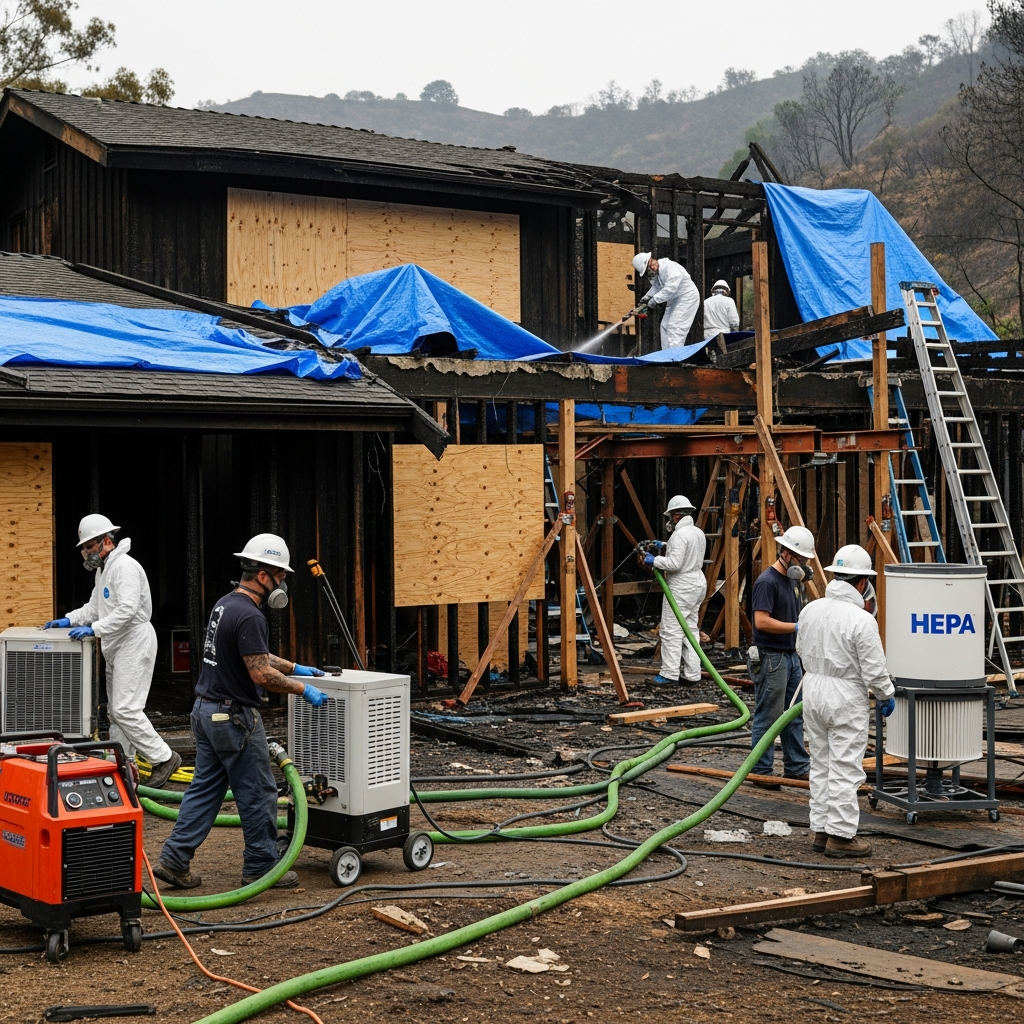
The early days are about stabilization and clarity. Board-ups, utility checks, and air filtration buy time and protect what remains. Then comes detailed assessment, selective removal, and disciplined cleaning, each step verified before moving on. Rebuild brings back structure and finish, and along the way, resilience measures like ember-resistant vents and protected eaves may be considered where they fit naturally into the scope. By the time furniture returns and the hum of equipment fades, the home feels like a promise kept.
If, midway through, you find yourself wondering whether the plan is still on track, it helps to revisit the fundamentals of professional fire damage restoration: evidence-based assessment, conservation-minded cleaning, controlled environments, and transparent communication. Those pillars are steady guides, no matter how complex the details become.
FAQ: Smoke and Fire Restoration in Malibu
Why does odor seem worse on hot afternoons? Heat can release trapped compounds from porous materials, making odor more noticeable. Targeting reservoirs and verifying cleaning results under warm conditions helps ensure lasting odor control.
Can I stay in my home during smoke cleanup?
Sometimes, yes. With proper containment, air filtration, and safe egress routes, portions of a home can remain usable. Your team will advise based on readings and the extent of residues.
What makes Malibu homes uniquely challenging to clean?
Coastal air, canyon winds, and diverse construction details influence how smoke travels and where it settles. Local experience helps anticipate these patterns and tailor strategies accordingly.
How do you decide what to clean versus replace?
Cleanability testing guides the decision. When testing confirms that cleaning will achieve verifiable results, preservation is preferred. When materials are deeply affected or cannot be validated, replacement is recommended.
What role does the HVAC system play?
HVAC systems can distribute particulates if not addressed. Inspection, professional cleaning when appropriate, and filter replacement help protect indoor air quality as the home returns to normal use.
Ready for a Fresh Start
If you’re seeking a steady, knowledgeable partner to help your Malibu home feel like itself again, reach out to local experts in fire damage restoration. With care, science, and respect for your space, the path from smoke to comfort is not only possible—it’s closer than it may feel today.