When the sirens fade and the glow on the ridgeline turns to ash-gray dawn, Calabasas wakes to a difficult reality: smoke in the rafters, damp footprints from firefighters’ boots, and a rush of questions about what comes next. In those uncertain first hours, experience matters more than anything, and it is exactly then that our Malibu-based team steps in with calm, practiced urgency. We bring the tools, the know-how, and a neighbor’s sensibility to guide you through the crucial early steps of fire damage restoration, so your home and your routine can regain their footing as quickly and safely as possible.
Emergency work in Calabasas starts with safety and stabilization. Before cleaning a single surface, we confirm that utilities are secure, that compromised areas are shored up, and that walking paths are safe. Heat can weaken framing you cannot see, smoke can conceal hazards at ankle height, and water can travel invisibly beneath floors. Our first pass is a triage: structural checks, electrical and gas precautions, and a methodical evaluation that ensures no one rushes ahead of what the building will bear. This measured approach prevents secondary damage and lays the groundwork for efficient, thorough recovery.
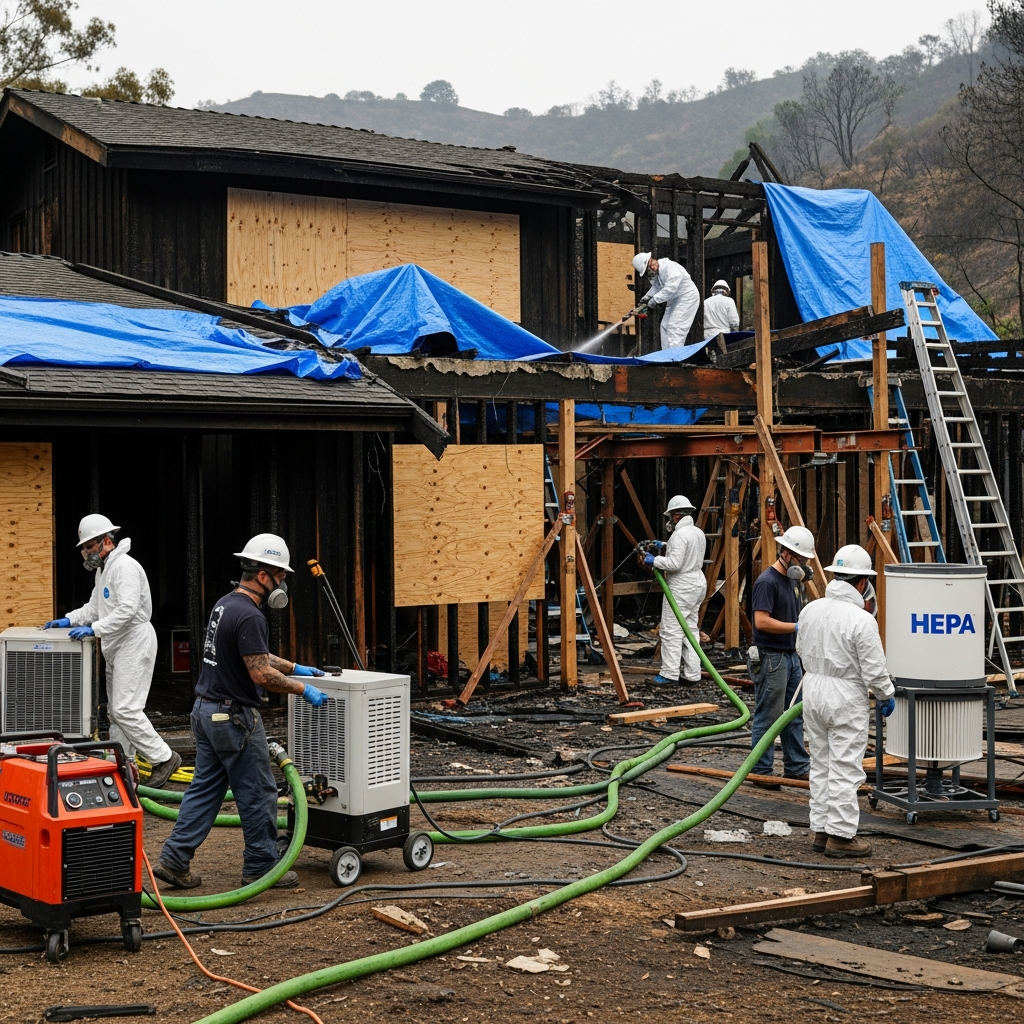
Board-up and weatherproofing tend to feel anticlimactic after the intensity of a fire, yet they are decisive moves. Calabasas sits at a meeting point of canyons and wind, and on certain days the air arrives sharper and faster than you expect. The same gusts that carried embers to a fence line can lift loose shingles or drive sooty dust back into living spaces. We board windows, tarp openings, and cover vulnerable roofs the same day, paying attention to the angles of your lot and the way wind runs between your trees. This isn’t just about keeping rain out; it’s about halting the constant exchange of smoky air that can embed odors more deeply in drywall, textiles, and cabinetry.
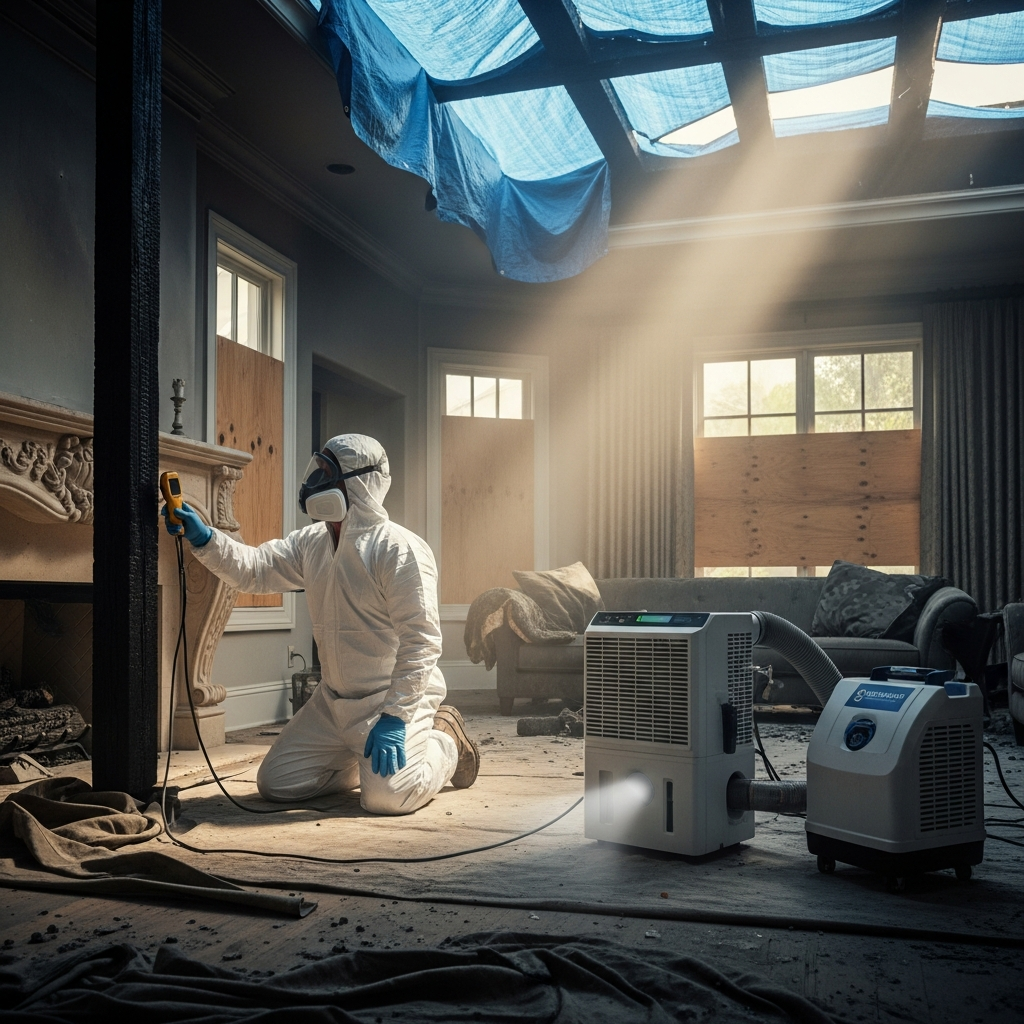
Water removal is the first major interior step. Firefighting water seeps into subfloors, fills wall cavities, and wicks into baseboards. Left alone, it encourages swelling, staining, and microbial growth that complicates every other task. We extract the bulk water, then use dehumidification and targeted heat to draw out hidden moisture. Calabasas homes vary—some with slab foundations, others with crawl spaces—so we tailor the dry-out plan to the structure. You will notice we favor monitoring: moisture meters, thermal imaging, and repeated readings. Numbers matter here because they tell us when wood has stabilized and when it is safe to proceed with cleaning and odor treatment without trapping moisture behind sealed surfaces.
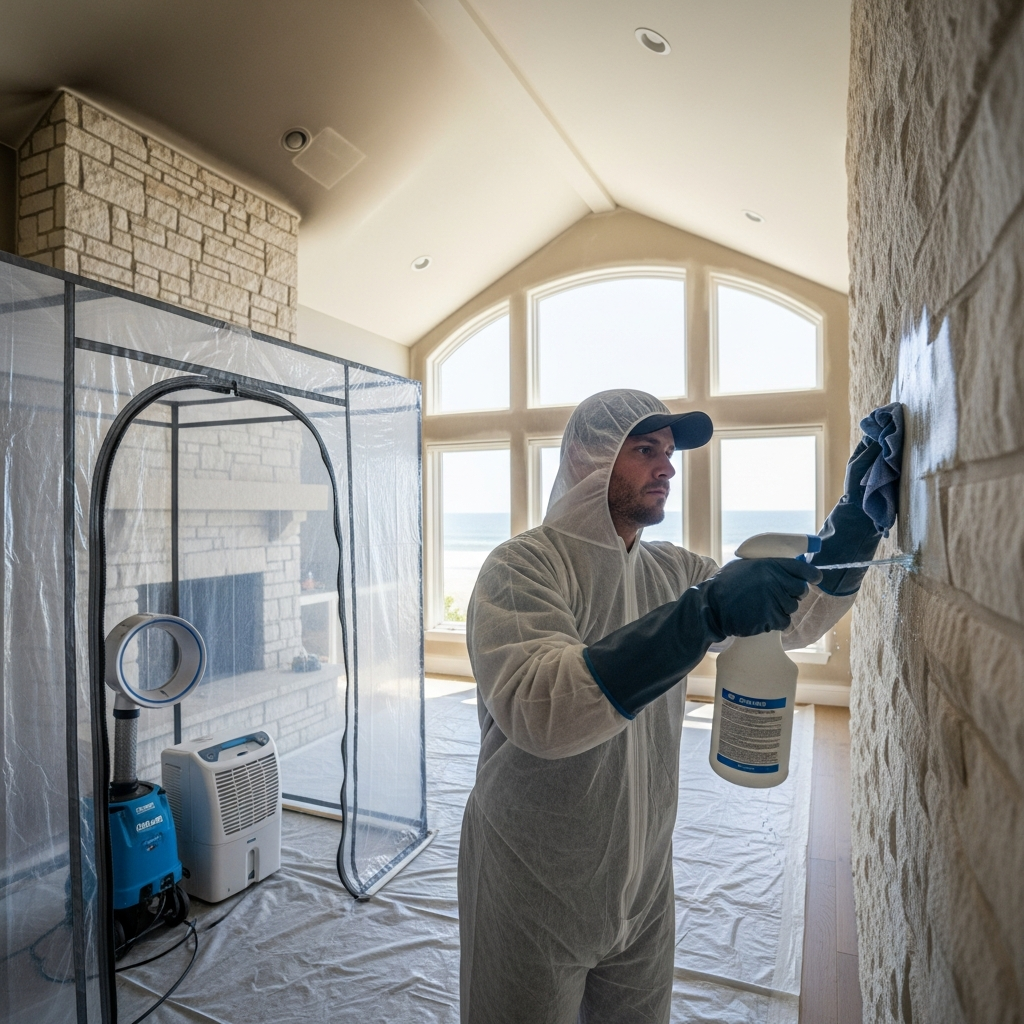
Smoke and soot behave like different organisms depending on what burned. A protein fire from a kitchen flare-up leaves thin, nearly invisible residue that carries a stubborn odor, while synthetic materials can leave oily soot that smears at the slightest touch. In Mediterranean-style homes that are common in Calabasas, polished stone, stucco textures, and dark-stained woods each demand specific chemistry and technique. We perform a residue test before we clean a wall or mantlepiece, identifying whether a dry sponge, a neutral detergent, or a specialized alkaline solution is appropriate. The goal is not only to lift contamination, but also to preserve finishes. Glass can etch, metal can pit, and tile grout can absorb discoloration; the right chemistry prevents permanent change.
Odor control moves in phases. First, stop the source and remove the heaviest soot. Next, control the airflow: establish negative pressure zones so that odor does not spread to cleaner rooms, and deploy HEPA filtration to capture fine particles. Only then do we consider advanced deodorization methods—thermal fogging to pair with smoke molecules, or hydroxyl generators to neutralize odors while spaces remain safe for occupants and pets. We set expectations early: smoke odor diminishes steadily as the layers of cleaning progress, and the combination of source removal, filtration, and material-specific treatments is what produces lasting results.
Contents matter as much as structure. The books on a shelf, the guitar in a corner, the baby blanket tucked in a closet—each has a story and a surface that responds differently to smoke. We catalog items room by room, noting pre-existing conditions and the level of exposure. Textiles may head to a specialized facility for ozone-free deodorization, electronics are evaluated for corrosion risk, and art is handled with conservation-grade materials. If a pack-out is necessary, we photograph and barcode each item so that your belongings are traceable and return in an order that makes sense to you, not just to our checklist.
Some components will be restored in place, and others will be removed for cleaning or replacement. Calabasas homes often feature rich millwork and custom cabinetry that can be saved if soot is addressed quickly and correctly. We test cleansers on inconspicuous areas, use gentle abrasion where appropriate, and proceed step by step to avoid pushing residues deeper. When materials are too far gone—insulation saturated with smoke, drywall delaminated by water—we make those calls early. Selective demolition may feel like a setback, but it is an investment in a cleaner, faster rebuild, preventing odors and stains from bleeding back through finished surfaces months later.
Midway through the project, homeowners commonly feel a shift—from the chaos of the first day to a plan that seems manageable. This is when we revisit expectations, update timelines, and map the progression from emergency services to cleaning, deodorization, and rebuilding. If you have not already explored professional fire damage restoration options in detail, this is the ideal time to discuss specialty treatments for high-value finishes, as well as the sequence for bringing rooms back online so family life can resume in stages.
Insurance coordination can be the most opaque part of recovery. Our role is to document with clarity—photos, measurements, material identifications—and to translate site conditions into a scope that makes sense to your adjuster. We schedule joint walk-throughs, organize estimates by room or system, and maintain a transparent change-log as discoveries occur behind walls or under floors. We encourage homeowners to keep a daily journal: who visited, what changed, and which rooms are ready for the next step. That record smooths conversations with carriers and aligns expectations among everyone involved.
Permitting and code compliance matter in Calabasas, not only because of municipal requirements, but also because this region sits at the edge of wildland areas where building codes emphasize resilience. As we reconstruct, we talk about ember-resistant vents, Class A roofing, and defensible space improvements that can protect your property the next time winds pick up. Even in interior spaces, upgraded smoke detection, hardwired alarms, and modern electrical protections make a difference. We approach these improvements as practical steps—enhancements that look seamless but function as a quiet shield should conditions turn again.
Timelines are personal. We respect that there is no single “right” speed for recovery. Some families want to move quickly to reoccupy bedrooms and kitchen first, while others value finishing one complete zone before moving on. We craft schedules around school routines, work-from-home needs, and the rhythms of pets who are unsettled by the changes. By staging equipment to minimize noise at night and bundling loud tasks into predictable windows, we aim to return not just function but comfort to the household as early as possible.
Air quality is a theme from start to finish. HEPA filters, containment, and cleaning remove the bulk of contaminants, but final verification matters too. We rely on visible cleanliness, neutral scent, and material readings; when clients request it, we can coordinate independent testing to confirm that remediation achieved the intended goals. Clear communication is central: you will know what has been cleaned, what has been sealed, and what remains on the list before we shift into paint, trim, and finishes.
Calabasas brings a unique blend of architectural styles and site conditions—from hillside homes with long, winding driveways to cul-de-sacs where ash can swirl and settle in drafts between garages. We plan for logistics: equipment placement that won’t block neighbors, load paths that protect finished flooring, and parking strategies that respect HOA guidelines. These small considerations reduce friction and keep the project moving smoothly within the character of each neighborhood.
Commercial properties and community spaces require their own cadence. A boutique on Calabasas Road might prioritize front-of-house odor removal and cosmetic cleaning to reopen sooner, while kitchens and storage areas follow closely behind. For offices, we coordinate around staff schedules, stage work after hours when possible, and focus on restoring clean airflow through HVAC systems so employees return to spaces that feel fresh and secure. The same restoration principles apply; the urgency simply shifts to match the mission of the space.
Behind every technique is a person making a careful choice. Our team recruits and trains locally because familiarity with the Santa Monica Mountains microclimates and the city’s expectations can mean the difference between a generic solution and a nuanced one. We walk roofs in early morning when dew reveals subtle leaks. We align tarps to deflect the prevailing breeze. We consider how afternoon sun heats a south-facing wall and accelerates dry times on one floor but not another. These details sound small, yet together they define a job that feels tailored rather than templated.
We also recognize that restoration is an emotional process. That first night, when the house is quiet and the acrid smell lingers, it may feel as if everything changed at once. We answer late calls, return with an extra air scrubber if it helps you sleep, and set interim goals so the path forward looks tangible. “Tomorrow we will…” becomes a steady drumbeat that substitutes certainty for confusion, step by step.
Community memory shapes our work too. The Woolsey Fire left lessons about ember travel, smoke migration, and the importance of quick stabilization even in homes far from flame fronts. We apply those lessons every season: checking attic vents and eaves for soot intrusion, sealing crawl spaces where smoke can pool, and giving special attention to garages where porous cardboard boxes can hold and re-release odors for weeks. These measures reduce the risk of odor rebound and allow the final cleaning and paint to perform as intended.
As we approach the close of a project, we turn to finishes that renew and protect. Sealing subfloors beneath new coverings prevents latent odors from telegraphing upward, and low-VOC paints lock in freshly cleaned surfaces without contributing their own scent. We replace HVAC filters at the end, not just the beginning, so that the system starts its new chapter without a memory of the fire. We leave behind tips for maintaining indoor air quality in the weeks that follow, including when to ventilate, when to filter, and how to store belongings returning from pack-out.
In the end, emergency restoration is about more than reversing damage. It is about restoring rhythms: the clink of mugs in a kitchen that smells like coffee again, the welcome clatter of a garage door that was once stuck and sooty, the sound of a child’s laughter echoing down a hallway now bright and clean. Calabasas homes carry the light of late afternoons and the quiet of canyon nights, and helping those qualities return is why we move quickly, carefully, and with the respect your space deserves.
Frequently Asked Questions
What should I do first after a fire in my Calabasas home?
Ensure everyone is safe and accounted for, then contact your insurer to begin the claim while we secure the property. Avoid wiping walls or handling belongings heavily coated in soot; many residues smear and can set permanent stains. If it is safe to reenter, photograph rooms from the doorway for documentation, then wait for professional guidance on utilities, water removal, and initial cleaning steps.
How quickly can a Malibu-based team arrive in Calabasas?
We stage for local response and can typically mobilize immediately once the scene is released by fire authorities. Travel times vary with canyon traffic and conditions, but our dispatch prioritizes board-up and water extraction in the same operational period so that conditions stabilize before odors and moisture spread.
Is it safe to stay in the house during cleanup?
Safety depends on the extent of damage and the location of work zones. We often establish containment that allows families to occupy clean sections while we remediate others, supported by negative air and HEPA filtration. If structural integrity, electrical hazards, or heavy odors pose risks, we will advise a temporary relocation plan and help coordinate essentials for daily life.
Will smoke odors ever fully go away?
Yes, when the source is removed, surfaces are properly cleaned, and air handling systems are addressed, smoke odor can be eliminated. Residual smells usually indicate hidden contamination—inside wall cavities, beneath flooring, or within HVAC components—which is why detailed inspection and layered deodorization methods are so important.
What items can usually be saved?
Hard-surface furniture, metal, and many wood finishes respond well to soot removal. Washable textiles often clean successfully with specialized deodorization. Porous items saturated with smoke—insulation, certain foams, and heavily charred materials—are typically not salvageable. We assess each category, explain the reasoning, and prioritize items with the most personal or functional value.
How do you coordinate with insurance?
We document condition and scope from the outset and maintain open communication with your adjuster. Our reports include photos, material tags, and room-by-room summaries. We align on a plan before major steps begin and keep you updated with schedule milestones so there are no surprises as work progresses.
Do you handle wildland smoke as well as interior fires?
We address both. Wind-driven smoke from regional events behaves differently from a kitchen fire inside one room, but the core principles—assessment, source removal, containment, filtration, and targeted cleaning—apply in each case. We tailor tools and chemistry to the residue and the surfaces involved.
How long does restoration take?
Timeline depends on the extent of water intrusion, the volume of soot, and the scope of selective demolition needed. We provide a phased schedule after the initial assessment and update it at each milestone so you can plan around key dates such as reoccupying bedrooms, reinstalling cabinetry, or restarting HVAC systems.
When you are ready to bring your home back to life with care, precision, and local know-how, reach out to a team that treats your space like their own. For immediate guidance and a clear, step-by-step plan for fire damage restoration, contact us today and let’s start rebuilding the comfort and confidence you deserve.