There is a particular quiet on a Malibu night after the sirens fade and the last ember glows out. In that quiet, questions echo through a home that’s been touched by fire: Is the structure safe? Can we sleep here? What happens next? Around the clock, the answer begins with a capable team that can mobilize quickly, stabilize the scene, and start turning uncertainty into a plan. Families here have learned the value of true 24/7 response—people who pick up the phone at two in the morning, arrive with the right equipment, and know our canyons and coastlines well enough to work safely and efficiently. Many start with a call to local professionals focused on fire damage restoration, because in the middle of the night, experience and calm matter more than anything.
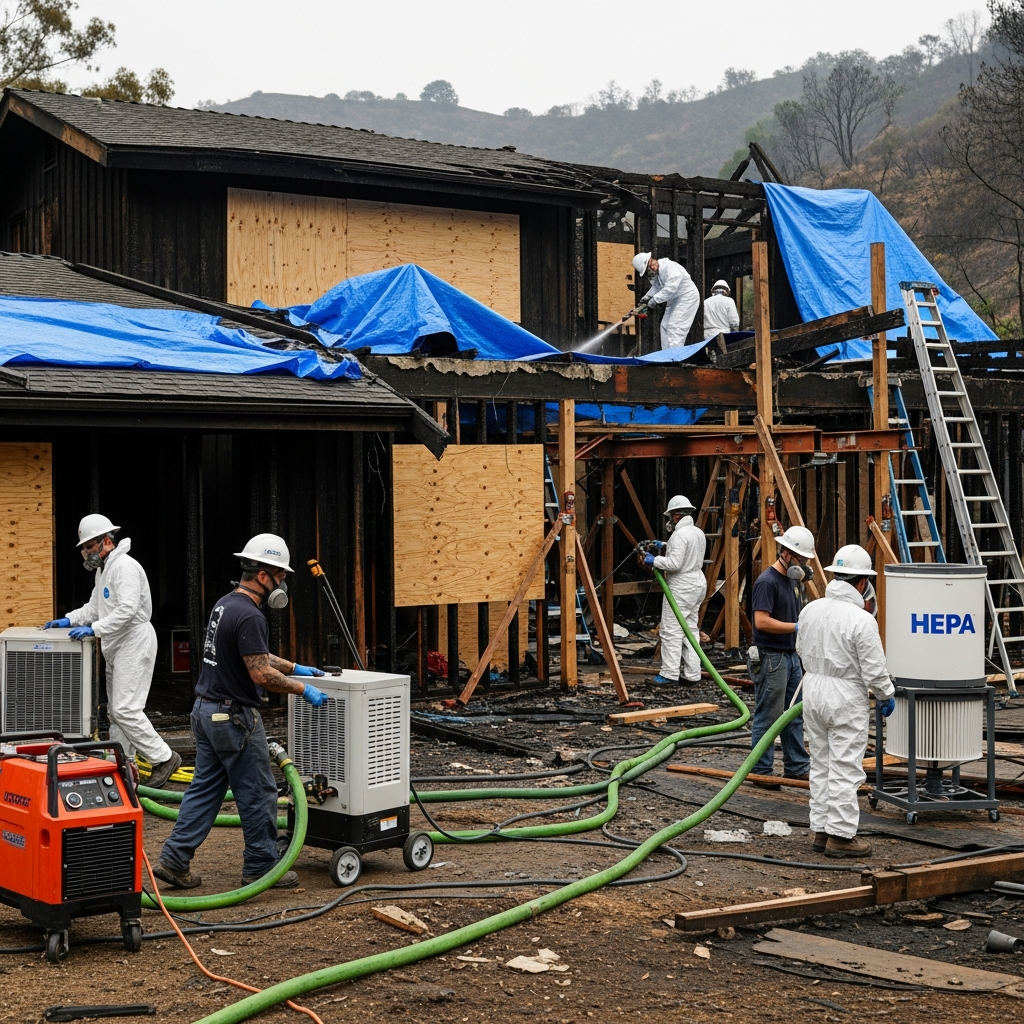
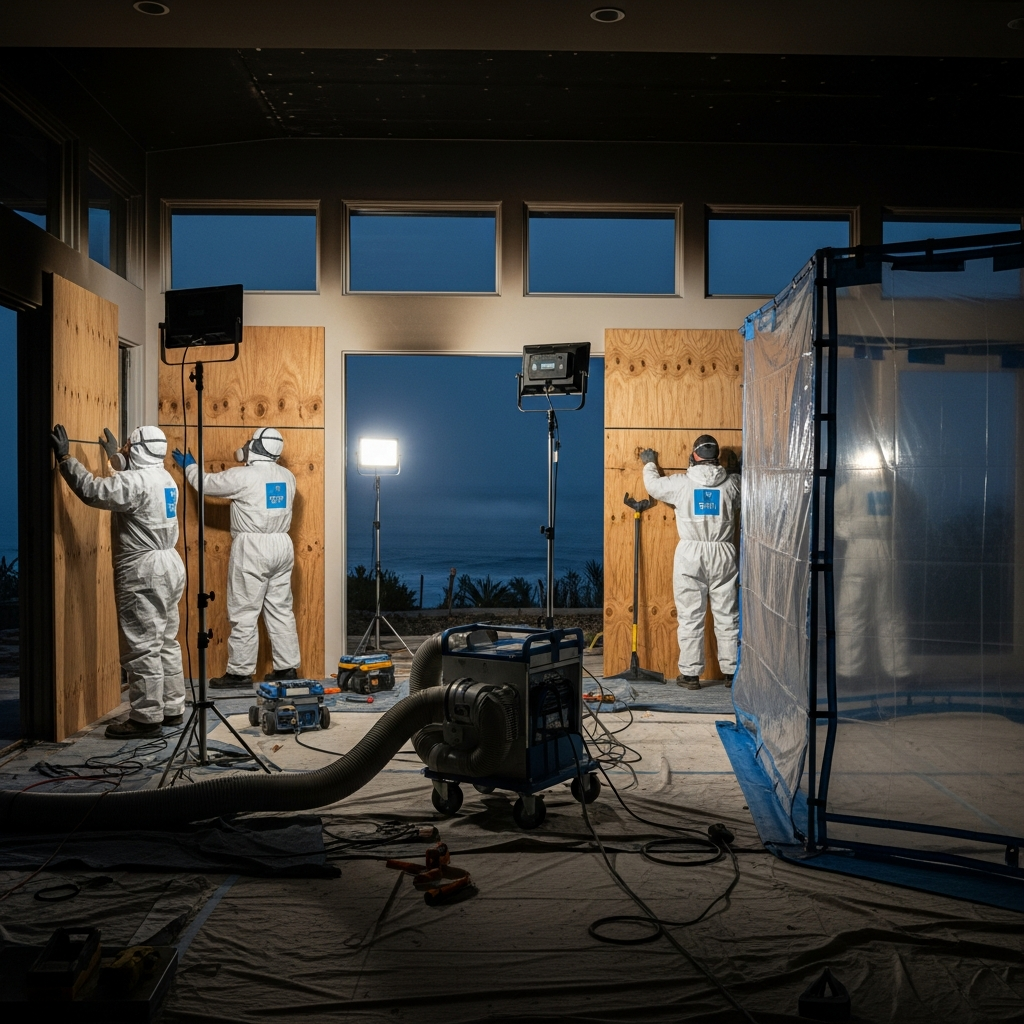
After-hours work in Malibu has its own energy. Road conditions change with the weather, power may be unstable, and marine layers shift visibility. A seasoned team comes ready for those realities with lighting, generators, and a disciplined approach to safety. The first priority is always to secure the site: assess structural integrity, isolate hazards, and establish clear zones. Board-ups and temporary enclosures protect the building envelope from wind and overnight moisture, and air filtration starts running to capture particulates before they drift into untouched spaces.
The First Hours: From Chaos to Control
In the first stretch of a 24-hour response, speed and judgment walk hand in hand. The crew will shut off utilities if needed, check for compromised framing, and identify where heat traveled so that unexpected collapses or hidden embers don’t create secondary problems. If firefighting efforts left standing water, pumps and extraction tools go to work while moisture meters begin mapping what can’t be seen. These steps create a safer environment and set up the next day’s detailed assessment.
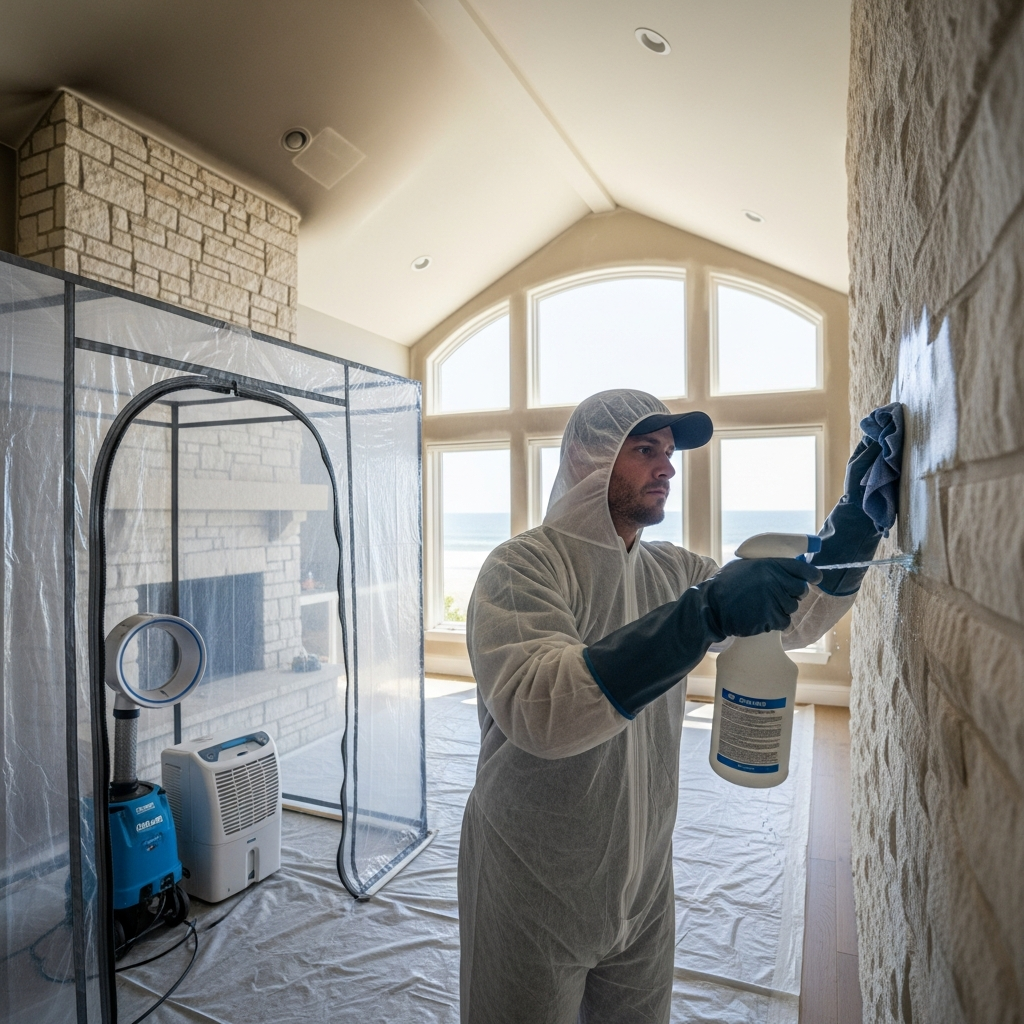
Containment is a cornerstone of professional work at any hour, but at night it’s especially important. Zippered barriers and negative air machines separate clean zones from work zones, preventing cross-contamination as the team moves. When done well, containment not only protects your belongings but also shortens the path to reoccupying safe areas of the home.
Communication When It Matters Most
A true 24/7 partner communicates clearly even as they work quickly. They’ll explain what they’re seeing and what they’re doing, give you a realistic picture of the immediate hours ahead, and outline how the morning will unfold when additional resources arrive. That early clarity brings a sense of control back to a disorienting situation, helping you decide where to stay, what to secure, and how to coordinate with family and neighbors.
Documentation starts immediately as well. Photos, moisture readings, and notes about conditions create a baseline that informs insurance conversations and later decisions. This record-keeping is quiet but powerful; it proves what happened and why each action was taken.
Daybreak: Deepening the Assessment
As daylight returns, the team expands the assessment. Thermal imaging helps trace heat and smoke pathways into attics and wall cavities. Odor sources are identified through a combination of tools and experience. The crew begins targeted removal where materials cannot be safely saved, while preservation-minded cleaning starts on surfaces that respond to careful methods. Malibu homes often contain custom finishes and curated interiors, so conservation thinking remains front and center even in an emergency timeline.
Drying strategies continue in the background, with daily measurements guiding adjustments. If portions of the home are safe to occupy, the team will advise on how to minimize disruption—setting up clean corridors, protecting floors, and scheduling noisier tasks during reasonable hours while still maintaining momentum.
Why Local Knowledge Enhances 24/7 Work
Malibu’s environment plays a role in every shift. Coastal humidity can change how quickly materials dry, while canyon winds can push odor deeper if containment isn’t vigilant. Access routes may limit the size of vehicles, affecting how equipment is staged. Crews who already understand these challenges operate more smoothly, conserving your energy for decisions that truly need your attention.
Neighbors also appreciate teams that work with discretion at night. Tidiness, mindful parking, and respectful communication keep the focus on safety and progress without adding neighborhood stress. In communities like ours, that grace matters.
From Stabilization to Restoration
The beauty of a strong 24-hour response is that it compresses the time between emergency and recovery. By the end of the first full day, you should feel the shift from crisis to plan. Air feels cleaner, hazards are controlled, and a roadmap for the next week is coming into view. Selective demolition, detailed cleaning, and deodorization are scheduled with intention, and any required specialists—engineers, electricians, or HVAC experts—are coordinated seamlessly.
As work proceeds, you’ll notice the rhythm of a seasoned team: morning check-ins, mid-day adjustments, and end-of-day summaries. This cadence is comforting, especially when you’re balancing temporary living arrangements and other logistics. It turns a long night into a series of clear, manageable steps.
Odor, Residues, and Verification
Odor control isn’t a single action; it’s the product of correct sequencing. Residues are located and removed, cavities are addressed, and only then do neutralization technologies come into play as appropriate. Verification is part of the culture: surfaces are checked, pH is confirmed when needed, and indoor air quality is monitored so that when milestones are declared, they’re earned.
In Malibu, where ocean air can combine with soot to accelerate corrosion, metal fixtures and mechanical systems receive special attention. Timely cleaning and protective steps reduce the chance of long-term degradation. It’s this kind of precision that distinguishes an all-hours team with deep training from a crew that simply works late.
Resilience and the Road Ahead
As the immediate emergency transitions to restoration and rebuild, discussions often turn to resilience measures—ember-resistant vents, better-protected eaves, and smart material choices near openings. These decisions don’t have to be made in the middle of the night, but a forward-looking partner will note opportunities as they go, so that when you’re ready, improvements can be folded naturally into the plan.
Halfway through the journey, if you need reassurance that the process is on course, revisit the fundamentals of professional fire damage restoration: safety first, evidence-based assessment, conservation where appropriate, and clear communication. Those pillars hold, whether it’s 2 a.m. or 2 p.m.
FAQ: 24/7 Restoration in Malibu
What should I expect when a crew arrives after hours? Expect a quick safety briefing, immediate site stabilization, air filtration setup, and a clear explanation of what will happen overnight and at first light.
Can parts of my home remain occupied during work?
Often, yes. With proper containment and air filtration, safe areas can sometimes remain usable. Your team will advise based on readings, layout, and the extent of damage.
How is odor handled during a nighttime response?
Initial steps focus on source control and filtration. Neutralization technologies are considered after residues are addressed, typically during daytime phases when spaces can be prepared and monitored thoroughly.
Why is documentation started right away?
Early records capture the precise conditions of the loss and justify the actions taken. This information supports insurance coordination and keeps the project aligned as it evolves.
Does local experience really matter at night?
Absolutely. Knowing the roads, weather patterns, and permitting norms shortens response times, improves safety, and makes communication with neighbors and officials smoother.
Begin Your Recovery—Any Hour, Any Day
If you need immediate help, reach out to a trusted local team dedicated to fire damage restoration. Day or night, you deserve calm, capable guidance and a plan that brings your Malibu home back to comfort with care and precision.