Life in Malibu has a rhythm all its own, from early surf checks under a pale marine layer to golden-hour walks along the bluffs. When a residential fire interrupts that rhythm, it can be disorienting. Beyond the visible damage, smoke works its way into quiet corners—closets, HVAC returns, cabinet toe-kicks—leaving behind odors and residues that do not respect property lines or room boundaries. In these moments, you need more than a contractor; you need a partner who recognizes how Malibu’s coastal climate, hillside architecture, and neighborhood character shape the right response. That is the foundation of residential recovery, and it starts with experienced, local fire damage restoration tailored to homes like yours.
Every home is a constellation of stories. The ceramic bowl picked up in the Malibu Country Mart, the vintage board over the mantle, the gallery wall of family photos that smell faintly of sea air. The right restoration approach respects those personal details. It begins by making the property safe and weather-tight, then moves into a methodical sequence: dry soot removal before wet cleaning, moisture control before material decisions, and odor neutralization before any cosmetic finishes. When those steps occur in the right order, the house you love re-emerges without the lingering reminders of the fire.
Understanding Residential Fire Dynamics in Malibu
Malibu’s residential fabric is diverse. You will find coastal cottages alongside contemporary glass pavilions, hillside Spanish revivals with clay tile roofs near ranch homes tucked into canyons. The materials differ—stucco, cedar, steel, tempered glass—and so do the ways they respond to heat and soot. Kitchen protein fires are common across all home types and create an elusive, greasy film that is easy to miss but hard to eliminate if not treated precisely. Wildfire smoke, when it makes its way into town on a windy night, leaves a drier soot that travels deeper and perches invisibly on horizontal surfaces. Either way, coastal humidity and salt can accelerate the corrosive potential of these residues, especially on fixtures and appliances.
Residential projects require special attention to daily life. We make living areas functional again as quickly as possible, creating clean zones where families can gather even while other rooms remain under treatment. Clear planning allows selective reopening—restored bedrooms and a safe kitchen—so the return to normalcy is not an all-or-nothing proposition. For families with children or pets, we choose odor-neutral, low-VOC products and schedule work to minimize disruption.
The First Visit: Stabilize, Assess, and Communicate
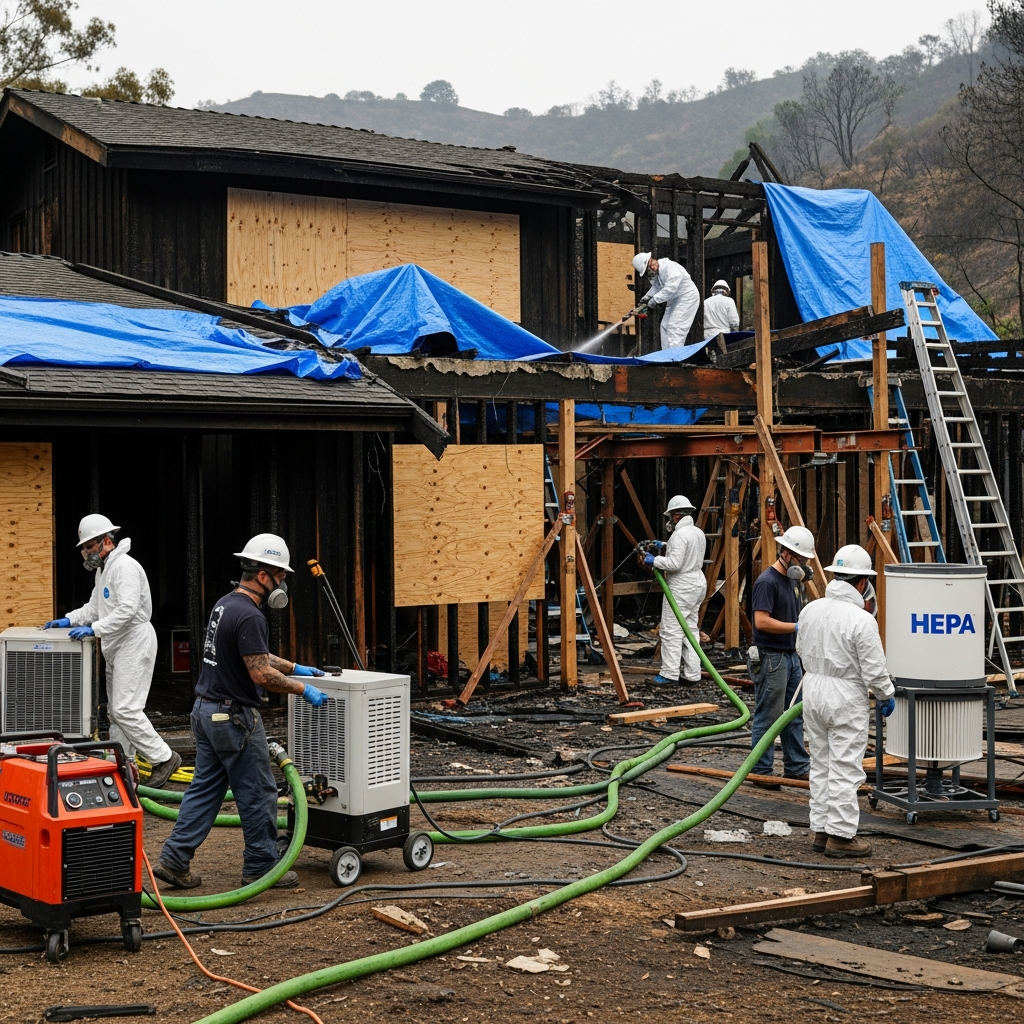
Our first hours on site focus on stabilization. We secure doors and windows, shore any compromised structural elements, and extract water left by firefighting. Thermal imaging helps us find moisture that hides behind baseboards or inside walls. In Malibu’s microclimates, we often see condensation patterns that mask true saturation levels; measuring rather than guessing prevents future mold problems. We set up targeted drying equipment to ensure an even, efficient process that respects hardwood floors, hand-troweled plaster, and other sensitive finishes.
Assessment is equal parts observation and measurement. We document smoke travel patterns—where soot settled, where odors concentrate, how the HVAC system may have distributed particulates. Photo logs and itemized damage reports serve two purposes: they help us craft the right technical sequence and give you and your insurer a clear record. Communication is ongoing. We outline the plan, establish milestones, and create a schedule that aligns with your family’s needs.
Cleaning the Home You Love: Materials Matter
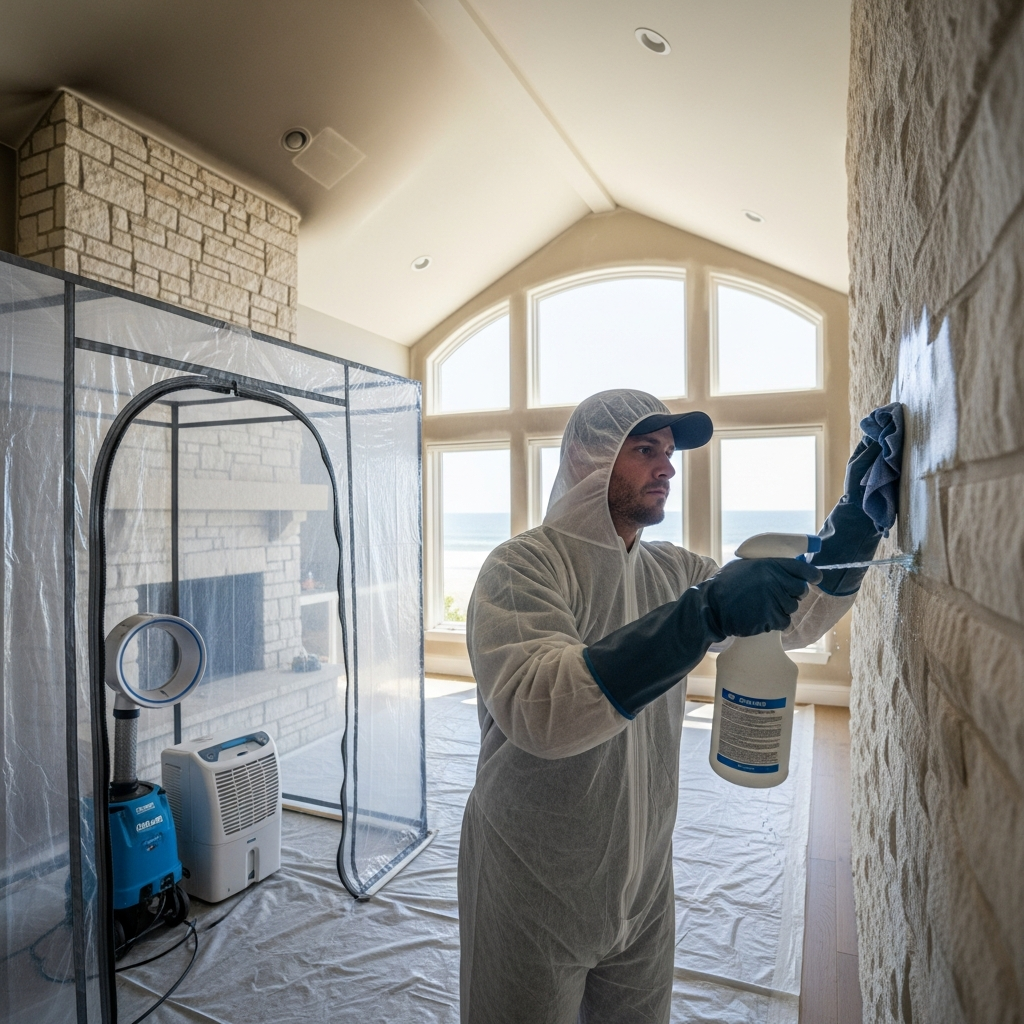
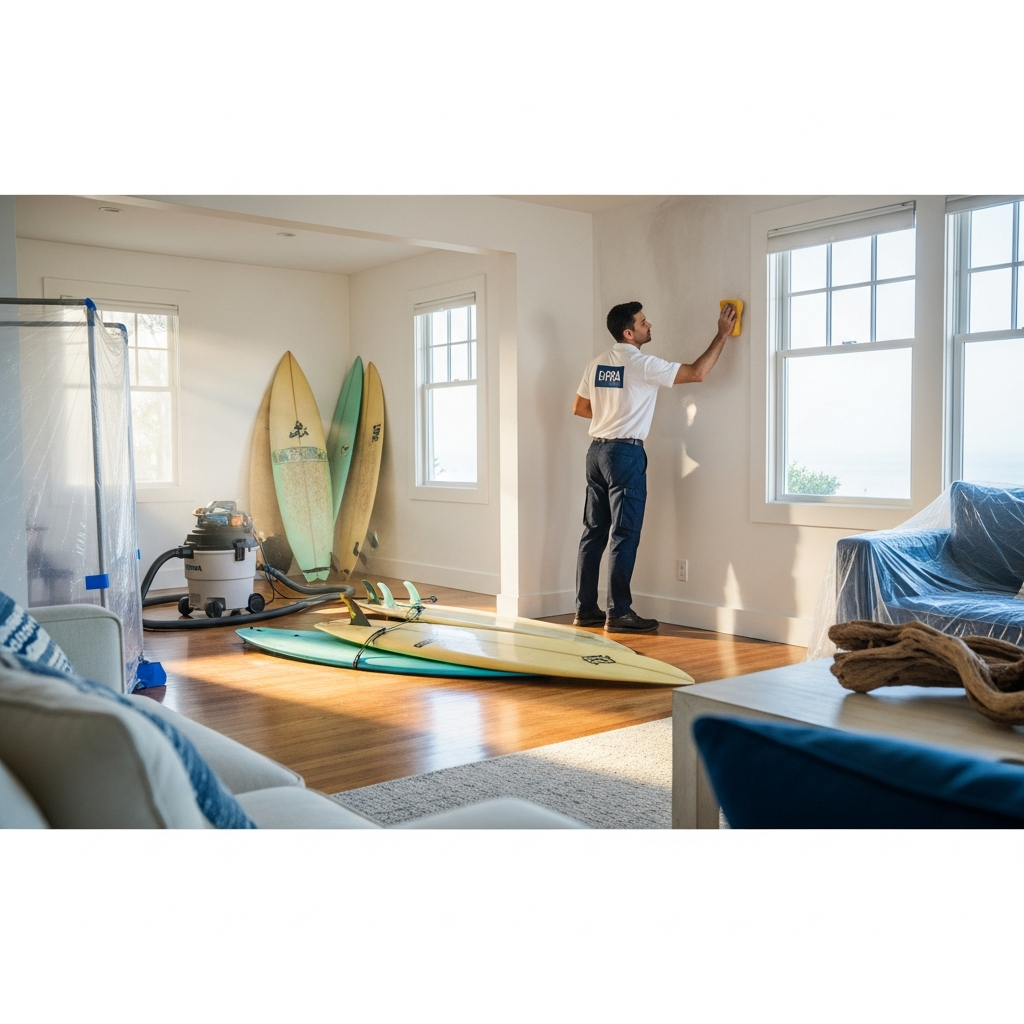
Residue removal begins with HEPA vacuuming to capture loose particulates, followed by dry sponging to avoid smearing soot into paint or wood grain. Only then do we move to wet cleaning, matching detergents to the surface—alkaline solutions for greasy protein soot, balanced cleaners for delicate finishes. Stainless appliances, plumbing fixtures, and window hardware receive early attention to prevent salt-and-soot corrosion. Stone surfaces like marble and limestone are treated carefully to avoid etching; woodwork is cleaned with products that preserve luster rather than strip patina.
Contents deserve the same care. We separate salvageable items for on-site cleaning and identify pieces that would benefit from pack-out to a controlled facility. Textiles may undergo specialized deodorization and washing protocols; electronics are evaluated to ensure safe operation. Malibu homes often contain custom furniture and artisan-crafted details. We collaborate with conservators when necessary to honor the original character even as we erase traces of smoke.
Odor control is scientific and sensory. We tackle source removal first, then use thermal fogging or hydroxyl generators as appropriate, never over-saturating the space with cover scents. In homes perched above the coast, daily humidity swings can cause odors to reappear if the sequence is rushed. By sealing cleaned framing and subfloors only after odors are neutralized, we prevent future surprises and create a stable base for paint and finishes.
Flooring, Walls, and the Details That Define Home
Hardwood floors can often be saved with controlled drying, panel-by-panel monitoring, and, if needed, sanding and refinishing once moisture content is stable. Engineered products are assessed for delamination; tile assemblies are checked for water beneath the slab or backer board. Drywall that sustained heavy smoke or water may be replaced selectively; in other areas, cleaning followed by a smoke-sealing primer prepares surfaces for painting. Trim, cabinetry, and doors are evaluated individually so that replacement occurs only where truly needed, preserving the home’s identity.
We also consider the way lighting, ventilation, and insulation interact. Malibu homes with large window walls can trap heat differently; attic spaces may concentrate smoke. Proper duct cleaning with negative air machines prevents particles from re-entering living spaces, and filter changes are scheduled in stages to capture residual particulates post-cleaning.
Insurance Collaboration and Stress Reduction
Residential restoration happens during a stressful time. We lighten the load by handling the technical language of claims, translating our scope into formats insurers recognize, and advocating for the full, necessary work. Documentation—moisture readings, photos, inventories—keeps the process transparent. Because we are local, we can synchronize inspections around Malibu’s rhythms, respecting school schedules, traffic on PCH, and weather patterns that affect jobsite conditions.
We strive for momentum without haste. By aligning cleaning, drying, and repairs in a logical flow, we reduce downtime and help you see visible progress each week. When the project reaches its midpoint, we review with you what is complete and what remains, confirming design choices for paint, fixtures, or replacement materials so that final steps reflect your taste.
Midway Reassurance and the Malibu Standard
There is a moment in most projects when the house feels like itself again. The air is clean, the quiet hum of dehumidifiers fades, and sunlight spills across floors that no longer smell of smoke. At that milestone, we reaffirm the plan and address any details you want to refine. The standard we pursue is simple: a home that looks, smells, and feels right, built on techniques that anticipate Malibu’s climate and the salt air that sets our town apart. It is also when we often re-emphasize best practices of fire damage restoration so every remaining step—from sealing to painting—rests on a sound, odor-free foundation.
Reconstruction and Finishing Touches
Reconstruction integrates with cleaning rather than waiting behind it. We schedule trades so that drywall repair, painting, flooring work, and finish carpentry dovetail without recontamination risks. Where we replace materials, we consider resilience: ember-resistant vents in soffits, ignition-resistant siding, and design tweaks that maintain the home’s aesthetic while improving durability. Kitchens receive upgraded ventilation where protein smoke occurred; mechanical rooms gain better filtration and maintenance access.
As finishes go in, quality control becomes tactile. We run our hands over millwork for soot traces, smell closets after a day of closed doors, and check corners at sunrise and dusk when light reveals what midday might hide. This is where craftsmanship meets science, and where experience living and working here in Malibu becomes the difference you can feel but may not immediately see.
Living With Confidence After Restoration
After the last brushstroke and final polish, we do not simply hand you keys and disappear. We schedule follow-ups to verify odor control under varying humidity, provide guidance on filter changes and cleaning products, and remain available for questions. If seasonal winds kick up ash from a distant wildfire, we can quickly re-clean exterior entries and duct intakes to maintain the interior you worked so hard to reclaim.
Restoration is as much about your peace of mind as it is about materials. Children should fall asleep without the hint of last month’s smoke in their pillows. Guests should step into your foyer and smell nothing but the comforting neutrality of a clean home and the occasional note of ocean air. That is the residential standard we hold ourselves to.
Frequently Asked Questions
Q: How long does residential fire restoration usually take? A: Timelines depend on the size of the home, extent of smoke and water damage, and material availability for repairs. We provide a project schedule after initial assessment and update it as milestones are met.
Q: Can we live in the home during restoration? A: Often, yes. We create clean zones and schedule work to minimize disruption. Safety and indoor air quality guide that decision, and we will be honest if temporary relocation is the better option.
Q: Will the smell of smoke come back? A: Proper source removal, ventilation, and sealing prevent odor rebound. We also conduct follow-up checks, particularly after humidity changes, to ensure long-term success.
Q: What happens to our belongings? A: We inventory contents, clean items that can be treated on site, and pack out others for specialized care. Everything is cataloged and returned once the home is ready.
Q: How do you coordinate with our insurance? A: We document damage thoroughly, communicate in formats adjusters expect, and keep you informed so decisions are clear and timely.
Q: Do you test for hazardous materials? A: In older Malibu homes, we recommend testing where appropriate. Safety protocols ensure any abatement integrates smoothly with restoration.
If you are ready to reclaim your space and restore the comfort and calm that define home in Malibu, reach out today. We will listen, explain, and move decisively with proven fire damage restoration methods so you can return to the rooms and routines that matter most.