Standing in a Malibu living room the morning after a fire, you notice details others might miss: a faint gray arc above a picture frame, the way light catches a fine film on the window, a scent that seems to drift from nowhere in particular. Fire leaves its calling cards quietly and persistently. Repairing that damage and cleaning smoke from every surface demand a plan as nuanced as Malibu itself—coastal air that carries salt, hillside architecture that hides cavities, and a community that blends contemporary designs with decades-old craftsmanship. The right approach brings science and care together, starting with seasoned fire damage restoration and unfolding through a step-by-step process that restores structure, air quality, and peace of mind.
Repair and cleanup are two halves of a whole. If you leap to cosmetic fixes before contaminants are removed, smells return and finishes fail. If you clean without stabilizing structure, you invite risk. Balance happens through sequence: safety first, moisture control second, soot and smoke removal third, and only then targeted repairs and refinishing. Along the way, communication keeps the path clear—what will be cleaned, what will be replaced, and how each step sets up the next.
Mapping Smoke: Where It Travels and Why
Smoke behaves differently indoors depending on the fire source and building geometry. A greasy, protein-based kitchen fire sends an almost invisible residue that clings to paint and cabinets and smells stronger than it looks. A wildfire-driven event creates drier soot that rides air currents and settles on cooler surfaces: the back of doors, the undersides of shelves, the inside of light fixtures. Malibu’s coastal breezes can drive smoke deep into homes through soffit vents, bathroom fans, and micro-gaps around windows. Repair begins with understanding this travel. We examine convection patterns, follow soot trails with light and touch, and map odor concentrations to identify hidden pockets that standard cleaning might miss.
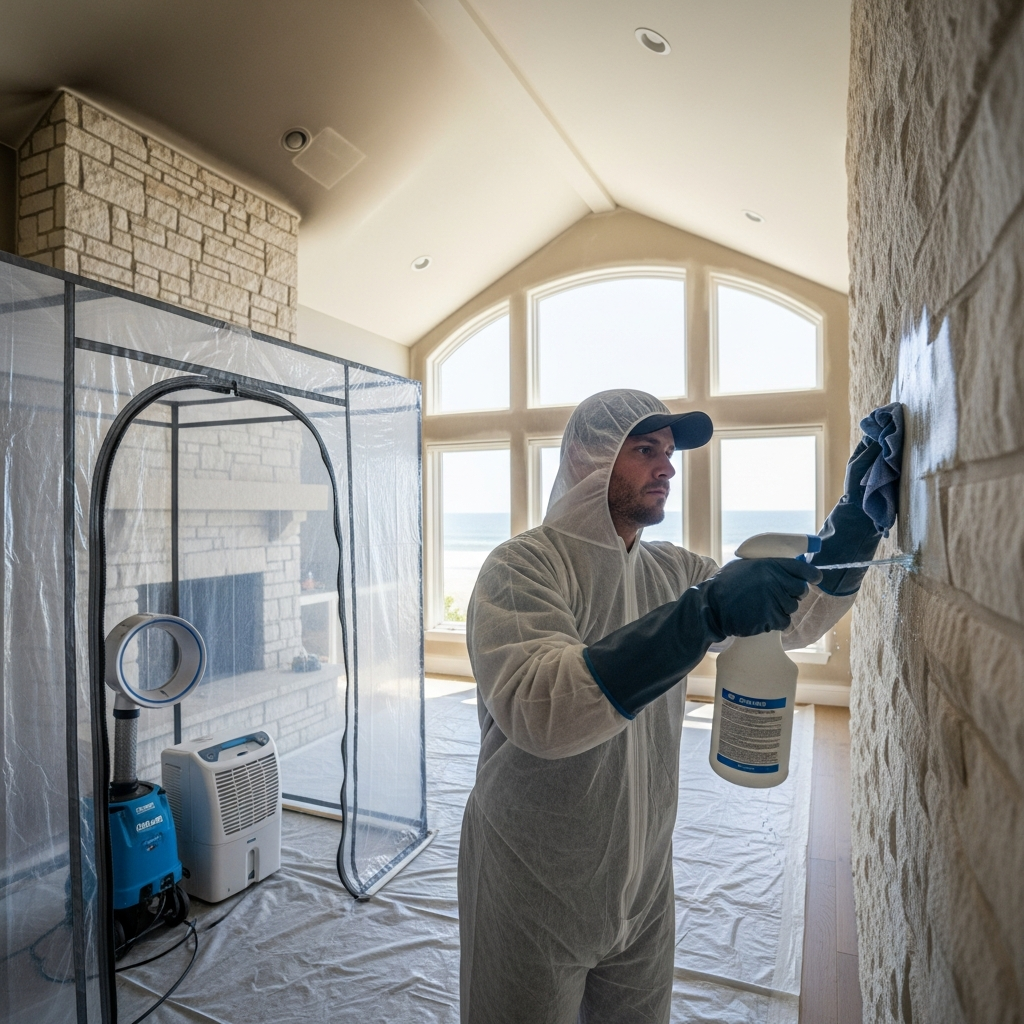
Once patterns are clear, containment prevents cross-contamination. We establish negative air zones to capture disturbed particulates during cleaning. This ensures areas already completed remain pristine, preventing the frustrating cycle of re-soiling that can happen if containment is overlooked.
Soot Removal: Technique Over Force
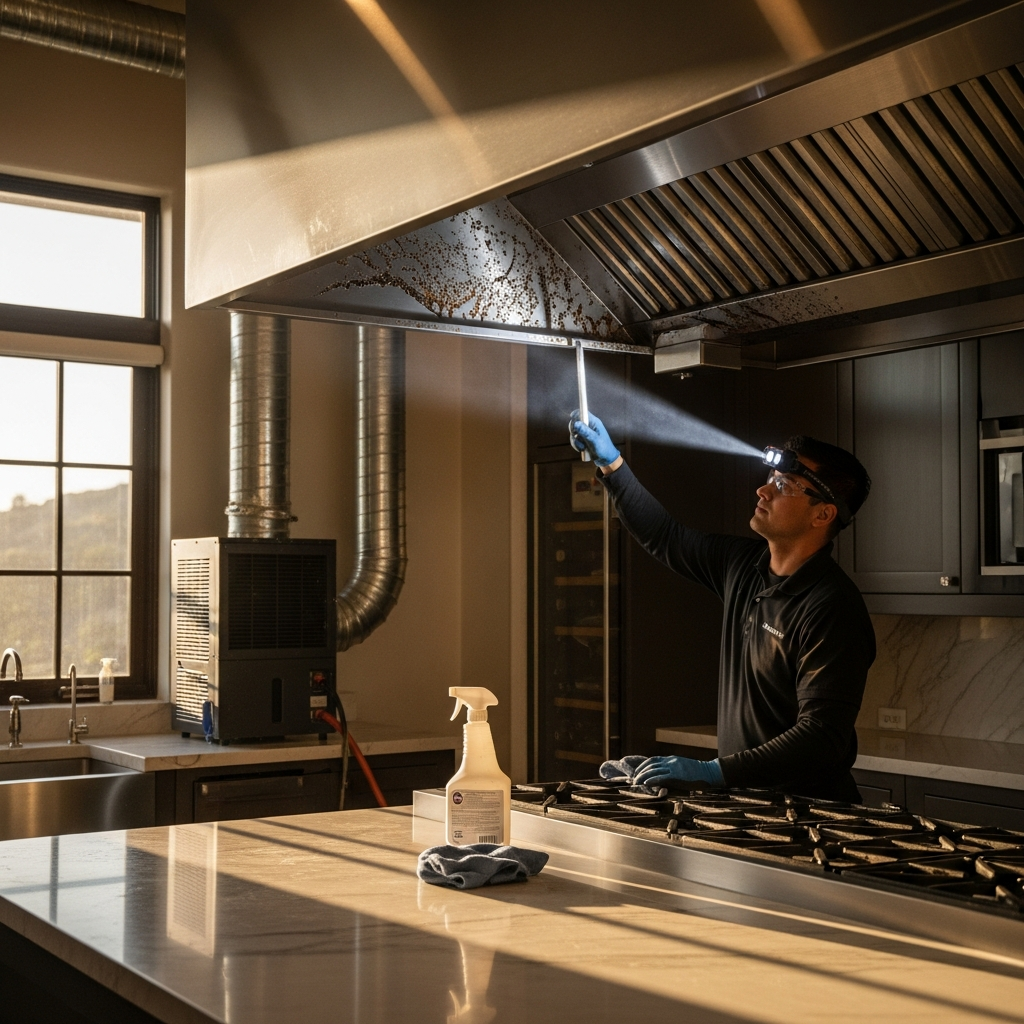
Soot is fragile. Too much pressure drives it into pores; the wrong solvent smears it into a permanent stain. The process starts with HEPA vacuuming to capture loose particles without pushing them deeper. Dry sponges lift residues from flat paints, while specific detergents tackle glossy surfaces and stainless steel. Malibu’s salty air pushes us to prioritize metals and glass quickly to stop corrosion and etching. Mirrors, fixtures, appliances, and window frames are addressed early, and protective treatments may be applied after cleaning to extend life in the marine environment.
Textiles and soft goods require their own path. Draperies, rugs, and upholstery can hold odor in their fibers. Depending on the fabric, we use specialized washing, ozone-free deodorization, or targeted solvent cleaning. Items with sentimental value receive extra care, balancing thoroughness with preservation, especially for vintage pieces that define Malibu’s coastal style.
Water From Firefighting: Drying That Preserves Materials
Firefighting water lingers in places that are easy to overlook: under toe-kicks, inside wall cavities, beneath stair landings. If not removed and dried correctly, it leads to swelling, warping, and eventually mold. We combine extraction with thermal imaging and moisture mapping to find and address these pockets. Hardwood floors may be tented for targeted vacuum drying; plaster walls are dried slowly to preserve lath bonds. Malibu’s humidity can complicate the drying curve, so we balance dehumidifiers to keep the indoor environment stable without over-drying delicate woods and finishes.
HVAC systems are both a delivery path for smoke and a collector of soot. Duct cleaning with negative air machines, followed by careful sealing and phased filter changes, prevents odor reintroduction. Where salt exposure is high—homes right on the coast—we inspect and clean coils and internal metal components, reducing future corrosion risks.
Structural Repair: From Framing to Finish
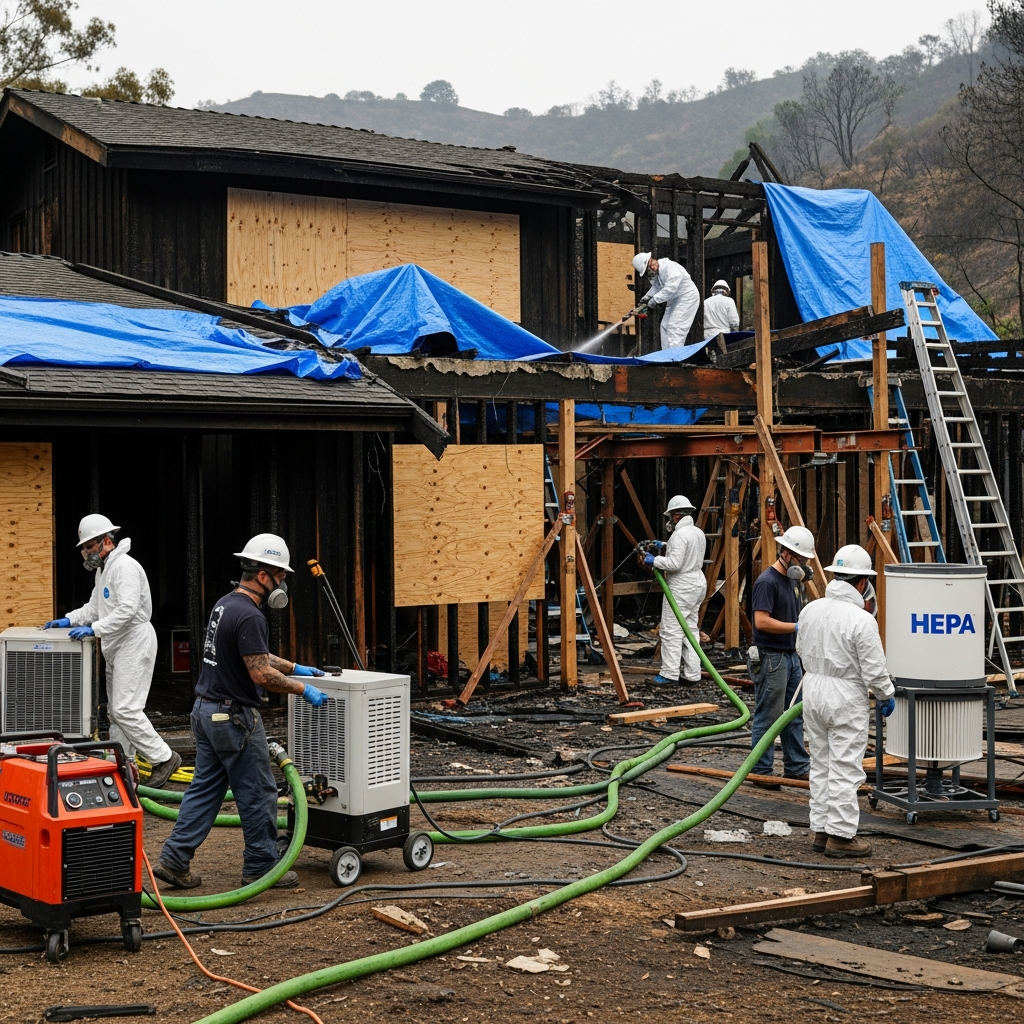
Once the environment is clean and dry, structural repair can proceed. Fire may char framing while leaving it surprisingly strong; in other areas, heat can weaken fasteners and compromise connections in ways that are not obvious at first glance. We evaluate the load path—joists, beams, posts, and connectors—so that repairs restore full integrity. When we remove affected materials, we seal cleaned structural members to lock in any remaining residues and create a reliable base for drywall and finish materials.
Finish carpentry, drywall, and paint follow the same disciplined logic. Repaired areas are integrated so that seams skip the eye. Where homeowners choose to update, we coordinate new materials with existing aesthetics, mindful that Malibu’s light reveals differences in texture and sheen. Kitchens and baths get special attention to ventilation; if a fire started in a cooking zone, we improve capture and exhaust so that everyday life does not recreate the conditions that led to damage.
Odor Neutralization: Lasting Results in a Marine Climate
Odor is the ghost of a fire, made more persistent by fluctuating humidity and temperature. We approach it methodically. Source removal prevents masking a problem. Thermal fogging or hydroxyl generation treats air and surfaces together, and cavity treatments reach behind walls and under subfloors where scents can linger. Only after these steps do we apply primers and sealers designed for smoke. This order matters; sealing too soon traps odor, and a month later a warm day invites it back. In Malibu, we plan follow-up checks timed with typical marine layer shifts to confirm success under real conditions.
Midway through a project, the change becomes tangible: air that smells neutral, glass that looks newly clear, floors that no longer feel slightly tacky to the touch. This is when we reconfirm the repair path with you, aligning remaining work and finish choices. It is also a good moment to re-emphasize proven fire damage restoration techniques that ensure the final stage—painting, flooring, and detailing—rests on a truly clean, odor-free foundation.
Documentation and Insurance: Clarity Reduces Stress
Documentation is the backbone of transparency. We photograph conditions, map moisture readings, and generate clear scopes of work that align with insurer expectations. This reduces back-and-forth and helps decisions happen quickly. For homeowners, it transforms a confusing process into a sequence of understandable steps, with visible progress each week and a clear end point.
We also coordinate with Malibu’s permitting requirements for repairs that touch structure, electrical, or exterior elements. Aligning inspection timing with the work sequence keeps momentum, especially important when ordering custom windows or exterior materials that have lead times.
Protecting What Makes Your Home Yours
Beyond structure and finishes, your home holds items that reflect who you are. We inventory, clean, and, when needed, store belongings so they return to you in better shape than you might expect after a fire. Artworks, instruments, and collections receive tailored care. Family photos and documents are handled with archival methods to avoid further degradation. It is the layer of restoration that recognizes homes are more than the sum of their parts.
Resilience for the Seasons Ahead
Once repairs are complete, we look forward with you. Ember-resistant venting, improved attic sealing, and defensible space planning can reduce future risk. Mechanical systems get scheduled maintenance plans, and filter changes are aligned with local wildfire seasons. Malibu is a place of beauty and elements; living here means respecting both by preparing your home to face them.
Frequently Asked Questions
Q: How do you know whether to clean or replace smoke-affected materials? A: We evaluate porosity, structural role, and the depth of contamination. Non-structural porous items with heavy odor may be better replaced, while structural members often clean and seal effectively.
Q: Will paint alone block smoke odor? A: Not reliably. Without thorough cleaning and odor neutralization, paint can trap smells that reappear later. Sealers designed for smoke are effective when applied after proper prep.
Q: Can hardwood floors be saved after firefighting water? A: Frequently, yes. With prompt extraction and controlled drying, many floors flatten enough for refinishing. We monitor moisture content to determine the right timing.
Q: How long does smoke cleanup take? A: It varies with home size and contamination level. We provide a timeline after assessment and maintain momentum with clear milestones.
Q: Do you clean HVAC systems? A: Yes. Duct cleaning with negative air machines and staged filter changes prevent reintroduction of particulates and odors into cleaned spaces.
Q: What about belongings like clothing and furniture? A: We separate items for on-site cleaning or specialty treatment off-site, using methods matched to fabric and finish to remove both soot and odor safely.
If your Malibu home needs expert repair and comprehensive smoke cleanup, we are ready to help. From first assessment to final polish, our team applies methodical steps and proven fire damage restoration practices so you can breathe easy again and return to rooms that look, feel, and smell like home.