When a fire breaks out in Malibu, the experience can feel surreal: the bright Pacific on one side, the darkened silhouette of the Santa Monica Mountains on the other, and in between a neighborhood waking to the smell of smoke and the hiss of hose lines. In those first moments after the flames are contained, what you do next will shape the pace of your recovery. That is why local expertise matters. Understanding the way salt air settles on surfaces, the way canyon winds push embers, and how our coastal humidity interacts with soot makes a measurable difference in how quickly and completely your home can be restored. Early action, done methodically, can protect structures, belongings, and special family spaces. For many homeowners, the first reassuring step is connecting with a team that lives and works here and understands the unique demands of Malibu’s terrain and architecture, including the specialized approaches that define effective fire damage restoration.
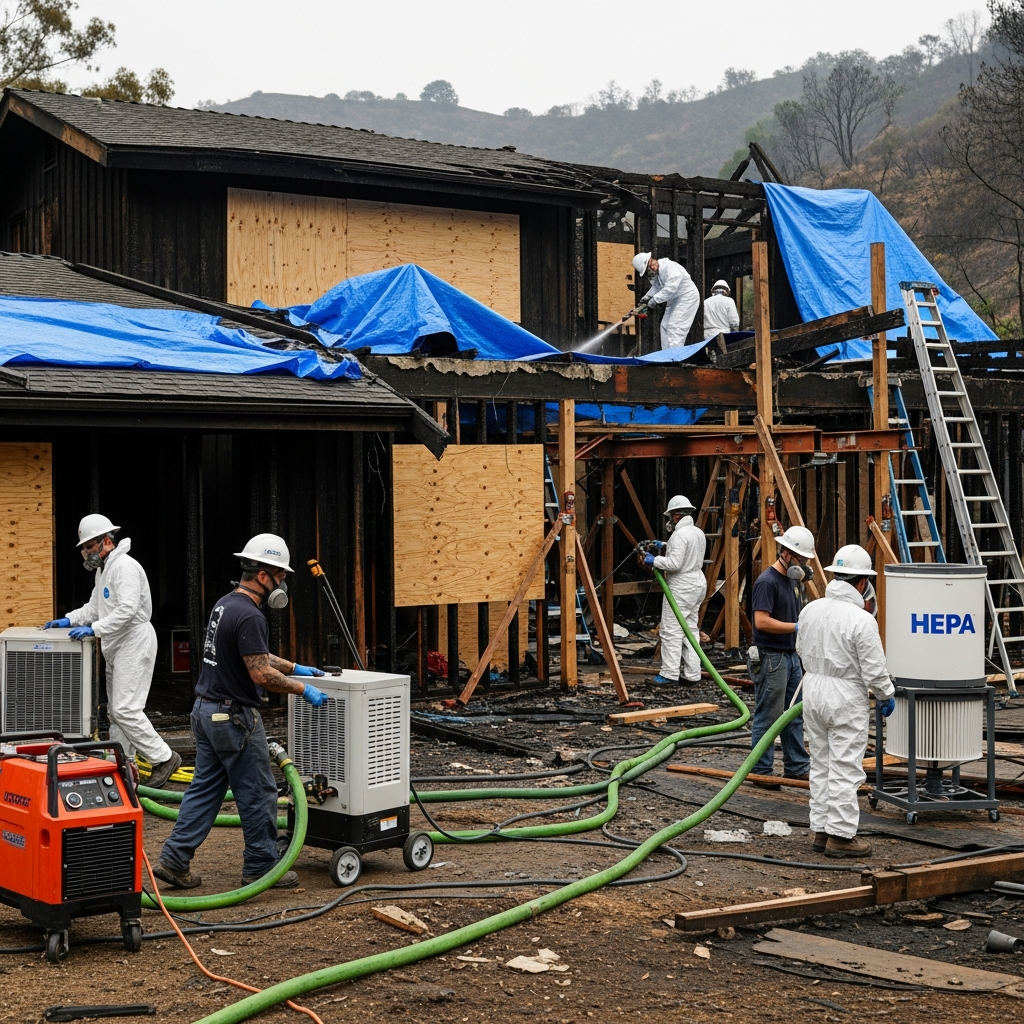
Emergency restoration is about more than speed; it is about choosing the right sequence under pressure. In Malibu, that includes navigating tight canyon roads, coordinating with local inspectors, and stabilizing structures exposed to marine air. It is a rhythm born from experience: secure the site, evaluate structural integrity, remove standing water from firefighting efforts, and begin careful soot removal before corrosive residues etch into metals and glass. Every minute counts, but not in a frantic way; the work moves with urgency guided by a precise plan, ensuring no step compromises the next.
Why Malibu Emergencies Require Localized Expertise
People who have lived through Santa Ana wind events know how fast conditions can change. Even after the fire is out, winds can push ash through vents, under door sweeps, and into hidden cavities you would not expect. Malibu homes often blend glass walls, stucco, and exposed steel, and each surface type interacts with soot differently. Coastal salt compounds the challenge, accelerating corrosion if residues are not neutralized swiftly. That is why we emphasize immediate pH stabilization for affected metals and appliances, and why windows are treated early to prevent permanent etching. Traditional neighborhoods off Pacific Coast Highway also feature older, custom finishes—handcrafted tiles, reclaimed beams, specialty plaster—that require delicate, material-specific methods to preserve character while removing contamination.
Another factor unique to Malibu is elevation microclimates. Homes perched above Las Flores Canyon or overlooking Point Dume can trap heat differently than those tucked inland near Calabasas. In practical terms, temperature and humidity levels can influence how deeply smoke odor bonds to porous surfaces like drywall, soft woods, and textiles. A one-size-fits-all approach risks sealing smells inside the building envelope. Instead, we deploy targeted deodorizers and create controlled airflow pathways, balancing dehumidification with thermal fogging or hydroxyl treatments as needed to address odor at the molecular level without over-drying delicate finishes.
The First Hours: Stabilization, Safety, and Documentation
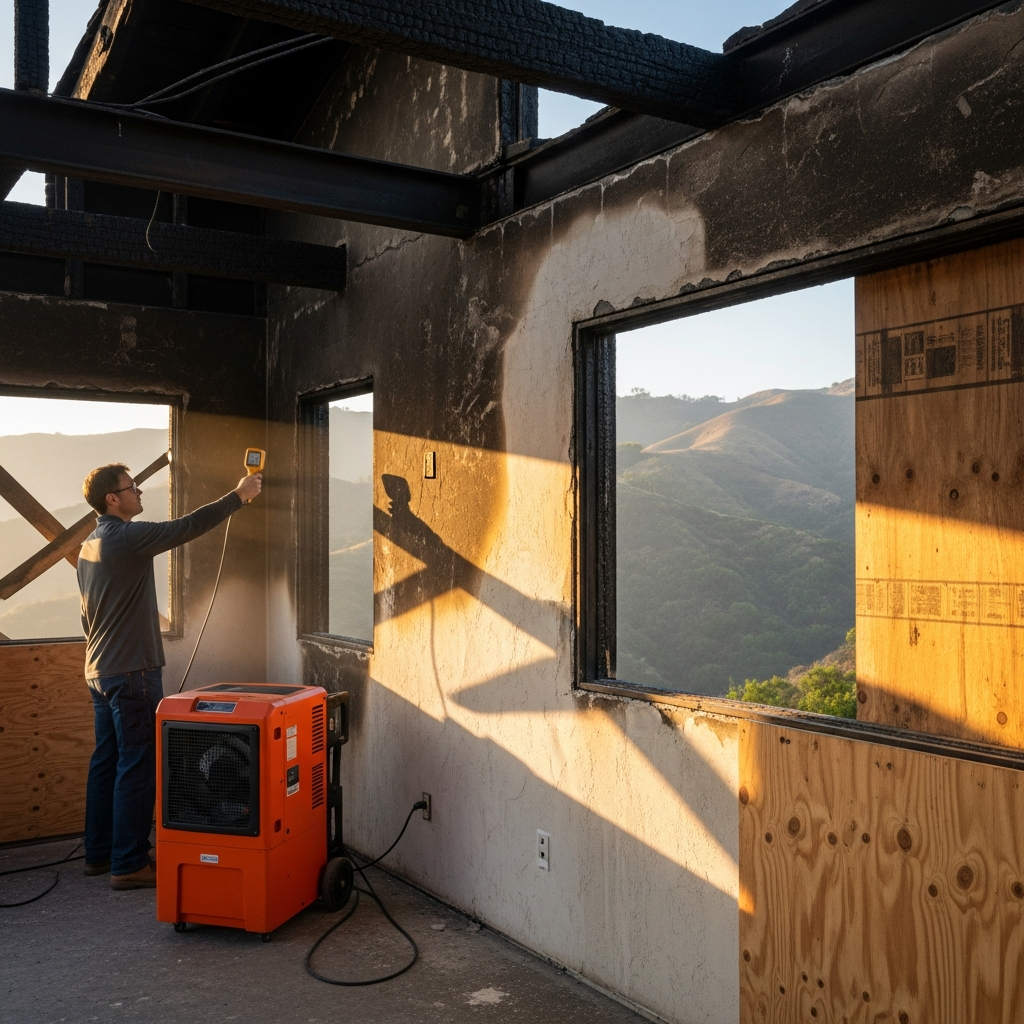
In the emergency phase, safety drives every decision. We begin with a structural walk-through to assess compromised framing, spalling concrete, and weakened roof members; it is especially important in Malibu where hillside foundations and cantilevered decks can conceal stress. Board-up services protect against intrusion and weather, while temporary shoring secures rooflines and balconies. Power is isolated with an electrician’s eye to salt-exposed service panels, and water shutoffs are verified to prevent secondary leaks. Firefighting water can linger in wall cavities; left alone, it sets the stage for mold within days. Moisture mapping with thermal imaging finds those unseen pockets, enabling targeted extraction and drying so that the building dries evenly and safely.
Documentation is the quiet engine of a successful restoration. Photographs, itemized logs, and moisture readings become the record that supports your insurance claim and guides the technical work. In Malibu, we add another layer: cataloging high-value, one-of-a-kind items—art pieces, surfboard collections, archival photos—that are part of the story of your home. Contents that can be cleaned on site are carefully segregated; items that need specialty treatment are packed out and transported to a controlled environment for ultrasonic cleaning or ozone-free deodorization, depending on materials.
Smoke and Soot: The Science Behind Complete Removal
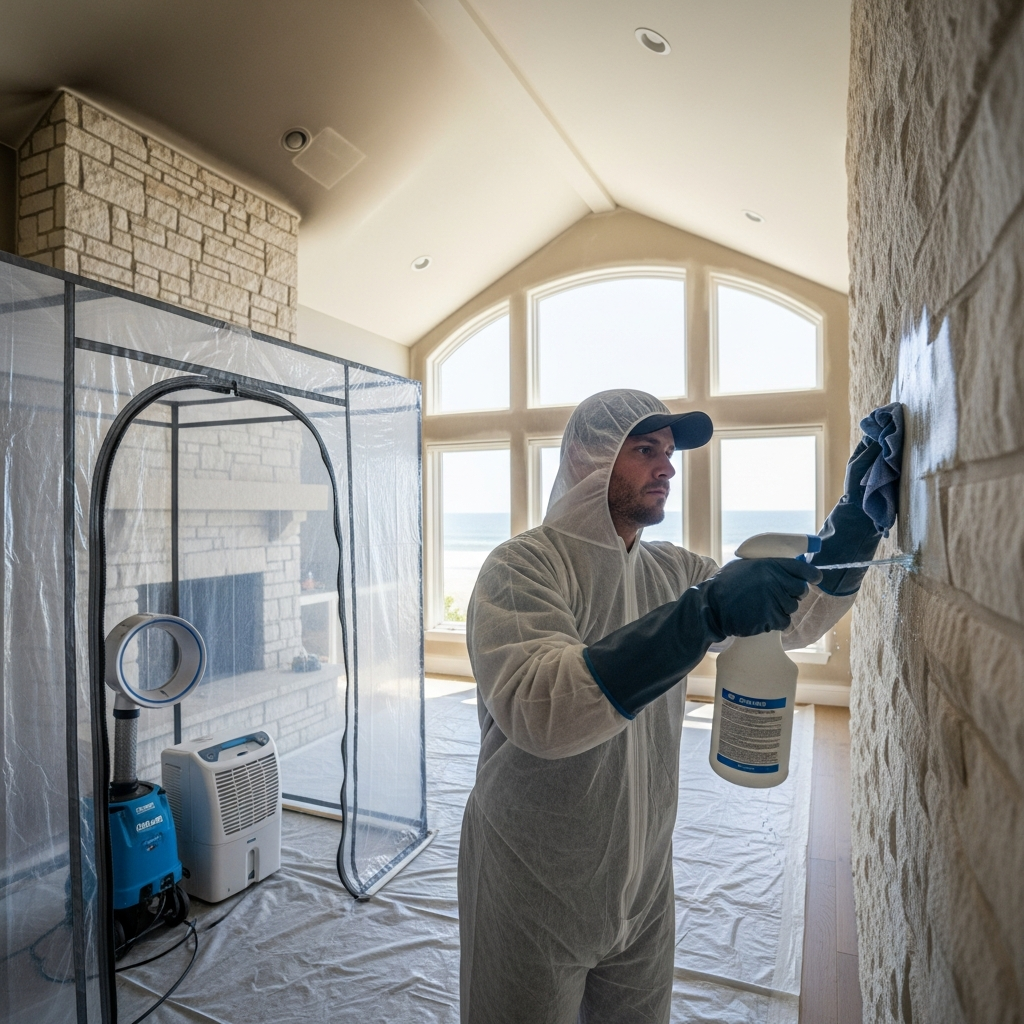
Not all smoke is alike. A kitchen protein fire leaves a greasy, nearly invisible residue with a strong odor that clings tenaciously to paint and cabinets. A wind-driven wildfire produces dry soot that travels far, wedging into attic insulation, behind baseboards, and inside HVAC systems. Malibu homeowners often face a combination of both. The key is sequence: vacuuming with HEPA filtration to lift loose soot, dry-chemical sponging to avoid smearing, and then wet cleaning with the correct detergents for the substrate. In coastal conditions, we pay special attention to light fixtures, appliances, and plumbing hardware where salt and soot together can corrode finishes at surprising speed.
Odor removal is part chemistry, part craftsmanship. If you seal in smells too early, you create a permanent reminder of a temporary disaster. Instead, source removal comes first: clean or replace porous materials that cannot be salvaged, treat cavities and interstitial spaces, and only then apply sealers appropriate for smoke damage. Attic spaces receive particular focus in Malibu, because coastal breezes can pull odors back through recessed lighting and ventilation pathways. When sealed and cleaned in the right order, new finishes go on confidently, and you gain peace of mind that the smell will not reappear with the next humidity shift.
Water Intrusion From Firefighting: Drying Without Damage
The water that saves your home can also threaten it if left in place. Emergency extraction gets bulk water out quickly, but true success comes from even, measured drying that protects hardwood floors, plaster walls, and custom millwork. In Malibu’s microclimates, we sometimes combine desiccant and refrigerant dehumidification to keep indoor relative humidity in the narrow band where both odor mitigation and material preservation succeed. Hardwood floors may be tented and vacuum-dried to reduce cupping; plaster and lathe walls require slow, gentle drying to avoid cracking. We also check insulation types; cellulose, common in older homes, often needs replacement after smoke exposure and wetting, while some closed-cell foams can be cleaned in place.
HVAC systems are a hidden frontier. Soot in ducts becomes a persistent odor source if not addressed, and filters alone do not solve it. We recommend comprehensive duct cleaning with negative air machines and careful sealing of registers during on-site cleaning to prevent recontamination. In homes near the shoreline, we also inspect for corrosion in air handlers and consider protective coatings after cleaning to extend equipment life.
Working With Insurers and the City
Emergency restoration intersects with policy language and permitting. Malibu’s permitting environment is forward-looking yet detailed, and coordinating repairs that touch structural elements or exterior appearance requires planning. We help stage the work so that essential health and safety tasks proceed immediately while long-lead repairs, like roof replacement or custom window orders, move through approvals. Detailed scoping, Xactimate-compatible estimates, and clear photographs streamline communication with adjusters. We also advocate for proper testing—lead and asbestos sampling in pre-1980s structures—so that work proceeds safely and meets regulations.
For many Malibu families, temporary housing and contents storage are part of the conversation. Pack-out inventories and climate-controlled storage keep your belongings safe while your home is restored. Antiques, surf memorabilia, and personal archives are wrapped in acid-free materials and stored off the coast to minimize salt influence, then returned when the interior is ready and the air is truly clean.
Rebuilding for Resilience
Emergency service ends when your home is stable, clean, and dry, but the story continues with thoughtful rebuilding. We approach reconstruction with resilience in mind: ember-resistant vents, defensible space planning, and material selections that balance Malibu’s aesthetic with durability. Stucco and fiber-cement siding, tempered glass, and ignition-resistant roofing are options worth discussing with your design team. Interiors can be protected with low-permeance stain-blocking sealers over smoke-impacted framing, ensuring future paint holds color and odor does not return. In the kitchen, protein fire sources are addressed with ventilation improvements and fire-rated backings. The goal is to return your space not just to its prior state, but to a stronger version of itself.
Neighbors often ask about timelines, and while each project is unique, momentum matters. By sequencing cleaning and reconstruction activities to overlap intelligently—finishing smoke removal in areas scheduled for earlier paint, for example—we keep the project moving without cutting corners. Communication is the thread that holds it all together: weekly updates, shared photo logs, and a dedicated point of contact who knows Malibu inspectors by name and understands how ocean weather shifts the workday.
The Human Side of an Emergency
What stays with us after every emergency call is the combination of loss and hope. Families pull chairs onto the deck to watch a dark horizon yield to dawn, and somewhere in that quiet, a plan takes shape. We never forget that your home is not just a structure; it is a place layered with birthdays, beach days, and quiet mornings with coffee and a marine layer rolling in. Care shows up in how we handle a smoke-stained teddy bear, the patience we bring to explaining a report, and the respect we show for privacy while we work. The fastest fix is not always the best fix; the best fix is the one that stands up to time, salt, wind, and memory.
Mid-project, when the initial chaos gives way to rhythm, we often revisit the plan with you. This is a good moment to decide which finishes to keep and which to refresh. It is also the right time to ensure the linkages between phases—drying, deodorizing, sealing, and rebuilding—are smooth. As we cross that midpoint, we reinforce our core promise: a complete and meticulous process grounded in science, craftsmanship, and the specific conditions of Malibu, always integrating proven methods of fire damage restoration to protect the integrity and character of your home.
Aftercare and Long-Term Monitoring
Completion does not mean we disappear. Post-restoration monitoring matters in a coastal climate. We schedule follow-up odor checks and moisture readings to confirm the building is performing as expected. If a rainy weekend or a Santa Ana wind burst reveals a concern, we address it promptly. Guidance on HVAC filter changes, housekeeping methods for soot-sensitive finishes, and product recommendations for maintaining cleaned stone and tile help preserve your results. We are also available to review home hardening plans ahead of next season, coordinating with landscapers and roofers so the entire property works together as a system.
Community resilience grows from shared experience. We learn from each event and feed that knowledge back into our approach. From Canyon fires to seaside kitchen flare-ups, the patterns are never identical, but the discipline we bring—safety first, science-driven cleaning, and clear communication—remains constant.
Frequently Asked Questions
Q: How soon should emergency restoration begin after a fire in Malibu? A: As soon as the scene is released by firefighters and deemed safe. Early stabilization, moisture control, and soot removal prevent corrosion and permanent staining, which are accelerated by coastal humidity.
Q: Will smoke odors return with marine layer moisture? A: If source removal and proper sealing are completed in the right sequence, odors should not return. We perform follow-up checks to ensure humidity shifts do not re-activate smells.
Q: Can hardwood floors be saved after firefighting water? A: Often, yes. With rapid extraction and controlled drying, cupping can be reduced. The success depends on the species, finish, and duration of saturation, all of which we evaluate before recommending repair or replacement.
Q: How do you protect art and specialty items? A: We inventory, pack, and move sensitive items to a controlled environment. Cleaning methods are matched to materials, from dry soot removal on canvases to ultrasonic cleaning for non-porous items, always avoiding processes that could alter finishes.
Q: What about permit requirements for structural repairs? A: Malibu typically requires permits for structural, electrical, and exterior work. We coordinate with the city, submit the necessary documents, and structure the workflow so health and safety cleaning proceeds while permits are in review.
Q: Do you handle communication with insurance adjusters? A: Yes. We document conditions, provide detailed scopes and photos, and work closely with adjusters to align on necessary work, keeping you informed at every step.
Q: How long does emergency restoration take? A: Stabilization and cleaning timelines vary based on the extent of damage, property size, and material types. We provide a clear schedule after the initial assessment and keep it updated as work progresses.
When the unthinkable happens, you deserve a calm, capable team that understands Malibu’s homes and the coast that shapes them. If you need immediate guidance or hands-on help right now, reach out and let us put a clear plan in motion, grounded in proven fire damage restoration methods, so you can protect what matters and start moving forward today.