When wildfire season bears down on the Santa Monica Mountains and the dry chaparral that lines our canyons, it can feel as if the entire landscape is breathing heat. Malibu knows this reality well. Ash settles on decks, smoky haze rides the onshore breeze, and the familiar hush of coastal mornings gives way to the distant thrum of helicopters and the crackle of radio chatter. In the aftermath, the most urgent question becomes how to make home feel like home again. If you are looking for fire damage restoration in Malibu after wildfires, you are not alone. Neighbors look out for neighbors here, and informed, careful action in the first hours and days can make an enormous difference in what can be saved.
Wildfire damage in Malibu is not a single problem but a web of interrelated challenges. Fire can char structural members, warp windows, and blacken exterior walls. Embers can sneak through attic vents or settle in roof valleys. Smoke can take up residence in textiles, art, electronics, and, insidiously, the tiny pores of plaster and wood. Then comes the water from firefighting efforts and the marine layer that rolls in by afternoon, combining to create a moisture load that threatens to push a smoke-damaged home toward secondary problems like corrosion and microbial growth. It is a dance of chemistry, airflow, and timing, and the right local approach reflects the rhythms of our coastline as much as the science of restoration.
Understanding Malibu’s Wildfire Footprint
In Malibu, topography and weather define fire behavior. The Santa Ana winds can drive flames down canyon corridors like a bellows, lofting embers ahead of the main fire front. Houses perched on ridgelines or nestled among mature chaparral may be spared direct flame yet still suffer severe smoke and soot impacts. Those tiny particles cling to salt crystals already present in the coastal air, depositing corrosive films on metal fixtures, appliances, and the fine finishes common to Malibu homes. Recognizing this local chemistry is critical to guiding the pace and sequence of restoration tasks.
Equally, building styles matter. Many Malibu residences feature stucco exteriors, clay or composite tile roofs, and a mix of modern steel, glass, stone, and reclaimed woods. These elements respond differently to heat and soot. Stucco may hide hairline cracking that increases water intrusion risk. Tile roofs can shield charred underlayment or conceal embers that smolder in debris-filled valleys. Large sliding doors and window assemblies can oven-bake gaskets and seals, allowing lingering smoke to infiltrate long after the flames are out. A Malibu-focused restoration effort begins with an assessment that accounts for these local construction details as well as the terrain, wind exposure, and proximity to burned vegetation.
First Priorities: Safety, Stabilization, and Clear Air
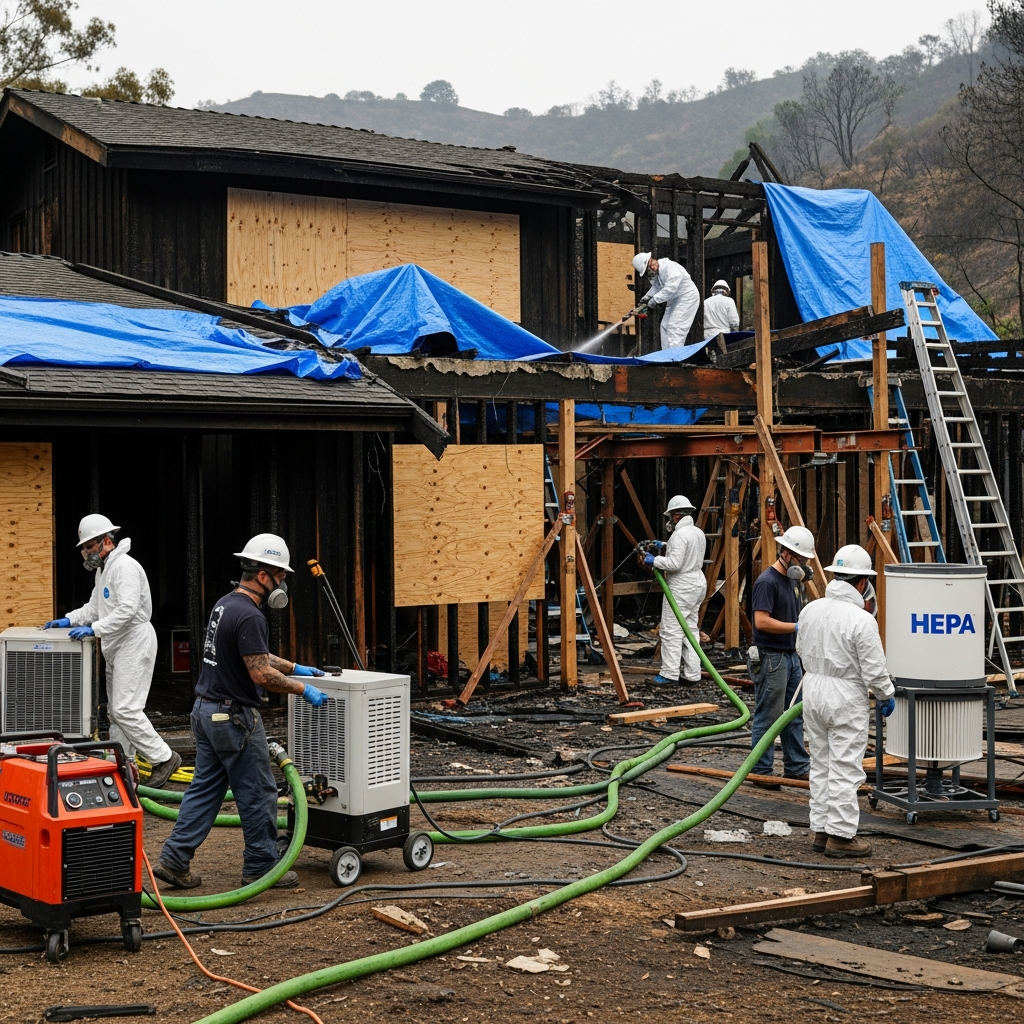
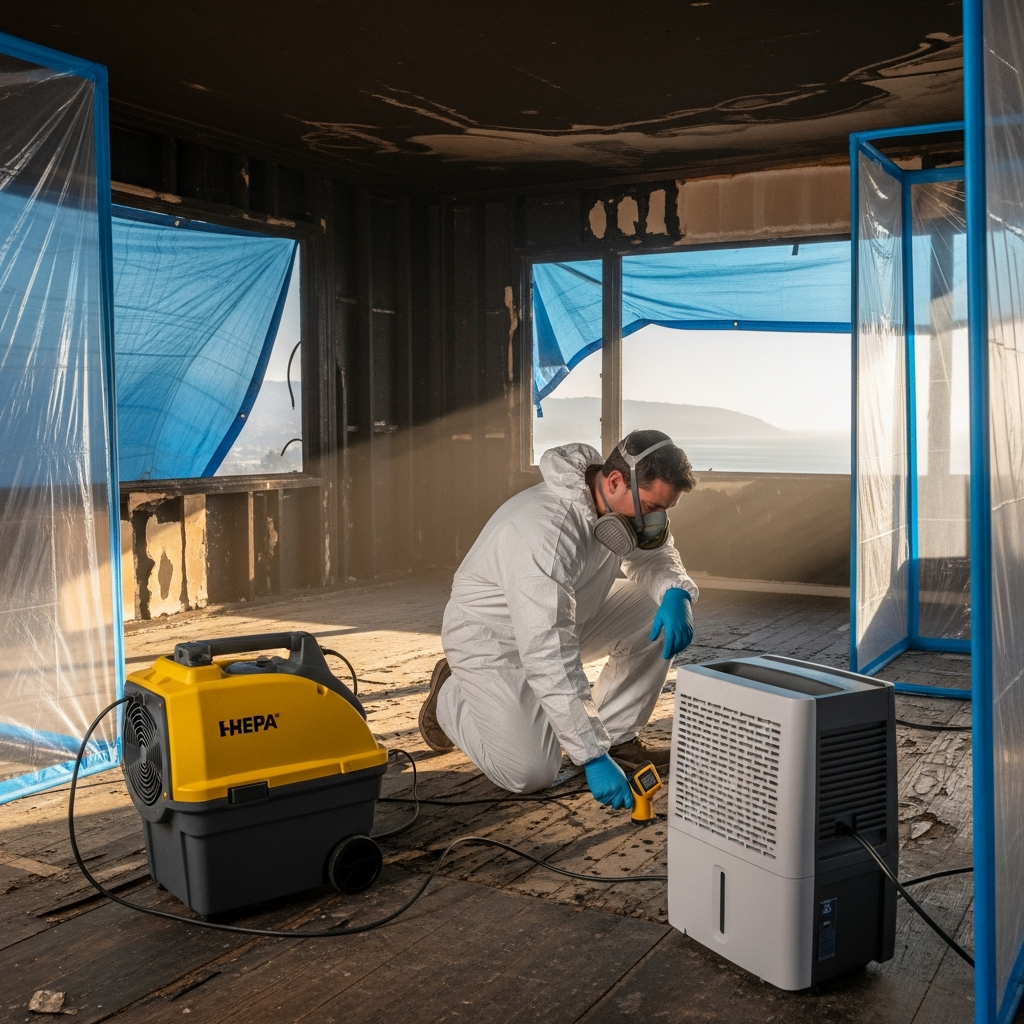
Safety comes first. Even if your property appears intact, the structure may have invisible hazards. Power may be intermittent; water lines may have been stressed by heat; and ash layers can hide nails or broken glass. A methodical site walk with appropriate protective equipment establishes safe access. Board-ups or temporary enclosures secure broken windows and doors. Tarping protects open roof areas from the next morning’s coastal moisture. In parallel, setting up negative air machines with HEPA filtration starts to pull contaminated air out of living spaces, moving the needle toward clean air quickly and preventing additional spread of soot.
Once immediate hazards are addressed, documentation anchors the rest of the process. Detailed photographs, measurements, and notes on each room’s condition help chart the map from loss to recovery. Soot testing—simple at the surface and more nuanced in labs when needed—distinguishes between dry soot from fast, high-heat fires and oily, residue-rich soot from slower, smoldering exposures. Protein residues from kitchen incidents, while less common after wildfires, can mingle with wildfire smoke in complex ways, intensifying odors. Getting the chemistry right at the outset informs cleaning agents and techniques, saving time and preserving finishes.
Soot Behavior and Why It Matters Here
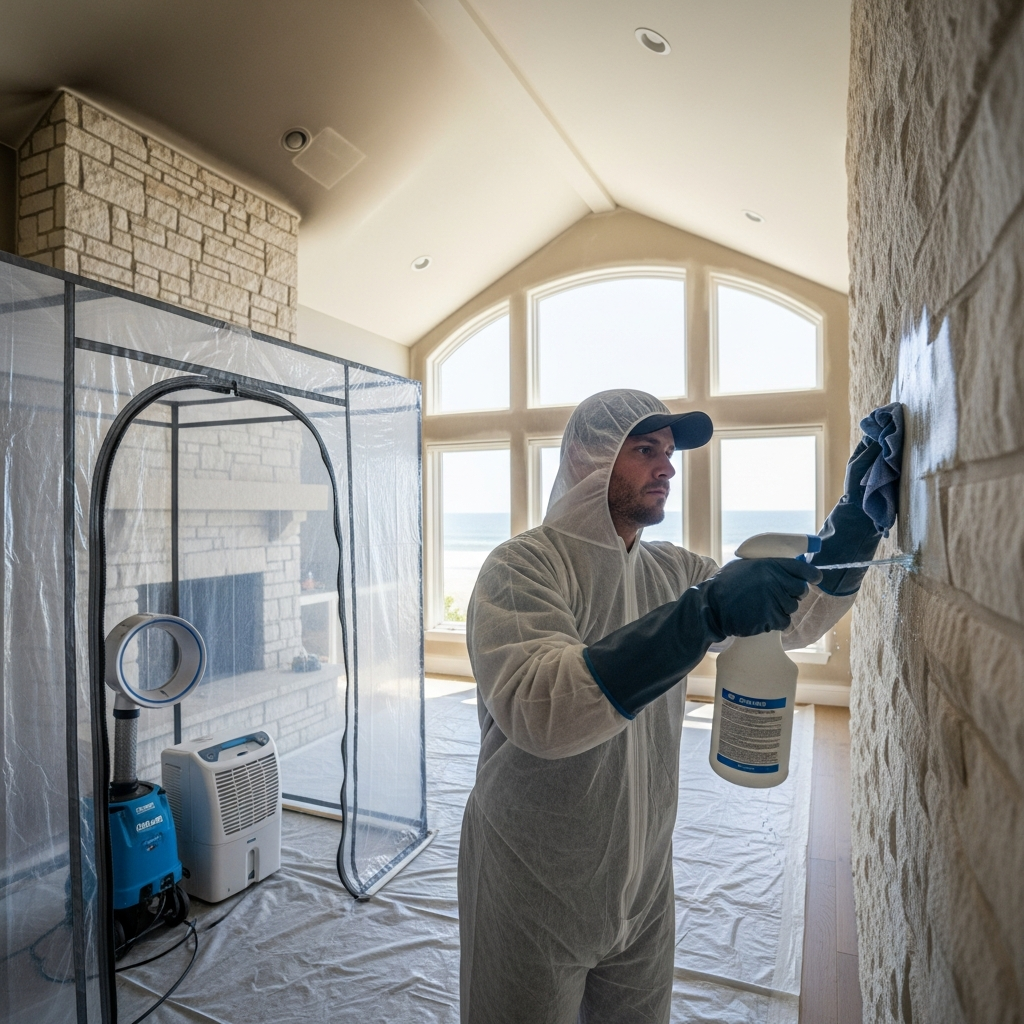
Soot is not just dirt; it is a reactive blend that can etch glass, pit metal, and stain porous materials if left in place. Along the Malibu coast, the problem can escalate thanks to salt-laden air. Salt attracts moisture, and moisture activates acids within soot. That is why corrosion can appear rapidly on stainless appliances, fixtures, and electronics after a wildfire event. A smart local plan emphasizes early “dry” steps—gentle vacuuming with HEPA units, dry sponge lifts on delicate surfaces—before introducing moisture. When liquids are needed, carefully chosen detergents neutralize residues without pushing them deeper into pores.
Textiles and soft goods call for special attention. Upholstery, drapes, and rugs will continue to off-gas smoke odors when warmed by sunlight or a fireplace, even weeks later. Some items benefit from ozone-free deodorization using hydroxyl generators combined with deep washing protocols. Others require specialty cleaning or pack-out to a controlled environment where temperature, airflow, and filtration can be tightly managed. Sentimental items—baby blankets, letters, quilts—can often be recovered with time and the correct sequence of cleaning steps, provided they are stabilized early and not exposed to humidity swings.
The Role of Moisture After Firefighting
Firefighting saves homes, but the water left behind can complicate recovery. In Malibu’s microclimate, the afternoon marine layer and cool evenings slow evaporation, allowing moisture to hide behind baseboards, within wall cavities, and beneath stone slabs. Thermal imaging and non-invasive moisture meters reveal these pockets. Controlled dehumidification and targeted airflow then draw moisture out efficiently. The trick is balance: too much airflow can move soot into clean spaces; too little allows moisture to stagnate. Experienced teams stage equipment and schedule phases to avoid cross-contamination while keeping drying timelines on track.
Floors and subfloors are a focal point. Hardwood planks may cup or crown; engineered flooring can delaminate under prolonged dampness. Stone flooring laid over mortar beds can trap water, slowly wicking and creating dark edges that look like stains when they are really moisture gradients. Addressing these issues early helps preserve high-value finishes and prevents the kind of long-term odor that seems to come from nowhere months later.
Protecting Architecture and High-Value Finishes
Malibu homes often blend natural materials with precise detailing. Reclaimed beams, hand-troweled plaster, oiled woods, and custom metalwork require tailored approaches. Abrasive methods that might be acceptable in a warehouse are rarely appropriate in a living room overlooking First Point. For structural members with char, techniques such as media blasting with baking soda or dry ice can remove surface carbon without gouging wood fibers or driving water into framing. Finish carpentry is masked and protected to avoid collateral cleanup. When plaster or limewash has absorbed smoke, gentle poultices and solvent gels can pull contaminants without stripping the finish.
Appliances and electronics sit at the crossroads of urgency and risk. Powering up a soot-contaminated refrigerator or amplifier can accelerate corrosion. Instead, the best practice is controlled cleaning and drying before testing and re-energizing. HVAC systems deserve special scrutiny. Return ducts and filters may be loaded with fine particulate. Evaporator coils can harbor odors. A thorough plan includes duct inspection, filter replacement with high MERV ratings, and, when indicated, coil cleaning to keep recirculated air from recontaminating clean rooms.
Our Wildfire-Specific Process
The arc of restoration follows a predictable path even as it responds to your home’s individual character. It starts with site safety and stabilization, moves into careful assessment and containment, and then proceeds through cleaning, deodorization, drying, and rebuild. In the middle of this journey, homeowners often ask when it will start to feel like home again. For many, the turning point arrives when the odors diminish and familiar views are framed by windows that no longer carry a smoky film. That is where a Malibu-focused plan pays dividends. We balance aggressive odor control with gentle surface care, ensuring that the materials that make your home unique are treated with respect. If you are comparing options for Malibu fire damage restoration, pay close attention to how a provider discusses soot chemistry, moisture control, and the coastal environment; those details signal true local expertise.
Containment is the unsung hero of a clean outcome. By isolating work zones with temporary walls and maintaining negative pressure, we prevent soot from migrating as doors open and crews move in and out. Floors are protected with breathable coverings that allow trapped moisture to escape. Routes for equipment and debris are planned so that each day’s work leaves the property cleaner than it started. Communication is also central. Daily updates, clear expectations about the next steps, and coordination with adjusters help the process feel orderly even when the scope feels daunting.
Working with Insurers and the City
Most Malibu homeowners will coordinate with insurance after wildfire exposure. Documentation underpins that conversation: a room-by-room inventory of conditions, a photographic log of contents, and testing notes that justify methods. The aim is alignment—everyone agreeing on the starting point and the destination. The rebuild phase may involve permits, especially when structural elements, electrical systems, or exterior envelopes are affected. Malibu’s coastal zone review and wildfire hardening considerations can add nuance to those approvals. Planning for those steps early keeps momentum steady, reducing the gap between cleaning completion and rebuild commencement.
Compliance is not just paperwork; it is a pathway to resilience. When replacing vents, for instance, choosing ember-resistant designs improves future performance. Considering noncombustible siding or decking in targeted areas can reduce vulnerability without disrupting the character of the home. Landscaping adjustments—maintaining defensible space, selecting less resinous plantings near structures—fit into this picture too, and the restoration process is a natural time to make thoughtful changes.
Life Inside a Home Under Restoration
People often ask whether they can stay in their home during work. The answer depends on damage severity and containment. For light to moderate smoke impacts with no structural compromise, families sometimes occupy unaffected zones while work proceeds in stages. Good containment and scheduling make this feasible. For heavier damage or when demolition is necessary, a temporary relocation may be the safest, healthiest path. Pets, children, and anyone sensitive to odors or particulates deserve special consideration. Clear schedules and predictable milestones make planning easier, whether that means staying with friends or arranging a short-term rental.
The emotional side of wildfire recovery should not be overlooked. Certain items carry meaning that defies any line item on a contents list. Set aside a moment early on to identify top-priority keepsakes so they can be stabilized and treated first. Parallel to that, be prepared for the subtle wins that signal real progress: windows that stop filming over, a closet that no longer smells like smoke, a morning when the marine layer blows in and the house simply smells like the ocean again.
Odor Removal That Respects People and Materials
Odor control is both science and art. Counteractants can neutralize odor molecules; adsorption media can capture them; and controlled oxidation can alter them. In many Malibu homes, a layered approach works best. We start by removing the source—soot and contaminated dust—through HEPA vacuuming and fine surface cleaning. Then we apply targeted deodorization techniques based on materials and occupancy. Hydroxyl generators are favored in many occupied scenarios because they allow ongoing work without the exclusion periods associated with certain ozone treatments. Porous materials such as unfinished wood or masonry may benefit from heat-assisted off-gassing in controlled settings followed by sealers formulated to lock in any residual odor without altering the visible finish.
It is worth noting that some odors originate from places you would not expect. Attic insulation can hold a tremendous amount of smoke and can reintroduce odor to living spaces through tiny air leaks or recessed lighting cans. Replacing contaminated insulation, air sealing, and ensuring proper ventilation balance in the attic can produce outsized improvements. Chimneys and flues also warrant inspection; creosote and soot deposits inside can smolder in warm weather, rekindling odors until properly cleaned and sealed.
Rebuild with an Eye Toward the Coast
As cleaning and drying reach their endpoints, the rebuild phase brings a sense of renewal. Choices made here carry long-term benefits. Selecting finishes that are both coastal-tolerant and fire-conscious offers peace of mind. Stainless grades better suited to salty air, fasteners designed for corrosion resistance, and exterior paints with superior UV stability are wise investments. Inside, air quality upgrades—tighter ductwork, higher-performance filtration, carefully balanced ventilation—can make everyday life healthier and more comfortable, especially during offshore wind events when dusty, dry air filters into the canyon network.
The rebuilt home often feels subtly different, not only because materials are new but because systems are tuned to the environment. That can mean better indoor humidity control, quieter HVAC operation, or simply the knowledge that behind the walls, moisture and airflow paths have been considered and improved. Malibu living is about embracing the environment as it is, and restoration done thoughtfully aligns a home with that reality.
Community, Coordination, and Timing
After a wildfire, timing is everything. Access can be limited; roads may be closed or restricted to residents. Coordination with neighbors, private road associations, and gate codes becomes part of the logistics puzzle. The right team respects these sensitivities and communicates clearly to minimize disruption, staging materials and timing deliveries in ways that work with the neighborhood’s rhythm. Even something as simple as the daily sea breeze matters; scheduling outdoor soot removal in the calmer morning hours can reduce recontamination and keep the process tidy.
In the middle of recovery, it can feel as though the work will never end. That is when visible progress helps most. Clean a room fully, close it off, and let it be a refuge. Move through the home in zones, finishing and protecting as you go. Each finished space is a promise that the rest will follow, and before long, the sounds of equipment give way to the familiar quiet of home life returning.
Frequently Asked Questions
How soon should wildfire restoration begin in Malibu?
As soon as the property is declared safe to enter, stabilization and initial cleaning should begin. Early actions like tarping, securing openings, and HEPA air filtration curb ongoing damage. The combination of soot and coastal moisture can accelerate corrosion and embed odors, so the first 24 to 72 hours are particularly important for assessments, moisture mapping, and source removal.
Can smoke odor really be removed completely?
In most cases, yes. Success depends on thorough source removal and the right combination of deodorization steps tailored to your materials. That typically includes HEPA vacuuming, dry and wet cleaning, targeted treatment of textiles and insulation, and, if needed, sealers on certain building elements. Odors persist when residues remain or when hidden reservoirs, such as attic insulation or HVAC components, are overlooked.
What about my HVAC system after a wildfire?
Your HVAC system may draw smoke into returns and ductwork. Inspection, filter upgrades, and coil cleaning may be appropriate. Sealing duct leaks and cleaning supply registers reduce redistribution of fine particulates. It is best to leave the system off until an inspection confirms it is clean and safe to run.
Is it safe to clean soot myself?
Light surface dust on hard, nonporous items can often be safely wiped with guidance, but soot is deceptively easy to smear and embed. Dry cleaning methods—like HEPA vacuuming with soft brushes and dry sponges—are preferred early on. Introducing water or household cleaners without understanding the soot type can set stains or etch finishes. When in doubt, wait for professional direction.
How long will the restoration take?
Timelines vary with damage extent, home size, and access. Light smoke impacts might resolve in a couple of weeks, while heavier damage involving demolition and rebuild can take several months. Factors like permitting, material lead times, and weather also influence schedules. Clear planning and staged work help keep momentum steady.
Can we stay in the home during the process?
Sometimes. If damage is limited and effective containment can be established, families may occupy unaffected areas while work proceeds in zones. Significant structural damage, heavy soot contamination, or major demolition usually necessitate a temporary move-out to protect health and speed progress.
How does Malibu’s coastal environment change the approach?
Salt in the air accelerates corrosion when combined with soot and moisture. Restoration plans here prioritize early dry cleaning, rapid moisture control, and protective treatments for metals. Afternoon marine layers and onshore breezes also influence scheduling and containment. These local details help prevent recontamination and preserve finishes.
Will everything need to be replaced?
Not necessarily. Many items can be cleaned and restored if addressed promptly. Decisions hinge on material type, degree of heat exposure, soot chemistry, and sentimental value. Thorough assessments separate salvageable contents and building elements from those that must be replaced for safety or durability.
Talk to a Malibu Restoration Specialist
When the wildfires are finally out and the ocean breeze returns, the real work of recovery begins. If you are ready to reclaim your home’s comfort and safety with a team that understands this coastline, reach out now. From careful assessments to respectful cleaning and a rebuild attuned to Malibu’s climate, we are here to guide every step. Start a conversation today and learn how thoughtful planning can shorten the road home. For experienced, local support in fire damage restoration in Malibu, our team is ready to help you move forward with confidence.