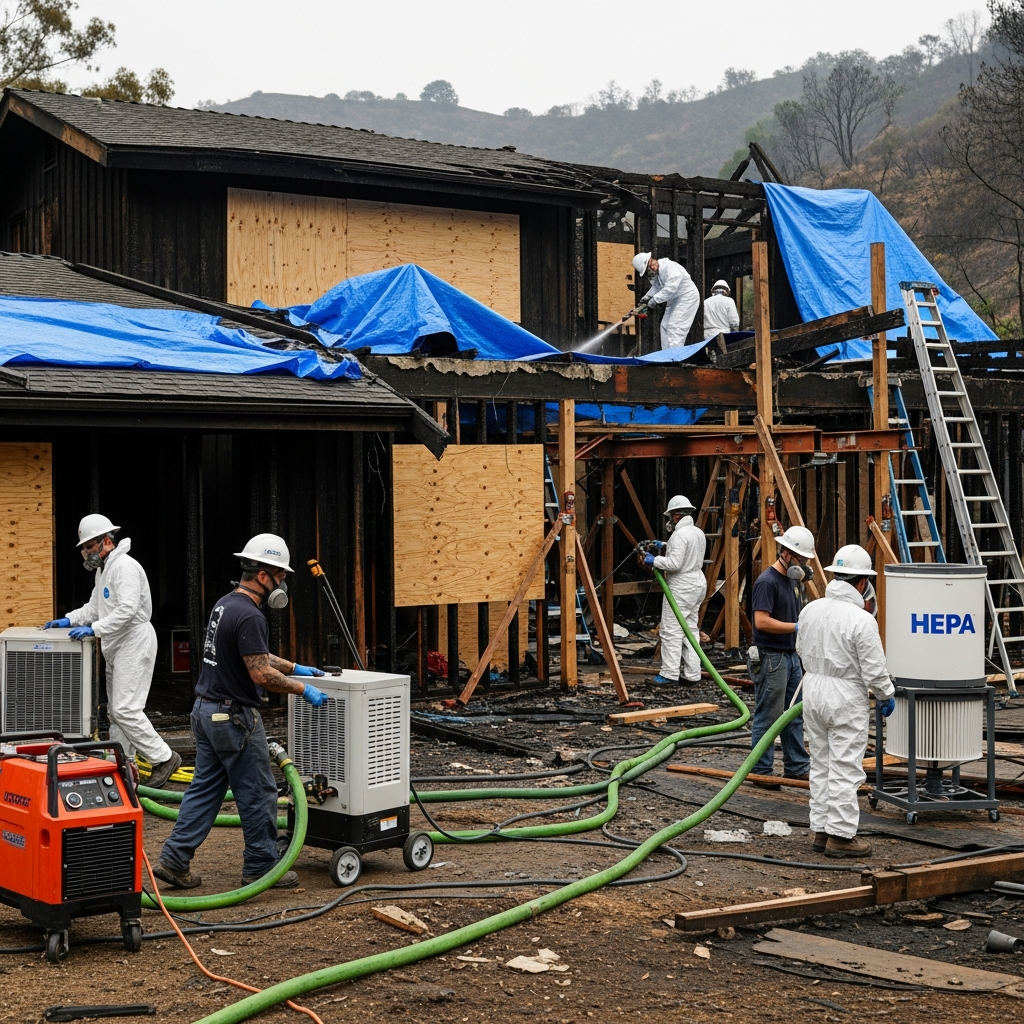
Emergencies in Malibu do not wait for a convenient hour. When a spark becomes a blaze and the wind carries embers down a canyon, families are forced into decisions in minutes. In those first disorienting hours, you need clarity, safety, and a plan that respects both your home and the rhythms of this coast. If you find yourself searching for immediate help with fire damage restoration in Malibu, know that effective action in the first day stabilizes the situation and preserves the most options for recovery.
Malibu homes embody their setting. Open plans draw the outdoors in; windows capture light bouncing off the Pacific; decks and courtyards stitch rooms together. This openness, so wonderful in everyday life, also allows smoke to spread quickly. Even if flames never crossed your threshold, smoke can drift through soffits, attic vents, and the smallest gaps around recessed lights. The result is a thin film of residue on surfaces, a persistent odor that ignites with every warm afternoon, and hidden moisture from firefighting efforts that can quietly work against you. Emergency restoration is about interrupting those cascades as early as possible.
The First 24 Hours: Calm, Careful, and Coordinated
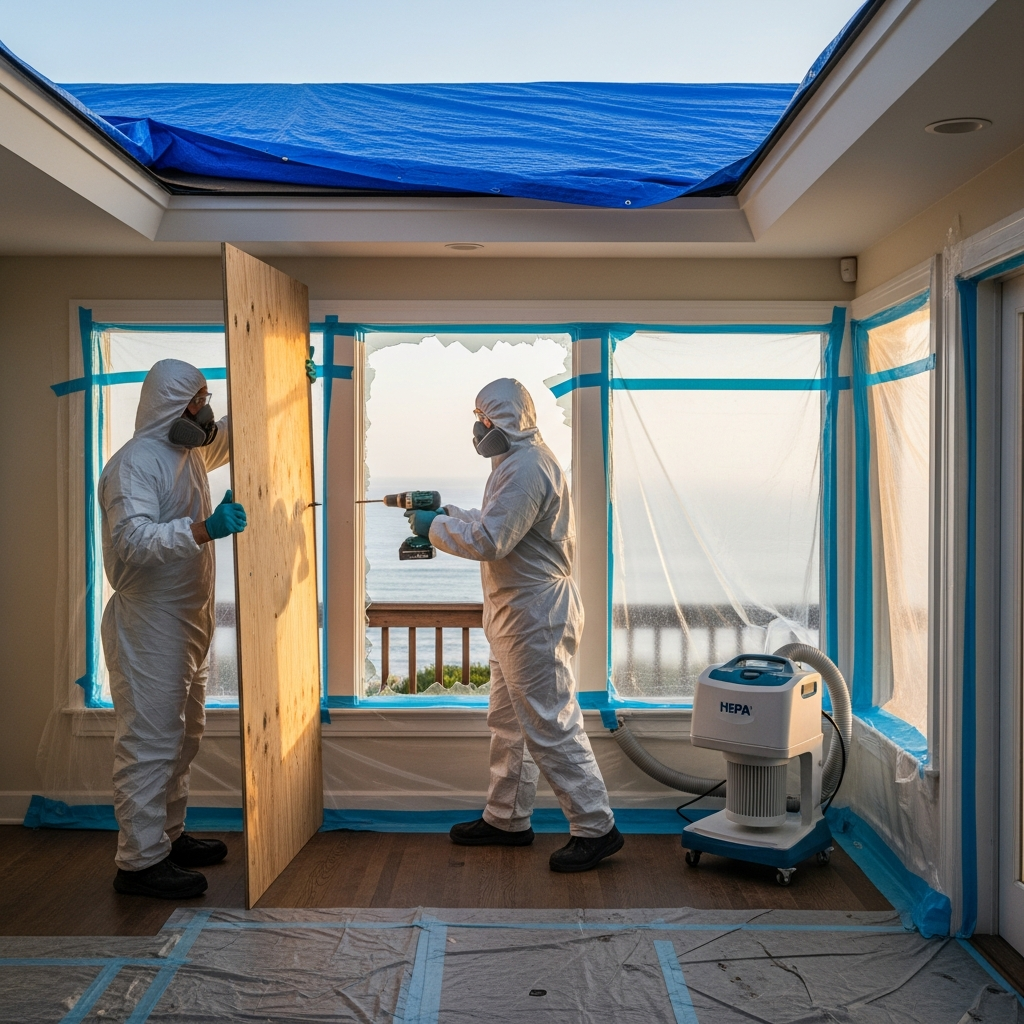
Once first responders declare the area safe to access, the priority becomes stabilizing your home. Broken windows are boarded; doors are secured; and roof openings are tarped before the evening marine layer can introduce moisture. Electricity and gas are checked; tripped breakers, damaged panels, or questionable appliances remain off until inspected. These immediate steps prevent additional damage and set the stage for thorough evaluation.
Air matters. Setting up HEPA-filtered negative air machines reduces smoke particles and odors in living spaces, creating a cleaner environment for you and for the crews who will be in and out. In parallel, a walk-through documents conditions room by room. Photographs capture each surface and item. Where residues vary, quick on-site tests help determine whether soot is dry, oily, or protein-based, which informs the approach to initial cleaning. With Malibu’s salt-laden breeze, waiting even a day to address delicate metals and electronics can make corrosion take hold; early attention here pays dividends later.
Board-Up and Tarping with the Coast in Mind
Traditional board-ups work, but in Malibu, smart choices reduce collateral impacts. Breathable, weather-resistant barriers can cover large window walls without trapping interior humidity. Tarping roofs means minding tile, metal flashings, and the potential for hidden embers or compromised underlayment. When possible, set temporary drainage paths to guide any condensation or dew away from open cavities. We always think ahead to the afternoon onshore breeze that can blow ash back toward the home and under flapping edges if they are not secured with care.
These measures are not only about weather. They also allow controlled access for inspectors, adjusters, and specialized trades. Having a clean, safe staging area accelerates the next steps, from moisture mapping to contents triage, without risk of recontaminating areas that are already stabilizing.
Moisture Mapping and Drying in a Marine Climate
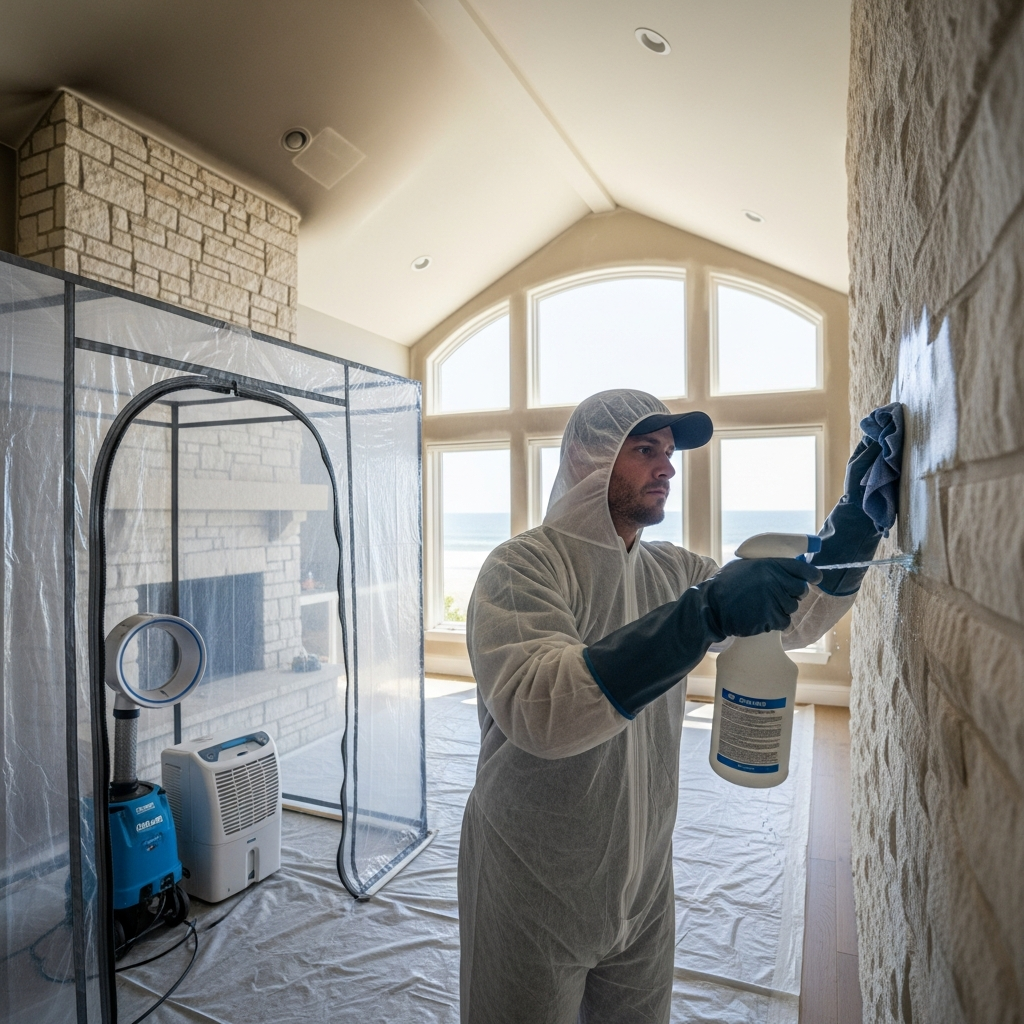
Water from firefighting and plumbing impacts can be deceptively widespread. Emergency teams deploy thermal cameras and moisture meters to identify hidden dampness behind baseboards, inside wall cavities, under cabinetry, and beneath flooring. In Malibu’s microclimate, the marine layer and nightly cooling slow natural evaporation. The result is moisture that lingers long enough to warp wood, delaminate veneers, and create musty odors. The solution is targeted drying with controlled dehumidification and balanced airflow. We establish containment to isolate wet zones so we can dry aggressively without spreading soot to clean rooms.
Floors are a particular focus. Hardwood responds differently than stone or engineered products. Where boards have cupped, early stabilization can reverse or reduce distortion. With stone floors, we look beneath the surface; mortar beds can trap water that will print as dark edges along tile if left to slowly wick. Emergency drying aims to protect these high-value finishes while setting a clean slate for detailed cleaning.
Emergency Cleaning: What to Touch, What to Wait On
Homeowners often want to start wiping surfaces immediately. It is an understandable impulse, but early cleaning benefits from a light touch. Dry methods—HEPA vacuuming, gentle brushing, dry sponges on walls and ceilings—lift particulate without smearing oily residues. Introducing water or general-purpose cleaners too soon can set stains. In kitchens and baths, where proteins and oils interact with smoke, we test discreetly before choosing agents. The goal of emergency cleaning is to remove bulk contamination, neutralize corrosive residues on sensitive materials, and prepare the property for deeper, methodical restoration.
Textiles tell the story of a fire’s reach. Curtains, bedding, clothing, and rugs hold odors tightly. Emergency response includes separating heavily impacted items, bagging to prevent cross-contamination, and prioritizing sentimental or high-value pieces for specialized cleaning or controlled pack-out. With Malibu’s frequent temperature swings, untreated textiles can intermittently off-gas, making a house feel smoky again even after visible cleanup. Early intervention limits that cycle.
HVAC and Airflow Control
HVAC systems can spread smoke into every room. We often recommend keeping systems off until filters are changed and returns inspected. In some cases, coil and duct cleaning may be warranted. Establishing negative pressure in work areas, coupled with air scrubbers in occupied zones, creates a healthier breathing environment and prevents fine soot from resettling on newly cleaned surfaces. This airflow choreography reflects experience in coastal homes where open floor plans and high ceilings can create complex air pathways.
Emergency deodorization focuses on making the interior livable as soon as possible. Techniques like hydroxyl treatment provide ongoing odor reduction without requiring occupants to vacate for long periods. These treatments complement, but never replace, source removal; true odor relief starts with removing contaminated dust and residues before introducing any counteractants.
Communication When It Matters Most
In an emergency, information reduces stress. Daily updates—what was done, what is next, and what decisions are needed—transform a chaotic situation into a step-by-step plan. We coordinate with adjusters to align documentation and scope. We also discuss temporary living arrangements if work zones make occupancy impractical. Pets, children, and anyone with respiratory sensitivities are factored into scheduling and containment choices, ensuring your family’s comfort and safety guide our tactics.
Midway through emergency stabilization, many homeowners start to feel a shift. The air smells cleaner. The windows no longer film over every morning. You can walk barefoot without black marks on your feet. That is the moment when emergency work hands the baton to comprehensive restoration. If you are comparing providers for Malibu emergency fire damage restoration, ask how they manage moisture in a marine climate, what they do to protect finishes common to coastal homes, and how they prevent recontamination as work progresses.
Contents: Salvage, Pack-Out, and Care
Contents triage identifies what can be cleaned onsite, what should be packed out, and what may be unsalvageable. The aim is to protect what matters most while preserving options. Art, instruments, heirlooms, and electronics often benefit from controlled environments where humidity, temperature, and air filtration are dialed in. Cataloging each item and its condition prevents confusion later and supports insurance conversations. We give special attention to sentimental pieces because their value cannot be measured by replacement cost.
Kitchen contents pose unique challenges. Oils and proteins interact with soot to create sticky films on cookware and cabinets. Gentle degreasers and repeated rinses may be necessary to prevent future odors, especially when items are heated. Pantry goods exposed to smoke or heat are typically discarded for safety, while sealed items are evaluated case by case. The aim is a fresh start without carrying subtle residues back into daily life.
From Emergency to Rebuild
Once the home is stable, dry, and largely clean of bulk residues, a more detailed restoration plan unfolds. That may involve selective demolition—removing damaged drywall, insulation, or finishes—followed by deodorization, fine cleaning, and rebuild. In Malibu, we often pair these steps with resilience upgrades. Ember-resistant venting, improved exterior seals, and strategic landscape adjustments can reduce future vulnerability. Where permits are needed, early coordination smooths the path, especially in the coastal zone where reviews can add time.
Rebuild choices are opportunities to align the home with the environment. Corrosion-resistant fixtures suit the salt air. Durable exterior finishes stand up to sun and wind. Inside, air quality improves with higher MERV filtration and sealed ductwork. These decisions, made under pressure, can yield a home that feels better day to day than it did before the emergency.
Frequently Asked Questions
What should we do first after a fire in our Malibu home?
Ensure everyone is safe and wait for clearance to reenter. Once safe, prioritize securing openings, tarping roof damage, and starting HEPA air filtration. Avoid turning on contaminated appliances or the HVAC system until they are inspected. Document conditions with photos before moving items.
How fast can emergency crews arrive?
Response times vary with access and conditions, but emergency teams are structured for rapid mobilization. Clear directions, gate codes, and contact information help speed arrival. Once onsite, crews move immediately into stabilization, documentation, and initial cleaning.
Is the smoke odor harmful?
Smoke contains fine particulates and volatile compounds that can irritate eyes and airways. The priority is to remove residues and ventilate. HEPA filtration and targeted deodorization reduce exposure while thorough cleaning addresses the source. Sensitive individuals should avoid impacted areas until initial cleanup is complete.
Can we stay in the house during emergency work?
Sometimes, if damage is light to moderate and effective containment separates work zones from living areas. For heavier impacts, temporary relocation may be safer and may also speed the work. This decision is made after an assessment of air quality, structural safety, and access.
Will all of our belongings need to be packed out?
No. Many items can be cleaned onsite. Items that are heavily contaminated, delicate, or high value may be better treated offsite in a controlled environment. A detailed inventory and clear labeling ensure everything returns to its proper place once the home is ready.
How long does emergency stabilization take?
From a day to several days, depending on the size of the home and the extent of damage. The goal is to quickly move from chaos to a controlled, clean environment, with moisture under control and the bulk of residues removed so detailed restoration can proceed effectively.
What about our pets and children?
They should be kept away from work areas and from rooms with heavy soot. If staying in the home, designate clean zones and pathways protected by floor coverings and containment. Communicate any sensitivities to the team so equipment placement and scheduling accommodate your family’s needs.
Moving Forward with Confidence
After the rush of the emergency comes the steady work of getting life back to normal. When you are ready for a clear plan, consistent communication, and a team that respects Malibu’s homes and climate, we are here to help. Reach out to begin the transition from urgent stabilization to thoughtful restoration. For immediate assistance with fire damage restoration in Malibu, connect with our local specialists and take the first concrete step toward recovery.