After a fire, it is natural to look for clear answers and a straightforward plan. Malibu homeowners reaching out to Encino-based restoration teams often want to understand what shapes the scope of work, how timelines are set, and which decisions protect the long-term health and comfort of the home. While every property tells its own story, the principles that guide a successful recovery are consistent: act quickly to stabilize, assess carefully to avoid unnecessary disruption, and rebuild on a foundation of clean, dry, odor-neutral structure. If you are gathering information and want a concise overview to ground your thinking, you can start with keyword.
In my experience, the wisest approach focuses less on broad generalizations and more on the specifics of your home. The Malibu-Encino corridor features coastal humidity, hillside lots, and a rich mix of materials—from reclaimed oak floors to hand-troweled plaster and expansive glass. These elements influence the path of smoke and heat during an incident and the strategies we deploy afterward. When a plan reflects those details, the work proceeds efficiently and the results endure.
What Shapes the Scope of Restoration
Scope is determined by what the fire touched directly and what smoke and firefighting efforts reached indirectly. We look at structure, finishes, and contents in concentric circles from the source outward. A contained kitchen incident, for example, might leave the living room visually unscathed while sending a faint protein odor into adjacent closets and HVAC returns. The right scope recognizes those hidden pathways. It also weighs the resilience of materials: hardwood that can be cleaned and sealed, stone that may need pH-sensitive care, and textiles that respond well to controlled laundering.
Environmental context matters. The cool ocean air that makes Malibu evenings so pleasant also slows drying if indoor humidity is not stabilized early. The way wind moves across a property can push smoke into unanticipated wings of a home or carry it up stairwells that function like chimneys. Incorporating local weather and airflow into the initial plan prevents surprises and keeps the project moving steadily.
Stabilization: The Foundation of Everything that Follows
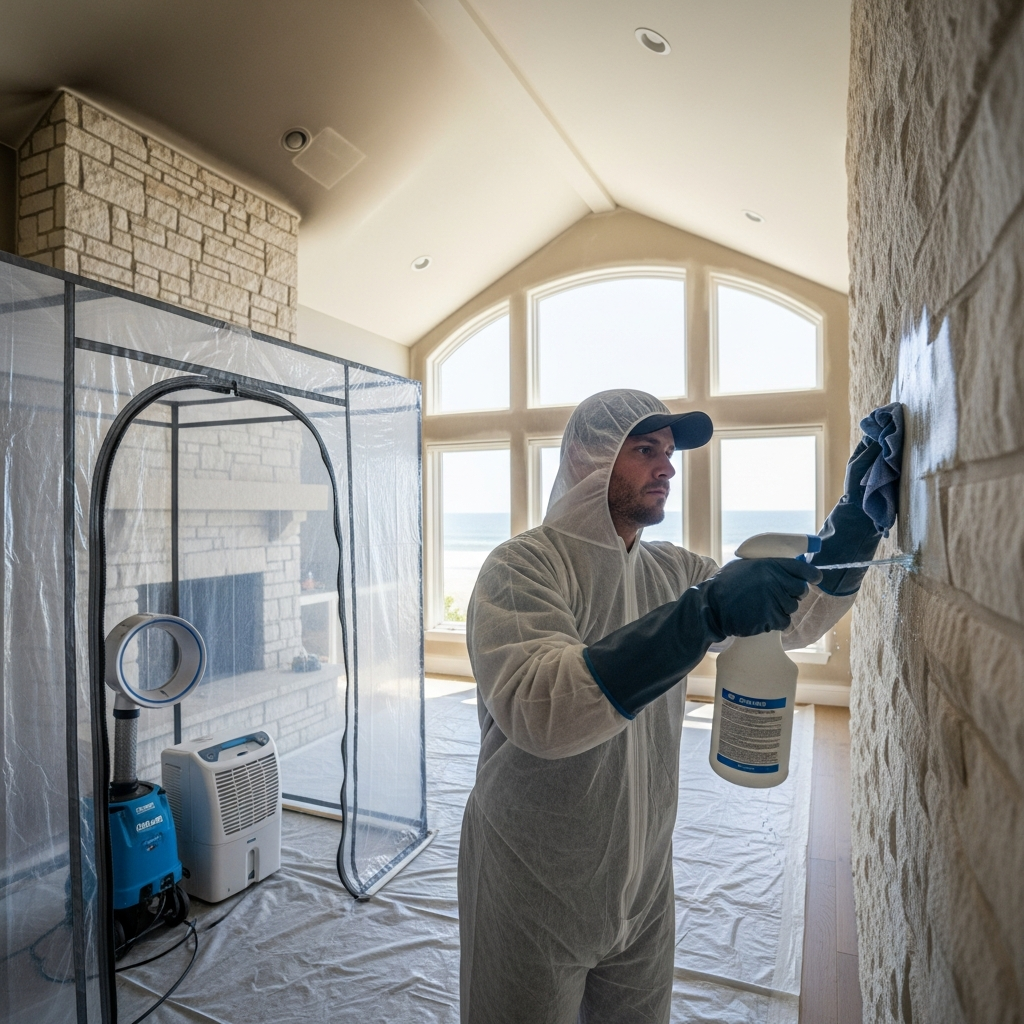
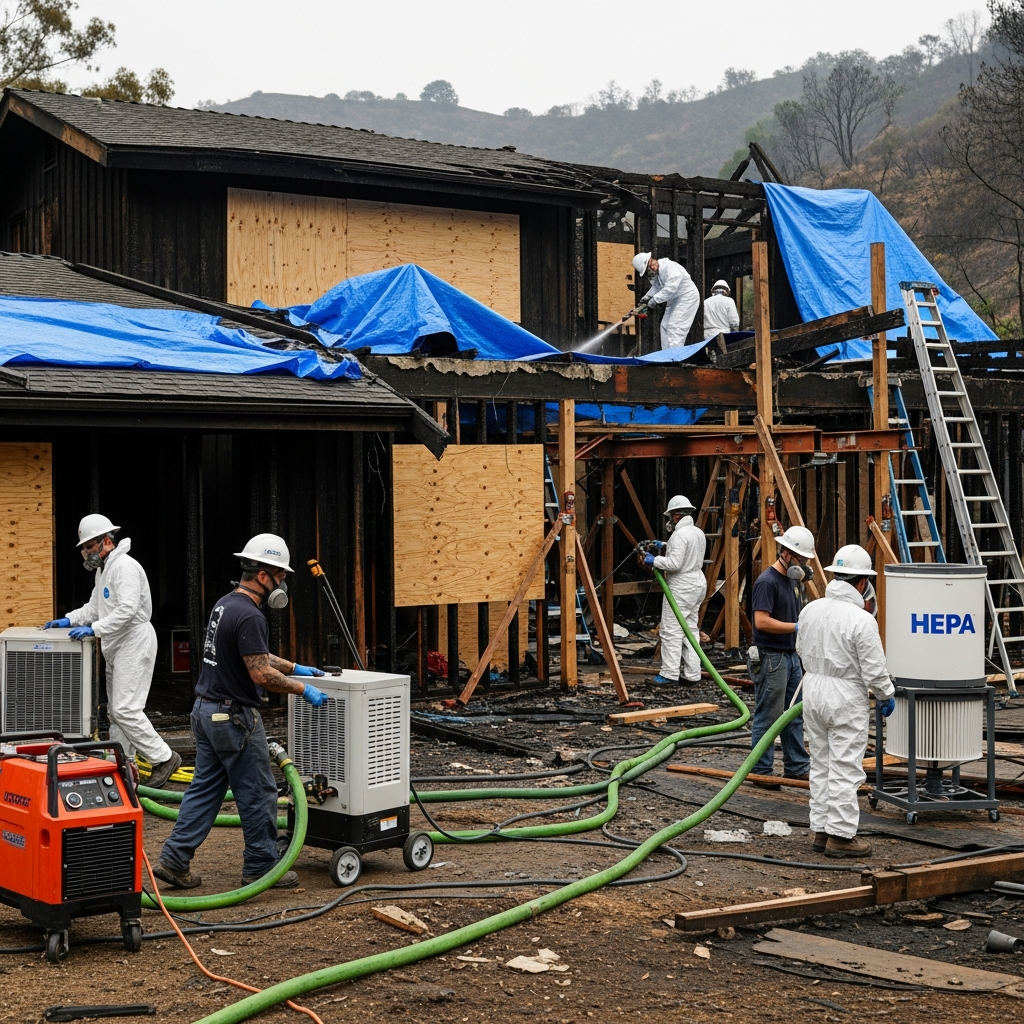
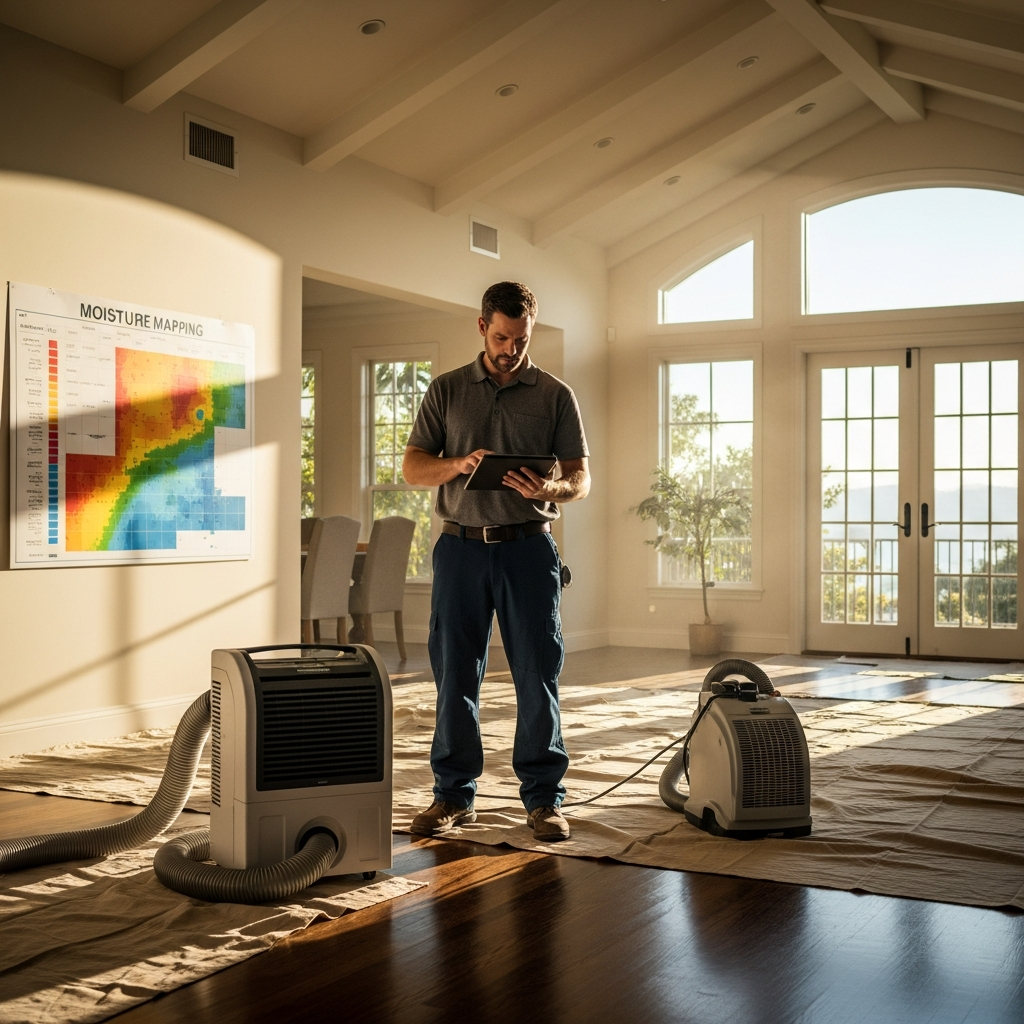
Stabilization sets the tone for the entire effort. We secure openings, establish containment, and set up air filtration to capture fine particulates. If water entered the structure during firefighting, we map moisture and begin targeted drying. In Malibu properties, we also anticipate the marine layer’s overnight effects, adjusting airflow and dehumidification to stay ahead of humidity swings. These first moves are practical and quiet, but they are the difference between a contained incident and a cascading problem.
Assessment: Reading the House with Care
Accurate assessment prevents overreach and underreach alike. We test residues to determine their type—dry, wet, or protein—then select cleaning strategies that respect finishes. We trace smoke migration not just along obvious paths but through less visible ones: behind crown molding, into attic voids, beneath toe-kicks, and along return air runs. Moisture checks reveal what drying will entail and help us protect materials that are most vulnerable to prolonged dampness. A good assessment reads like a map that the whole team can follow.
Cleaning and Deodorization: Precision before Power
Cleaning begins gently. Dry removal—HEPA vacuuming and dry sponging—lifts surface soot without smearing. Where residues are oily or protein-based, we use matched detergents and careful agitation, refreshing towels and pads frequently to avoid re-depositing soil. On natural wood, we lean into pH-neutral approaches and low-moisture techniques; on stone and tile, we avoid etching agents and test in inconspicuous areas first. Protein smoke, nearly invisible but powerfully odorous, is tracked through kitchens and nearby spaces, including HVAC returns. True deodorization follows once surfaces are clean, using methods that reach the same spaces smoke traveled: thermal fogging, vapor-phase treatments, and, when needed, sealing of structural wood that holds persistent odor.
Contents: Safeguarding What You Live With Every Day
We evaluate furnishings, textiles, and personal items with a simple triage: clean in place, pack out for specialized care, or, when necessary, document unsalvageable pieces. Malibu homes often include a blend of casual coastal pieces and cherished keepsakes. Textiles that seem lightly affected can carry odor for weeks; a controlled laundering process and odor-neutral treatment make a big difference. Wood furniture benefits from gentle cleaning and conditioning that restore luster without driving residues into the grain. Pack-outs are documented meticulously, with photographs and barcoded inventories, so that the return home is orderly and reassuring.
HVAC and Airflow: Gatekeepers of Comfort
Ventilation is both a pathway and a solution. Early on, we isolate affected systems, replace filters, and, when indicated, coordinate duct and coil cleaning. In properties with zoned systems or extensive return paths, understanding which zones were active during the incident helps us prevent recontamination after rooms are cleaned. We verify air quality as we progress so that improvements are real and lasting.
Local Logistics: Encino Access, Malibu Terrain
Being based in Encino gives us a practical advantage in mobilizing to Malibu quickly, even when canyon roads are busy or access is tight. We plan equipment staging around driveways, parking constraints, and neighborhood guidelines. That forethought reduces downtime and keeps the focus on steady progress rather than logistics. It also means that when a window of good weather opens—dry, light winds, and clear access—we are ready to make the most of it.
Documentation that Keeps Everyone Aligned
Strong documentation translates a stressful event into a structured process. We record findings with photos, moisture maps, and clear narratives that explain the reasoning behind each step. For homeowners, that means confidence; for adjusters, it means clarity; for the project team, it is a roadmap that keeps efforts synchronized. When the file is strong, decisions are easier and forward motion is consistent.
If you want a single point of reference while planning, keep keyword handy. It offers a concise look at how a thorough plan comes together, helping you stay oriented as details multiply.
Reconstruction with an Eye to the Future
When structural repairs are needed, we rebuild in a way that feels seamless and, where appropriate, adds resilience. Upgraded kitchen ventilation can reduce cooking-related residues. Thoughtful air sealing slows smoke migration if another incident ever occurs. Material selections in high-use areas can be both beautiful and more forgiving to clean. These are not dramatic changes; they are sensible refinements that honor the original design while improving daily life.
Communication: The Thread that Holds Everything Together
Good restoration is a conversation. We set expectations clearly, share milestones, and adapt openly when the home teaches us something new behind a wall or under a floor. That transparency reduces stress and prevents misunderstandings. It also makes the experience more human at a time when normal life has been interrupted. A well-communicated plan feels like a lifeline back to routine.
Timelines and Pace
No two projects proceed identically, but the rhythm is familiar: stabilize quickly, assess thoroughly, clean methodically, deodorize effectively, and rebuild precisely. Weather and access shape the tempo in Malibu, as does the structure itself. Our pledge is to move as quickly as science and craftsmanship allow, never rushing a step that would compromise the result.
FAQ
Q: What most influences the scope of a project?
A: The type and reach of residues, moisture presence from firefighting, material sensitivities, and the pathways smoke took through the home. Thorough assessment brings those factors into focus.
Q: How soon should stabilization begin?
A: As soon as the structure is safe to enter. Early containment, filtration, and moisture control prevent secondary issues and set the stage for efficient progress.
Q: Can open, glass-heavy interiors be fully deodorized?
A: Yes, with proper source removal and deodorization that mirrors smoke’s travel. Clean surfaces and targeted treatments together yield lasting, neutral air.
Q: What about electronics and appliances?
A: We identify and protect them early, considering the interaction of soot and coastal air with metals. Qualified specialists evaluate sensitive items, and decisions are guided by safety and performance.
Q: How do you protect unaffected rooms during work?
A: We establish clean zones, maintain negative pressure in affected areas, and route foot traffic and equipment to minimize cross-contamination. Protective coverings and disciplined workflows keep clean rooms clean.
Q: Will my home feel like itself again?
A: That is the standard we work toward. When residues are removed, odors are neutralized, and repairs are seamless, the home regains its familiar comfort and character.
Q: What can homeowners do to help?
A: Share access details, note any sensitive materials or cherished items, and keep communication open. Small insights—like when an HVAC zone was running—can guide big decisions.
When you are prepared to move from questions to action, choose a team that brings calm, clarity, and craftsmanship to every stage of recovery. To connect with a trusted local resource and plan your next step with confidence, visit keyword and let’s begin restoring the comfort and continuity of your home.