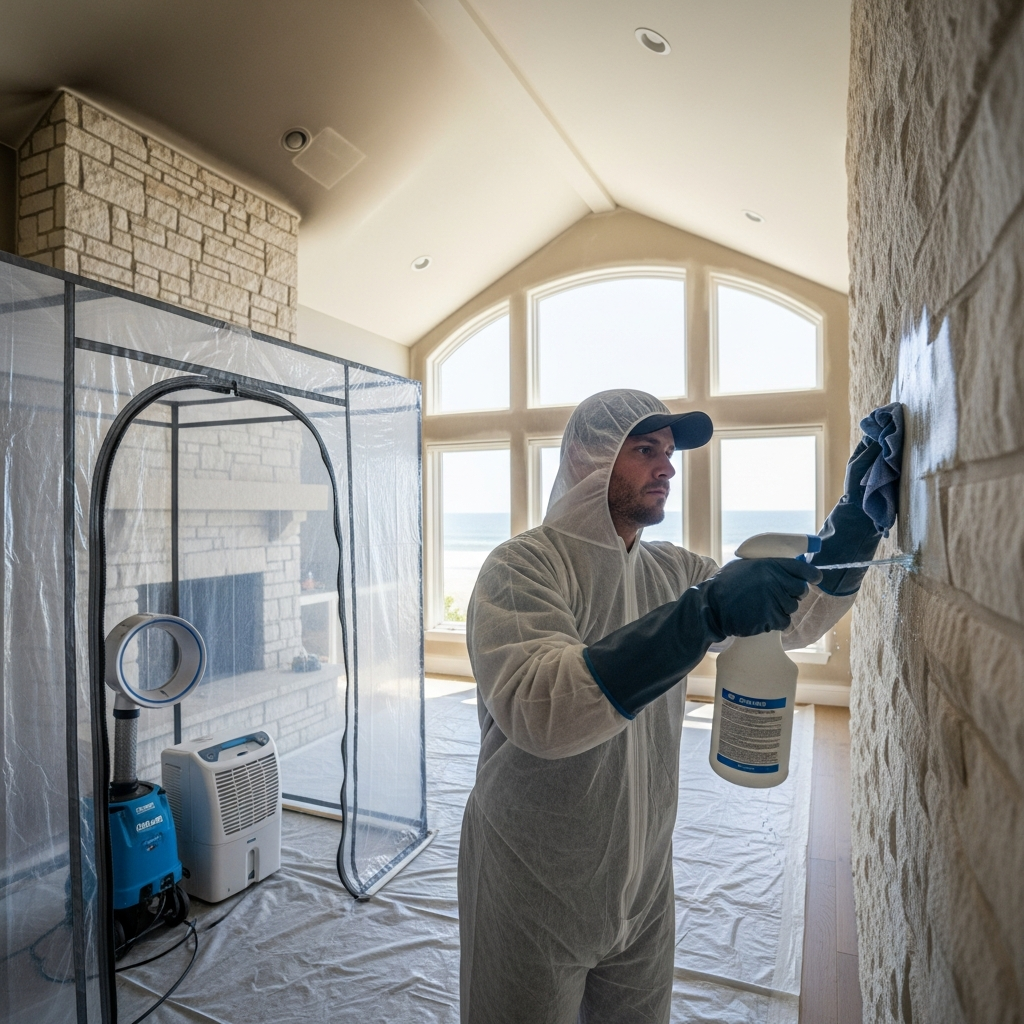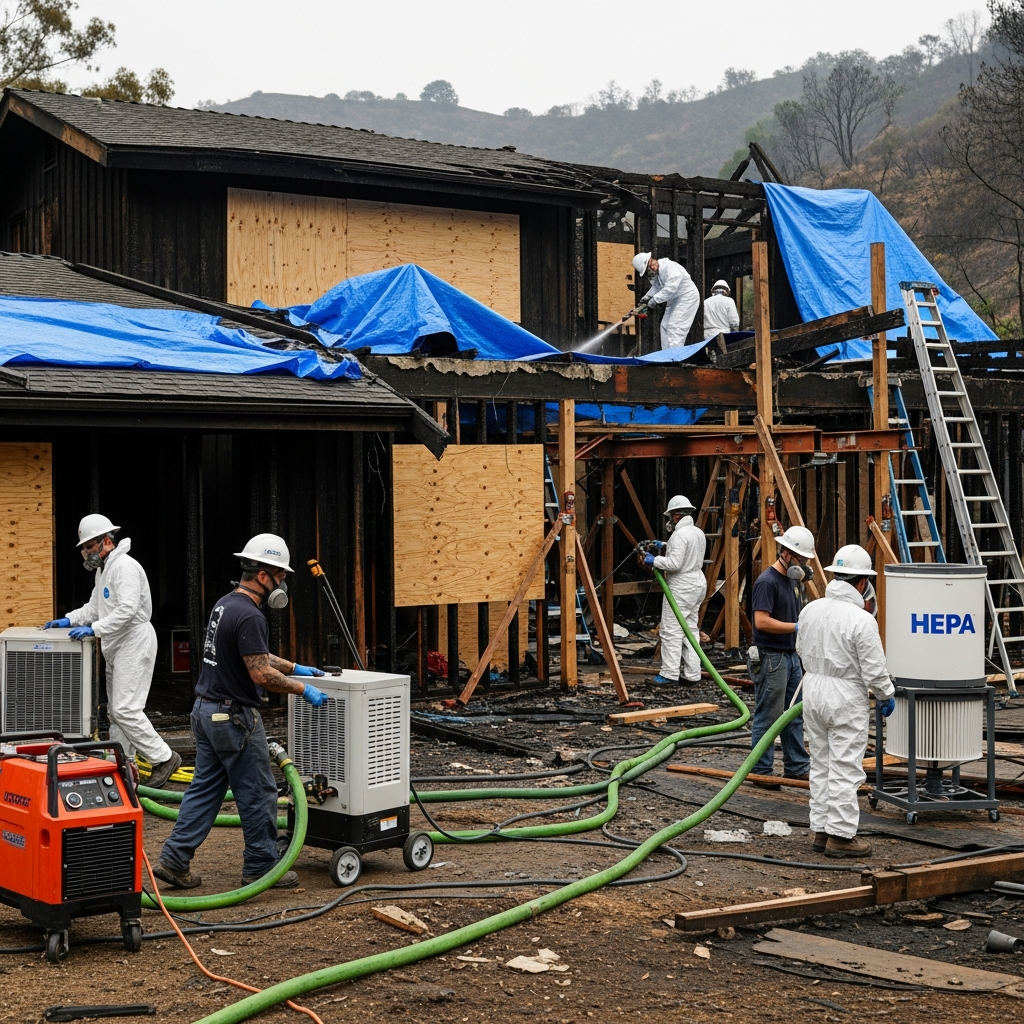
After a fire, Malibu homeowners want straight answers about what lies ahead. You look at your home, smell the smoke in the closets and the faint tang of soot around light switches, and you wonder what it will take to put everything right. While every project is unique, there are consistent factors that shape the investment of time, materials, and professional effort it takes to restore a home here. Understanding those factors helps you make smart choices, communicate clearly, and move through the process with fewer surprises.
The first driver is scope, and it is broader than visible damage. One room with heavy soot can impact an entire floor through HVAC pathways, and water from firefighting can travel down walls into distant rooms. A careful assessment that includes moisture mapping, soot sampling, and cavity checks sets the baseline. Malibu’s mix of coastal and canyon homes introduces variables that influence how wide the circle of work becomes. Oceanfront properties may face faster corrosion and persistent odors due to salt and humidity, while canyon homes contend with access and hillside stability considerations that shape logistics and planning.
Materials are the next big lever. Malibu homes often feature custom windows, artisan plaster, specialty stone, and high-end millwork. Restoring those finishes requires matching quality and, in some cases, sourcing rare components. Even when you decide to refresh with different materials, transitions must be handled with care so that new meets old seamlessly. The presence of specialty systems—home automation, whole-house audio, wine storage, or advanced water filtration—adds layers of coordination and technical handling that shape the overall effort.
Another influence is the balance between cleaning and replacement. Skilled restoration can save surprising amounts of structure and contents, but not everything should be cleaned. Oily residues in certain foams, charred framing that has lost too much section, or laminated glass with compromised interlayers are examples where replacement is the prudent path. The decision matrix weighs material behavior, long-term performance, and how likely a given item is to harbor residual odor. Each choice ripples through the schedule and the logistics of the project.
Access and staging play larger roles in Malibu than they do in flatter, denser cities. Canyon addresses with switchbacks or narrow bridges require smaller vehicles, more deliveries, and choreography that keeps crews moving without blocking neighbors. Oceanfront homes may limit staging on tight lots and demand careful handling to protect the beach. Those realities shape how work sequences, how equipment arrives, and how debris is managed. Good planning turns those constraints into a steady rhythm rather than a drag on progress.
Permitting and coordination with local authorities adds needed oversight and clarity. Structural repairs often require engineering review, and certain exterior changes trigger design considerations to maintain community character and safety. Early engagement with permitting avoids pauses later. Inspectors in Malibu understand post-fire realities and look for clear documentation—depth-of-char measurements, moisture readings, and air quality verifications—to support decisions about what is saved and what is rebuilt.
Contents restoration is often its own project within the project. Malibu homes hold artwork, instruments, custom furniture, and collections that mean as much as the rooms that house them. Determining what goes off-site to a clean facility and what stabilizes on-site hinges on exposure levels and material sensitivity. Electronics need immediate attention to arrest corrosion, textiles benefit from prompt deodorization, and items with sentimental value deserve careful handling and honest conversations about restoration potential.
Timeline expectations also shape the overall picture. There is the emergency phase—stabilization, drying, initial deodorization—and then the deeper cleaning and rebuilding phases. Long-lead items like custom windows or specialty hardware can influence the pacing of finish work. Coordinating trades so that painters, glaziers, cabinetmakers, and flooring installers follow one another smoothly prevents rework and maintains momentum. Wherever possible, overlapping steps without compromising quality shortens the time your home spends in transition.
Environmental conditions along the coast and in the canyons influence decisions day by day. The marine layer slows drying and can make odors more stubborn if not managed with dehumidification and air filtration. In the canyons, daily thermal swings and shaded exposures change how assemblies release moisture. These variables do not only affect comfort; they shape which tools and sequences a team chooses and how many return visits are required to confirm that the building is clean, dry, and ready for finishes.
Insurance is the framework around most restoration work. Clear communication with your carrier and adjuster keeps decisions aligned and records clean. Photo logs, itemized inventories, and measured reports create a transparent record. Where policy language calls for like-kind-and-quality repairs or allows certain improvements during restoration, a well-documented scope keeps all parties rowing in the same direction. The most efficient projects are those where homeowners, restoration teams, and insurers coordinate in real time rather than passing messages two steps removed.
Homeowners often ask what they can do to make the process smoother. The first answer is swift stabilization. The longer soot and moisture sit, the more secondary damage accrues, and the more complex the recovery becomes. Securing board-ups and tarps, isolating HVAC, and beginning deodorization quickly pay dividends later. The second is decisive sorting of contents. Setting aside a clear group of must-save items, must-replace items, and undecided items creates momentum and prevents bottlenecks. The third is setting communication preferences—daily check-ins, shared photo folders, and a single point of contact—so that questions find answers fast.
Resilience upgrades belong in this conversation even when the focus is returning to normal. If walls will be open and decks rebuilt, small choices make future seasons easier. Ember-resistant vents, ignition-resistant decking, improved attic sealing, and better under-deck detailing reduce the risk of ember intrusion. Thoughtful landscaping that pulls ground fuels away from structures complements building improvements. These measures align with restoration work and can often be incorporated without creating extra disruption.
Midway through planning, many owners revisit their priorities for finishes. A kitchen that once felt dim can receive improved lighting along with cabinet restoration. A tired bathroom can receive a fresh palette when tile and fixtures are already being touched. Coordinating these refinements early ensures that trades order materials with the full picture in mind. It also avoids the all-too-common scenario of last-minute changes that ripple across schedules and create unnecessary delays.
Clarity about expectations matters in the final stretch. Walkthroughs with a fresh nose and careful eyes confirm that odors are gone, surfaces are even, and assemblies feel solid. Air quality checks and moisture verifications give measurable confirmation of what your senses tell you. Punch lists that include exterior drainage, weatherstripping integrity, and window operation ensure the home is not only beautiful again but also tight and quiet when the wind comes up.
Above all, think of restoration as a partnership. You bring intimate knowledge of how your home lives; the restoration team brings tools, technique, and local experience shaped by Malibu’s terrain and climate. Together, you set the tone and the pace, balancing urgency with thoroughness. The work is consequential, but it is also manageable when broken into steps and guided by a clear plan.
If you are just beginning this journey, start with a calm, comprehensive assessment. Walk the rooms with a trusted professional, gather the facts, and define the sequence. When you see the roadmap, the task becomes less daunting. And when milestones arrive—air that smells like ocean and wood rather than smoke, rooms that feel dry and quiet, windows that reveal the view you love—you will know the effort has done more than repair; it has restored the feeling of home.
When you are ready to move forward, look for a partner who understands Malibu’s mix of oceanfront and canyon realities, who treats contents with respect, and who coordinates efficiently with insurers and inspectors. Early in the process, confirm that your team can carry the project from emergency response through final finishes so there is no loss of momentum between phases. Full-service fire damage restoration keeps attention focused and communication clear from start to finish.
Frequently Asked Questions
What factors most influence the overall scope of a restoration?
Extent of smoke travel, water used in firefighting, material sensitivity, and access conditions are primary drivers. HVAC involvement, specialty finishes, and electronics exposure add layers that refine the scope.
How do coastal conditions affect restoration planning?
Salt and humidity accelerate corrosion and can intensify odors. Plans include early neutralization, dehumidification, and protective treatments for metals to counter those effects and protect finishes.
What can be saved versus replaced?
It depends on material, exposure, and long-term performance. Many structures and contents restore well, but items that harbor odor or have compromised integrity are better replaced. Decisions balance practicality and sentimental value.
How do you prevent odors from returning?
By sequencing correctly: remove sources, clean thoroughly, treat air, and seal as needed. Verification with air quality checks and moisture readings confirms that the home is truly reset.
Will the process disrupt daily life?
There is disruption, but thoughtful staging, containment, and communication reduce its impact. Establishing a clean living zone or restoring a bedroom early supports normal routines while work proceeds.
How are electronics handled?
Power remains off until evaluated. Corrosion control, desiccation, and cleaning protect circuit boards and connectors. Many items return to service when treated promptly and properly.
What is the typical sequence from start to finish?
Emergency stabilization, drying, and deodorization come first, followed by detailed cleaning and selective demolition. Reconstruction then restores structure and finishes, with final verification and punch-list closeout.
How do I keep momentum and avoid delays?
Early decisions about finishes, coordinated scheduling of trades, and proactive ordering of long-lead items maintain flow. A single point of contact streamlines communication across the team.
Take the Next Step Toward Renewal
If a recent fire has left your Malibu home in limbo, there is a clear, organized way forward. Choose a local partner who knows our coast, our canyons, and the craft of putting homes back together. Begin with a thorough assessment and a plan that carries through to the last touch of finish. Start now with professional fire damage restoration and move confidently from uncertainty to a home that feels whole again.