Life in Malibu’s canyons has a rhythm all its own. Mornings are cool and shaded, afternoons warm and still, and on some autumn days the wind funnels down the ravines with a focus that locals recognize immediately. In these settings, homes perch on slopes, bridge seasonal creeks, and tuck into chaparral. When fire finds its way into the canyons, it moves with the land, flashing through dry grasses, igniting decks, and challenging access. Repairing a canyon home after fire is about more than replacing charred lumber; it is about reading the hillside, respecting the microclimate, and rebuilding in a way that is both resilient and true to the character of the place.
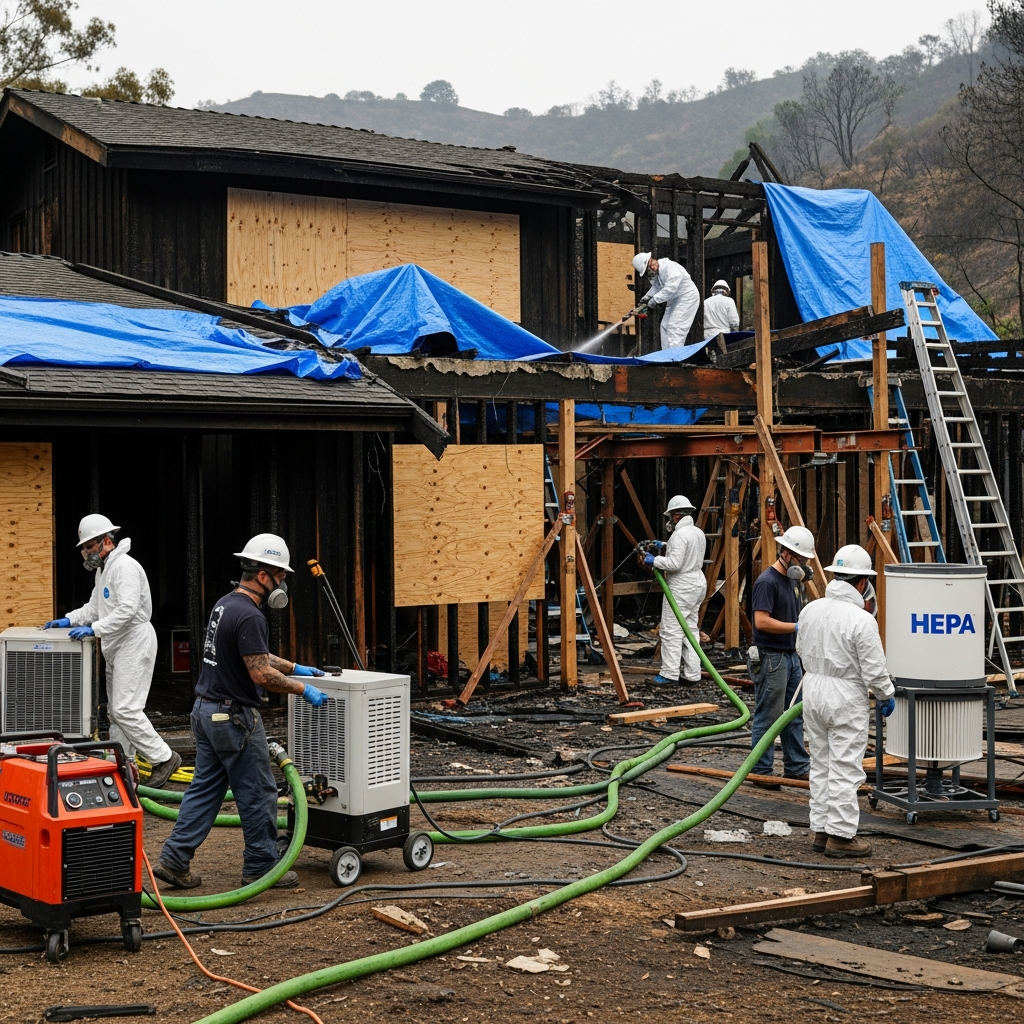
The first days after a fire set the tone for everything that follows. Access can be limited by narrow roads and debris, and the grade around a home may be unstable where vegetation has burned away. Stabilization begins with safety—red-tag or yellow-tag guidance from officials, shoring where needed, and temporary erosion control to keep slopes where they belong. Board-ups and tarps protect openings, but in canyons they also keep windborne dust and ash from infiltrating interiors. Utility checks are essential; hillside propane tanks, private wells, and septic systems may have been stressed by heat or impacted by firefighting efforts, and those systems influence the safety of the work zone.
Once the site is secure, assessment turns to structure and envelope. Canyon homes often use creative foundations, from grade beams to caissons, to marry architecture to terrain. Fire can compromise more than visible framing; heat can check glulam beams, char can reduce the load capacity of joists, and connectors may lose temper. Repairs start with depth-of-char analysis, structural engineering review, and a plan that prioritizes both life safety and efficiency. Sometimes this means sistering members and replacing sections; other times, full replacement is the wise choice. Roof structures get early attention because they drive drying and odor control inside.
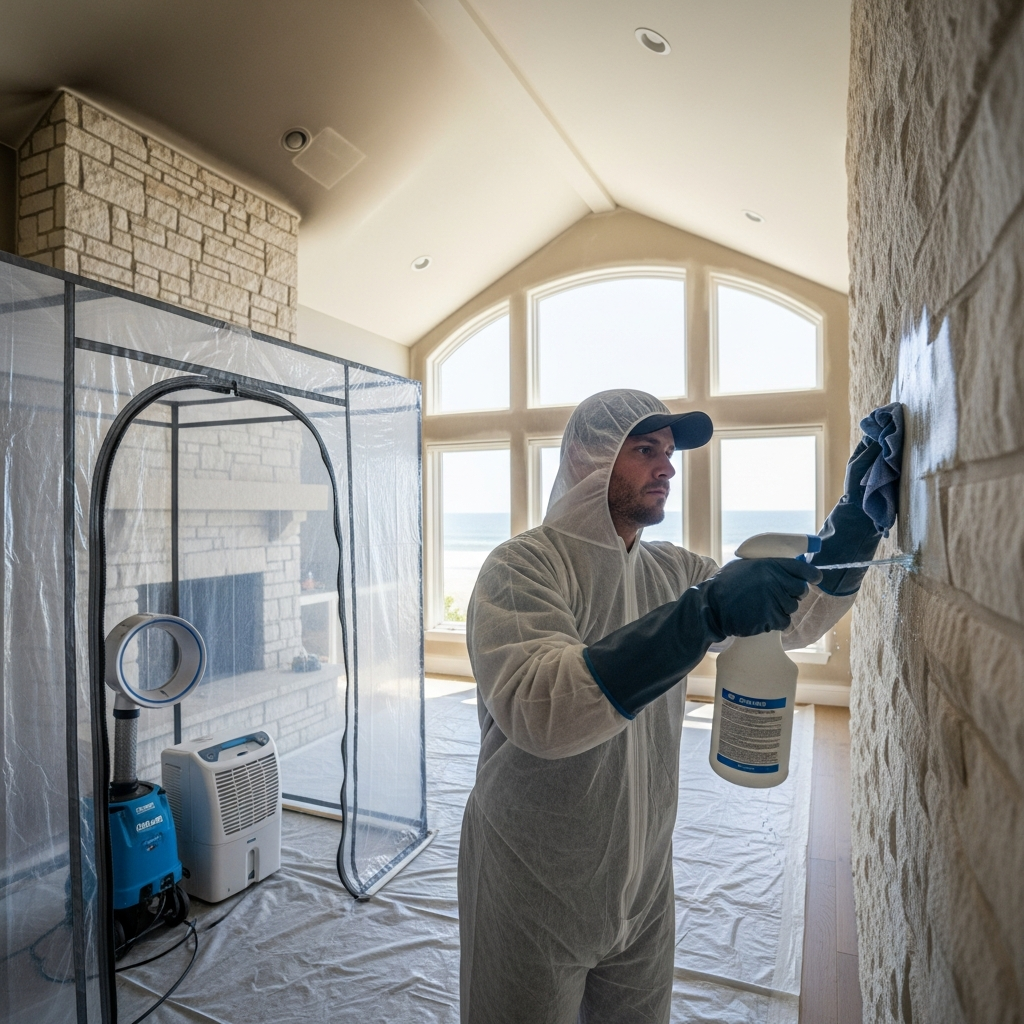
Inside the home, materials reflect canyon life—exposed timbers, plaster, stone, and generous glazing that frames oak and sycamore. Repairs consider how smoke traveled through this palette. Pocket doors that tucked out of the way during summer now hold soot in hidden cavities. Stair stringers and open-riser designs can channel smoke upstairs, leaving residue patterns that only emerge when the afternoon light angles across them. Repair sequencing respects those patterns: cleaning, deodorization, selective demolition, and then rebuilding so that new finishes are not compromised by hidden residues.
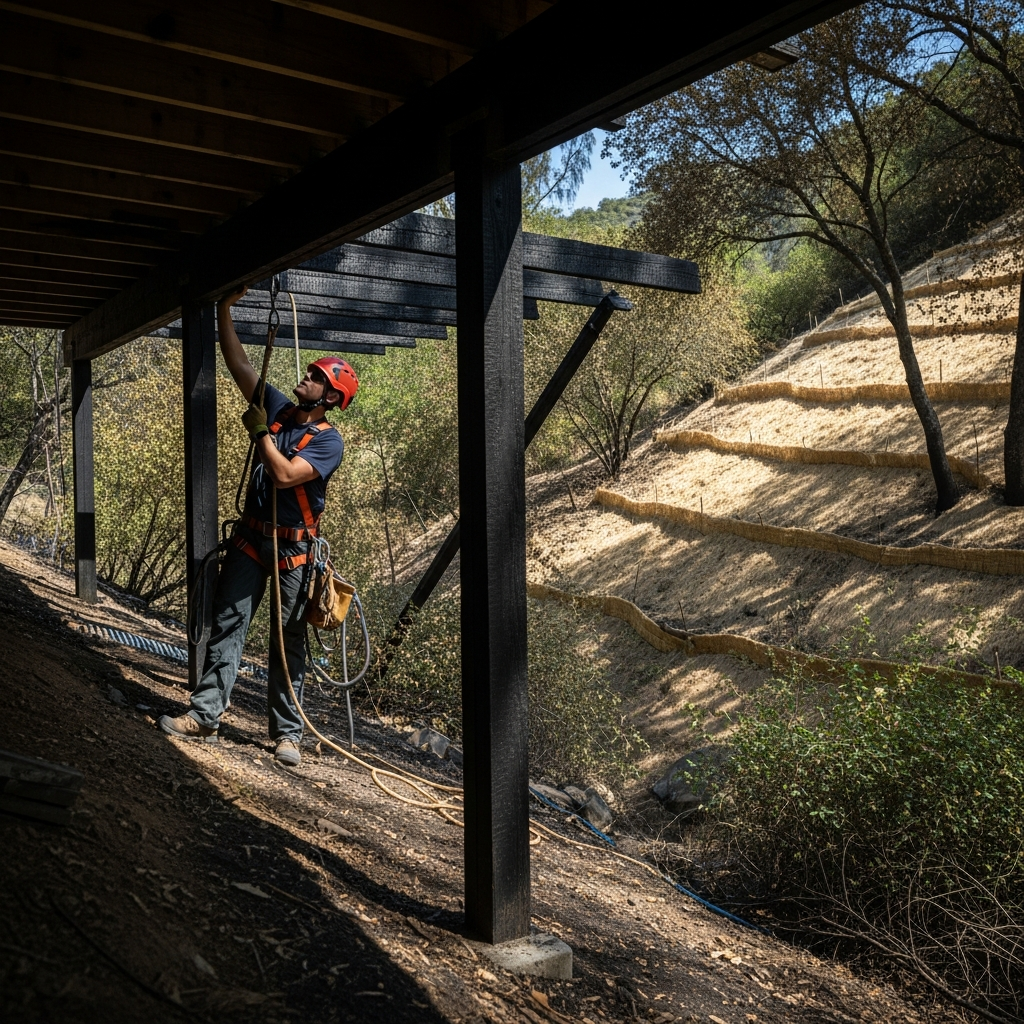
Exterior repairs take cues from topography. Decks and bridges that span gullies or step along slopes need careful evaluation. Fire can weaken hardware and checking in support posts can hide structural concerns. Rebuilding often looks similar to what was there before, but the details change—non-combustible guard infill, ember-resistant vents, and thoughtful under-deck defensible space. Where decks meet the ground, new skirting and screening reduce ember traps. Siding choices may shift toward assemblies that hold less heat and shed embers.
Water and weather play a different game in the canyons than along the coast. Afternoon upslope breezes and cool nights create daily thermal swings that slow drying if not managed. Repairs integrate dehumidification and targeted heat to bring assemblies back to a stable baseline before finishes return. Closed-in valley pockets may need extended drying compared to ridge-top sites with better airflow. This is not a place for one-size-fits-all timelines; microclimate calls the cadence.
Mid-project is the point where homeowners often lift their gaze from immediate fixes to future resilience. If your canyon home will be opened up for structural repairs, it is a natural time to incorporate upgrades that make a difference—ember-resistant attic vents, ignition-resistant decking, and refined landscaping that keeps ground fuels off the structure. These measures dovetail with the core work and bring a measure of calm to the next red-flag day. To make the most of that momentum, coordinate the transition from mitigation to reconstruction with providers experienced in full-scope fire damage restoration, so nothing is lost between cleanup and final finishes.
Erosion control belongs in any canyon repair conversation. Vegetation that once held slopes can be gone in an afternoon, and the first seasonal rains will test how the site drains. Repairs should weave in wattles, straw blankets, and temporary diversions that protect the home and downstream neighbors. Culverts and swales need clearing, and temporary access routes should be armored to prevent rutting that funnels water toward the foundation. Good erosion control is quiet insurance; you do not notice it when it works, and you never forget it when it is missing.
On the contents side, canyon homes often hold gear that blends indoors and out—mountain bikes, hiking equipment, and garden tools. Smoke and ash do not care whether an item lives in a mudroom or a shed. Part of a smart repair plan is establishing what can be cleaned and stored on site, what goes off-site for treatment, and how to stage living spaces so that families can retain some normalcy. Restoring a single bedroom or creating a clean office early in the process can make a long project feel humane.
Neighbors and access are as much a part of canyon repair as nails and lumber. Narrow lanes and switchbacks mean trucks must be scheduled and staged with choreography. Quiet hours matter when sound carries down a ravine. Communication keeps peace and momentum alike, and the best repair teams handle logistics as well as they handle framing.
When reconstruction begins in earnest, craftsmanship returns a home’s personality. Timbers are planed and oiled, plaster finds its texture, and new windows catch the canyon light just so. Behind the scenes, better detailing lowers risk. Ember entry points shrink, attic ventilation balances, and spaces that once collected leaves get reimagined. A home that has lived through fire emerges stronger and, in subtle ways, easier to live with during our windy seasons.
In the final stretch, punch lists are about more than paint touch-ups. They confirm that odor has not crept back, that exterior drains run free, and that decks feel solid underfoot with no give at connections. It is a meticulous close that pays back every day you spend in the home once work is complete. When the Santa Anas blow again and you hear them in the trees rather than in your walls, you will feel the difference that thoughtful repair makes.
Frequently Asked Questions
How soon can fire damage repairs start in Malibu’s canyons?
Repairs begin after officials clear the site and emergency stabilization is complete. Early engineering review and permitting can proceed alongside cleanup to compress timelines without sacrificing safety.
Do steep driveways and narrow roads slow projects?
They require planning, but not paralysis. Staged deliveries, smaller equipment, and coordinated schedules keep work flowing even on tight access roads. Local crews are accustomed to canyon logistics.
Will smoke odors return after repairs?
Not if cleaning, deodorization, sealing, and reconstruction happen in the right order. Proper sequencing prevents hidden residues from off-gassing into newly finished rooms.
What upgrades make the biggest difference for canyon resilience?
Ember-resistant vents, ignition-resistant decking, well-detailed under-deck spaces, and thoughtful vegetation management all reduce risk. Many of these pair naturally with needed repairs.
How are slopes protected during and after construction?
Erosion control measures—wattles, blankets, and temporary drain diversions—stabilize disturbed soils. Post-project, replanting and routine maintenance keep slopes secure through the rainy season.
Can we live in part of the house during repairs?
Often, yes. With containment, air filtration, and clear separation between work and living areas, families can occupy zones safely. Prioritizing a clean bedroom or office early supports day-to-day life.
What about wells, tanks, and septic systems?
They should be inspected after a fire. Heat and emergency access can stress these systems. Early evaluation prevents surprises and ensures water quality and waste systems are safe.
How do we coordinate permits and inspections?
A good repair plan integrates permitting early, with clear engineering reports and scopes of work. Regular communication with inspectors keeps the schedule on track from framing to final.
Rebuild with Confidence in the Canyons
If fire has touched your canyon home, choose a path that blends structural rigor with local sensitivity. Work with a team that understands slopes, winds, and the craft of returning a house to comfort and strength. Begin the journey back with comprehensive fire damage restoration and feel the difference when the next wind whispers through trees instead of walls.