Living in Malibu means learning to read the landscape as closely as the ocean tides. We watch the hillsides shift colors with the seasons, and we feel the dry winds when they arrive with intensity. Fire has always been part of that rhythm, and in recent years it has felt closer to home than ever. In the aftermath of a house fire, whether sparked by a wind-driven ember, an electrical fault, or a kitchen mishap, the path forward can feel overwhelming. That’s where professional fire damage restoration in Malibu shows its true value. Beyond the obvious task of cleanup, it protects your health, safeguards your structure, preserves your belongings, and helps you reclaim a sense of normalcy much faster than you might expect.
When you step back into a smoke-stained room for the first time, the damage rarely tells the full story at a glance. Soot is a complex byproduct, and depending on what burned—wood, plastics, textiles, or protein residues—it behaves in distinct ways. In Malibu, we have the added influence of coastal air laden with salts, which can accelerate corrosion on metals and electronics after a fire. A qualified restoration team understands this local chemistry. They choose cleaning methods that neutralize corrosive soot and halt ongoing deterioration, minimizing secondary damage that can quietly escalate if left untreated for even a few days.
Why time is your most important ally
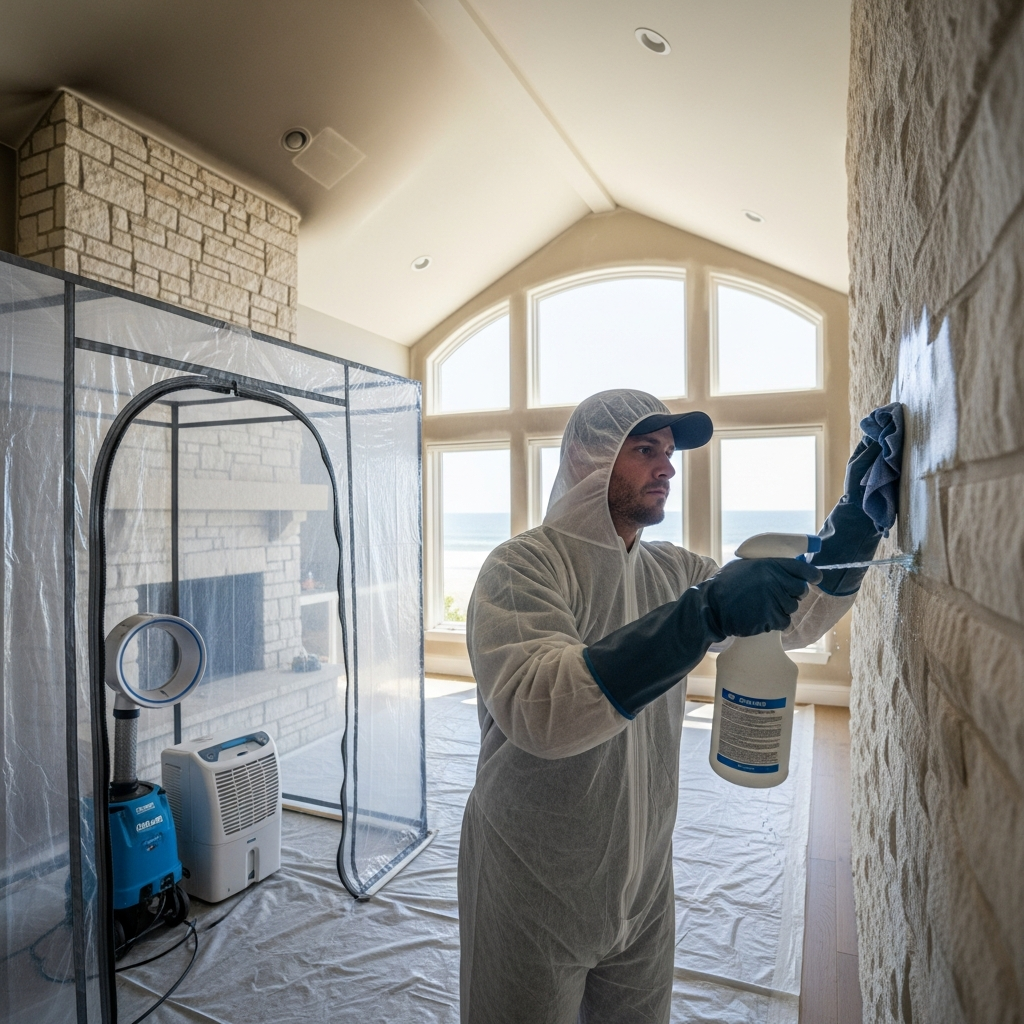
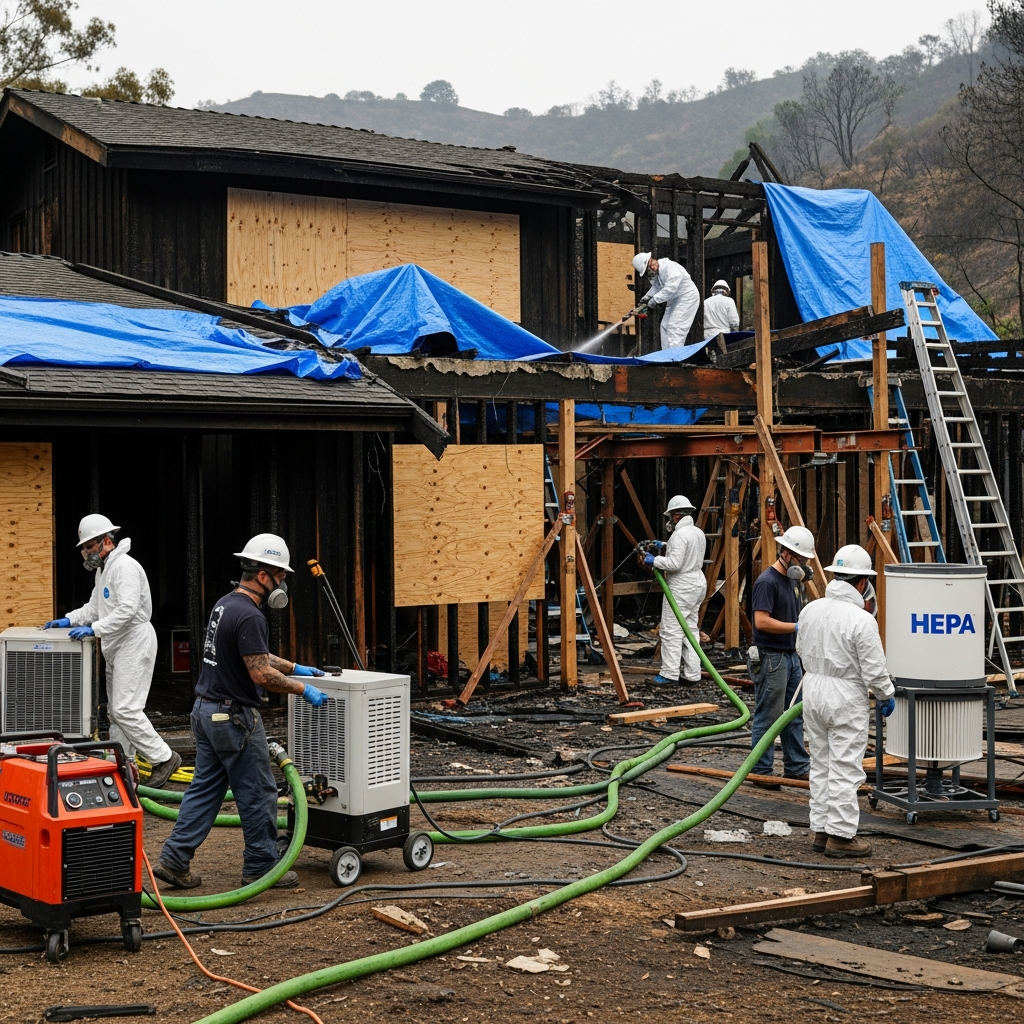
Speed matters after a fire, and not only because of visible soot. The water and foam used to extinguish flames can penetrate flooring, wall cavities, and insulation, setting the stage for microbial growth. Onshore marine layers and cool overnight temperatures can trap humidity indoors, allowing hidden moisture to linger. At the same time, smoke residues settle deeper with each passing hour, bonding to porous surfaces and becoming tougher to remove. A professional crew knows how to stabilize the scene immediately—extracting water, setting containment barriers, running negative air, and deploying dehumidifiers—so the home’s environment is made safe before the real cleaning even begins.
There is a health component to that swift stabilization as well. Fire byproducts are not just dirty; they are chemically active and potentially hazardous. Fine particulates can irritate the respiratory system, and certain soot types can be caustic to skin and eyes. If plastics or treated materials burned, there may be complex compounds present that you do not want to disturb without trained handling. Restoration professionals arrive with personal protective equipment, air filtration units, and procedures that reduce airborne contaminants while they work. This focus on indoor air quality is one of the benefits that homeowners seldom anticipate but immediately appreciate once they breathe easier.
Protecting the structure you cannot see
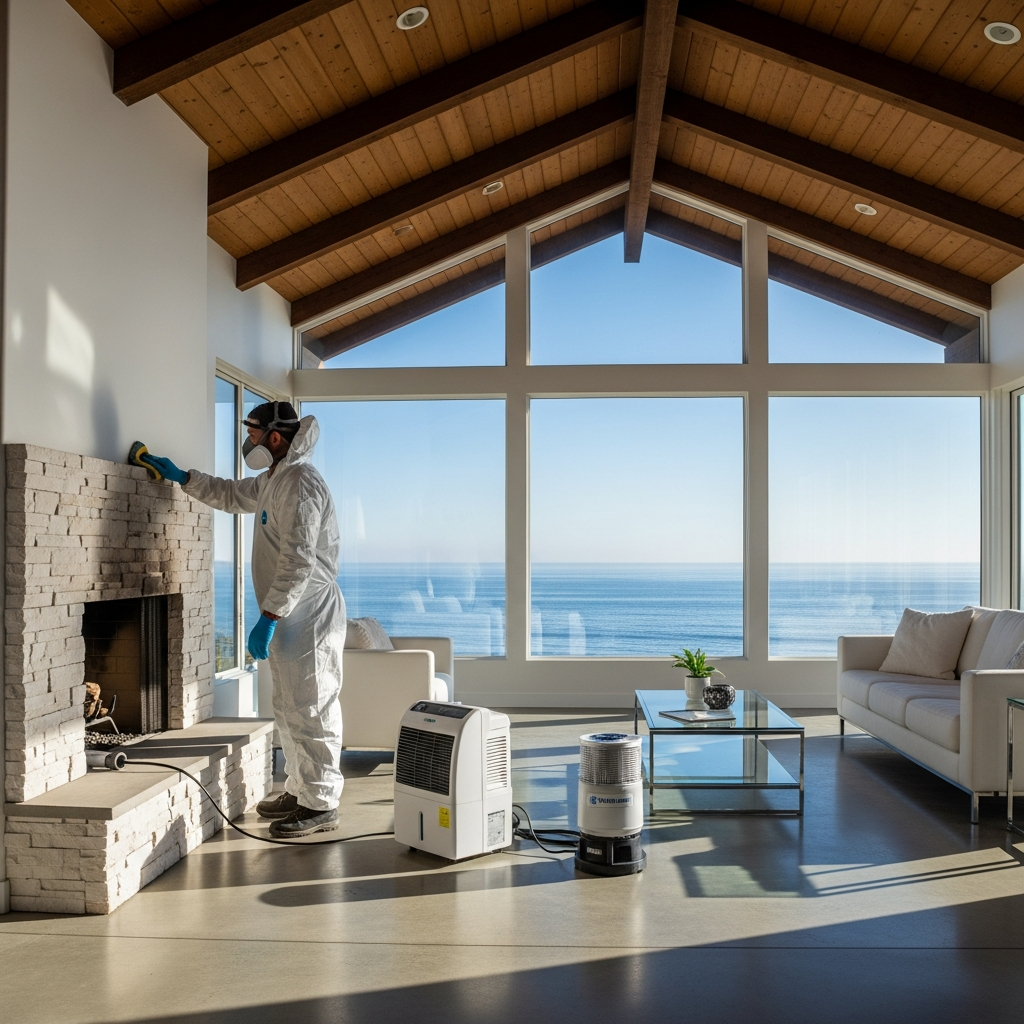
One of the realities of Malibu homes is that many have unique architectural features—vaulted ceilings, open trusses, and extensive use of natural materials. These spaces are visually stunning and often invite airflow paths that can also carry smoke into surprising recesses. It is not enough to wipe what you can reach. Attics, chases, HVAC ducts, and the cavities behind built-ins can hold pockets of residue that become long-term odor sources. Proper restoration includes thermal or hydroxyl deodorization, meticulous HEPA vacuuming, and targeted sealing where materials have absorbed smoke beyond extraction. When these steps are done thoroughly, you prevent that all-too-familiar return of odor during the first warm spell after work is finished.
Another structural benefit involves evaluation and reinforcement. Fire can undermine roof members, char studs, delaminate plywood, and compromise fasteners that looked fine until tested. Restoration teams partner with structural specialists to assess load-bearing components and recommend repairs or replacements that meet current code. In wildfire-prone zones and hillside properties, that might also involve advice on higher-rated roofing materials, ember-resistant vents, and noncombustible siding options during rebuilding. The advantage is twofold: you return to a safe home now and a more resilient one for the seasons ahead.
Safeguarding your belongings and memories
Beyond walls and roofs, restoration is about the things you treasure. Contents cleaning is a craft in itself. Malibu households often include surf gear, wine collections, custom furniture, original artwork, and heirloom textiles—each with its own cleaning and stabilization needs. Timely pack-out prevents cross-contamination and gives items the best chance for a full recovery. Ultrasonic cleaning baths can rescue intricate items, while ozone-free odor treatments protect sensitive materials. Documentation, barcoding, and climate-controlled storage keep your belongings tracked and safe, so they return to you refreshed rather than further stressed by delays.
Electronics deserve special attention in our coastal climate. Even light smoke residue mixed with marine salts can invite corrosion that slowly degrades circuit boards. Professionals arrange for controlled drying and specialized assessment so that devices are evaluated accurately, not discarded prematurely or, worse, re-energized while damp. Saving a home theater receiver or a workstation is more than convenience—it preserves continuity in your daily routine and avoids surprises months later.
Insurance navigation and peace of mind
Another underappreciated benefit of professional restoration is the way it streamlines insurance claims. Detailed moisture maps, photo logs, inventory sheets, and line-item estimates give adjusters the clarity they need to authorize work without unnecessary back-and-forth. In Malibu, where construction standards are high and custom finishes are common, that detail prevents misunderstandings about scope and helps ensure that quality is maintained throughout repairs. With a seasoned team, you are not left translating technical findings into claim language; the documentation does it for you.
Restoration is also about dignity in recovery. Fires are disorienting, and it is hard to make decisions when your space smells like smoke and memories feel fragile. A crew that communicates well, sets expectations, and respects your home’s character is invaluable. They will help you determine what can be cleaned onsite versus what needs a controlled environment, and they will explain why certain materials require removal to reach a lasting result. That trust allows you to step back, breathe, and see a path toward normal again.
Local knowledge makes a measurable difference
Working in Malibu comes with specific, local insights. We plan around the Santa Ana winds and understand how embers ride eddies along canyons and coastal ridges. We know that the same marine layer that cools mornings can complicate drying cycles, and that salt air accelerates metal oxidation after smoke exposure. We have learned where smoke tends to track in split-level homes, which plaster finishes respond best to certain cleaning agents, and how to stage equipment without disrupting sensitive landscaping on narrow hillside driveways. This knowledge saves time and reduces the risk of rework, which is another tangible benefit of engaging certified local professionals.
Real mitigation begins outside, too. As part of a holistic restoration, many homeowners take the opportunity to improve defensible space and harden vulnerable exteriors. While not every improvement is part of fire damage cleanup, the planning often starts during restoration. From ember-resistant vents to gutter guards that resist debris accumulation, these measures dovetail with interior deodorization and reconstruction to create a more complete recovery story. In this middle stretch of a project, as demolition gives way to cleaning and prep for rebuild, many homeowners revisit the idea of professional fire damage restoration in Malibu as not just a response to disaster, but an investment in their home’s future.
Odor removal that lasts through the seasons
Long after surfaces look clean, odor can linger like a shadow. True deodorization is not about masking; it is about identifying and removing the source, then neutralizing what remains at the molecular level. In practical terms, that means addressing charred materials hidden in voids, cleaning or replacing insulation, treating structural wood, and balancing the home’s airflow so stagnant pockets do not reintroduce smells. Techniques like thermal fogging and hydroxyl generation are matched to the space, contents, and materials present. When properly sequenced with cleaning and ventilation, the result is a home that smells like your home again, not like a scented overlay doing battle with smoke.
Another benefit of thorough odor control is psychological. Scent is tied to memory, and the faintest whiff can pull you back to a difficult moment. When deodorization is complete, it marks a turning point: you can walk in, set down your keys, and feel grounded instead of guarded. That sense of closure is not easily measured, but it is one of the most meaningful outcomes restoration delivers.
Protecting indoor air and long-term wellness
Air quality is part of Malibu life; many of us sleep with windows open to catch the ocean breeze. After a fire, however, it is essential to reset a home’s air health before returning to that lifestyle. HEPA filtration during cleanup captures fine particulates, and targeted duct cleaning prevents soot from re-circulating when you run your HVAC. Filter upgrades and maintenance plans further protect sensitive family members. These steps are as much a benefit as a baseline requirement, and homeowners often report fewer flare-ups of allergies or respiratory irritation once a home has been professionally remediated compared to a DIY surface cleaning.
In coastal environments, another wellness factor is the battle against corrosion products and residues that off-gas over time. Leaving a thin film on metal fixtures or electrical contacts can create intermittent issues—flickering lights, finicky appliances, or squeaky door hardware. Meticulous post-fire cleaning avoids these chronic annoyances and prevents a slow parade of small repairs months down the line.
Documentation that protects your property value
When restoration is documented properly, it becomes a protective layer for your property’s value. Comprehensive reports show what was damaged, what was removed, what was cleaned, and which materials meet or exceed current standards. If you decide to sell years later, buyers and inspectors can see a clear record of professional work, which builds confidence. In a market like Malibu, where buyers are discerning and homes are showcased for their craftsmanship, that transparency matters.
For historic homes and distinctive architectural styles, documentation also captures details worth preserving. From reclaimed beams to artisan tiles, restoration teams photograph and measure elements so that replacements match the original spirit when in-kind repair is not possible. These thoughtful touches preserve character while ensuring safety.
A smoother path to rebuilding and resilience
Perhaps the greatest benefit of professional restoration is the way it acts as a bridge from crisis to renewal. Once the site is stabilized, cleaned, and deodorized, the rebuild can proceed without surprises lurking in walls or under floors. Contractors work faster when they are not contending with moisture pockets or lingering odors, and you make design decisions with a clear head. Many homeowners use this moment to incorporate resilience features—upgraded roofing, tempered glass, ember-resistant vents, and noncombustible hardscape near the home—that reduce future risk while enhancing daily livability.
In parallel, you rebuild your routines. Kids return to familiar rooms; pets settle; schedules normalize. That return to rhythm is a quiet but profound benefit of having experts handle the heavy lifting. It allows you to focus on family, work, and community rather than on cleaning protocols and drying curves.
Choosing a partner who understands Malibu
When selecting a restoration partner, experience with local conditions and a commitment to communication are paramount. Look for certifications in fire and smoke restoration, ask about deodorization methods, and confirm that moisture mapping and documentation are standard practice. Ask how they manage contents, where items will be stored, and how progress will be reported. The right team will not rush you, and they will be candid about what can be saved and what should be replaced for the sake of safety and longevity.
It also helps to work with professionals who respect the balance between urgency and care. Speed is crucial, but not at the expense of thoroughness. The best outcomes come from a methodical process applied quickly: stabilize, assess, mitigate, clean, deodorize, document, and prepare for rebuild. When each step is executed with precision, your home and your peace of mind recover together.
Frequently asked questions
How soon should restoration begin after a fire?
As soon as the property is released by the fire department and deemed safe to enter, initial stabilization should begin. Early steps include securing the site, extracting water, setting containment and air filtration, and starting detailed assessments. The first 24 to 48 hours are particularly important to prevent secondary damage from moisture and corrosive soot. Prompt action preserves structures and belongings and shortens the overall recovery timeline.
Is it safe to clean smoke damage myself?
Light surface dusting in non-affected rooms may be fine, but deep smoke cleanup is best left to professionals. Different soot types require different solvents and techniques, and the wrong approach can smear residues or set stains. There are also health risks from disturbing fine particulates without proper protection and filtration. Professional teams use HEPA vacuums, targeted cleaning agents, and controlled ventilation to remove contaminants safely and effectively.
Will the smoke odor ever fully go away?
Yes, when the source materials are addressed and the right deodorization methods are applied. Effective odor removal combines thorough cleaning, removal of unsalvageable materials, treatment of structural wood and cavities, and technologies like thermal fogging or hydroxyl generation. When these steps are sequenced correctly, odors do not return with heat or humidity changes because they have been neutralized at the source.
What happens to my belongings during restoration?
Salvageable items are inventoried, packed out, and transported to a controlled cleaning facility where they are processed, deodorized, and stored securely until your home is ready. Fragile pieces, artwork, and sensitive electronics receive specialized care. Items that cannot be safely restored are documented for your records and for insurance purposes. Transparent tracking ensures you know where your belongings are at every stage.
How does Malibu’s coastal environment affect restoration?
Coastal air carries salts that accelerate corrosion on metals and electronics, especially after exposure to smoke residues. Humidity patterns can also complicate drying if not managed with dehumidification and airflow control. Local professionals plan around these factors, choosing cleaning agents that neutralize corrosive byproducts and deploying drying strategies that account for our microclimates and marine layers.
What can I do to make my home more resilient after restoration?
Consider upgrades that reduce ember intrusion and surface ignition, such as ember-resistant vents, Class A roofing, noncombustible cladding near grade, and improved defensible space with well-planned landscaping. Inside, choose finishes that clean easily and avoid materials that trap odors. Regular HVAC maintenance and filtration upgrades also improve air quality and help keep residual particulates at bay.
If you are facing the aftermath of a fire or planning for resilience before the next wind event, now is the time to act. Connect with trusted local experts in fire damage restoration in Malibu who understand our terrain, our climate, and our homes. Reach out today to stabilize your property, protect your health, and begin a thoughtful path back to comfort and confidence.