Talking about the cost of recovering from a fire in Malibu brings up more than numbers. It is a conversation about scope, sequence, risk management, and the choices that shape how your home looks, smells, and functions when the work is complete. Over the years, walking properties from Point Dume to Latigo and through the canyons that climb into the Santa Monicas, I have seen how two homes that look similarly affected from the street can require very different approaches once we step inside. This guide explains the forces that influence the investment you will make in restoration—without quoting figures—so you can anticipate decisions, ask sharper questions, and partner confidently with experienced teams specializing in fire damage restoration in Malibu.
Fire restoration costs do not exist in a vacuum. Malibu’s climate, terrain, and architecture play into everything: how far embers traveled into vents, how smoke drifted through open clerestory windows, whether firefighting water reached under wide-plank floors or into insulated interior partitions. The same coastal humidity that nurtures the scent of sage after a rain can also accelerate corrosion when mixed with soot. These local realities explain why line items accumulate in ways that sometimes surprise homeowners and why the right sequencing of work protects your home—and your budget—from avoidable secondary issues.
Scope begins with a detailed assessment
Any credible conversation about cost starts with a methodical inspection. Visual checks are only the start. Moisture mapping verifies where water traveled behind baseboards or into subfloors. Air handling systems are tested to determine whether soot spread through returns and supply lines. Porous and semi-porous surfaces are sampled to distinguish between dry soot, oily soot, and protein residues, which each require different cleaning chemistries and labor. The assessment culminates in a written scope that prioritizes stabilization first, then source removal, cleaning, deodorization, and repairs. The clarity of this plan directly affects cost control because surprises are fewer when the groundwork is thorough.
Stabilization and temporary protection
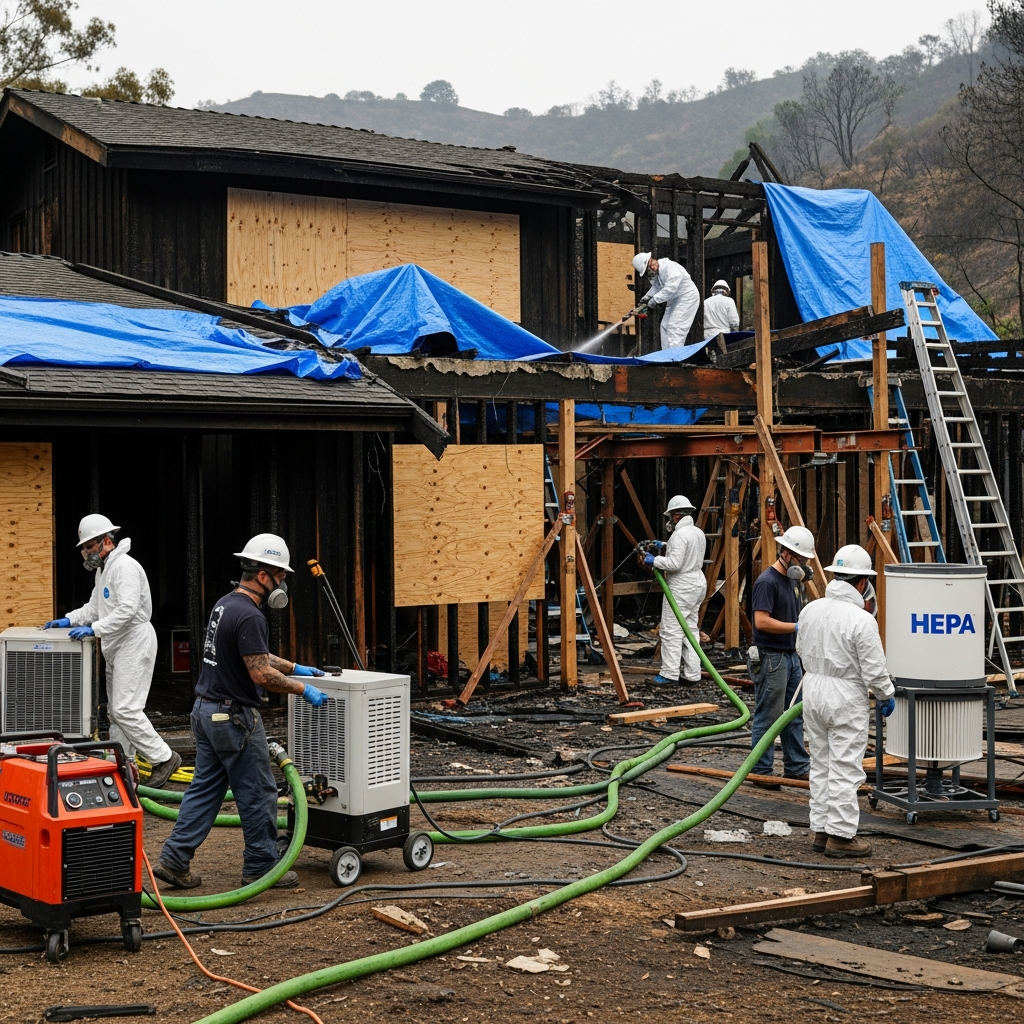
Early measures such as board-ups, roof tarping, and establishing containment zones prevent damages that would otherwise multiply downstream. In Malibu, winds can carry fresh ash for days after a blaze, and light rain may arrive before crews finish exterior protection. Investing in stabilization reduces the chance that soot becomes a slurry that stains stone or that water intrudes through compromised flashing. Clear access routes and equipment staging on narrow streets also matter; smart logistics keep labor efficient and minimize the time you are paying for crews to move gear rather than restore your home.
Residue type drives cleaning strategy
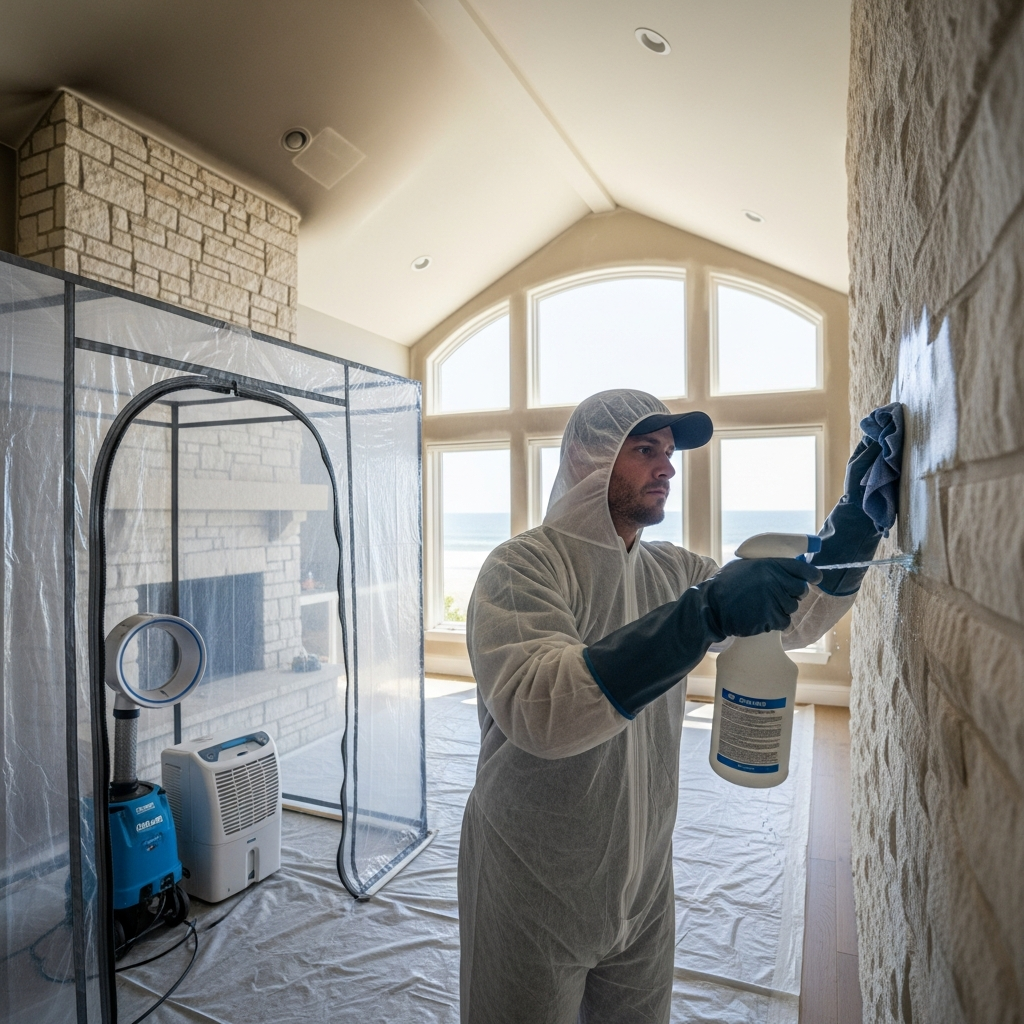
Soot is not uniform, and the labor and materials needed to remove it vary accordingly. Dry, powdery soot lifts quickly with HEPA vacuuming and light wiping. Oily residues from slower, smoldering materials require specialized detergents and more passes. Protein smoke—a frequent culprit in kitchens and pantries—leaves a nearly invisible film with a strong odor, making it labor-intensive to remove from cabinetry interiors, textured surfaces, and hidden corners. Homes that combine all three types of residue, as many Malibu properties do after a widespread wildfire, naturally require a broader toolkit and more time, which influences cost.
Water where you do not expect it
Even if flames did not reach the house, water from suppression efforts can travel in surprising ways. Gravity and structural pathways guide moisture behind walls, into insulation, and under floors. Delays in drying can lead to swelling in wood, separation in veneers, and persistent odors. The equipment and monitoring needed to dry cavities without unnecessary demolition involve skilled labor. Choosing controlled drying over wholesale removal can be cost-effective long term, but it requires precision and patience, both of which are reflected in the work plan.
Selective demolition versus preservation
There is a balance to strike between removing materials swiftly and preserving what can be safely restored. Selective demolition aims to open access to concealed spaces while keeping salvageable finishes intact. In homes with architectural character—hand-troweled plaster, reclaimed beams, custom millwork—preservation often matters as much as speed. The trade-off is that fine, careful work takes time. However, the downstream savings in rebuilding custom elements can outweigh the added labor during demolition and cleaning, a calculus that experienced Malibu teams explain transparently before work begins.
Odor control: the hidden driver
Many homeowners underestimate how much effort goes into eliminating odors. True odor control follows source removal and is not a cover-up. Techniques such as hydroxyl treatment and thermal fogging require setup, monitoring, and time to be effective. HVAC cleaning and filter replacement add layers to the plan, and the verification steps—walk-throughs on warm days, nose tests in closed rooms, or formal air sampling when requested—protect you from the frustration of odors returning weeks later. The investment here pays dividends in comfort and peace of mind.
Contents cleaning and pack-out logistics
Personal belongings add complexity and emotional weight to the process. Cataloging, packing, transporting, cleaning, and storing contents involve coordinated teams and careful tracking. Electronics, textiles, and fine items like art or instruments may each require different environments and methods. Malibu’s coastal air makes corrosion a real risk for metals post-fire, so timelines matter. While contents services add to the overall scope, well-managed pack-outs streamline structural work and reduce the chance of recontamination, which can keep the larger project on schedule.
Code compliance and upgrades
Rebuilding after fire often triggers code requirements that were not in place when the home was first built or last remodeled. Ember-resistant vents, improved egress, and updates to electrical or plumbing systems may become part of the plan. In hillside neighborhoods, structural engineers might assess retaining walls or foundations exposed to heat. These upgrades enhance safety and resilience, and while they influence cost, they also position your property to better withstand future events. Local familiarity helps here—teams used to Malibu’s permitting rhythms can chart the fastest path through approvals.
Access, scheduling, and Malibu logistics
Costs are not only about materials and methods. They are also about how efficiently crews can move. Narrow streets, limited parking, and busy weekends along the Pacific Coast Highway all affect scheduling. Deliveries may need to be timed around traffic surges or school pickups. Coordinating multiple trades to avoid overlap in tight spaces keeps hours productive. Restoration firms accustomed to the area factor these constraints into their estimates and daily plans, preventing small delays from cascading into extended timelines.
Insurance coordination without dollar figures
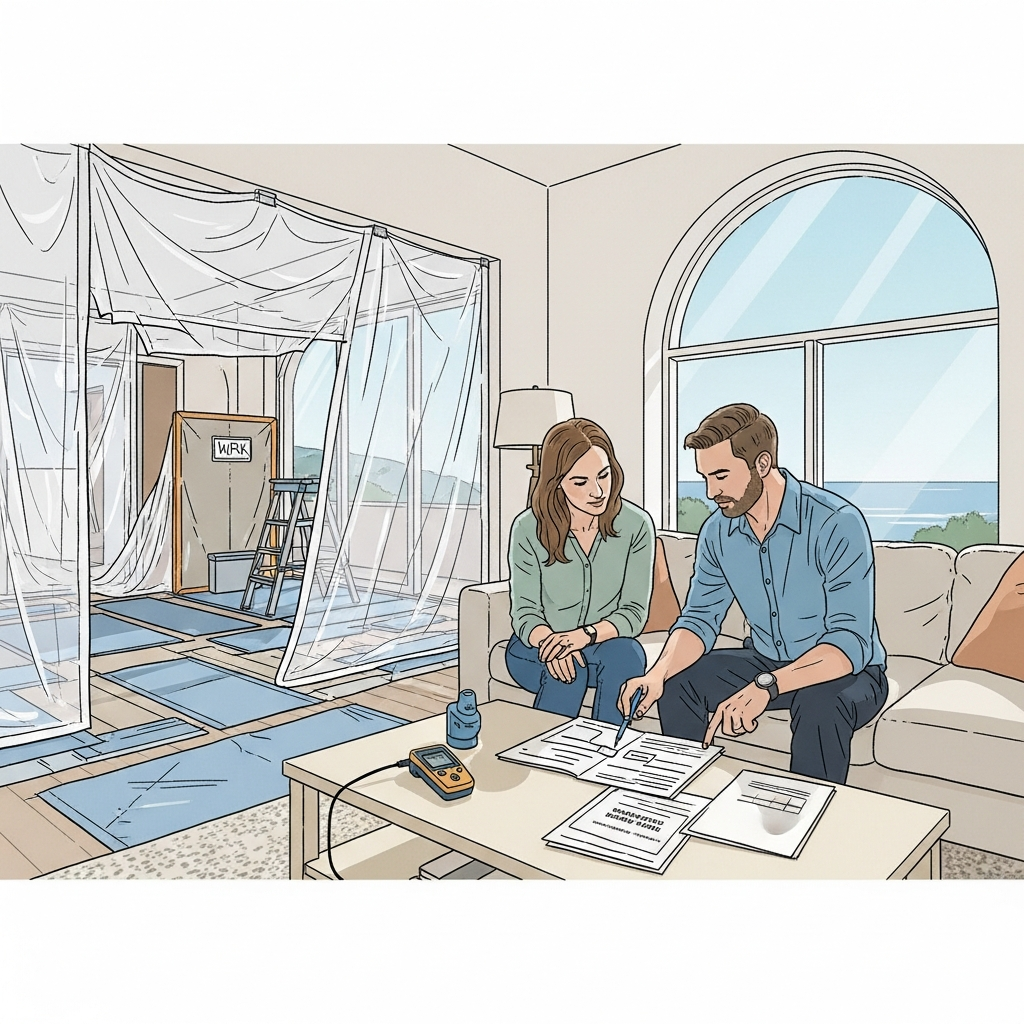
Insurance plays a central role in most Malibu fire recoveries. The most productive approach is to align documentation and communication from the start. Photographs, room-by-room inventories, and a scope that ties actions to observed damages all support smooth claims handling. While we will not discuss prices or service costs here, we can say that clarity and organization minimize disputes and reduce the back-and-forth that can slow payment and progress. Your restorer’s ability to explain the “why” for each step in plain language is as valuable as any piece of equipment on the job.
Managing expectations and making choices
Throughout the project, you will make choices about finishes, timelines, and access. For example, scheduling odor control before painting is not just best practice; it prevents trapping odors under new coatings. Opting for materials that clean well—stone with the right sealers, cabinetry interiors that resist absorption—may alter the finishing budget later, yet they often reduce maintenance over time. Talking openly with your project manager about what matters most to you—speed, preservation of character, or future resilience—directs resources where they provide the most value.
Mid-course reality checks
Expect a midpoint review once selective demolition and primary cleaning are complete. This is when concealed issues, like soot behind built-ins or heat-damaged fasteners, have been uncovered and addressed in the plan. A well-run project invites you to walk the site, hear the rationale for adjustments, and approve changes before they proceed. Somewhere around this middle stretch, it can be helpful to reconnect with a seasoned local perspective on Malibu fire damage restoration to confirm sequencing and keep the focus on outcomes that matter to you rather than on line items in isolation.
Resilience as part of the investment
Restoration is an opportunity to make your home more defensible and easier to maintain. Choosing ember-resistant vents, creating better attic access for future inspections, selecting exterior finishes that clean readily after a smoke event, and simplifying landscaping near structures all contribute to long-term savings. Interior decisions—like using low-porosity materials in kitchens and entries—reduce the effort required to clean after minor smoke incidents. Thinking beyond the immediate rebuild aligns your spending with the way you want the home to serve you in the years ahead.
Communication is a cost control tool
Regular updates, clear schedules, and single points of contact eliminate guesswork and reduce downtime. When you know what is happening day to day, you can plan around noise, access limits, and periods when rooms are off-limits. Crews that respect your time, protect adjacent spaces, and leave areas tidy at the end of each day move faster because they are not retracing steps or re-cleaning. It is the unglamorous side of cost control, but in Malibu’s close-knit neighborhoods, it is essential to keeping projects pleasant and predictable.
Frequently asked questions
Why do two similar-looking homes have different restoration scopes?
Small differences in exposure, ventilation, and construction lead to big differences in how smoke and heat behave. One home might draw soot through an active HVAC system while its neighbor, with systems shut off, avoids that spread. Material choices—like open-grain woods or textured plaster—also change how residues bond and how long cleaning takes.
How much influence do I have over the restoration plan?
You have significant influence. A good restorer presents options, explains trade-offs, and adapts to your priorities. If preserving original millwork matters more than speed, the plan shifts toward meticulous cleaning and repair. If you need a room operational for family needs, schedules and sequencing can reflect that.
What steps help control costs without compromising quality?
Start with thorough assessment and stabilization, isolate HVAC systems early, choose materials that clean well, and keep communication frequent. Staying ahead of secondary damage—like water-related swelling or corrosion—prevents expensive fixes later. Cooperation among trades and good site logistics also keep labor focused on productive work.
Will odor removal require replacing large portions of the interior?
Not necessarily. When contamination is removed and the right deodorization techniques are applied, many materials can be saved. Replacement becomes necessary when residues have penetrated deeply or when heat has altered materials beyond safe restoration. The decision is based on inspection, testing, and clear performance standards.
How do contents affect the overall project?
Contents add coordination and care, but they also protect the structure by getting delicate items out of the way. Proper pack-out reduces breakage, speeds structural cleaning, and prevents cross-contamination. Electronics, art, and textiles each have best-practice methods that influence scheduling and the workspace layout.
Do Malibu’s permitting requirements add time?
They can, depending on the scope. Experienced local teams anticipate reviews, inspections, and site access constraints, and they sequence work accordingly. The result is fewer surprises and a steadier pace, even when approvals are part of the path to completion.
As you weigh your options and plan the road ahead, remember that restoration is as much about outcomes as it is about tasks. You want a home that looks right, smells fresh, and functions smoothly, with choices that respect Malibu’s environment and your family’s routines. If you would like experienced guidance grounded in real local knowledge, speak with professionals dedicated to fire damage restoration in Malibu. They will help you align priorities with process so that each decision moves you toward a confident, comfortable return home.