Emergencies do not make appointments, and in Malibu, they often arrive on hot, restless winds after a long dry spell. When a fire event unfolds at night or in the dim quiet just before dawn, the difference between chaos and calm is a plan, a practiced team, and a rhythm that keeps people safe while protecting what matters most in your home. I have stood on darkened streets above the Pacific Coast Highway with generators humming, tarps flapping softly, and the smell of wet ash in the air, and I know that 24/7 emergency response is both a technical craft and a neighborly promise. If you are searching in the middle of a crisis, breathe. There are crews here who specialize in fire damage restoration in Malibu and who can mobilize within minutes, day or night.
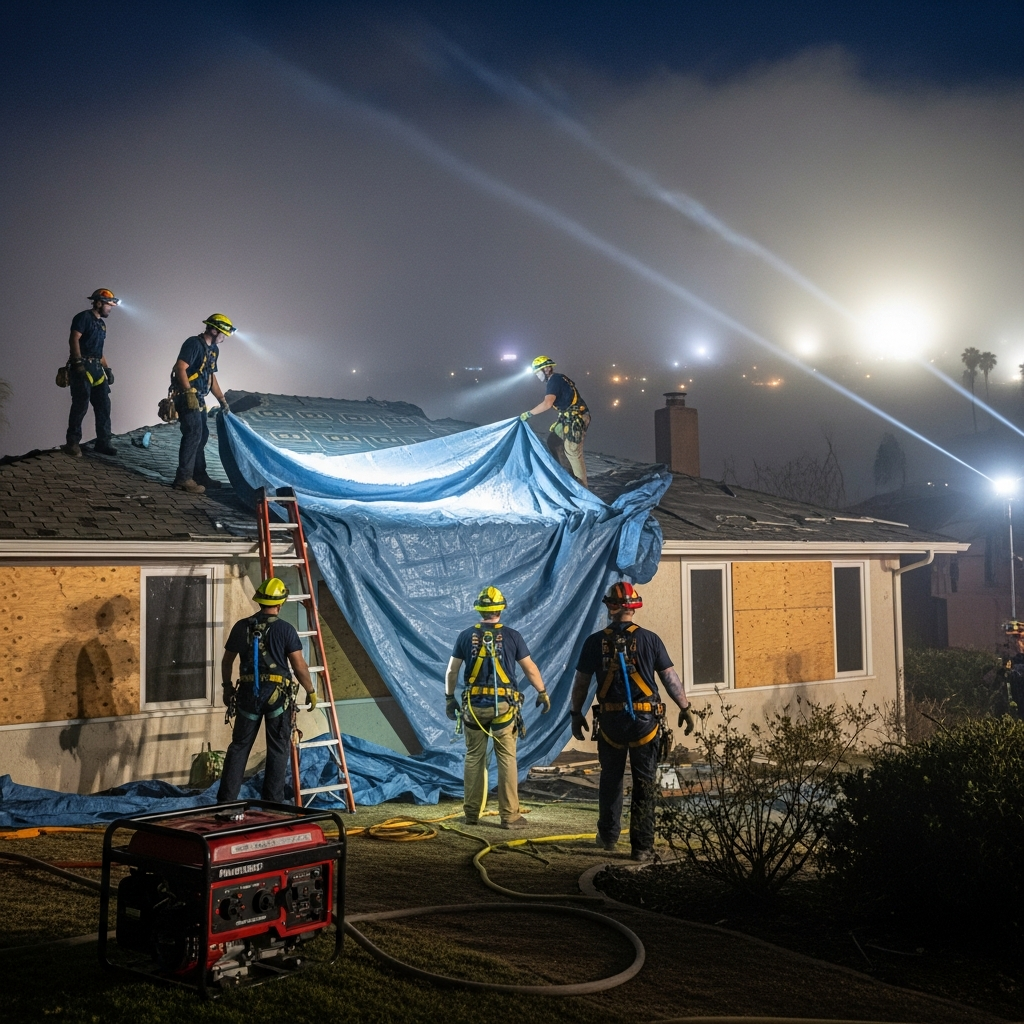
Night operations begin with safety and clarity. The first vehicle on scene lights the work area, establishes a safe zone away from traffic or unstable structures, and checks that gas and electricity are either shut off or safe to use. Communication is concise and steady because radios and headlamps are the tools that keep a team working as one when visibility is limited. From the first minute, the goal is to stop the clock on secondary damage while preserving the evidence and context you will need for insurance and for a precise restoration plan in the morning.
Board-up, tarping, and weatherproofing in the dark
Malibu nights can be deceivingly cool, with moisture rolling in off the ocean even on a dry-weather night. That coolness carries humidity that, when it meets soot and ash, can set stains in porous surfaces. Emergency crews prioritize securing doors and windows with board-ups and laying roof tarps to keep dew and any stray drizzle out. On steep lots or complex rooflines, this work is as much about safe movement as it is about speed. Ropes, harnesses, and clear roles keep the team nimble without missteps, and neighbors appreciate a quiet, respectful presence that moves with purpose but without blaring noise in the small hours.
Power, lighting, and air control
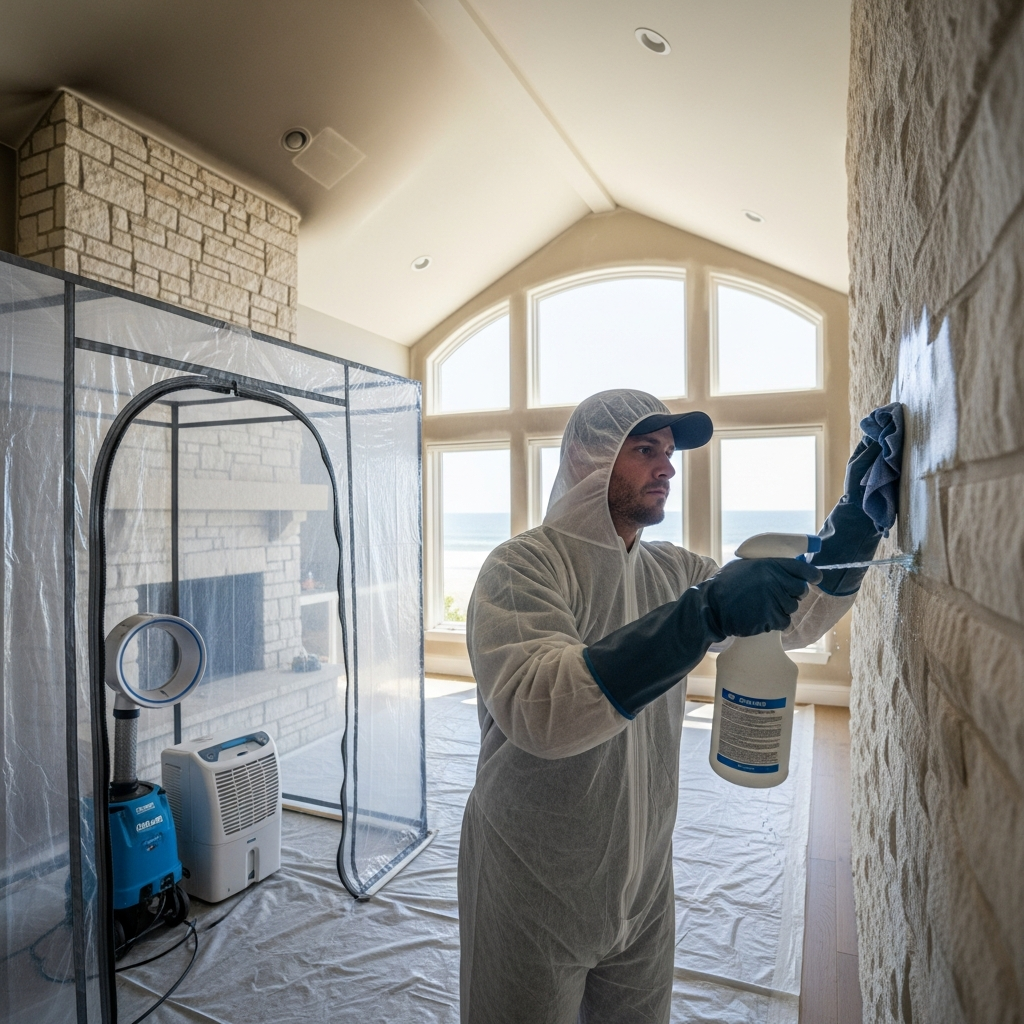
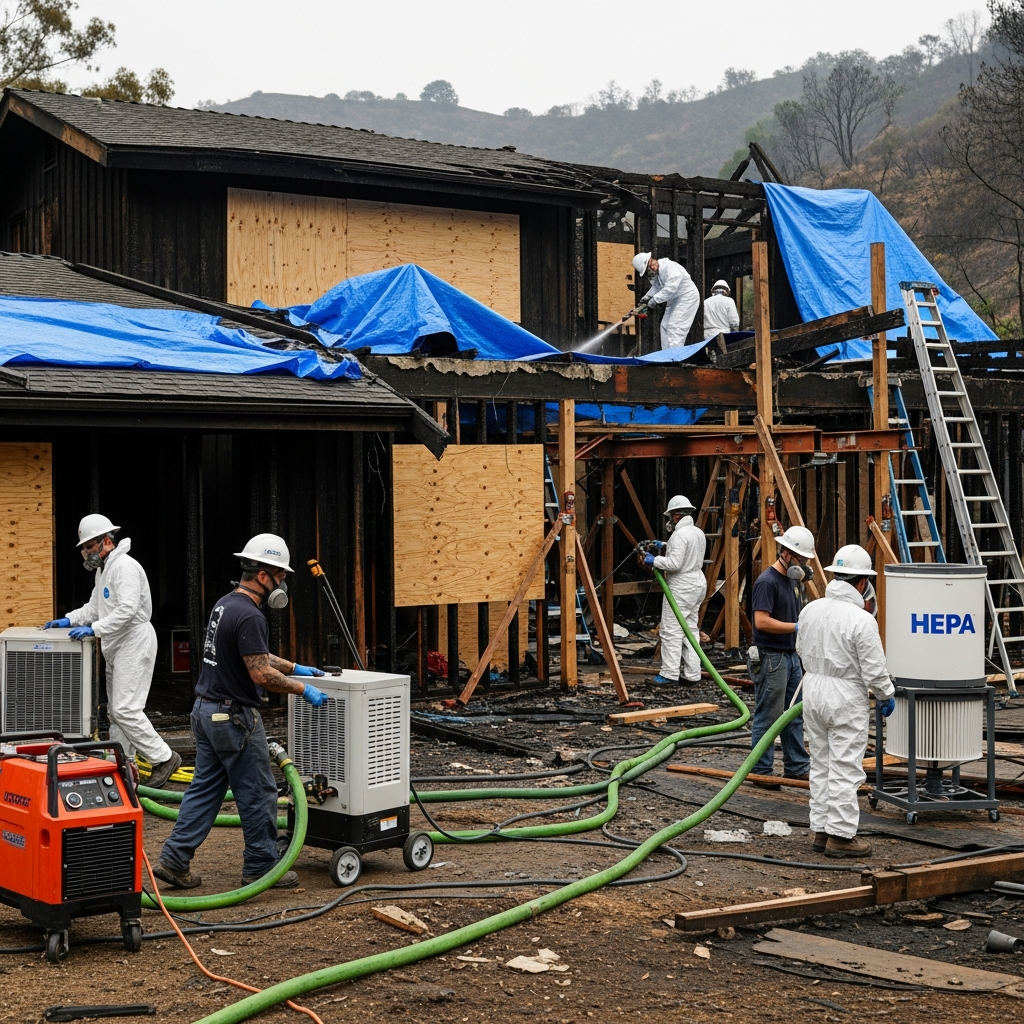
When power is compromised, generators and temporary distribution panels provide safe, grounded electricity for lights and critical equipment. Negative-air machines begin scrubbing the air and pulling fine particulates away from living spaces, while technicians isolate HVAC systems so that soot does not spread through ducts. The hum of HEPA filtration is the sound of progress at 3 a.m., and it pairs with careful placement of containment barriers that define clean pathways from the entry to the rooms where work must begin immediately.
Water extraction and moisture mapping
Even a small fire can leave behind a surprising amount of water from suppression efforts. Left alone overnight, that water wicks into baseboards, subfloors, and cabinetry. Emergency teams start extraction right away, targeting the wettest areas and setting equipment that keeps drying stable until a full plan is in place. Thermal cameras and moisture meters guide decisions so that effort goes where it matters most. This is triage—doing the right things in the right order so that tomorrow’s work is cleaner, faster, and less invasive.
Securing valuables and sensitive contents
One of the hardest moments in a night response is seeing personal items sitting vulnerable in a smoky room. Technicians, with your permission, will relocate sensitive contents—artwork, instruments, heirlooms—out of harm’s way. In some cases, a light protective wrap and a labeled, temporary staging area on site are enough. In others, a rapid, documented pack-out is the best path. Photography, barcoding, and careful handling apply even at midnight because the chain of custody and the trust it builds are critical to a smooth restoration.
Working alongside first responders and utilities
In a fluid emergency, coordination is everything. Crews communicate with fire personnel to confirm hotspots are out and to understand the path flames and smoke took through the property. Utility providers may be on site to cap gas lines or address downed service drops. Everyone shares the same priorities: safety first, stabilization second, and preservation third. Experienced Malibu teams know the local stations, the routes that stay open when the Pacific Coast Highway is slowed, and the canyon roads that invite caution after dark.
Noise, neighbors, and the midnight footprint
Being a good neighbor does not stop because work happens at odd hours. Crews use task lighting and keep generators positioned to minimize noise spill. Communication with adjacent homeowners—letting them know what to expect and how long the immediate stabilization will take—reduces worry on a street that may already feel tense after an evacuation or a power outage. Clean entry mats, polite voices, and end-of-shift tidiness are small gestures that carry big weight at 2 a.m.
Documentation that makes morning easier
Photos and notes taken during emergency work prevent confusion later. Before-and-after shots of each boarded opening, images of moisture readings, and a sketch of containment zones give clarity to the broader team that will arrive with the sun. When an adjuster visits, this early record shows that steps were necessary and thoughtfully executed. In Malibu, where bustling days can crowd schedules, that clarity prevents delays and keeps momentum on your side.
From night to day: the handoff and expanded plan
By early morning, the emergency footprint should feel stable: openings secured, water under control, air scrubbers humming, sensitive contents protected. A project manager walks the site with you to translate the night’s triage into a full plan. This is when timelines take shape and when you can ask questions in the calm light of day. You will hear about residue types, odor control strategies, and whether selective demolition will be needed to access concealed spaces. The goal is a plan that respects your routines and keeps critical rooms accessible when possible.
Attic, crawlspace, and ember pathways
Malibu homes often have attics that invite ocean breezes and crawlspaces that follow the contours of hillside lots. These spaces are also pathways for embers and smoke. Early in the restoration, technicians open access points to check for hazards and contamination. Embers can lodge in insulation, and smoke can settle in corners that normal air exchange does not reach. Finding and addressing these pockets early prevents lingering odors and reduces the chance of rework later.
Odor control without shortcuts
Odors are stubborn when not confronted at the source. After the emergency phase, source removal—cleaning, HEPA vacuuming, and careful wiping—sets the stage for deodorization. Hydroxyl generators and, when appropriate, thermal fogging help neutralize odor molecules in the same paths smoke traveled. It is tempting to mask smells with fragrances, but cover scents fade and heat can reactivate trapped compounds. Real odor control takes time, and doing it well in the first days is the fastest path to a home that feels truly clean.
Protecting indoor air quality for families and pets
Even as the home stabilizes, attention to air quality continues. Filter changes, duct inspections, and decisions about when to re-energize HVAC systems come in sequence. Families with sensitive members—children, older adults, or pets—benefit from clear guidelines about which rooms are safe and when. Night-and-day crews coordinate so that occupied areas remain as comfortable as possible during each phase.
Weather changes and coastal considerations
Coastal microclimates matter. A foggy morning can slow drying and make soot smear if surfaces are pushed too quickly. A hot afternoon can release odors that seemed quiet overnight. Local teams adjust equipment and schedules to these shifts, cycling dehumidification and airflow as needed and saving certain cleaning steps for the part of the day when they perform best. This responsiveness is part of the value of a true 24/7 operation: decisions are made in the moment, informed by the weather outside your door.
Calm in the corridor: living through restoration
Most Malibu families want to reoccupy parts of the home as soon as it is safe. Clear pathways, sealed work zones, and predictable daily routines make that possible. Crews who are thoughtful about staging—keeping tools consolidated and protecting floors and banisters—help restore a sense of normalcy quickly. These practical touches matter as much as any machine humming in the background because they return a feeling of control to your household.
Frequently asked questions
What should I do first when a fire event happens at night?
Ensure everyone is safe and accounted for, call 911, and follow the instructions of first responders. Once authorities give the all-clear to approach, contact a 24/7 restoration team. Avoid turning on HVAC systems, and do not move items unnecessarily; early documentation helps both restoration and insurance.
How fast can emergency crews reach a Malibu property?
Local teams stage for quick access and understand how to route around traffic or closures. Response times vary with conditions, but the goal is always minutes, not hours, because secondary damage begins quickly, particularly when water is present or openings leave the home exposed.
Is nighttime work as effective as daytime work?
Yes, when crews arrive prepared. Task lighting, safe power distribution, and clear roles make night operations efficient. The objective is stabilization overnight and a seamless handoff to daytime teams who expand the plan and continue with cleaning, drying, and repairs.
Will emergency work disrupt my neighbors?
Crews aim to be respectful and quiet, using equipment placement and communication to limit noise and light spill. They also keep areas tidy and inform neighbors of timeline expectations, which reduces anxiety on streets already affected by the event.
How do you control smoke odors that seem worse in the afternoon?
That pattern is common. Heat activates trapped compounds. The solution is thorough source removal, followed by deodorization that reaches into the same pores and gaps smoke entered. Verification—like warm-day walk-throughs—confirms success before finishing work proceeds.
Can I live in my home during restoration?
Often, yes, with clear zones and schedules. Safety comes first, but many projects maintain access to kitchens, bedrooms, or bathrooms by sequencing work carefully. Your project team will outline what is feasible and adjust as progress opens more of the home.
If you are facing a fire emergency right now or want a plan in place before the next wind event, connect with a local, calm, and capable team. Quick mobilization, steady communication, and deep experience are the pillars of a smooth recovery. Reach out to specialists in fire damage restoration in Malibu who answer the phone at all hours and show up ready to protect your home, your health, and your peace of mind.