In Malibu, the rhythm of daily life is shaped by the hills, the canyons, and the wind that sweeps up from the Pacific and down through the chaparral. When wildfires move through these landscapes, they do not just scorch vegetation; they touch memories, routines, and the sense of place that turns a house into a home. As a local who has walked fire lines after the Santa Ana winds died down and sifted ash alongside neighbors after evacuation orders lifted, I know that the hours and days following a wildfire are both emotionally charged and critically important. If you are reading this in the aftermath of a blaze, take a breath. There is a clear, step-by-step path to stabilizing your property and reclaiming your space, and experienced teams focused on fire damage restoration in Malibu walk that path with families here every season.
Recovery begins before you ever pick up a broom. It starts with safety, documentation, and a calm assessment of what can be saved. Malibu’s unique geography—the ridgelines along the Santa Monica Mountains, the narrow streets off the Pacific Coast Highway, the canyon microclimates that hold heat—creates restoration challenges that are different from those in flat, inland communities. Understanding those specifics helps explain why the process unfolds the way it does and why patience and precision make such a difference in the final outcome.
The first return: safety, stabilization, and a clear head
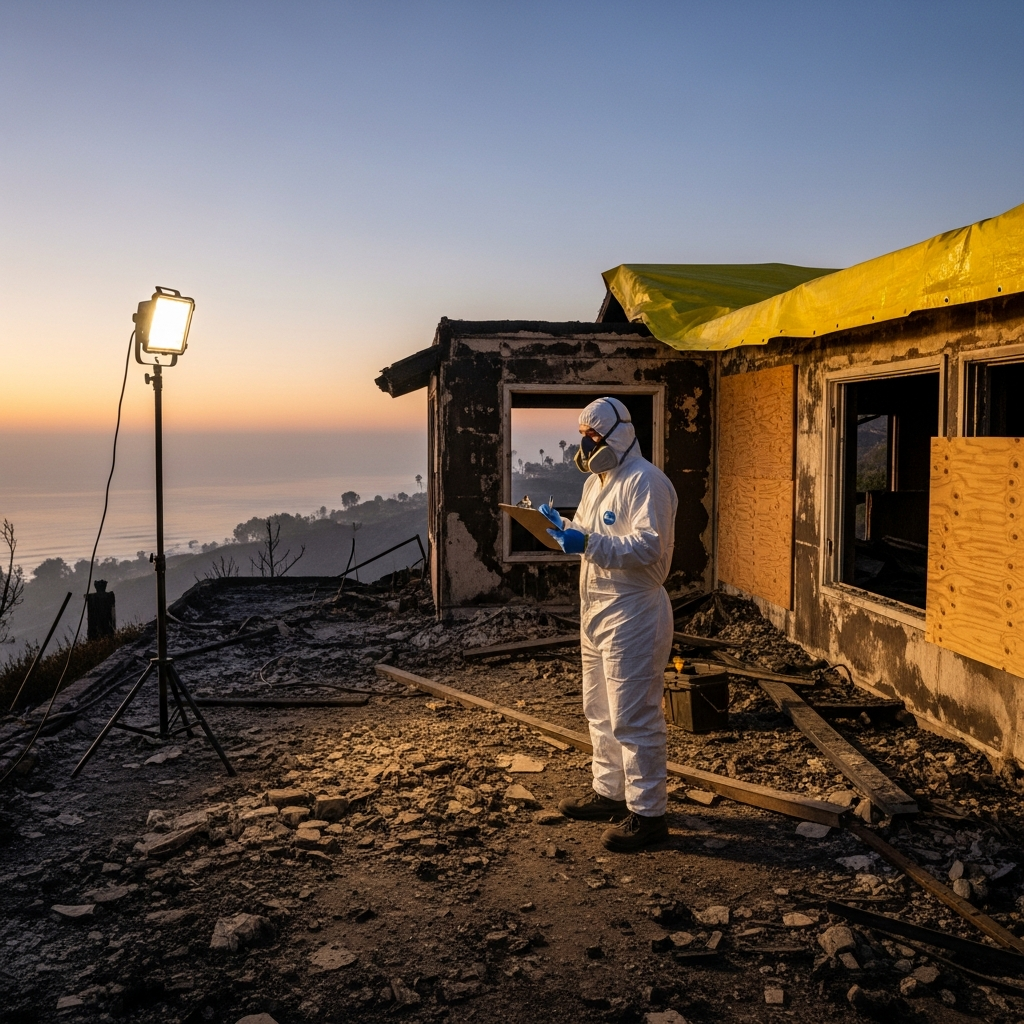
When the authorities reopen neighborhoods after a wildfire, the impulse to hurry in is natural. Slow your pace and approach the property with care. Even homes that look solid from the curb can hide structural weaknesses, electrical hazards, and hotspots that persist beneath debris. Professional crews begin with a safety walk: they check for compromised framing, inspect the roof for damaged underlayment and loose tiles or shingles, and verify that gas and electrical service are either safely disconnected or functioning without immediate risk. This is also the point where the documentation process starts in earnest.
Good documentation is a cornerstone of a successful restoration. Take broad photos of each room before you move anything, then closer photos of individual items and surfaces. Ash patterns, smoke lines, and the condition of door and window seals tell a story that informs both the restoration plan and the discussions you will later have with insurers and contractors. In Malibu, where coastal moisture meets soot, small details like condensation trails under eaves or salt-laden residues on metal fixtures matter because they forecast corrosion risks and guide the cleaning chemistry that crews will select.
Understanding Malibu’s wildfire profile
Malibu’s wildfire season is not a single event; it is a cycle that intensifies with wind and drought and then recedes with winter rains. Hillsides carpeted with chaparral burn hot, and embers can travel great distances, lodging in attic vents, under decks, and around window frames. Many homeowners are surprised to learn that even without a direct flame front, an ember storm can seed dozens of ignition points. This is why properties that look “untouched” from the driveway can still harbor smoldering materials in outbuildings, mulch beds, or concealed cavities. A methodical attic and crawlspace check is a must, and it is routine for local restoration technicians who have learned to read the specific burn signatures that Malibu’s canyons produce.
From triage to plan: the first 72 hours
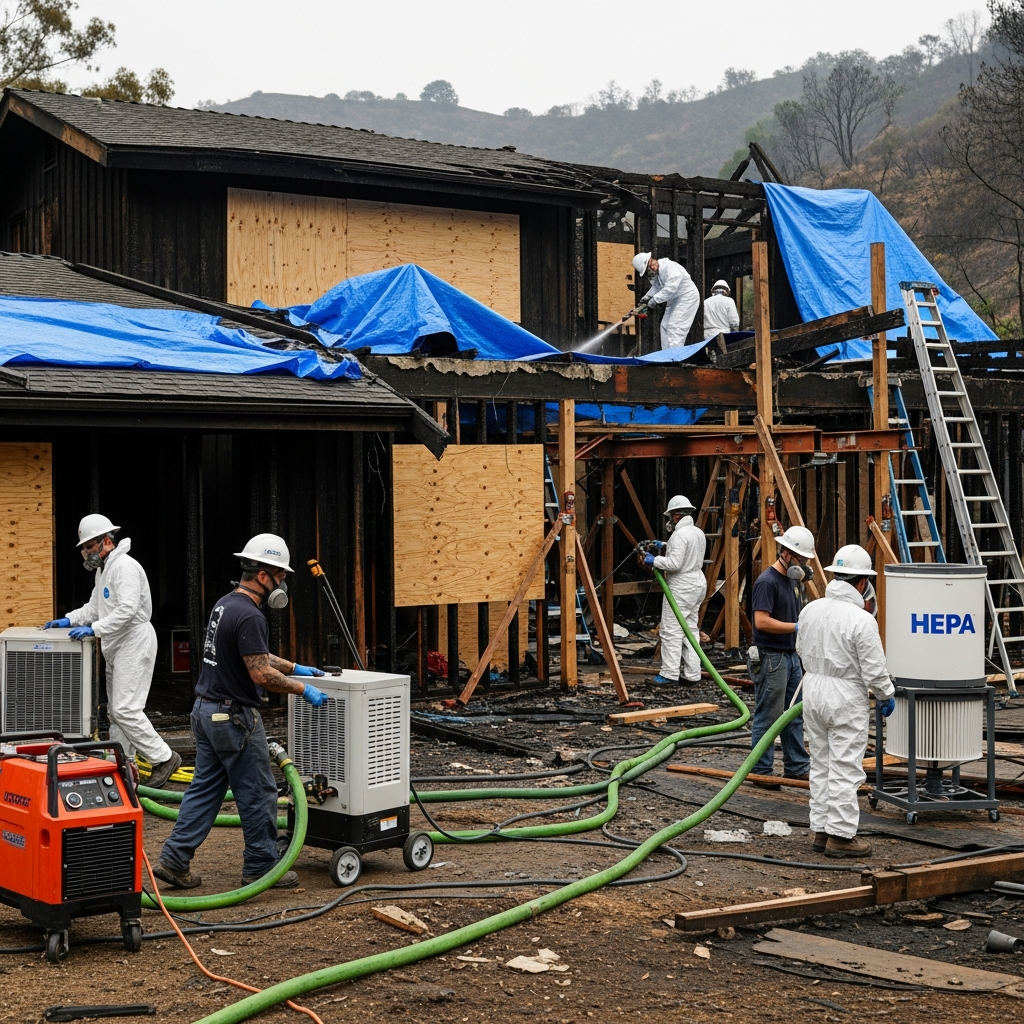
The early timeline is about preventing secondary damage. Board-ups and roof tarps protect against wind-driven ash and the occasional post-fire drizzle that turns soot into a staining slurry. Moisture meters and thermal imaging help locate hidden dampness from firefighting efforts, and drying equipment is placed to curb swelling in hardwoods, separation at baseboards, and the musty odors that can develop when water lingers behind walls. During this window, crews will also isolate HVAC systems to prevent them from drawing contaminated air through ductwork and scattering soot throughout living spaces.
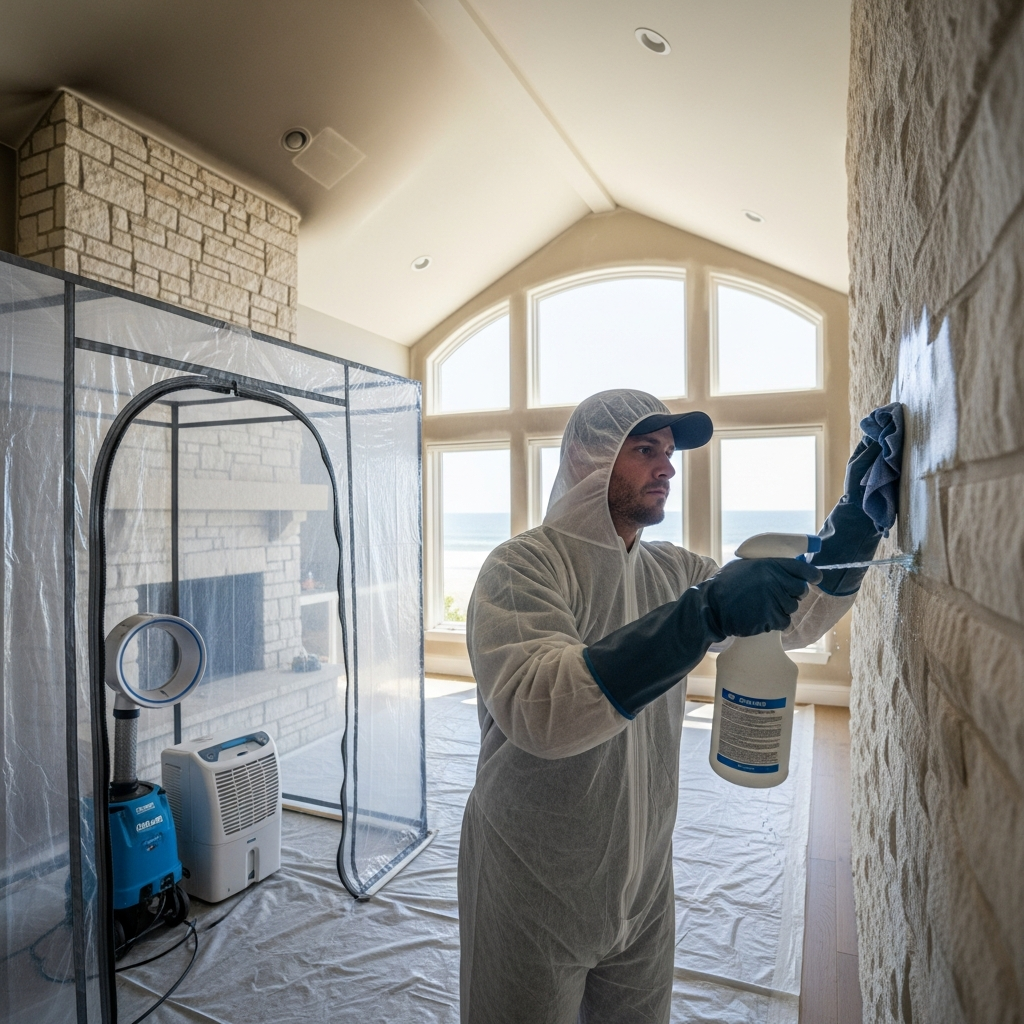
You will see a focus on containment: plastic sheeting and negative-air machines create zones that keep clean areas from recontamination. This careful choreography is the difference between erasing smoke odors and chasing them for months. In Malibu, where ocean breezes can change direction suddenly, smart containment also accounts for cross-drafts so that cleanup is not undone by a gust that stirs fine ash into the air again.
Assessing structural integrity and materials
Fire affects materials in ways that are not always visible. Heat can bake the temper out of metal hardware, craze tempered glass, and weaken fasteners. Wood that appears darkened may have lost surface lignin and become brittle, while subflooring might delaminate from heat and moisture combined. Restoration teams probe, tap, and test. They determine which studs retain structural capacity, where replacement is nonnegotiable, and where sanding, sealing, and encapsulation can safely preserve what remains. In homes with exposed beams, so appreciated for their coastal character, careful cleaning followed by odor sealing can restore appearance without erasing the grain patterns that tell the home’s story.
The science of smoke: residues and odors
Not all smoke is alike, and Malibu homes often host all varieties after a wildfire. Dry soot from fast-burning vegetation adheres lightly and can be lifted with HEPA vacuuming before a gentle wash. Wet, oily residues from slower, smoldering materials require different detergents and might call for alkaline cleaners to break down stubborn films on stone and tile. Protein smoke, which arises when organic materials in kitchens or pantries smolder, leaves a nearly invisible film with a powerful odor; removing it demands patience and a precise approach to break the bonds that trap the smell.
Odor control is both art and science. After source removal—meaning the thorough cleaning of every contaminated surface—technicians may use hydroxyl generators to neutralize volatile compounds without the risks associated with ozone in occupied structures. Thermal fogging re-creates the path smoke once took, driving deodorizing agents into the same pores and joints that captured the original odors. The result, when done systematically, is a home that smells like itself again, not like a cover scent masking a deeper issue.
Contents: what to keep, what to treat, what to let go
Personal belongings are often the heart of a Malibu home—the surfboards stacked in a garage corner, a guitar that’s been strummed at sunset gatherings, artwork collected from local galleries. After a fire, contents specialists sort items into categories: easily restorable, restorable with specialized treatment, and non-restorable. Textiles respond well to specialized laundering, often with ozone-free processes that lift odors without harming fibers. Electronics require inspection and may be stabilized with gentle drying and cleaning to remove corrosives, while fine art and antiques are typically packed out to controlled environments where conservators can work without dust and temperature swings.
Pack-out is not abandonment; it is preservation. Each item is cataloged, photographed, and tracked, then returned once the structure is ready. Malibu’s salt air is unforgiving on certain metals after they have been kissed by smoke, so quick attention to jewelry, tools, and hardware pays dividends. Leather and wood furnishings, especially pieces that have lived near open windows to catch ocean breezes, need mindful treatment to avoid over-wetting and warping during cleaning.
Water and ash: a tricky pairing
Fire suppression water mixing with ash produces a grey, slightly caustic slurry that can etch stone, stain grout, and seep into seams. Prompt extraction and targeted drying halt that damage. In plank flooring, cupping can be minimized if airflow and dehumidification start early and are adjusted as moisture readings change. Cabinets and built-ins benefit from cavity drying that moves air behind toe kicks and inside wall cavities without invasive demolition whenever possible. The goal is to restore not just surfaces, but the way the house breathes—air moving properly, humidity stabilized, and odors neutralized.
Permits, inspections, and Malibu logistics
Rebuilding in Malibu comes with its own rhythms. Between coastal development considerations, hillside stabilization, and neighborhood access constraints, scheduling requires local awareness. Restoration teams coordinate with city inspectors, plan for equipment staging on narrow roads, and time deliveries around school pickups and weekend beach traffic. Roofing materials travel over the same PCH that surfers and visitors use, so timing matters to keep your project moving without unnecessary delays. Experienced local crews anticipate these details, smoothing a process that can otherwise feel like a maze.
Mid-course corrections and communication
As surfaces are exposed and cleaning advances, new information emerges. A painter removing soot-sealed paint may discover a cracked plaster key, or an HVAC technician might find soot-laden insulation at a return plenum. The plan adapts. Expect regular updates, walk-throughs, and photographs that map progress from room to room. Somewhere in this middle stretch, take a moment to remember why methodical work matters. A measured approach now prevents the disappointment of odors returning with the first hot, dry day in September. This is also a good moment to revisit resources available to you through skilled teams who focus on Malibu fire damage restoration and know how to pivot gracefully when the scope evolves.
Defensible space and future readiness
Restoration is more than putting things back the way they were; it is an opportunity to add resilience. Clearing ember traps around decks, installing ember-resistant vents, choosing Class A roofing, and replacing vulnerable landscaping near structures all reduce future risk. Inside, consider materials that tolerate heat and smoke better, from stone fireplace surrounds that can be cleaned deeply to flooring that resists swelling. Even subtle choices, like the direction doors swing or the location of attic access, can make inspection and future safety checks easier if another fire threatens.
Community, neighbors, and shared recovery
One of Malibu’s strengths is how neighbors rally. It is common to see block-by-block coordination for temporary fencing, security patrols after dark, and shared dumpsters to streamline debris handling. Good restoration partners encourage this collaboration, staging equipment to reduce noise at night and advising on how to sequence work so that dust from one property does not settle on a neighbor’s freshly cleaned windows. Communication, more than any single product or machine, is the thread that ties a smooth recovery together in neighborhoods where homes stand close and canyon acoustics carry sound.
Emotional recovery and pace
The senses play a big role in how we experience home, and fire unsettles them all—sight, smell, sound. Even when a room is clean, a flash of soot under a baseboard or a faint whiff near a cabinet can bring anxiety back. That is why experienced crews invite you into the process, explaining what each step does and how they verify results. Air sampling or simple walk-through checklists can give you tangible markers of progress. Restoring a home should also restore confidence, and that only happens when you understand the “why” behind each phase.
Final detailing and the subtle finish
Near the end, work shifts to the quiet details: polishing window hardware so it gleams without a hint of residue, re-hanging doors and ensuring they swing without friction, conditioning wood so it looks nourished rather than bleached by cleaning. HVAC systems receive a final service, with new filters and a test run to confirm there are no lingering odors. Sunlight coming through cleaned glass looks different—clearer, warmer—and that moment often marks the psychological finish line as much as any inspection sign-off.
Choosing the right partner
Selecting a restoration team in Malibu is about more than equipment lists. It is about local fluency—knowing when fog will roll in and cool a drying cycle, which streets will be blocked during a weekend event, who to call for emergency roof tarping at 2 a.m., and how to protect landscaping while staging scaffolding. Ask about training, about their plan for contents, about communication during off-hours. The right fit is a team that answers your first questions clearly and your tenth question with the same patience as the first.
Frequently asked questions
How soon should I enter my home after a wildfire?
Only after authorities declare your area safe and you have verified that utilities are either off or functioning without immediate hazards. Wear protective gear, avoid stirring ash unnecessarily, and begin with documentation before moving items. If structural damage is suspected, wait for a professional to walk the home with you.
What is the most critical step in the first 48 hours?
Stabilization. That includes securing openings, addressing any water left from firefighting, isolating HVAC systems to prevent soot spread, and setting up containment. Quick action during this window prevents many of the secondary damages that make restoration longer and more disruptive.
Can smoke odors ever be fully removed?
Yes, when the process is thorough and sequenced correctly. Success comes from removing contamination at the source, selecting the right cleaning agents for each residue, and following with targeted deodorization such as hydroxyl treatment or thermal fogging. Shortcuts often leave trace odors that resurface with heat or humidity.
Do I need to replace all my insulation and ductwork?
Not always, but both require close evaluation. Soot-laden insulation often needs replacement, particularly around return plenums and attic areas where embers or smoke infiltrated. Ductwork may be cleanable depending on construction and contamination; in some cases, replacement is the best path to long-term indoor air quality.
What should I do with valuable items like artwork or instruments?
Isolate them from active cleaning areas, handle with gloves to avoid transferring oils, and prioritize a professional pack-out. Conservators and specialized contents teams can stabilize pieces quickly, especially if they are vulnerable to corrosion, warping, or staining from reactive soot and coastal moisture.
How long does restoration usually take?
Timelines vary with the extent of damage, permitting needs, and material availability. Projects that involve only smoke cleaning and minor repairs move faster than those requiring structural rebuilding. Clear communication with your restoration partner yields a schedule that is transparent and adaptable.
Will rain after a fire help or hurt cleanup?
Light rain can temporarily tamp down dust, but it can also turn ash into a staining slurry. Unprotected openings or compromised roofs risk water intrusion that complicates cleanup. Securing the structure early with tarps and board-ups is the best defense.
What about the landscape and exterior areas?
Exterior cleaning should be deliberate. Pressure washing can drive soot into porous materials. Start with dry removal and use cleaners appropriate for stucco, stone, and decking. Consider replanting with fire-wise species and creating clear zones around structures to reduce ember hazards in the future.
When you are ready to take the next step, reach out to a local team that treats your home with the same care you do. Guidance, steadiness, and strong communication are the foundation of every successful recovery, and they are available right here on the coast. If you want a calm, capable partner for every phase of the work, connect with specialists in fire damage restoration in Malibu who know our hills, our winds, and our neighborhoods. We are ready to help you reopen the windows, let the ocean air in, and feel at home again.