Conversations about rebuilding after a fire in Malibu inevitably turn to practical planning. While homeowners often want numbers right away, the most helpful first step is understanding what shapes the scope of work and how a thoughtful process protects your home’s integrity and your peace of mind. Malibu’s terrain, architecture, and climate create variables that influence the path from smoke and ash back to comfort. Early in that discussion, many residents seek insights from teams experienced in fire damage restoration, because a clear, transparent plan is the foundation for making smart decisions.
It’s natural to think about the financial side immediately, but the reality is that careful assessment determines what truly needs to be done. Guessing leads to overreach or missed damage, and both can have long-term consequences. In a community where homes often include custom materials, expansive glazing, and unique landscapes, each decision should be anchored in evidence. That starts with safety checks, moisture mapping, and smoke tracing to define the work precisely. Only then can you weigh priorities, consider resilience upgrades, and coordinate with insurers to align expectations.
Scope Drivers Unique to Malibu
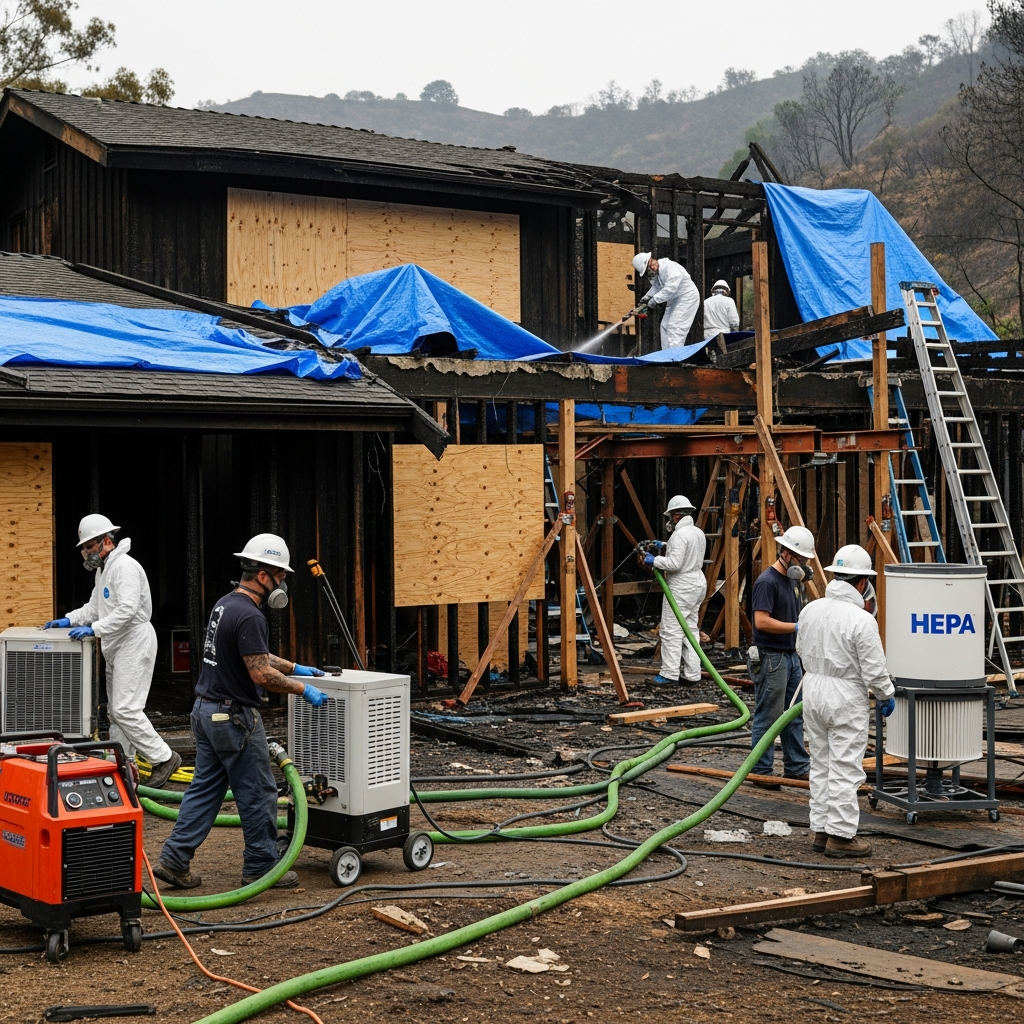
Topography influences the way heat and smoke move. Homes perched on ridgelines may see convection draw hot gases into attics, while properties in sheltered canyons might experience denser smoke that settles into low areas and hidden cavities. Coastal air introduces salt that can accelerate corrosion when combined with soot, affecting metals and mechanical systems. These realities shape cleaning strategies, the level of selective demolition, and the sequencing of repairs. A measured approach also keeps disruption in check, preserving features that can be saved while targeting the assemblies that must be opened.
Access and logistics are additional variables. Narrow roads and steep driveways change how equipment is staged and how quickly materials move. Coordinating temporary power, safe parking, and debris removal can influence momentum. Experienced teams plan around these constraints so the work remains efficient and respectful of neighbors.
Assessment Before Assumptions
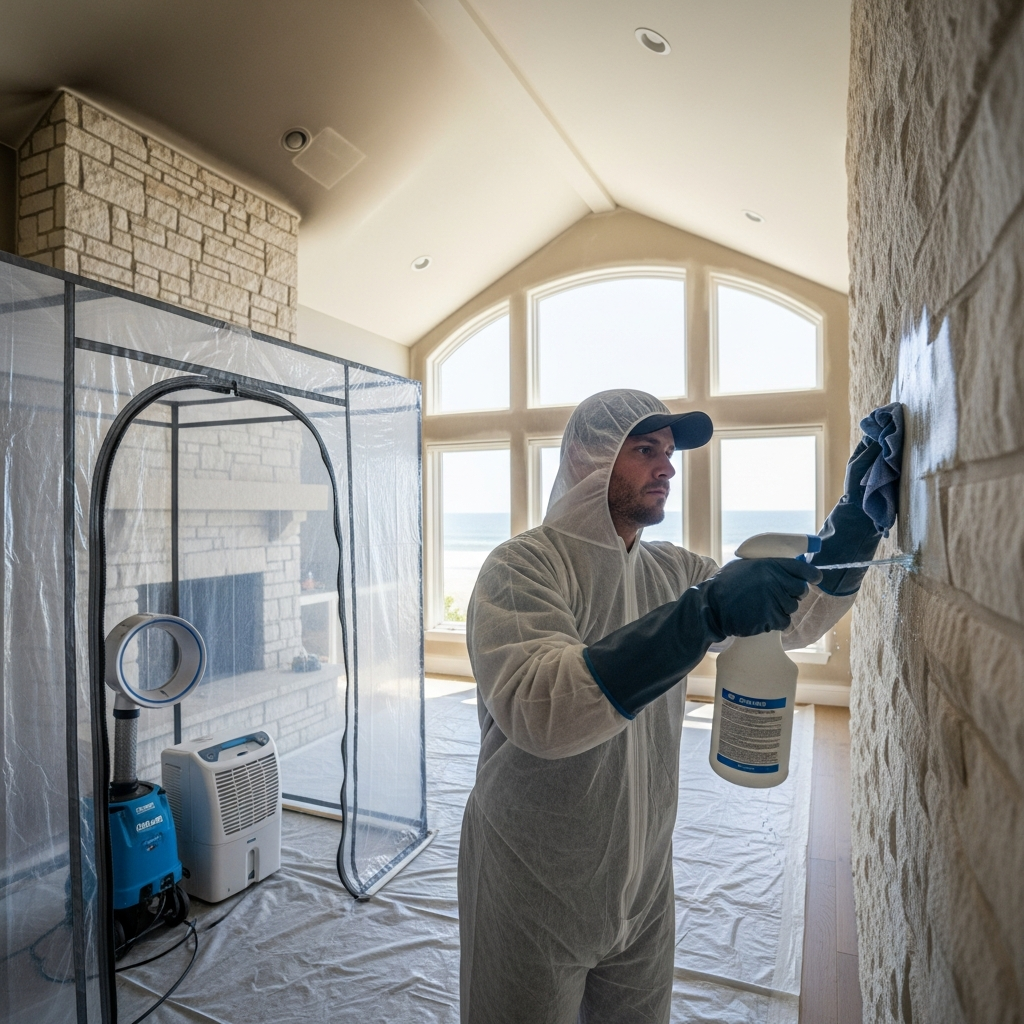
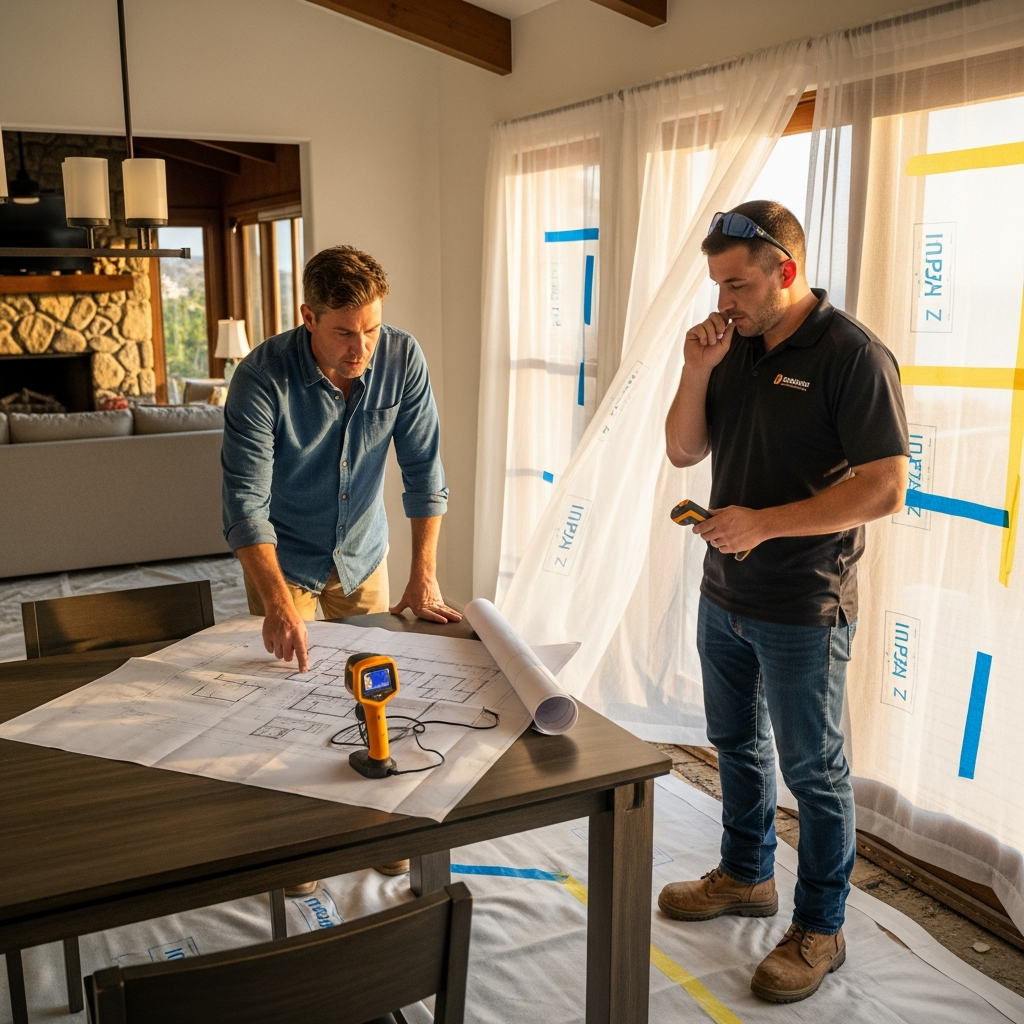
The surest way to control the scope of restoration is to replace assumptions with data. Thermal imaging helps locate heat-affected areas and moisture left from firefighting. Non-invasive and pin-style meters confirm drying targets. Air filtration devices with HEPA capture particulates so cleaning doesn’t simply stir residues from one room to another. Where smoke has traveled behind finishes, targeted openings verify conditions and prevent over-demolition.
Material testing and cleanability trials inform decisions about preservation versus replacement. Custom millwork, stone, and specialty finishes may respond well to disciplined cleaning when addressed promptly. A conservation mindset respects the home’s character and avoids unnecessary disruption. In Malibu, where architectural details often carry personal meaning, that respect matters as much as the technical outcome.
Moisture, Smoke, and Odor: The Triad
Fire, water, and smoke form a triad that dictates much of the restoration journey. Water intrusion from suppression must be dried with care to prevent secondary issues. Smoke’s acidity varies with the fuel that burned, so cleaning chemistry should be tailored accordingly. Odor, meanwhile, is a signal that residues remain or that cavities require further attention. Teams that sequence these elements thoughtfully—drying verified by readings, cleaning aligned to residue type, and deodorization after source removal—deliver the most reliable results.
Ventilation and containment are part of this strategy. Proper negative air and clean pathways protect areas of the home that were not directly affected. This reduces the footprint of work and helps families reoccupy sections of the home sooner when conditions allow.
Documentation and Alignment with Insurers
Clear documentation supports good decision-making. Photographs, moisture logs, and narratives that tie observations to actions help align expectations with insurers and consultants. When the documentation is precise, discussions move from abstract debates to concrete facts, keeping momentum up and confusion down. Malibu homeowners benefit from partners who translate technical findings into straightforward language, outlining next steps and potential options without oversimplifying the realities on site.
Timely updates are just as important. Restoration is dynamic; as layers are opened, conditions come into focus. The best teams communicate discoveries quickly, propose adjustments, and secure approvals before moving forward. This rhythm prevents surprises and supports a transparent planning process that feels collaborative rather than adversarial.
Preservation Versus Replacement
Choosing what to save and what to replace is both an art and a science. The conservation route can offer meaningful advantages: it protects original craftsmanship, shortens timelines, and reduces the risk of introducing mismatched materials. But conservation is only appropriate when verification methods confirm success. Surface appearance is not enough; pH testing, odor checks, and, in some cases, laboratory analysis become the basis for confident decisions. The virtue of a seasoned restoration team is not stubbornly preserving everything, but rather knowing precisely where preservation will succeed and where it won’t.
Replacement has its place—especially where structural integrity is compromised or residues have bonded deeply into porous materials. When replacement is necessary, craftsmanship comes to the forefront. Matching profile, sheen, and grain, and integrating new components into existing assemblies requires skill and patience so that the finished home feels cohesive and whole.
Scheduling, Access, and Weather Windows
In Malibu, the calendar and the coastline matter. Marine layer mornings, afternoon winds, and seasonal temperature swings influence drying strategies and finishing schedules. Work that depends on stable conditions—like certain coatings or adhesives—benefits from careful timing. Access windows shaped by school traffic or narrow private roads also affect daily productivity. A robust plan accounts for these realities so the project proceeds smoothly without undue delays.
Neighbor relations matter too. Professional crews coordinate parking, communicate courteously, and keep staging tidy. In close-knit neighborhoods, this consideration reduces stress and keeps attention where it belongs—on the quality of the restoration.
Resilience and Forward-Looking Choices
As the home nears completion, many owners consider improvements that support resilience. Ember-resistant vents, protected eaves, strategic hardscaping, and thoughtful vegetation management are among the options. Each choice should be weighed for its fit with the architecture and lifestyle of the household. The aim is not to transform the home into something unrecognizable, but to subtly strengthen it for the seasons ahead.
When a project blends restoration with resilience, sequencing is important. Some measures integrate naturally with repairs—upgrading vents while replacing soffits, for example. Talking through these opportunities early prevents rework and ensures that the final result aligns with both aesthetic and practical goals.
Partnering with the Right Team
Everything described here rests on the quality of the people doing the work. Malibu benefits from professionals who live and build here, who can explain complex issues plainly, and who center the homeowner’s experience from start to finish. They start with safety and science, build with care, and communicate with consistency. If you find yourself weighing options, it helps to speak with specialists in fire damage restoration who can frame decisions in a way that feels manageable even when the details are intricate.
Ultimately, planning is about reducing uncertainty. By focusing on assessment, documentation, and thoughtful sequencing, you replace guesswork with clarity. The home you love can be restored with integrity, and the process can feel humane—steady, respectful, and free of avoidable detours. That’s the heart of good planning in Malibu: knowing the terrain, trusting the process, and partnering with people who care as much about the journey as the destination.
FAQ: Planning and Scope in Malibu
What shapes the scope of restoration after a fire? Safety findings, moisture mapping, smoke migration patterns, and material cleanability determine what must be addressed and in what sequence. Evidence, not assumptions, should guide the plan.
How soon should drying and cleaning begin?
Stabilization, drying, and air filtration should begin as quickly as it’s safe to do so. Early action protects unaffected areas, reduces secondary issues, and clarifies the next steps through accurate readings and observations.
Can most finishes be salvaged?
Many can, especially when addressed promptly and tested for cleanability. The decision depends on residue type, material porosity, and the ability to verify results through testing, not just appearance.
Why is documentation emphasized so much?
Documentation turns observations into shared facts. Clear photos, logs, and narratives align the homeowner, insurer, and any consultants around a common understanding, which keeps decisions timely and productive.
What role does local experience play?
Local experience helps teams anticipate access limits, weather patterns, and permitting norms. In Malibu, these factors directly influence daily progress and the efficiency of the overall plan.
Take the Next Step with Confidence
If you’re ready to discuss a plan tailored to your home and your goals, speak with a trusted local partner specializing in fire damage restoration. With the right guidance, you can move forward steadily—one clear, well-documented step at a time—toward a home that welcomes you back with comfort and pride.