When the wind shifts over the ridges and the air carries that unmistakable tinge of smoke, every Malibu homeowner is reminded how quickly a normal day can change. In the aftermath, finding the best professionals to guide recovery becomes an urgent priority. The goal isn’t merely to repair; it’s to restore with confidence, clarity, and respect for the place you call home. The journey often begins with a conversation about fire damage restoration and how a thoughtful, locally experienced team will help you move from chaos to calm with proven steps and steady communication.
In Malibu, the best restoration isn’t a one-size-fits-all process. The cliffs, canyons, and coastal conditions add layers of complexity to every decision. What sets exceptional teams apart is their ability to see the whole picture: the immediate safety needs, the hidden paths of smoke, the moisture that lingers after firefighting, and the delicate finishes that make your home uniquely yours. The top firms bring a balance of science and craft, using instruments and experience to decide what to save, what to remove, and what to rebuild.
Start with Responsiveness and Safety
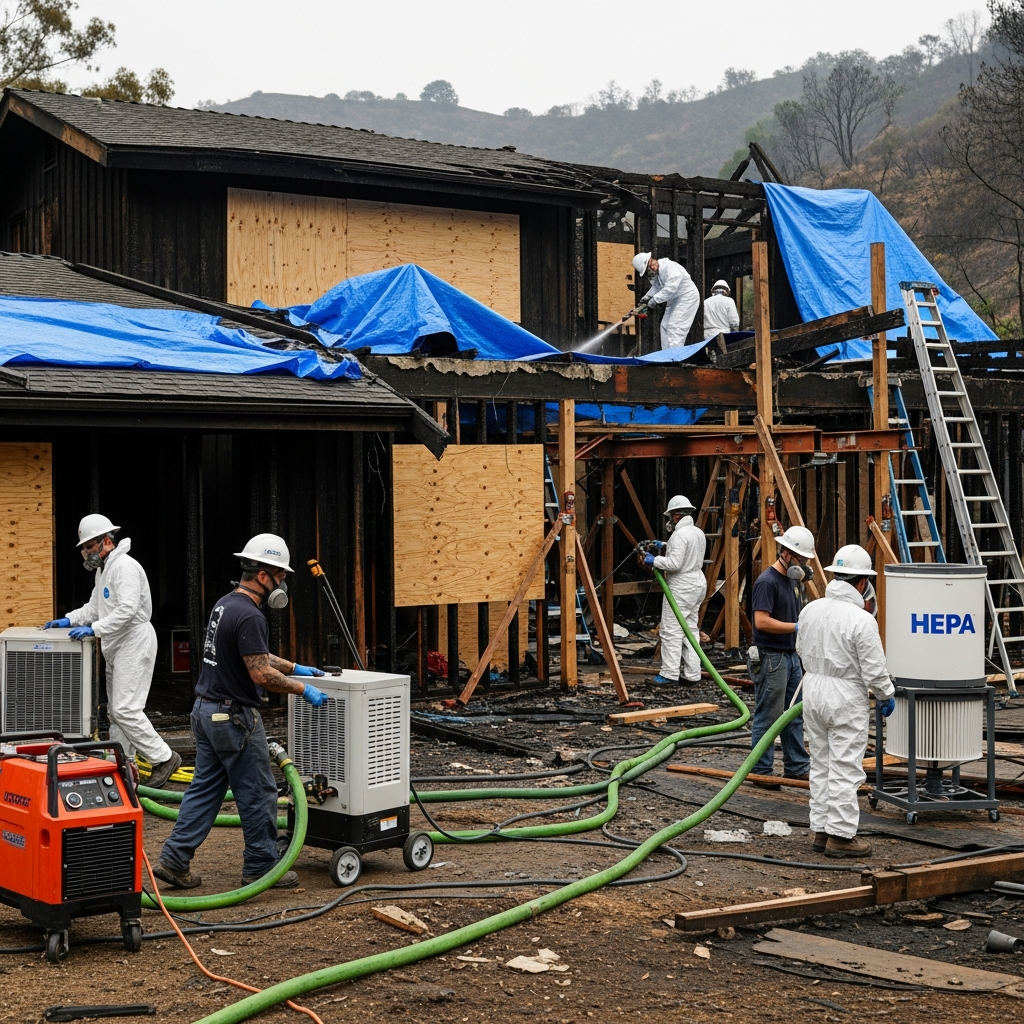
Excellence reveals itself in the first phone call and the first site visit. A strong company answers promptly, sets expectations about arrival, and shows up prepared. They’ll check for structural and electrical hazards, stabilize openings, and install air filtration quickly so that you can breathe safer while decisions are made. Those first hours matter because they shape everything that follows—capturing accurate readings, preventing secondary damage, and laying down protection for areas of the home that were spared.
In this early stage, you can sense the difference between teams that are rushing and teams that are composed. The best professionals move with purpose and explain each step. They protect walkways, deploy containment, and introduce a clear plan for the next 72 hours, all while treating your home like a place where people live, not a jobsite that exists only on paper.
Assessment That Digs Beneath the Surface
Soot and smoke are travelers. They navigate air currents and pressure changes, collect in cool spaces, and lodge in unexpected corners. High-quality assessment uses visual inspection plus tools like thermal imaging and moisture meters to find what the eye may miss. The team should test for cleanability before ripping things out, and they should be able to articulate why one room requires more intervention than another. In Malibu, where custom homes often include hidden cavities and built-ins, careful, targeted openings can save both time and treasured finishes.
Water mitigation is a parallel priority. Firefighting efforts may leave moisture inside cavities, and those pockets need to be located and dried with intention. Companies that take daily readings, adjust equipment, and document drying progress demonstrate a scientific mindset that translates to better outcomes.
Craftsmanship with a Conservation Mindset
Finding the best restoration partner means finding a team that respects materials. Instead of defaulting to demolition, they consider whether a finish can be cleaned and verified. They understand the chemistry of soot—its acidity, its tendency to etch certain surfaces, and the difference between protein residues and synthetic residues. They know when a dry approach is safer for delicate woods, when alkaline solutions are appropriate, and how to sequence cleaning so that loosened particles don’t resettle on newly cleaned areas.
Odor removal is part science, part patience. Skilled professionals remove residues first, then consider neutralization technologies thoughtfully. They don’t rely on fragrances or quick fogging that only mask the problem. Instead, they prepare spaces properly, control the environment, and verify the results so that when you return, you’re greeted by clean air, not cover scents.
Communication That Builds Trust
At every step, communication separates the best from the rest. You should expect regular updates, transparent notes about findings, and a realistic forecast of what’s next. The team lead should be accessible, interpret technical details, and walk you through options without pressure. In Malibu, where families are often juggling temporary housing and school or work arrangements, this kind of communication is not a luxury—it’s essential comfort.
Documentation is communication’s sibling. Photographs, measurement logs, and scope narratives create a shared understanding with insurers, engineers, and city officials. When everyone is working from the same picture, decisions move faster and with less friction.
Local Knowledge Matters in Malibu
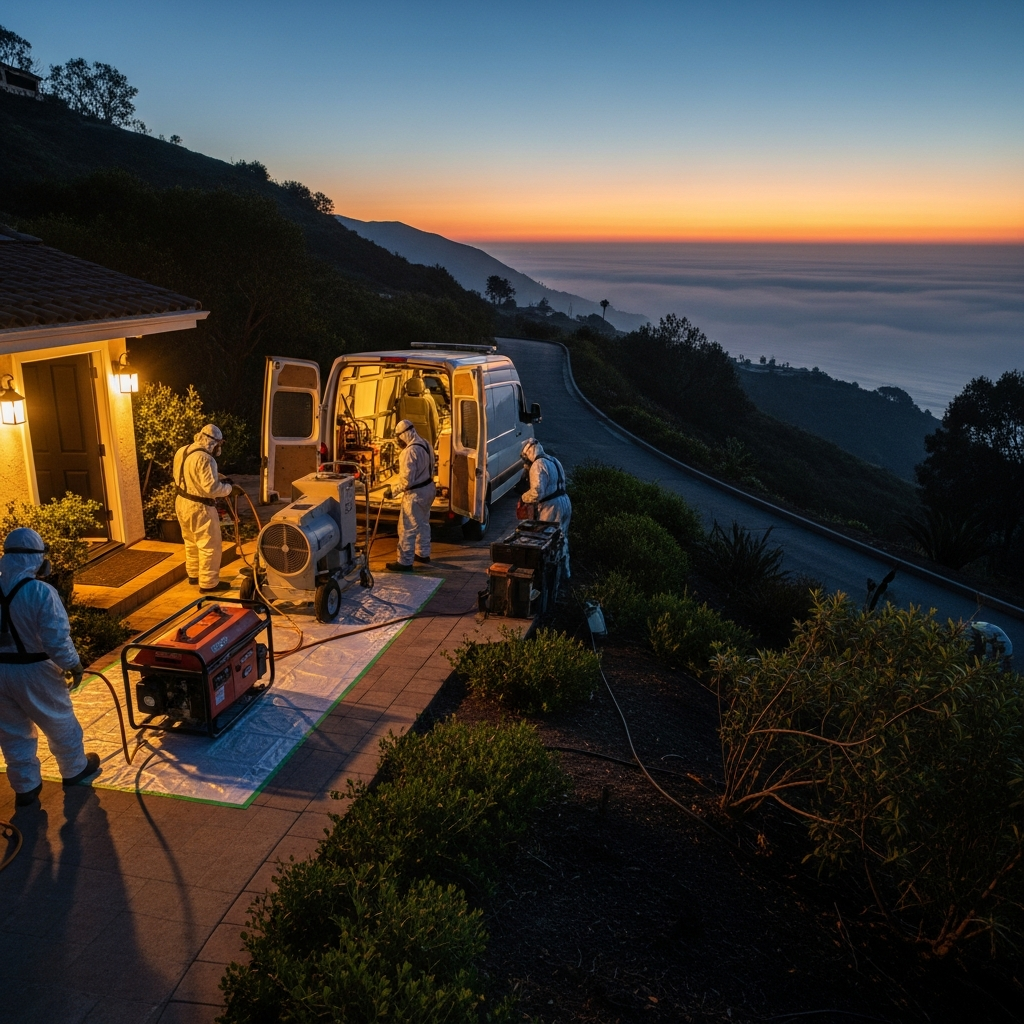
Malibu’s setting influences everything from access to material selection. Narrow roads and hillside driveways require safe staging and thoughtful scheduling. Coastal air can accelerate corrosion when soot is present, so timelines for cleaning and protective coatings matter. Drying targets may be influenced by daily temperature swings and marine layer patterns. A company that has built its practice here knows these nuances and plans accordingly, turning potential obstacles into manageable checkpoints.
Community references are especially valuable. In a place as connected as Malibu, word travels about who shows up, who keeps promises, and who leaves a site better than they found it each day. Ask to speak with past clients, and notice how a company responds to that request. Confidence backed by experience is easy to spot.
From Emergency to Rebuild: A Clear Path
The best restoration journey follows a sensible arc. Emergency work secures the structure and air quality. Mitigation focuses on cleaning, drying, and selective removal. Verification confirms progress. Then the rebuild reestablishes the home’s integrity and beauty, and resilience upgrades are considered to better prepare for future events. Even when unexpected conditions appear, this framework provides a steady rhythm. Your team should outline this path in terms that feel specific to your home, not generic to any home.
Halfway through the process, you should feel a shift: fewer unknowns, more predictability. A reliable partner keeps you oriented, notes any changes, and avoids surprises through early discussion. In moments of uncertainty, they return to first principles—safety, science, and respect—so decisions remain grounded even when the details are complex. If you need a mid-project gut check, it can help to revisit the fundamentals of professional fire damage restoration and confirm that each step is still aligned with your goals and the realities on site.
Quality You Can See and Feel
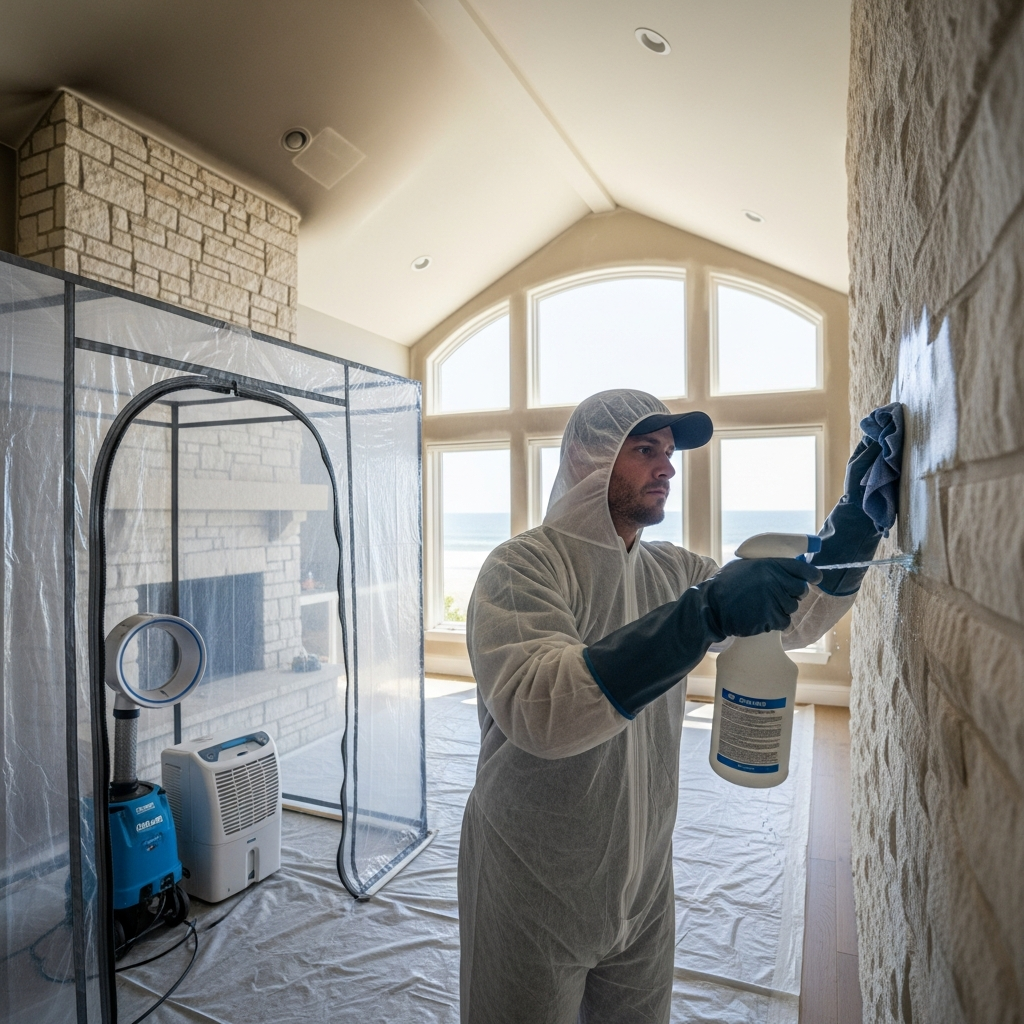
High standards are visible. You’ll notice clean, organized staging. You’ll see containment that holds, not flaps. You’ll hear air scrubbers and dehumidifiers set to purposeful levels, with readings posted and explained. You’ll observe a team that sweeps at day’s end, secures tools, and treats neighbors with courtesy. And you’ll sense a calm confidence from the crew lead, even when the work gets intricate. These are the tells of a company that takes pride in the craft and cares about your experience, not just the final inspection.
Build-back is where artistry and precision converge. Matching finishes, aligning grain in new millwork, reintegrating salvaged elements, and ensuring assemblies meet current codes without diminishing the original character—all of this takes patience and a refined eye. Malibu homes often blend contemporary details with natural materials; a stellar team bridges the two so the restored home feels cohesive and true.
Resilience for the Future
As the project turns toward completion, the conversation often shifts to resilience. Ember-resistant vents, defensible space, and thoughtful exterior materials can add layers of protection. The best companies don’t push; they educate, offering options that fit your home’s design and your comfort level. That way, the restoration isn’t just an end—it’s a forward-looking investment in peace of mind.
FAQ: Finding the Best in Malibu
How do I evaluate a restoration company quickly? Ask about response time, on-site leadership, documentation practices, and how they decide between cleaning and removal. A brief conversation about the first 72 hours should reveal their competence.
What should the initial assessment include?
Safety checks, moisture mapping, smoke and soot tracing, and a plan for air filtration. You should leave the first visit with both immediate actions and a roadmap for the next steps.
How can I be sure odor will be resolved?
Demand a source-first approach. Residues must be removed or neutralized, and cavities addressed. Technologies like hydroxyl or ozone are tools, not shortcuts; they work best when used appropriately after cleaning.
Do I need local experience on my team?
Yes. Malibu’s terrain, coastal conditions, and permitting norms reward local familiarity. A team that already knows the patterns and players will save you time and reduce stress.
What does great communication look like during restoration?
Regular updates, clear documentation, accessible leadership, and honest timelines. You should understand what’s happening and why, without feeling overwhelmed by jargon.
Moving Forward with Confidence
If you’re ready to speak with a trusted local partner and chart your way back to normal, connect with seasoned professionals who specialize in fire damage restoration. The right guidance today becomes tomorrow’s comfort, and Malibu’s best work always begins with a steady, informed first step.