When the flames are out and the night is quiet again, a different journey begins. In Malibu, that journey comes with salt in the air, stars over the canyons, and a home that needs calm, careful attention. The hours and days after a house fire are about more than cleaning; they’re about restoring a sense of place. Whether your home sits above the Pacific or along a winding canyon road, knowing what the restoration path looks like helps you make clear decisions and find steady ground. This guide walks you through what happens next, from the first stabilization steps to the last coat of paint, with a focus on Malibu’s unique climate, terrain, and design touches—and how to find the right partner in fire damage restoration.
Every recovery begins with safety and a measured assessment. The job is to understand what the fire touched directly and where smoke and water traveled after. Malibu homes vary widely—plaster over board-and-batten, exposed beams, sliding walls of glass—and those choices influence the cleaning and repair techniques that follow. There’s no universal template. Instead, the plan aligns with how your home is built and how it breathes in the coastal air.
The First Day: Stabilize, Protect, and Breathe
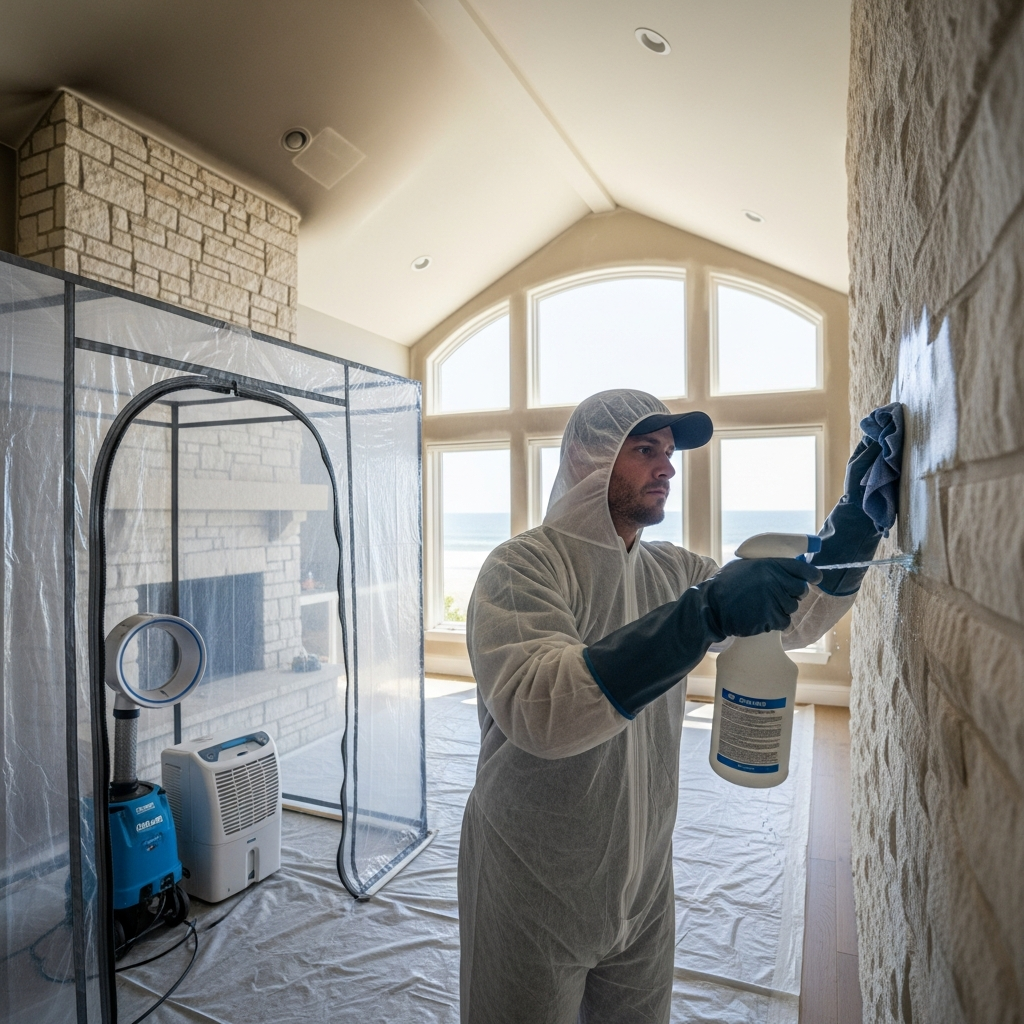
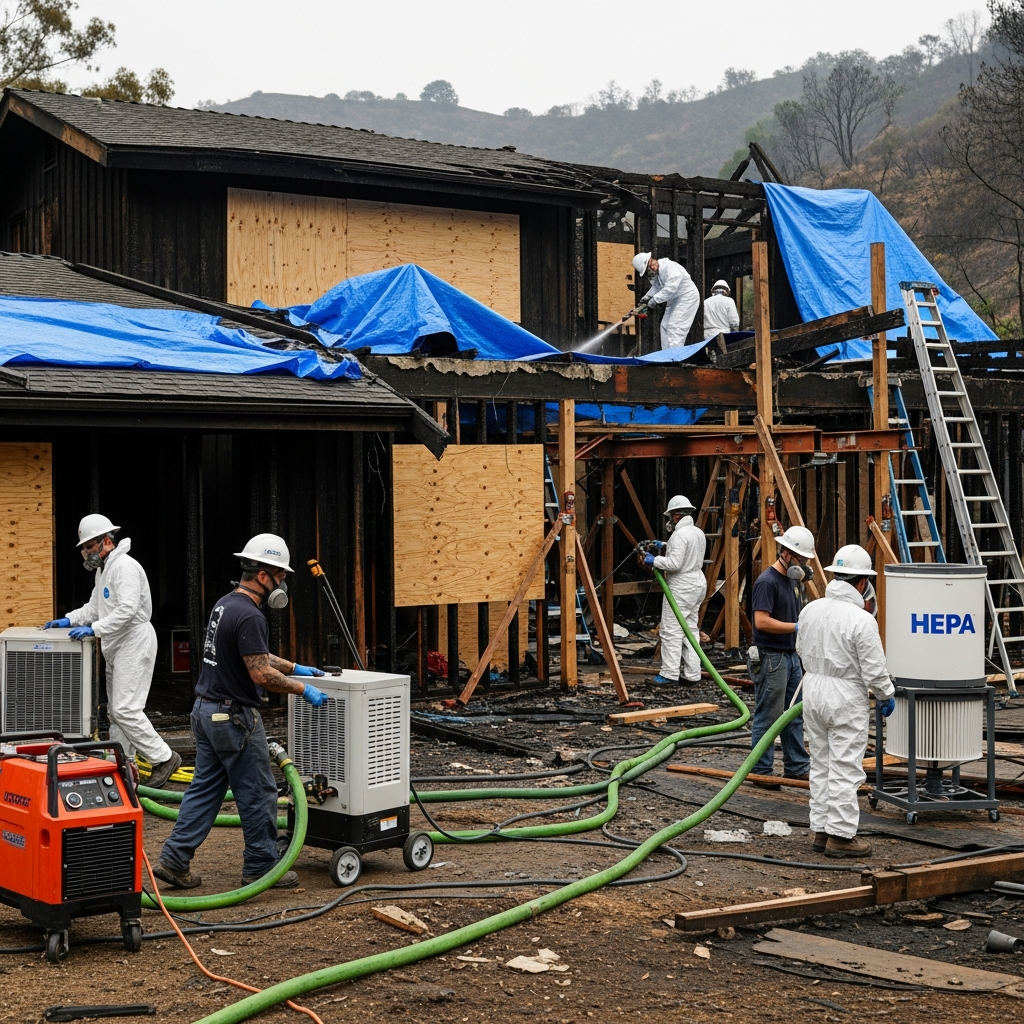
The first moves are practical. Board-up services secure any openings to keep weather and wildlife out. If water was used to extinguish flames, extraction and moisture mapping begin right away. HEPA air scrubbers cycle the air, capturing fine particulates and easing the acrid edge that lingers after a burn. Containment—plastic sheeting and zipper doors—separates affected rooms from safer areas so life can continue with a measure of normalcy.
In Malibu, where marine layers roll in and afternoon winds rise, ventilation is handled with care. Open windows are not always the answer; they can invite moisture that reactivates residues. Early odor control focuses on source removal and filtration, laying groundwork for the deeper deodorization that comes after detailed cleaning.
Mapping Damage the Malibu Way
Next comes a thoughtful evaluation. Inspectors trace smoke patterns, check attics and crawl spaces, and note how soot settled on cooler surfaces—behind cabinet doors, within closet corners, and in the teeth of window tracks that face the breeze. Materials are documented: natural stone, custom plaster, engineered flooring, and the occasional salvaged beam with history etched in its grain. The plan reflects these specifics so methods match materials, preserving the home’s spirit.
Water migration gets equal attention. Moisture meters and thermal cameras reveal damp pockets that the eye can’t see, guiding dehumidifiers and airflow so drying happens in a controlled, verifiable way. In our coastal climate, that balance matters; rushing may warp wood, while delay invites secondary damage. The right pace is patient but steady.
Cleaning: The Craft Behind the Science
Detailed cleaning begins once the home is stable. Crews work top-down, using HEPA vacuums to capture loose soot, then applying cleaning products matched to residue type. Dry soot responds to gentle, particulate-focused methods; protein residues from a kitchen incident may require more nuanced chemistry. Sample cleaning on inconspicuous areas protects finishes before broad application. The art lies in feeling when a surface is truly clean, not simply wiped.
Malibu homes often feature plaster walls that hold character and woodwork that carries warmth. Where smoke penetrated raw wood, cleaning is paired with odor neutralization and, when appropriate, encapsulating primers that lock in stubborn residues. Stone may need poulticing to draw out stains, and glass benefits from treatments that remove fine films salt air can exaggerate. The result is a layered, room-by-room process that respects each surface.
Odor Neutralization Done Right
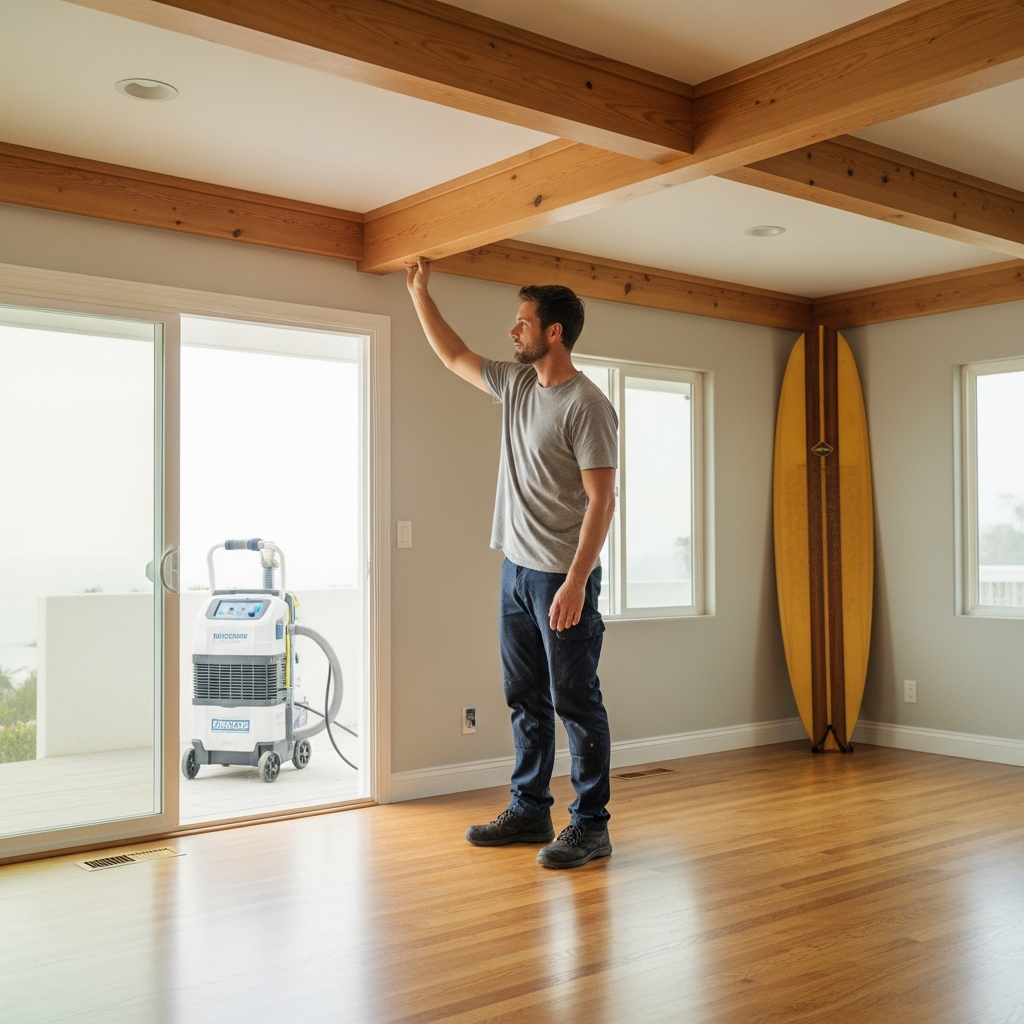
Odors fade fastest when the source is gone. After thorough cleaning, deodorization may include hydroxyl treatment or thermal fogging, selected based on the home’s layout and ventilation patterns. Malibu’s humidity swings inform the schedule; checks happen during warm, dry periods and cooler, moist mornings to ensure odors don’t return under changing conditions. Success isn’t a single moment—it’s a stable, comfortable indoor environment that stays consistent as the day turns.
Homeowners often notice a turning point when a favorite room feels itself again. That’s when restoration shifts from removing what doesn’t belong to rebuilding what does—textures, colors, and familiar light without the reminders of smoke and ash.
HVAC and the Hidden Highways
Mechanical systems are inspected and addressed to prevent recontamination. Returns, registers, and filters can carry soot even when the system was off. Some Malibu homes mix mini-splits and central air; both need attention. Duct cleaning, filter upgrades within manufacturer recommendations, and coil checks ensure that once rooms are clean, the air keeps them that way. This step is invisible but pivotal; skipping it risks odors resurfacing the first time the system cycles.
Smart-home gear and entertainment systems also get a careful look. Salt air plus soot can threaten delicate electronics. Stabilizing actions—gentle cleaning with approved methods, humidity control, and protective measures—help preserve function until specialists can assess performance.
Repair Planning and Permitting
Once cleaning and odor control have set the stage, repairs bring the space back to form. Malibu’s permitting path protects homeowners and environment alike. Structural repairs, window replacements, and exterior work often require review. Code upgrades are common in wildfire-prone coastal zones—ember-resistant vents, certain roofing details, and energy standards. Planning these elements early keeps the project efficient and ensures the finished home is both familiar and fortified.
Repair choices balance fidelity to the original design with opportunities for resilience. Maybe a plaster skim coat evens a wall that saw heat, or a flooring transition improves durability near a sunlit slider. The goal is a space that looks and feels right, aligned with how the home is used day to day.
Contents Care: Saving What Tells Your Story
Belongings carry memory. Emergency teams triage items for early attention—heirloom textiles, artwork, and instruments—then organize a thoughtful plan for the rest. Some pieces can be treated on-site; others are packed out for specialized care. Documentation accompanies each move so that items return home in rhythm with room handovers. Malibu’s blend of surf gear, coastal décor, and personal mementos means contents specialists bring both technical skill and sensitivity to what matters most.
Electronics and fine finishes demand a light touch. Where corrosion risk exists, early stabilization can extend life even if full evaluation comes later. The aim is to protect options: save what can be saved, clarify what should be replaced, and do both with empathy.
Living Through Restoration
Many Malibu families remain at home during the process. Clear walkways, daily housekeeping of work areas, and staging that respects routines transform a big project into manageable days. Communication anchors the experience: which rooms are in progress, what tomorrow brings, and when a space will be handed back. These touchpoints keep momentum without rushing. When a child’s bedroom or the family kitchen is prioritized, the home starts to feel like itself long before the final walkthrough.
There is comfort in milestones: containment set, air clear, moisture stabilized, rooms cleaned, odors gone, repairs underway. Watching spaces return to service reminds everyone that restoration is a forward motion—measured, yes, but sure.
Resilience and Malibu’s Climate
As repairs wrap, conversations often turn to the future. Malibu’s weather invites windows open and evenings on the deck, but it also brings salt, sun, and seasonal winds. Some owners choose to incorporate resilient touches: ember-resistant attic vents, well-sealed penetrations, and landscaping that favors defensible space near structures. These aren’t about changing how the home feels; they’re about protecting how it feels by reducing vulnerabilities.
Ventilation strategies deserve a special mention. Good indoor air quality after restoration is about balance—fresh air without moisture spikes, filtration that suits the system, and habits that keep dust and sea spray from settling where they shouldn’t. The result is less housekeeping, fewer odor surprises, and a home that stays comfortable as seasons shift.
Neighbors, Community, and the Pace of Healing
In Malibu, neighbors look out for each other. You’ll find offers of guest rooms, spare refrigerators, and helping hands. Restoration teams often coordinate schedules to minimize impact on shared driveways and quiet streets, keeping the community’s calm intact. There’s something grounding about this cooperation; it reminds us that home is larger than the four walls being cleaned and repaired.
Kids notice the changes, too. Involving them in small victories—choosing a new paint color for a room, helping unpack a freshly cleaned bookshelf—can make the process less intimidating. Little rituals returning are powerful signals that the house is becoming a home again.
What to Expect From Your Team
The best restoration partners bring equal measures of expertise and empathy. They explain the sequence clearly, test before committing to methods, and adapt as the building speaks. They’ll show you how each step protects the next—from controlled drying that prevents secondary damage to HVAC cleaning that locks in fresh results. You should feel both informed and cared for, free to focus on family while the work advances.
Look for signs of professionalism: consistent documentation with photos and notes, clean containment lines, daily updates, and respect for your routines. These habits translate directly into a smoother project and a result that feels right long after crews have gone.
Frequently Asked Questions
Can I remain in my home during restoration?
Often, yes. With strategic containment, filtration, and sequencing, many families stay in place. Safety, air quality, and comfort guide the decision, with sleeping spaces and kitchens prioritized early.
How long until the smoke smell is gone?
Odor reduction begins quickly with source removal and air filtration, then stabilizes after detailed cleaning and deodorization. Verification under different humidity and temperature conditions ensures results hold as days change.
What happens to my belongings?
Contents are inventoried, photographed, and triaged. Some items are cleaned on-site; others go to a secure facility for specialized care. Documentation ensures everything returns to the right place on schedule.
Do HVAC systems always need attention?
Yes, in some form. Even inactive systems can draw particulates. Addressing returns, ducts, filters, and coils prevents recontamination and supports lasting comfort once rooms are finished.
How are Malibu’s climate and terrain considered?
Plans account for marine moisture, salt air, canyon winds, and hillside access. Equipment staging, ventilation decisions, and corrosion control are tailored to these local variables.
What if hidden soot appears mid-project?
The plan adapts with expanded containment and revised cleaning methods. Clear documentation explains changes so the sequence remains orderly and focused on long-term results.
If you’re ready to turn the page from uncertainty to steady progress, connect with a team that knows Malibu’s climate, terrain, and architecture—and treats your home with the same care you would. Begin your recovery today by exploring professional fire damage restoration support that brings clarity, craftsmanship, and calm to every step, so your home returns to comfort with confidence.