When a wildfire or home fire sweeps through a Malibu neighborhood, the first hours afterward feel surreal. The ocean breeze that usually carries salt and sun across the canyons can instead push the scent of smoke right through open eaves and along hillside foundations. In those early moments, Malibu homeowners need clear direction, steady hands, and a plan that puts safety first while preserving what can be saved. That is where seasoned local teams trained in fire damage restoration step in, moving decisively to stabilize structures, protect belongings, and begin the meticulous process of recovery that accounts for our city’s unique coastal and canyon conditions.
Having guided families through past fire seasons—from fast-moving Santa Ana events to isolated kitchen and chimney incidents—I’ve learned that emergency response is not just about speed; it is about precision framed by deep local knowledge. The kind of soot that settles after chaparral burns in the Santa Monicas is not the same as the residue you see after a small appliance flare-up. Malibu’s microclimates, with their fog-laden mornings and dry afternoon winds, change how smoke behaves, how water evaporates after firefighting, and how materials respond. The right response respects that complexity and adapts to it, day by day and room by room.
First Priorities: Safety, Stabilization, and Clear Air
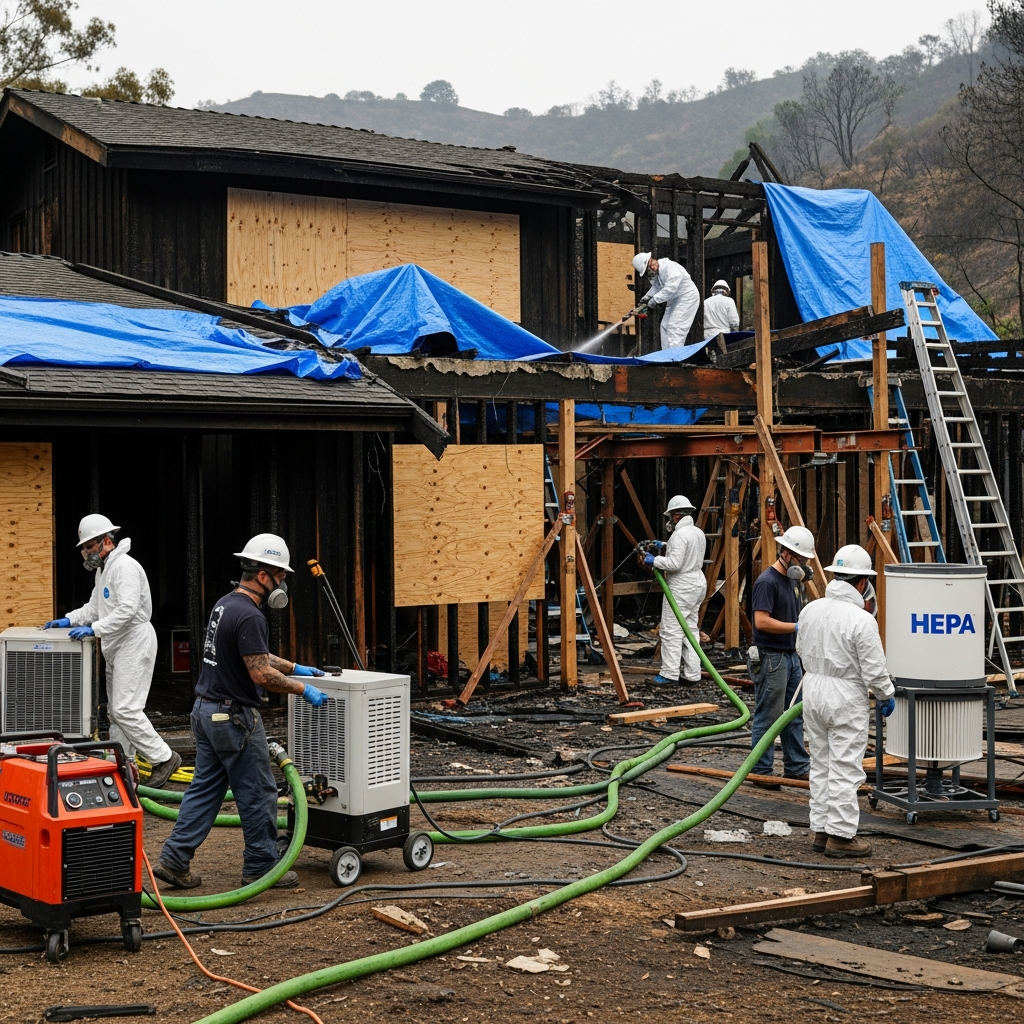
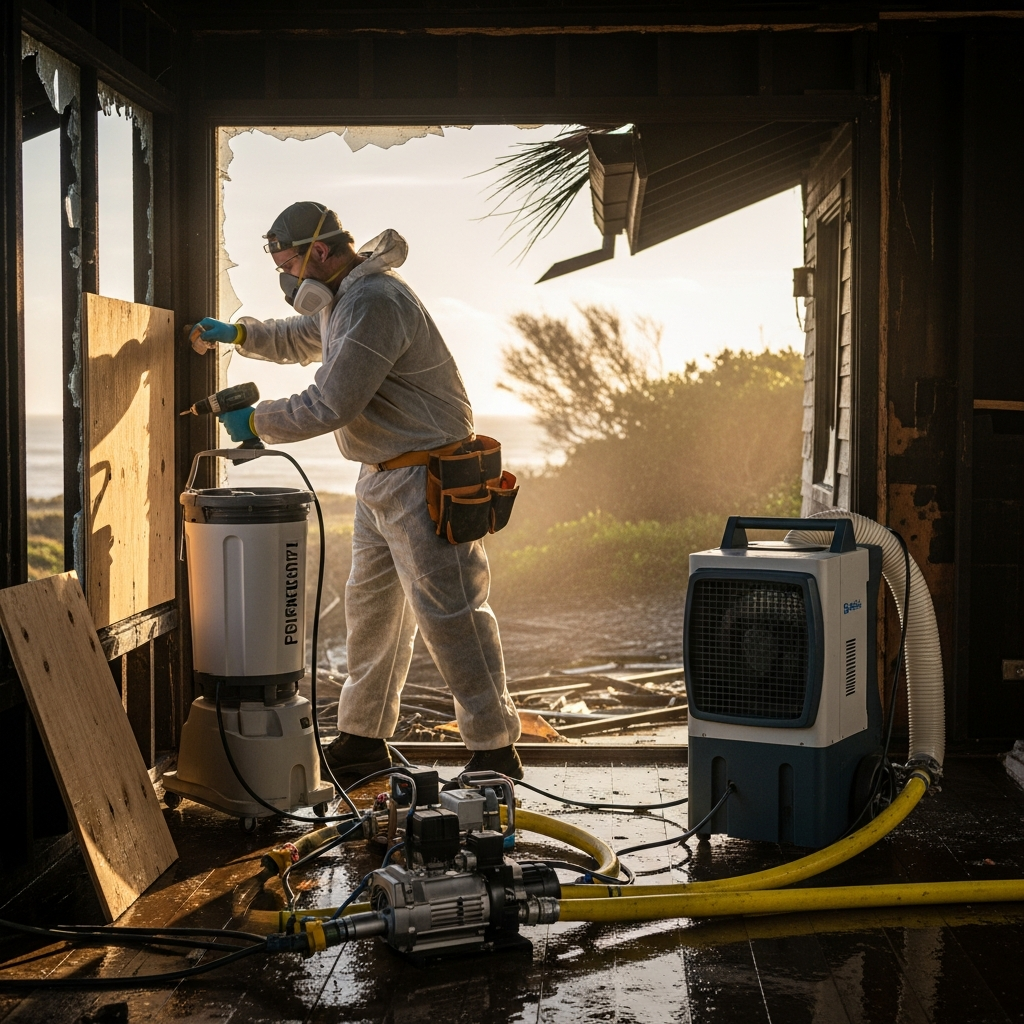
Emergency restoration begins with safety. Crews start with a careful structural check, watching for compromised beams, spalled concrete at hillside piers, and roof trusses that may have been scorched from below. Power and gas are verified and secured in coordination with utility providers, because live lines or damaged meters can linger as unseen hazards. Once safety is established, immediate stabilization follows: board-ups for broken windows, temporary doors where embers or suppression efforts forced entry, and roof tarps secured to withstand canyon gusts and the salt-heavy breezes that accelerate corrosion on exposed fasteners.
Just as important is the air you breathe. In Malibu, smoke and ocean air mingle; this can push acidic particulates deeper into textiles and soft finishes. High-efficiency air scrubbers with appropriate filtration are deployed to reduce particulates quickly, while technicians monitor indoor air levels. Removing airborne soot early can prevent residues from settling again and again on freshly cleaned surfaces, a common issue in homes that remain open to coastal drafts.
Water From Firefighting: Hidden Damage in a Coastal Climate
Even when flames stay outside, water often finds its way in. Firefighting efforts can saturate walls, floors, and crawl spaces, and Malibu’s changing humidity can mask what is happening behind the paint. Rapid extraction and targeted drying are crucial. Professionals will lift baseboards with care, tap into wall cavities as needed, and use moisture meters and thermal cameras to map where water traveled. In many canyon homes, water can run downhill inside concealed chases or between levels. Drying plans are built to match these pathways, preserving structural elements whenever possible and opening only what must be accessed to stop secondary damage like swelling, warping, or microbial growth.
Drying in Malibu has one more twist: that coastal air. While the breeze may feel cool, it can carry enough moisture to complicate evaporation. Skilled technicians choose dehumidification strategies that work with ambient conditions, not against them, balancing airflow and temperature so materials release moisture without cracking or cup-warping. It is a quiet, disciplined process that protects finishes in homes where limestone, wide-plank oak, custom cabinetry, and hand-troweled plaster are common.
Understanding Soot: What Burned Shapes the Cleanup
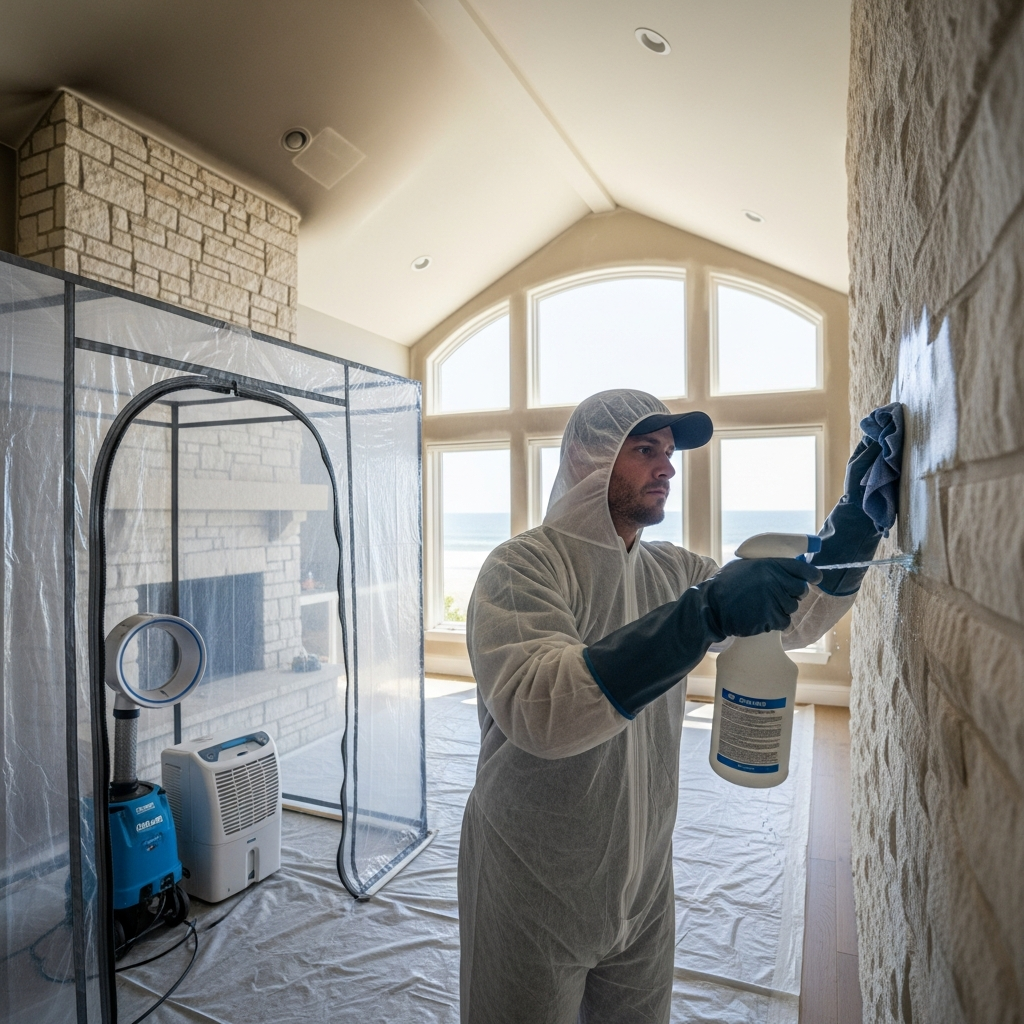
Soot is not one thing. Protein-based smoke from a kitchen event leaves an oily film that can be nearly invisible yet pungent, while natural vegetation fires produce dry, powdery carbon that travels far on the wind, often reaching rooftop solariums, clerestory windows, and filter returns. Synthetic materials add another layer, with residues that smear and etch if handled with the wrong product. Malibu’s mix of indoor-outdoor living means soot may settle evenly across spaces, from patio doors to art niches. The right approach identifies residue types room by room and matches removal methods accordingly, using dry sponges, targeted detergents, or specialized alkaline cleaners that protect stone, metal, and glass.
Odor control goes hand in hand with residue removal. It is not enough to “cover” a smell. The goal is to neutralize it at the source. After source removal and cleaning, advanced deodorization methods step in—hydroxyl generators are commonly used in occupied environments because they work continuously without harsh re-entry restrictions. HVAC systems receive careful attention, too, because ductwork in Malibu homes often snakes through attics with extensive insulation that can trap odor long after surfaces sparkle. Filters are replaced, registers are cleaned, and returns are checked to prevent re-contamination.
Contents: What to Keep, What to Move, and How to Protect It
In the rush of an emergency, it is easy to focus only on walls and floors. Yet contents—rugs, clothing, books, instruments, and keepsakes—carry immeasurable value. A well-trained team will walk room by room with you to sort what can stay in place for on-site cleaning and what requires a careful pack-out. Each piece is cataloged, photographed, and wrapped for transport to a secure, climate-appropriate facility. In Malibu, that means paying attention to salt and humidity as well as soot. Electronics receive extra care because corrosion can progress from a faint haze on contacts to full failure if not addressed quickly.
Textiles often respond well to specialized smoke treatment that removes odor without damaging fibers. Leather and wood items can be cleaned and reconditioned, while porous items like certain foams may be better replaced. The point is not to rush decisions but to make them with the right information in hand, so you retain what matters and avoid prolonging the presence of smoke residue in your living spaces.
Documentation That Puts You in Control
Every emergency project benefits from documentation that is both thorough and understandable. From the first stabilization steps to the last HEPA pass, photographs, notes, moisture logs, and material data guide the work and help you move forward with your insurance claim. When your home has complex finishes—think hand-painted tile from a Point Dume remodel or custom millwork in a Serra Retreat study—documentation makes the restoration plan clear, aligning expectations among the homeowner, contractor, and adjuster. It also supports like-for-like replacement where appropriate, and it ensures that decisions about cleaning versus replacement are grounded in observable conditions, not guesswork.
Local Realities: Access, Terrain, and Permitting in Malibu
Emergency teams familiar with Malibu anticipate the practical hurdles that can delay help. Narrow canyon roads, soft shoulders after winter rains, and temporary closures can slow or block standard trucks. Crews that work here routinely stage equipment at the highway, use lighter vehicles for the last mile, and coordinate with neighbors and authorities to keep access clear. When structural concerns trigger interim repairs or require permits for temporary shoring, local experience means fewer surprises at the counter and more accurate timelines for inspections and approvals.
Environmental sensitivity is another hallmark of responsible emergency work. Debris management must protect waterways and the shoreline. Ash and wet materials are handled with care so they do not migrate into storm drains or onto shared trails. The best providers respect not just your home but the landscape around it, restoring order without compounding the damage beyond your property line.
Where the Middle of the Job Matters Most
After the first flurry of activity, emergency restoration moves into a steady rhythm of cleaning, drying, deodorizing, and selective removal for areas that cannot be saved. This is the moment when consistency shines. Detailed daily plans, quality checks, and clear communication prevent drift and keep progress measurable. If your timeline involves coordinating with a designer or builder for the repair phase, this is when collaboration begins, ensuring surfaces are prepared precisely for what comes next. Effective teams keep you informed and make mid-course adjustments without losing sight of stabilization goals—a hallmark of comprehensive fire damage restoration tailored to Malibu’s demands.
From Stabilization to Repair: Preparing for the Rebuild
Emergency work concludes when the environment is safe, clean, dry, and ready for repair. In practice, that might mean removed lower wall sections neatly terminated at a level line, subfloors dry and documented, and appliances uninstalled and stored for protection. A well-orchestrated handoff to the repair team shortens the overall recovery time. When the same provider manages both phases, scheduling efficiencies multiply, but even when a separate contractor steps in, a robust emergency plan paves the way for a smoother rebuild.
Resilience: Learning From the Fire
Few Malibu families emerge from a fire without rethinking materials, ventilation, and defensible space. Emergency restoration is an opportunity to plan for resilience, from ember-resistant vents to non-combustible exterior cladding near vulnerable eaves. Inside, improved filtration and zoning can keep air cleaner during future smoke events. While those upgrades belong to the repair phase, documenting the home’s performance during the emergency helps you and your team make smart choices for the rebuild.
Frequently Asked Questions
How quickly should emergency work begin after a fire?
As soon as authorities allow safe re-entry, stabilization should start. Early action limits secondary damage from smoke, soot, and water. In Malibu, quick board-up and moisture control are especially important because ocean air can accelerate corrosion and humidity can slow natural drying.
Is it safe to stay in the home during emergency restoration?
That depends on structural safety and air quality. Many projects allow partial occupancy once hazards are addressed and air scrubbers are running, but some situations call for temporary relocation. Your restoration team will assess risks room by room and offer practical guidance.
What items are typically prioritized for pack-out?
High-value, high-sentiment, and high-risk items go first: important documents, electronics, heirlooms, fine textiles, and artwork. Quick attention to these items reduces the chance of corrosion, staining, or embedded odor that becomes difficult to reverse.
Will the smoke smell ever truly go away?
Yes, when source materials are removed or cleaned correctly and deodorization is applied methodically. Lingering odor usually signals a missed source, contaminated HVAC, or trapped residue in porous materials. A careful, layered approach resolves these issues.
How long does the emergency phase usually take?
Duration varies with the extent of the damage. Some homes stabilize in a few days; others require weeks of controlled drying and phased cleaning. In Malibu, access and weather can influence timing, but consistent daily progress is the benchmark.
Can I clean soot myself?
Light powdery soot on a small area may wipe away with dry methods, but oily or protein-based residues can smear and set with the wrong technique. If in doubt, wait for guidance so you do not lock stains into finishes or push odor deeper into fibers.
How does insurance fit into emergency restoration?
Most policies include coverage for mitigation after a covered fire. Documentation is essential, including photographs, moisture readings, and itemized actions. Your restoration team should help organize these materials so you can move confidently through the claim process.
If you are reading this in the uneasy calm after a fire, know that you do not have to navigate the next steps alone. Call a trusted local team that understands Malibu’s terrain, climate, and building styles, and ask for immediate stabilization, air quality control, and a clear, written plan. The right partner will protect what matters now and set you up for a smooth transition into repair. When you are ready to begin, reach out for expert fire damage restoration support that is tailored to Malibu and available when you need it most.