When a fire event touches a Malibu property, the first hours set the tone for everything that follows. The ocean can be calm, the night cool, and yet the home’s interior carries warmth, moisture, and a haze of smoke that wants to settle into every fiber. In these early moments, decisive, well-sequenced actions protect both structure and belongings. Knowing how emergency services unfold—what responders focus on, how the home is stabilized, and which steps guard against secondary damage—helps you breathe a little easier. This is a practical look at what immediate, professional fire damage restoration services look like in Malibu, from the canyons to the coast.
Malibu’s geography adds complexity. Hillside access narrows, coastal moisture returns at dawn, and winds can stir fine ash long after embers are out. Emergency restoration meets these variables head on. The goal is not only to make the property safe but to set up the next phases—cleaning, deodorizing, and repairing—for success. An experienced team arrives with a plan for air quality, moisture control, and property protection, ready to adapt as the building reveals what it needs.
Life Safety and Site Control
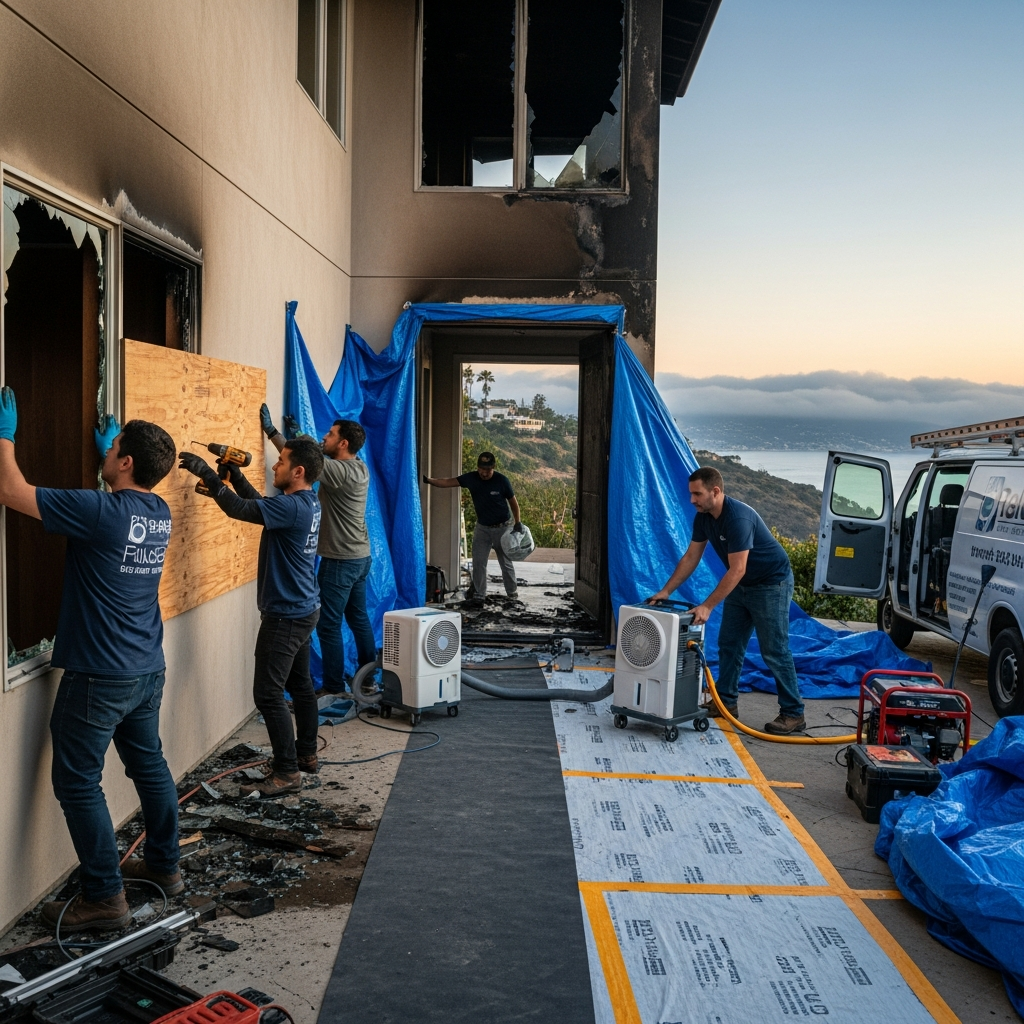
Upon arrival, the first priority is confirming safety: utilities are checked, structural hazards identified, and hazardous areas cordoned off. If windows or doors are compromised, board-up services secure the perimeter to keep the elements and curious wildlife at bay. Malibu’s settings—from bluff-top homes to canyon retreats—demand thoughtful staging to protect landscaping, steep driveways, and neighboring properties as equipment is set up.
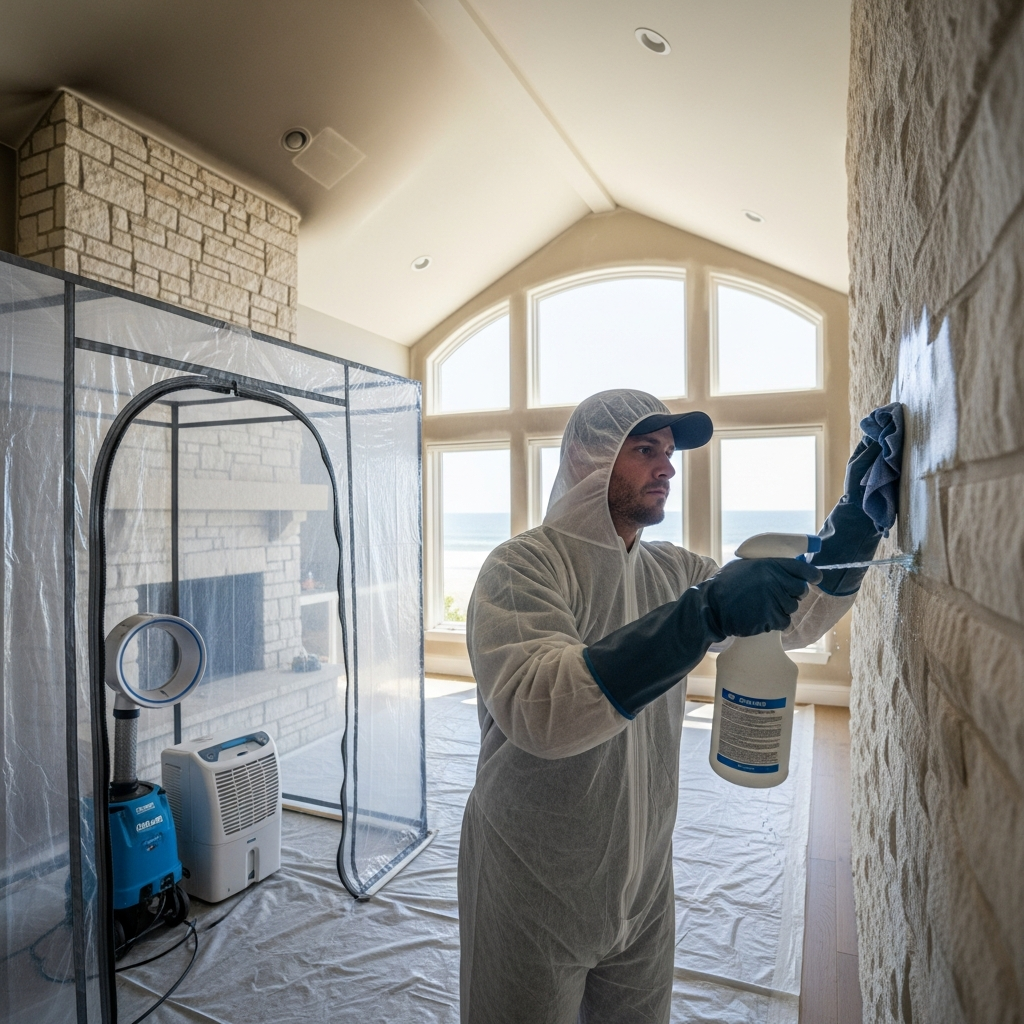
With the site stabilized, crews establish a clear path of travel within the home. Protective coverings go down to shield flooring, and containment is erected to keep unaffected areas clean. This early discipline pays dividends: it limits cross-contamination and keeps living spaces as comfortable as possible in the days ahead.
Air Quality Comes First
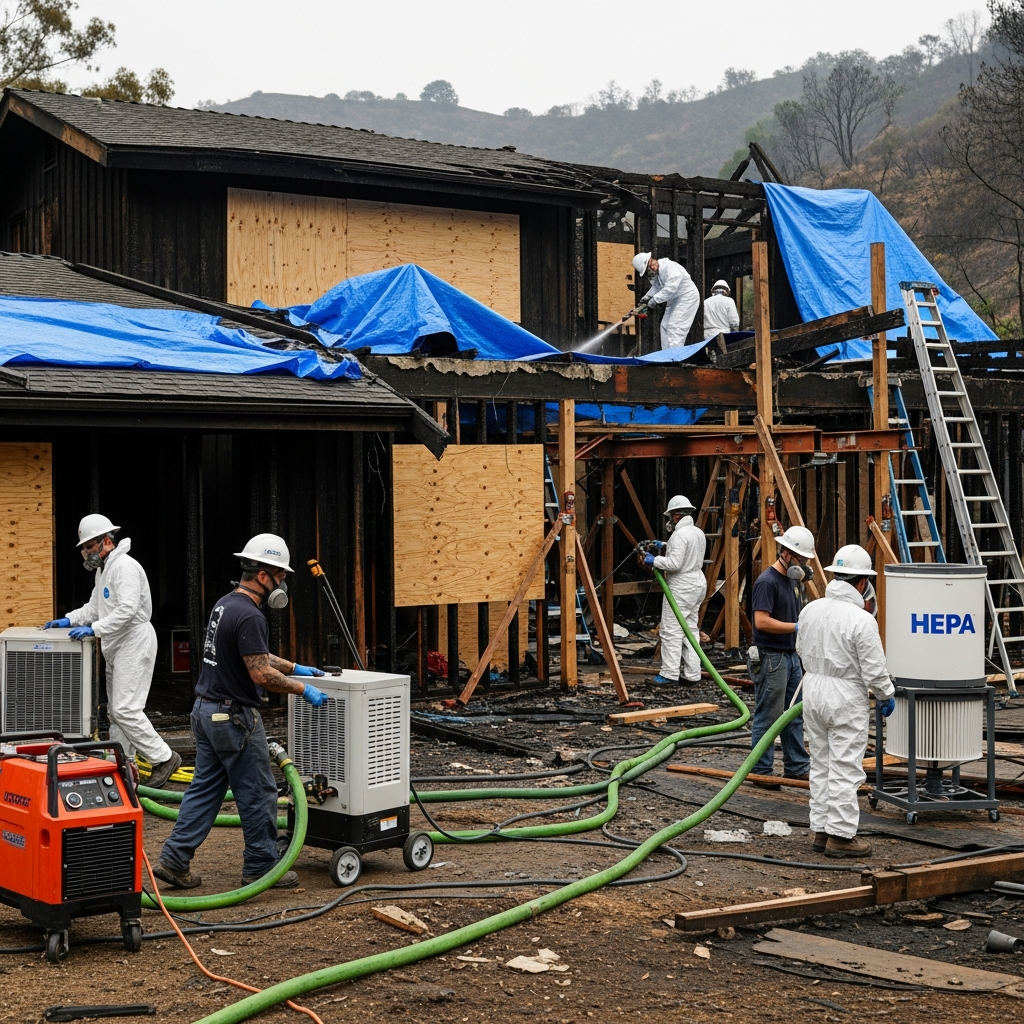
Smoke particulates can linger in the air well after flames are out. HEPA air scrubbers and negative air setups begin filtering immediately. In Malibu, ventilation strategies account for both ocean moisture and canyon winds; open windows can help in the right conditions but can also rehydrate residues if fog rolls in. The team balances these dynamics so that the air becomes safer before any detailed cleaning begins.
Early odor control focuses on source removal and containment. While long-term deodorization comes later, controlling airborne particulates in the first hours has a noticeable effect on comfort. Many homeowners feel the difference by the first morning, especially if sleeping areas are isolated and filtered effectively.
Water Removal and Drying Strategy
Where firefighting water entered the home, extraction begins quickly. Moisture mapping guides dehumidifiers and targeted dry-out in walls, ceilings, and floors. Malibu’s marine layer can complicate drying, so crews often run cycles that coordinate interior temperatures, airflow, and humidity. The aim is a controlled, verified descent toward dry standards, preventing swelling, staining, and microbial concerns.
Sometimes the best emergency move is restraint—opening small, strategic areas rather than removing broad sections of material. Targeted access points allow for air movement and inspection without over-demolition. Decisions are made with a long view, ensuring the next day’s cleaning and the following week’s repairs will proceed without costly detours.
Protecting Contents and Heirlooms
Emergency services include contents triage. High-value or sentimental items receive immediate attention. Textiles are bagged to prevent cross-contamination; delicate pieces are moved to clean zones or packed out for specialized care. Malibu homeowners often keep surfboards, instruments, and artwork that require specific handling. Early corrosion control for metal surfaces and electronics is essential near the coast, where salt air teams up with soot to accelerate deterioration.
Documentation accompanies every move: photos, inventory notes, and condition reports. This record not only supports insurance coordination but ensures that items return to the right rooms at the right time, aligning with the overall restoration sequence.
Stabilizing the Structure
Where framing is exposed or charred, stabilization may include temporary shoring, sealing off unsafe zones, and planning for later structural evaluation. Fire-affected attics and roof penetrations receive close attention. Quick tarping prevents marine moisture from entering and keeps ash from migrating when afternoon winds pick up. The guiding principle is simple: preserve options. The better the stabilization, the more of the original structure and finish can be saved in the cleaning phase.
On complex sites, a brief huddle brings the plan into focus: which rooms to hand back first, where to establish clean pathways for the family, and how to stage equipment to minimize impact on neighbors and sensitive landscapes. Clear communication in these moments sets an expectation of order in what can feel like chaos.
Preparing for Detailed Cleaning and Deodorization
Emergency work lays groundwork for the next chapters. With air filtering, moisture control, and containment in place, crews schedule sample cleaning to determine which products and methods will work best on your finishes. Malibu homes often feature plaster, natural stone, and custom millwork that demand tailored approaches. Early testing protects these materials and prevents rework.
Odor strategies begin developing in parallel. The best results come from sequencing: source removal leads to cleaning, which leads to deodorization, and only then, if needed, to encapsulation on raw wood or structural surfaces. This layered plan anticipates Malibu’s humidity cycles so odors don’t surge back when the marine layer arrives at dawn.
HVAC Considerations on Day One
Mechanical systems are checked early, even if they were off during the event. Returns and supply registers can be pathways for soot, and filters may require immediate attention. Planning for duct cleaning and system verification helps ensure that finished rooms won’t be recontaminated the moment the air conditioning or heat is switched back on.
Electronics and smart-home components receive a cautious evaluation. Where corrosion risk is high, stabilization includes gentle, approved cleaning and protective measures until specialists can assess functionality. Taking these steps early can extend the life of systems that appear unscathed but are quietly vulnerable.
Coordination With Malibu’s Terrain and Community
Emergency services in Malibu respect neighbors and nature. Equipment is staged to avoid blocking narrow roads, and crews communicate schedules to reduce noise impacts at sensitive times. Erosion control may be considered where slopes are disturbed, anticipating rainy periods after a burn. This local mindset preserves the character of the property and keeps the focus on a safe, respectful recovery.
For multi-structure properties—guesthouses, garages, studios—crews establish priorities that consider living needs and the flow of work. It often makes sense to return one space to service quickly while deeper cleaning continues elsewhere. This strategy keeps households stable while the broader project advances.
Maintaining Momentum Through the First Week
As the initial days pass, the emergency phase blends into detailed cleaning and early repairs. Communication becomes the thread that holds everything together. Homeowners should expect daily touchpoints: what was accomplished, what’s planned for tomorrow, and which rooms are moving toward handoff. In Malibu’s variable weather, flexibility remains key; schedules may shift to take advantage of warm, dry afternoons optimal for odor checks.
Progress is measured in milestones rather than dates: ash contained, air clear, moisture levels dropping, soot removal verified, odors receding. Each milestone signals that the next step will build on a firm foundation, not chase problems from room to room.
Frequently Asked Questions
What should I do before emergency crews arrive?
Ensure everyone is safe, follow guidance from first responders, and avoid entering unsafe areas. If conditions allow, note which rooms smell strongest and when; this helps crews focus air filtration and containment quickly.
Can I stay in my home during emergency services?
Sometimes, yes. With containment and air scrubbers in place, teams often isolate sleeping areas first. Safety and comfort drive decisions, and plans are tailored to your household’s needs.
How fast do odors improve?
Air quality often improves within the first day as filtration runs and source materials are isolated. Complete odor resolution follows cleaning and deodorization, which proceed in the days ahead.
Will my belongings be removed right away?
Only items requiring urgent attention or in the path of work are moved first. Others are documented and scheduled for cleaning or pack-out as the plan develops, keeping the process orderly.
Why is moisture mapping part of an emergency response?
Water from suppression can hide in walls and floors. Early mapping guides drying to prevent secondary issues and supports decisions about whether materials can be saved or should be removed in a controlled way.
How are neighbors and access considerations handled?
Crews coordinate parking and staging to respect narrow roads and shared driveways. Communication reduces disruption and maintains good relations while urgent work proceeds.
When the unexpected happens, you deserve a response that is calm, capable, and deeply familiar with Malibu’s climate and terrain. If you’re ready for a steady hand that secures your property, protects your belongings, and sets a smart course for the next steps, reach out today. Begin a conversation with professionals focused on fire damage restoration in Malibu who can guide you from the first hour through the final handoff, so your home returns to comfort with confidence.