In Malibu, the wind can change on a dime, the marine layer can arrive like a curtain, and a peaceful canyon can turn into a corridor of embers in a single afternoon. As someone who has walked these ridgelines after long nights of smoke and ash, I know that choosing the right team after a fire is as much about trust and local insight as it is about technical skill. The choices you make in the first days set the tone for everything that follows, from stabilizing the structure to restoring cherished spaces. That is why many neighbors start by talking to reputable local professionals who focus on fire damage restoration and understand how Malibu’s topography, building styles, and microclimates affect every decision on site.
When the flames are out, the questions begin. Is the structure safe? Is the roof sound? How far did smoke penetrate? And what should happen today, not next week? The right company will answer with clear priorities: safety, stabilization, mitigation, and a recovery plan that makes sense for your unique home. Malibu homes range from cliffside modern builds wrapped in glass to long-standing ranch properties tucked back behind gates, and each property brings its own blend of exposures—salt air, Santa Ana winds, and canyon drafts that drive smoke into surprising places. A team rooted here recognizes how those conditions shape the path ahead.
Understanding Malibu’s Fire Landscape
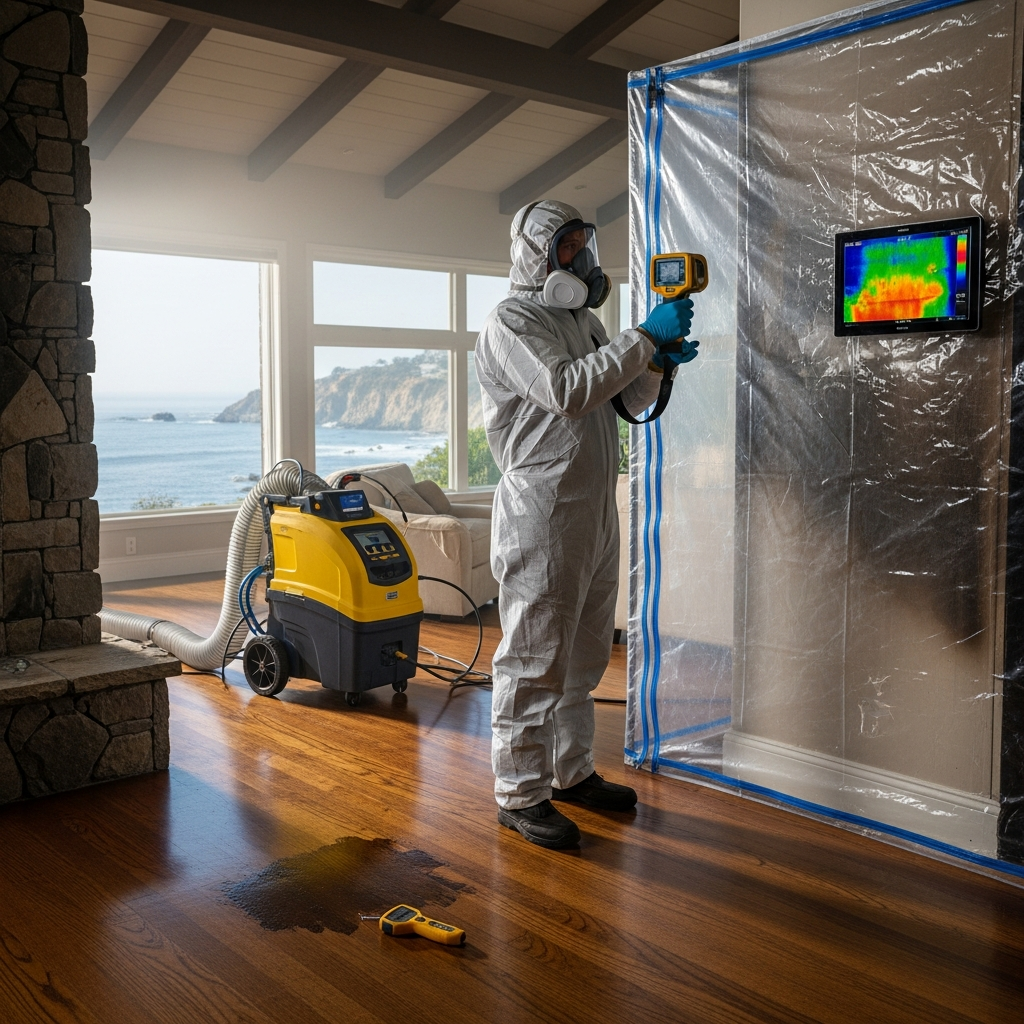
Fires in Malibu rarely behave like textbook case studies. The coastal influence and the mountainous terrain create channels where heat and smoke move unpredictably. I’ve seen homes where exterior siding was spared but attic trusses were deeply compromised due to convection currents, and others where smoke migrated behind finishes without leaving a trace on the surface. Because of this, the company you choose must have a disciplined approach to assessment, including thermal imaging, targeted demolition only where necessary, and air sampling when warranted to understand residue and odor sources. The work begins with careful observation, not heavy-handed removal.
Local familiarity also helps with logistics. Access along tight canyon roads, coordinating with utility providers, and following Malibu’s permitting protocols can add complexity. A dependable restoration firm will anticipate staging challenges, understand how to secure temporary power safely, and communicate with inspectors clearly. These are the practical details that keep a project moving without missteps.
Licensing, Insurance, and Accountability
In California, proper licensing and insurance are non-negotiable. Beyond the basic credentials, I look for companies that document meticulously. Photographs, moisture readings, cleaning logs, and chain-of-custody for contents should be second nature. When an adjuster or structural engineer wants to understand the story of the loss, these records become your narrative, establishing what was done, why it was done, and how conditions have changed over time. A company that values documentation tends to value communication and quality as well.
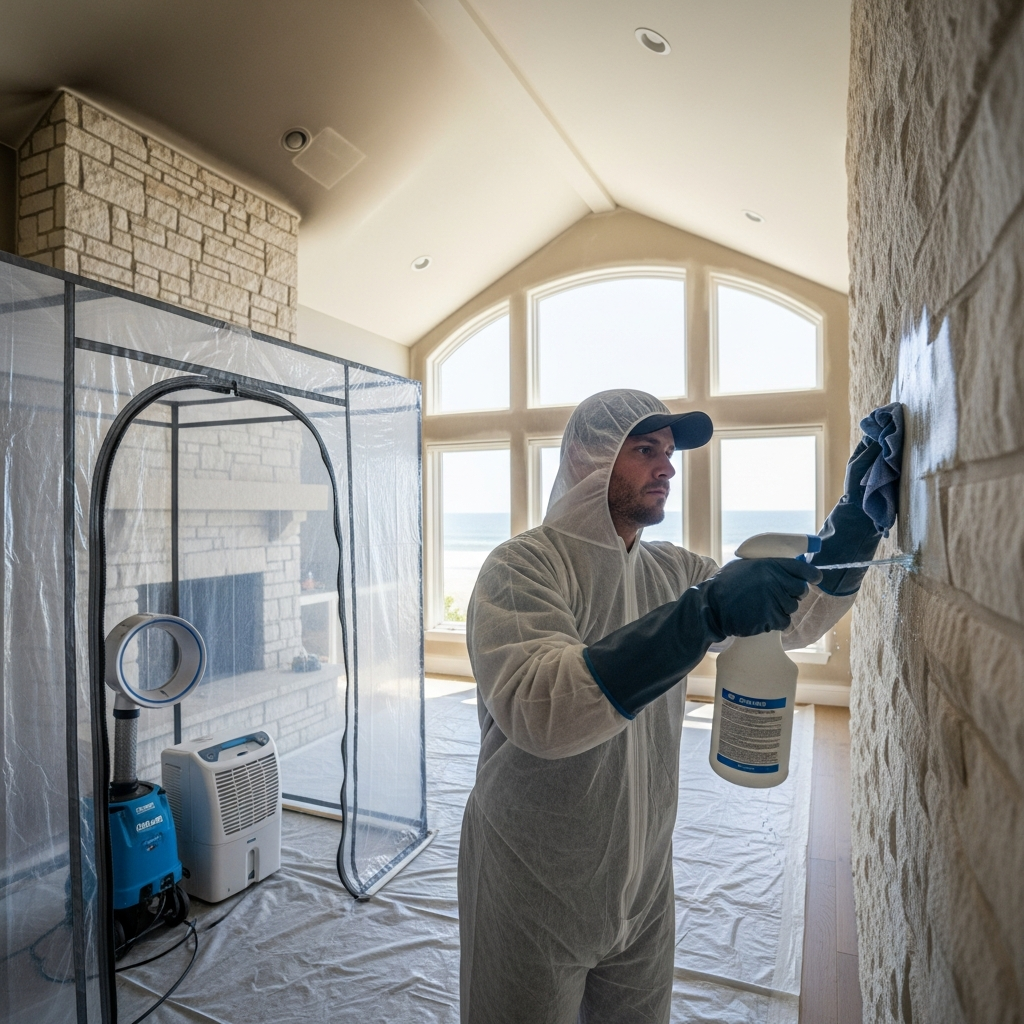
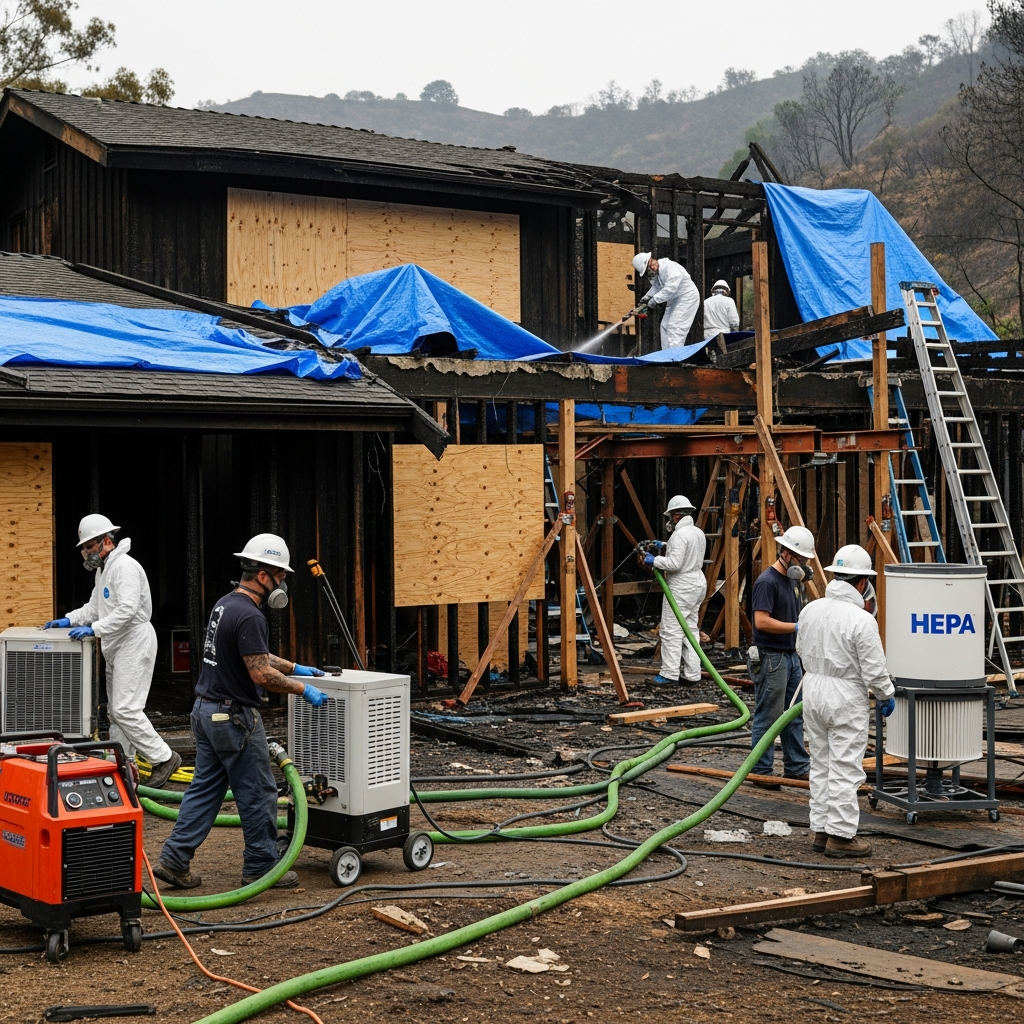
Accountability also shows up in safety practices. Fire scenes often contain hazards that aren’t immediately apparent: compromised framing, airborne particulates, and electrical anomalies after breakers have tripped and reset. Crews should arrive with respirators, protective clothing, air scrubbers with HEPA filtration, and a plan for managing debris to prevent cross-contamination. If you see a team paying attention to containment—zipping and sealing temporary barriers, routing negative air, and laying clean pathways—you’re seeing a team that respects your home and your health.
Assessment with Care, Not Guesswork
Malibu homes often feature high-end finishes, custom millwork, and unique materials. A skilled restorer knows that not every soot-stained surface needs to be replaced and not every smoky room must be gutted. The question is always: can this be cleaned and verified? Testing for cleanability, recognizing when alkalinity is needed to neutralize acidic soot, and understanding when to use dry methods versus wet methods all separate a thoughtful craftsman from an overzealous demolition crew. Preservation-minded companies save time and reduce disruption while honoring the original character of the home.
Another dimension is moisture. People are often surprised to learn that water from firefighting can be as damaging as the fire itself. Trapped moisture in subfloors, wall cavities, and insulation can invite secondary issues if not addressed promptly. The best teams use thermal cameras, non-invasive meters, and strategic openings to confirm that materials are dry before closing anything back up. This measured approach ensures that the building can breathe and heal properly.
Coordination with Insurers and Inspectors
After a fire, homeowners often find themselves trying to translate technical terms on the fly for their insurers while also juggling immediate household needs. Strong restoration companies act as interpreters. They write clear scopes, align line items with observed damage, and maintain a dialogue that keeps your claim on track. They also understand what the city and county expect regarding temporary repairs, debris removal, and reconstruction steps. This is especially important in Malibu, where environmental sensitivities and hillside conditions may shape how work proceeds.
What I value most is a company’s transparency. When they can explain the plan in simple terms—what happens this week, what happens next month, what success will look like—you can relax into the process. You shouldn’t have to chase updates. Status meetings, written progress notes, and forecasted timelines form the backbone of trust.
Craft, Cleanliness, and Respect for the Home
Good restoration work is measured as much by dust control and odor removal as it is by structural repair. The hallmark of a careful team is the way they build containment, protect unaffected rooms, and monitor indoor air quality while they work. Odor is not a veneer issue; it is a molecular issue that requires proper removal of residues, not just masking. Crews should target the source—cavities, sheathing, and the backs of cabinets—then use appropriate deodorization methods such as hydroxyl or ozone only when the building is properly prepared and unoccupied as needed. When they treat your home like a fine instrument, you feel the difference.
Communication matters at the craft level too. Malibu’s architecture often includes custom work that holds personal stories. Builders who take time to understand those details, labeling and storing salvaged elements carefully, show the reverence a home deserves. That care extends to contents: cataloging items, prioritizing heirlooms, and arranging for specialized textile and art cleaning where necessary.
Choosing with Confidence
How, then, do you make your decision? Meet the team lead who will be on site, not just the estimator. Ask what the first 72 hours will look like specifically for your home. Listen for how they talk about balancing preservation with progress. Ask how they measure dry standard, how they validate cleanliness, and how they maintain containment. These aren’t trick questions—they’re the ordinary language of professionals who do this every day on our local terrain.
In the middle of a crisis, clarity is priceless. The right partner will guide you through each phase: emergency board-up, debris removal, selective demolition, cleaning, deodorization, dry-out, build-back, and verification. They’ll help you adapt when surprises surface, because in restoration, surprises do surface. What matters is how quickly and thoughtfully the team responds.
When neighbors share success stories, a theme emerges: calm, steady work that puts one foot in front of the other. If you are still comparing options, take a breath and ground yourself in the basics—credibility, communication, and craftsmanship. Seek a firm that sees beyond the job, to the family and the future that will live there again.
As your evaluation continues, remember that Malibu is a place of resilience. Our community has rebuilt after difficult seasons, and we’ve done it by choosing partnerships that honor people as much as property. It helps to talk with a contractor who truly understands the science and the soul of restoration. In many cases, that means connecting with experienced teams dedicated to fire damage restoration who can tailor their approach to your specific home and situation.
What to Expect in the First Week
Your first week should bring visible stability and a sense of forward motion. Day one is usually about safety: securing utilities, boarding openings, and establishing clean zones. By day two or three, you should see focused investigation—opening strategic areas to follow smoke trails, setting air filtration devices, and beginning targeted cleaning. Moisture mapping and drying continue in the background, with daily readings to track progress. By the end of the week, you should have a preliminary scope for the next phase, aligning with your adjuster and any consultants. This cadence sets a tone of purposeful progress without rushing past important evidence.
The best teams also set expectations about noise, access hours, and neighbor relations, especially on tight streets. Simple courtesies—parking coordination, debris management, and tidy staging—make a noticeable difference, both for your comfort and the goodwill of the block. In Malibu’s close-knit enclaves, that sensitivity goes a long way.
Malibu-Specific Challenges and Solutions
Cliffside properties, ocean spray, and steep driveways introduce unique variables. Salt air can interact with soot and metal components, accelerating corrosion if residues aren’t neutralized promptly. Wind exposure can drive odor deep into porous materials, requiring more thorough cavity cleaning. Access constraints may affect equipment choices, from generators to negative air machines. An experienced team anticipates these realities, plans routes for equipment, and times work around weather windows to keep progress smooth and safe.
In rebuild phases, wildfire-hardened details like ember-resistant vents, protected eaves, and thoughtful landscaping may be recommended. A worthwhile partner will help you understand these options without pressure, integrating resilience into the restoration so the home is not only repaired but better prepared.
Steady Guidance for a Difficult Time
Beyond tools and techniques, people make the difference. A crew that greets you by name, explains before they act, and circles back to confirm results builds confidence day by day. You deserve that level of care. Your home deserves it too. In time, the smell of smoke will fade, the hum of air scrubbers will quiet, and the ordinary rhythms of life will return. Through it all, you’ll remember who treated your home with respect and who stood steady beside you when the path forward wasn’t yet clear.
FAQ: Choosing a Fire Damage Restoration Company in Malibu
How quickly should a restoration company begin work after a fire? The first 24 to 48 hours are critical for safety and stabilization. A qualified team will prioritize securing the site, addressing moisture from firefighting, and setting filtration to protect indoor air while a more detailed plan is developed.
What credentials matter most in California?
Proper state licensing, general liability, and workers’ compensation coverage are essential. Beyond that, look for training in smoke and odor remediation, water mitigation, and structural drying, along with a strong record of local projects and references.
Can smoke damage be fully removed, or will odor linger?
Odor can be eliminated when residues are located and removed or neutralized. Success depends on thorough assessment and cleaning of hidden cavities, followed by appropriate deodorization methods. Masking agents alone won’t solve the problem.
Will all damaged materials need to be replaced?
Not necessarily. Many materials can be cleaned and verified through testing. A careful restorer aims to preserve what’s salvageable, replacing only what cannot be safely or effectively restored.
How involved should I be in day-to-day decisions?
You should be informed and comfortable with the plan, but you shouldn’t have to manage the details. A strong partner will brief you regularly, present options when choices are needed, and document progress so you can focus on family and next steps.
Ready to Move Forward in Malibu
If you’re weighing options and want a clear, respectful conversation about your home, reach out to a trusted local team focused on fire damage restoration. The right guidance today becomes the calm, confident progress you’ll feel tomorrow. Malibu knows how to rebuild; let’s start your path back with care and craftsmanship.