Walk any Malibu street after a wind event and you will hear conversations about air quality, defensible space, and what neighbors have learned from the last fire season. Over the past decade, restoration has evolved as quickly as the landscape itself. What used to be a straightforward process of cleanup and rebuild is now a sophisticated blend of technology, building science, and community planning. In Malibu, where the Pacific’s salt air meets canyon winds and architectural design pushes creative boundaries, new trends in fire damage restoration are redefining how we protect, repair, and future-proof our homes.
As a local practitioner, I have watched these changes unfold from the inside. The best projects are not just reactive; they are proactive, seizing the opportunity to integrate resilience while honoring the home’s original artistry. And because Malibu resides squarely within the wildland-urban interface, our standards are shaped by a deep respect for terrain, wind, and the delicate balance between natural beauty and built environments. With that in mind, these are the forces and innovations reshaping how we restore homes along this stretch of coast.
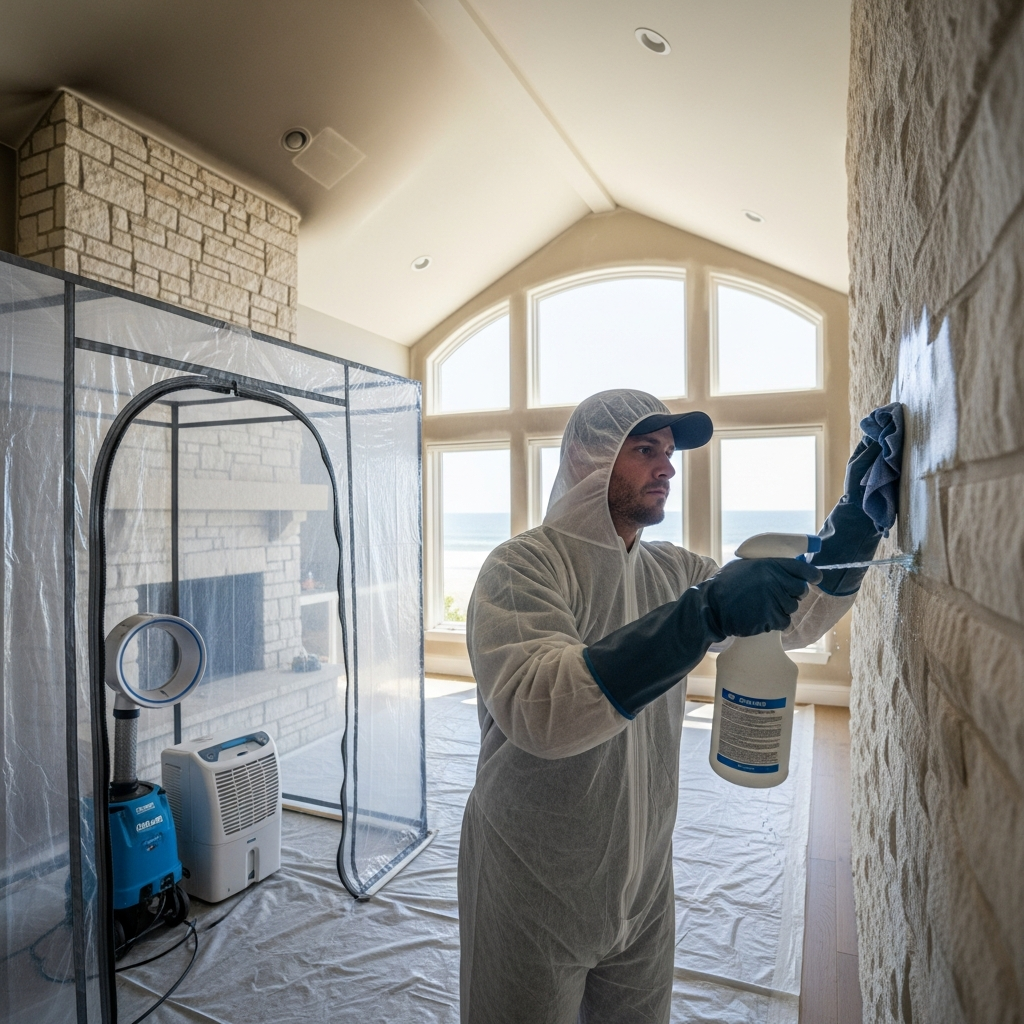
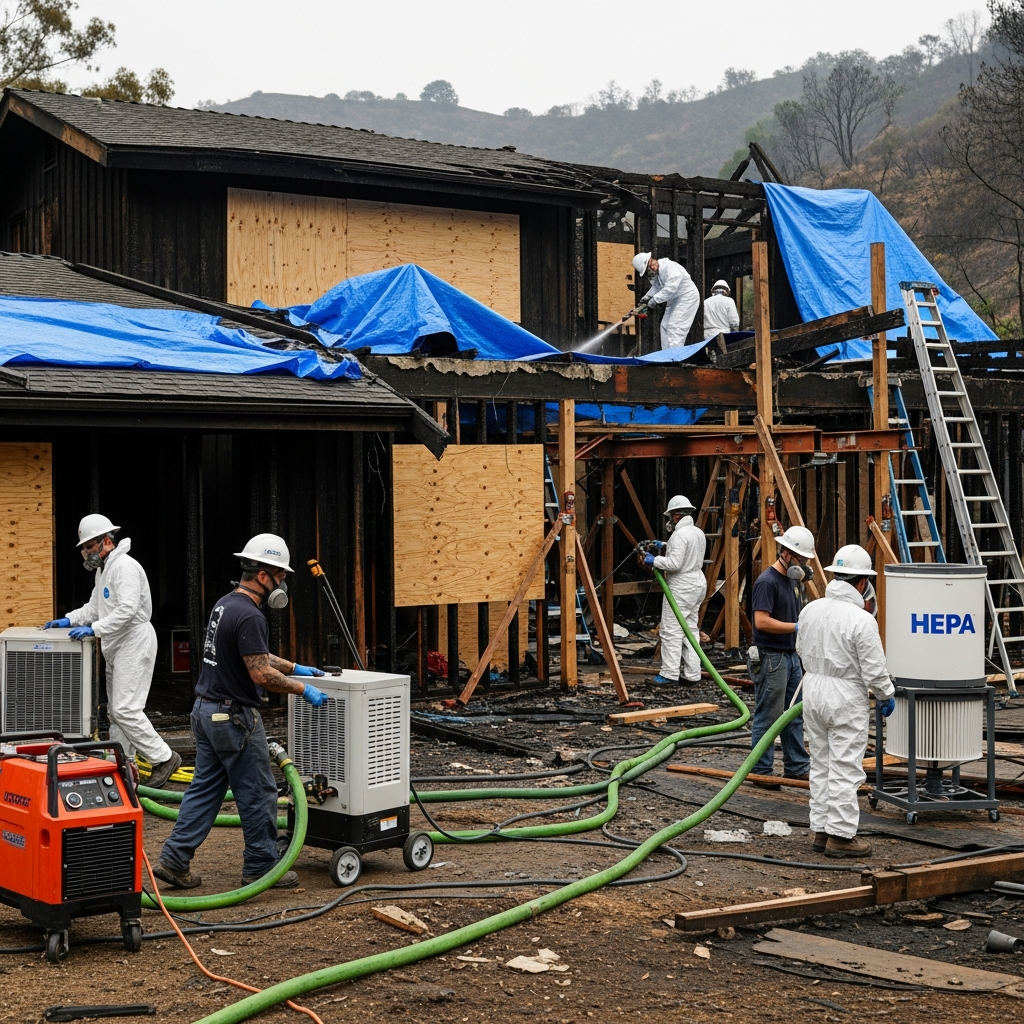
One of the most visible shifts is in the first forty-eight hours after a fire. Where we once relied on generic air scrubbers and deodorizers, we now deploy calibrated HEPA systems, smart sensors, and targeted hydroxyl treatment to attack odor molecules without leaving residues. The difference is felt immediately: air that is not perfumed but genuinely clean. This is particularly meaningful in high-volume Malibu homes with soaring ceilings and glass walls, where untreated particulates can drift through rooms like a whisper and settle invisibly in textiles and insulation.
With these changes in approach comes a new appreciation for the local context. Malibu’s salt air corrodes metals even without smoke exposure; add soot chemistry to the mix and you have a cocktail that can etch finishes in days. Responding to this requires more precise neutralization and protective coatings, an area where new formulations have made real strides. Modern cleaners are plant-based yet powerful, breaking bonds with residue without stripping delicate finishes. This has made it possible to save more original materials and restore the feel of a space without excessive replacement.
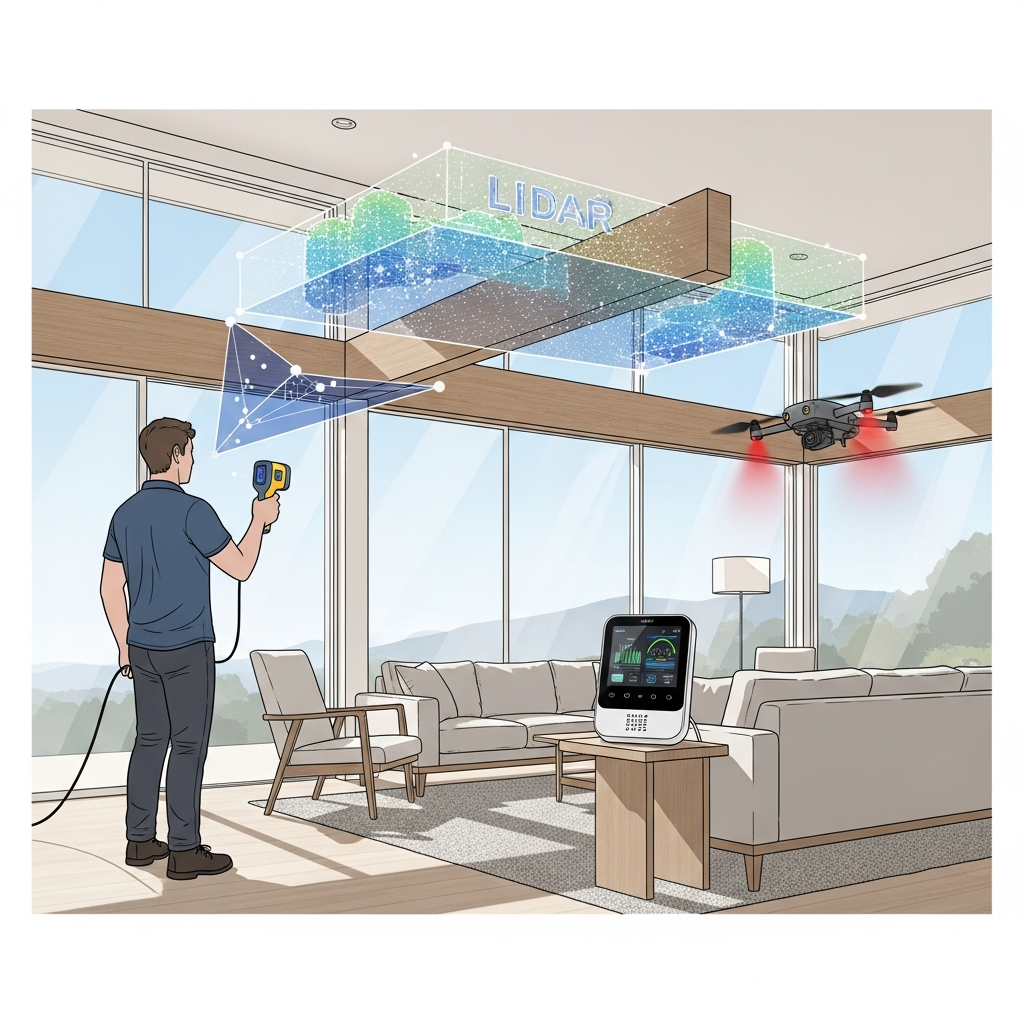
Another trend is digital documentation. Where clipboards once reigned, we now map damage in three dimensions, capturing the home with lidar scans and high-resolution photography that stitches into a virtual model. This model becomes a living record of pre-mitigation conditions, smoke pathways, and repair scopes. It empowers homeowners to walk through their property from a phone or tablet, hovering over areas of concern and making decisions remotely if needed. In a community where many residents travel, this capability keeps projects moving without forcing rushed or uninformed choices.
Faster, smarter triage through technology
Smart moisture meters, thermal cameras, and connected sensors are standard now. Within hours, we can chart moisture migration behind walls, under stone slabs, and around window assemblies. This precision is transformative in Malibu, where high-end finishes demand minimal demolition. Instead of tearing open large sections to find wet pockets, we surgically remove only what must go, leaving intact design elements to shine again once cleaned and deodorized. It is preservation-forward and cost-effective, yes, but more importantly, it respects the integrity of a home crafted with intention.
Drones and telescoping cameras also help us see where the human eye cannot—roof valleys, chimney caps, and solar arrays perched at tricky angles. This matters when winds have driven embers into hard-to-reach spots. Rapid visual assessment guides our tarping and sealing strategy, keeping the elements out and preventing fresh smoke infiltration should nearby smoldering rekindle.
Cleaner chemistry and healthier homes
There is a quiet revolution happening in the chemistry of cleanup. Homeowners increasingly ask for solutions that are effective and safer for families and pets. New-generation cleaners derived from botanical sources are robust against soot yet gentle on finishes. Coupled with advances in encapsulants and primers that lock in residual stains without off-gassing harsh odors, these products make post-restoration living more comfortable. Malibu families should not have to trade clean for chemical-laden; the industry has listened, and the results are better indoor air from day one.
Air quality monitoring, once reserved for industrial settings, has entered residential practice. We deploy sensors that quantify particulates and volatile organic compounds before, during, and after treatment. Seeing those numbers drop offers real reassurance and informs when to move from mitigation to build-back. In homes with sensitive occupants, this data-driven approach is invaluable, guiding decisions about phased occupancy so life can resume safely even while certain zones remain under treatment.
Designing for the next event: resilience as a standard
The most powerful trend may be philosophical: restoration is now a chance to fortify. Malibu’s building culture has embraced ember-resistant vents, noncombustible soffits, and tempered glazing as baseline considerations during repairs. We are also paying more attention to transitions—the places where decks meet walls, where fences touch structures, and where under-deck spaces collect debris. Simple redesigns in these zones interrupt ember travel and starve small ignitions before they grow.
Landscapes are changing, too. Restoration often includes a review of plantings near the home, replacing thirsty, resinous species with natives that retain more moisture and shed fewer embers. Gravel or decomposed granite borders create elegant, low-fuel buffers that still feel like Malibu. Because many homes step down hillsides, we consider how retaining walls and stairways funnel wind; subtle adjustments can reduce ember pressure on vulnerable elevations.
Energy resilience woven into the plan
Another emerging practice is integrating energy resilience during rebuilds. Between public safety power shutoffs and post-fire electrical inspections, outages are a reality. Pairing solar with battery storage or adding a transfer switch for a backup generator ensures that air scrubbers, dehumidifiers, and containment systems can run without interruption, protecting ongoing mitigation. It also means families can keep refrigeration, medical devices, and communications online during the fragile weeks after an event. Restoration that anticipates power needs is not a luxury; in Malibu, it is common sense.
HVAC redesign is also trending. After a smoke event, simply cleaning ducts is not always enough. We are seeing more projects that upgrade to higher MERV filtration, add dedicated fresh-air intakes with smart control, and improve zoning so clean rooms can be isolated quickly if a future wildfire prompts shelter-in-place. These investments double as everyday comfort upgrades, smoothing temperature swings and reducing allergens when the Santa Anas blow.
Precision rebuilding with better materials
Material science is catching up with the realities of our climate. Fiber-cement siding, metal-clad fascia, and mineral wool insulation are no longer niche; they are the new normal for fire-adjacent repairs. In areas exposed to salt spray, we specify fasteners and hardware with higher corrosion resistance to outlast the combined assault of soot and ocean air. Interior finishes benefit as well. Plasters with enhanced vapor openness let assemblies dry more gracefully if they are ever wetted again, while factory-finished floors resist smoke embedding better than some site-finished alternatives. None of this detracts from Malibu’s hallmark aesthetic; it simply ensures beauty that endures.
We are also embracing modular and prefabricated elements during rebuilds to compress timelines without compromising quality. When a stair flight or a bank of cabinetry can be fabricated off-site while mitigation continues, we shave weeks off the schedule and reoccupy faster. For homeowners balancing family life and work, that speed is more than convenient—it is restorative in its own right.
Community-centered restoration
Perhaps the most Malibu-specific trend is how collaborative restoration has become. Neighbors share contractor intel, swap air purifier tips, and organize brush clearance weekends. This community spirit translates into coordinated projects where multiple homes on a street adopt similar upgrades. The effect is cumulative, reducing ember ignition points across a block and making each home safer because the others are, too. In practice, this can look like every house on a cul-de-sac installing ember-resistant vents during unrelated repairs, or a canyon road standardizing defensible space plant palettes. Restoration becomes a neighborhood investment—not just an individual fix.
At the municipal level, we are seeing closer coordination between building departments, fire officials, and restoration pros. Clearer guidelines, faster inspections for emergency work, and shared expectations about documentation improve outcomes. Digital submittals and virtual walkthroughs, born of necessity, have remained because they work. For Malibu homeowners, this means fewer delays and more transparency throughout the process.
Mid-project clarity through data
The middle stretch of a restoration project used to be a murky zone where homeowners waited for updates and hoped for the best. Today, dashboards track progress, sensors report air quality in real time, and shared photo logs record each milestone. This transparency lowers stress and helps families make decisions about travel, temporary housing, and school schedules. It also catches small issues early—like a humidity spike behind a sealed wall—before they become big ones.
With all this innovation, it is still the human factor that anchors success. Skilled technicians who respect craft and context, project managers who communicate plainly, and designers who can weave resilience into beauty—these are the people turning trends into better homes. When tech and touch work together, Malibu houses emerge from restoration quieter, cleaner, and calmer than before.
Frequently Asked Questions
Are newer deodorization technologies safe for families and pets?
Yes. Modern approaches like hydroxyl treatment are designed to neutralize odors without harsh residues, and they can often be used while areas remain occupied. We still isolate zones and monitor air quality, but the chemistry has advanced significantly.
How do 3D scans help my restoration?
They create a precise digital model of your home’s condition after the event. This record speeds insurance reviews, guides estimates, and lets you and your team plan repairs with clarity. It also reduces surprises during demolition and build-back.
What resilient upgrades make the biggest difference?
Ember-resistant vents, noncombustible soffit materials, tempered or laminated glazing, and careful deck-to-wall transitions deliver outsized benefits. Pairing these with thoughtful landscaping near structures strengthens your home’s defense.
Do greener cleaning products really work on soot?
They do when chosen correctly. Botanical-based cleaners have become remarkably effective, especially when paired with proper agitation and dwell times. The key is selecting products matched to the residue type and the surface in question.
Can I monitor air quality myself during restoration?
Yes. Many homeowners use consumer-grade sensors to track particulates and VOCs. We complement these with professional instruments and interpret results so you know when spaces are safe for reoccupation.
Will these trends increase project costs?
While some technologies add line items, they often shorten timelines, reduce demolition, and save materials—benefits that can offset initial investments. More importantly, they deliver healthier outcomes and improved resilience, which are invaluable in Malibu’s environment.
As Malibu continues to adapt to a changing climate, restoration must do more than repair; it must reimagine. If your home has been touched by smoke or flame, consider a team that blends craft with innovation and local knowledge with data. From the first assessment to the last polish on a handrail, choose partners who harness modern tools while honoring what makes your house uniquely yours. For a guided plan grounded in new best practices and proven fire damage restoration services, reach out and start the conversation today.