There is a particular quiet that hangs over Malibu after a fire, a hush that settles between the canyons and the sea. When the last brush truck rolls away, you can hear the ocean again, but inside the home the story is only beginning. Restoration in this place is shaped by Malibu’s singular mix of beauty and complexity. The same topography that frames postcard sunsets also funnels wind and smoke, and the custom architecture that makes our homes special can turn small problems into puzzles. Over the years, I have learned that restoring a Malibu home is equal parts craft and choreography—anticipating challenges, sequencing solutions, and never underestimating how our microclimate nudges every decision.
From La Costa to Point Mugu, one reality is constant: smoke finds everything. It rides the Santa Anas and presses soot into seams you would never expect. In hillside homes, pressure differentials draw it up stairwells and into mezzanines. In beach houses, it threads along door gaskets and settles in the channels of expansive sliders. And once it is there, Malibu’s salt air conspires with it, turning residue corrosive and odors stubborn. Understanding these patterns is step one. Step two is meeting the most common local challenges with the right mix of experience and patience.
Access and logistics on steep sites
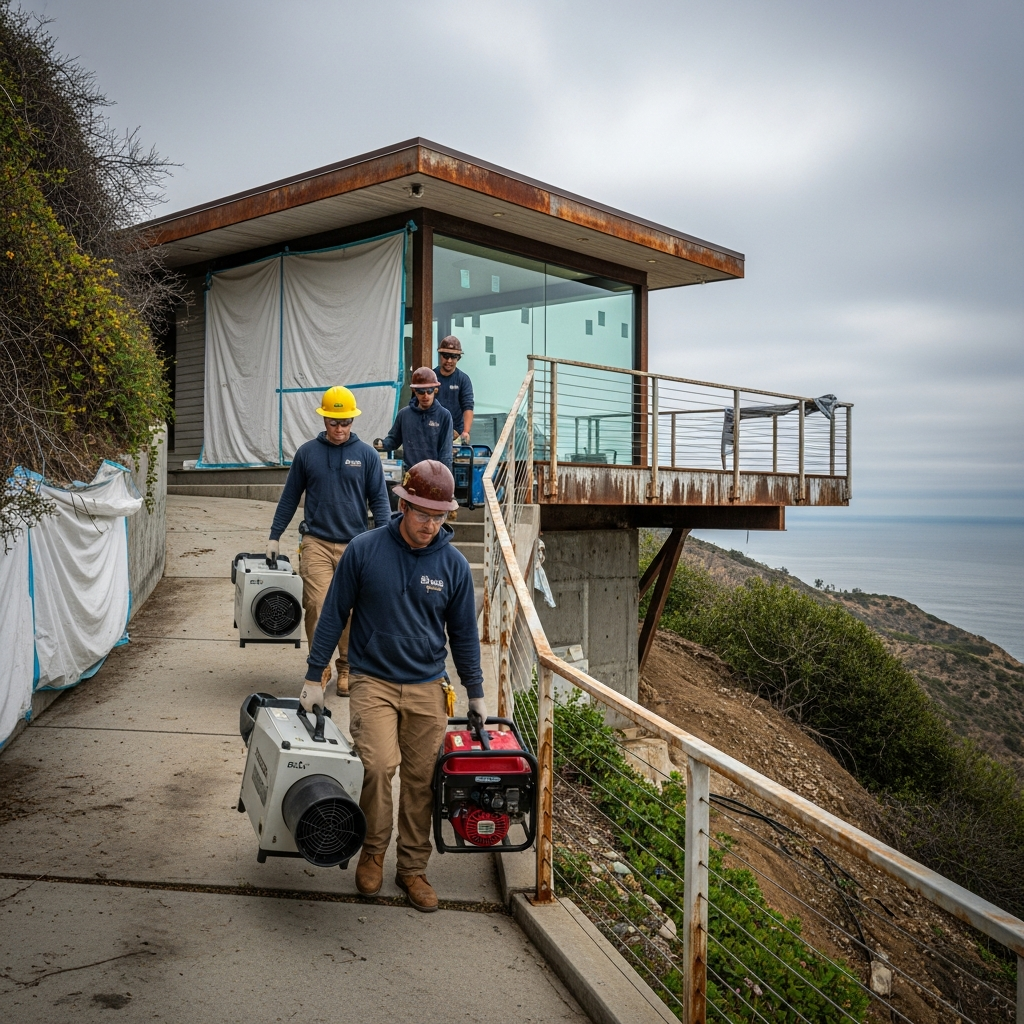
Malibu’s drama is vertical. Many properties perch along ridgelines or step down canyons with views you can feel in your chest. These settings complicate access for restoration crews and equipment. Narrow roads and tight switchbacks make staging a dance, especially when generators, negative air machines, and dehumidifiers all need reliable power and safe placement. Parking limitations can slow down material deliveries and debris removal. Addressing this challenge means detailed pre-planning—scouting routes, coordinating with neighbors, and sometimes shuttling equipment in phases. When done well, the work proceeds smoothly; when overlooked, each day falls behind and the home spends longer exposed to secondary damage.
Board-ups and weatherproofing in wind corridors
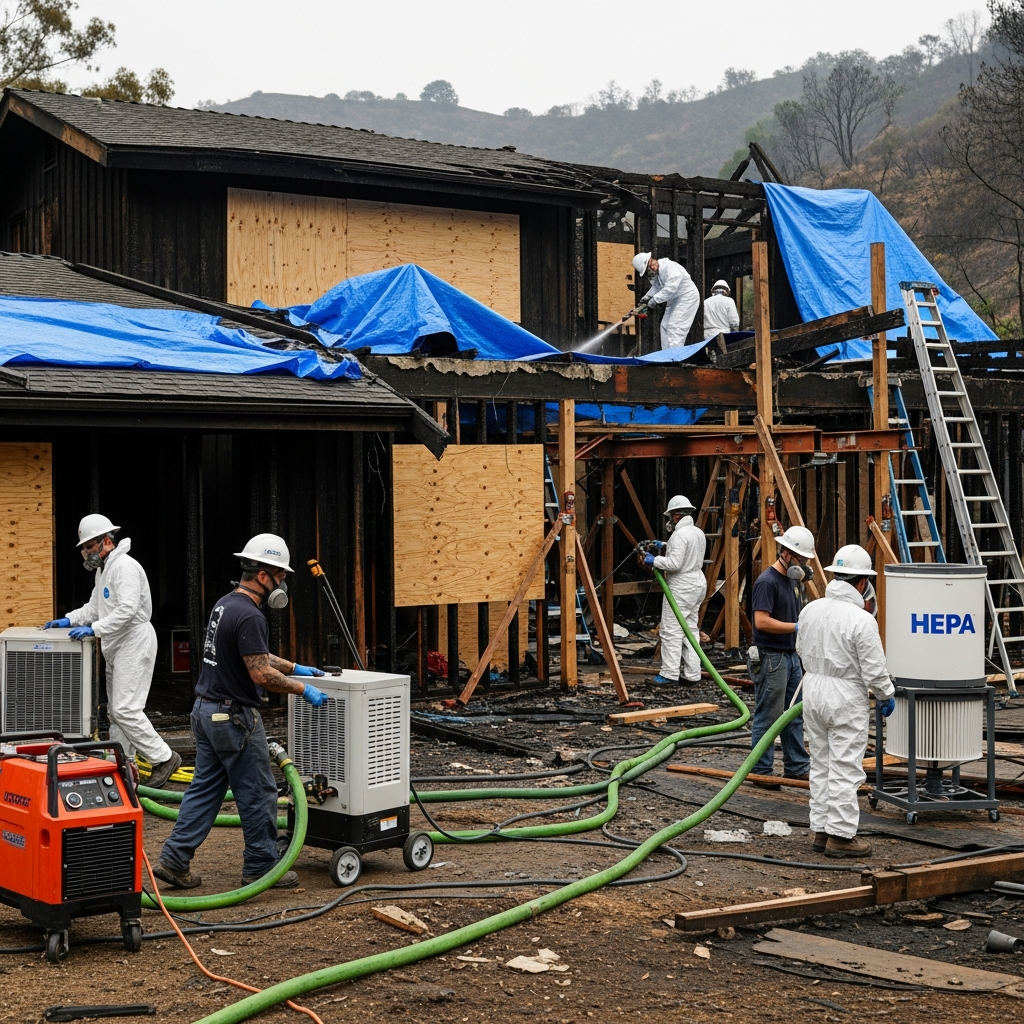
Anyone who has lived through a wind event in Malibu knows how hard the gusts can hit certain canyons. Board-ups and tarps that would be adequate inland need reinforcement here. We anchor coverings with the expectation that the wind will test them, sealing edges and adding redundancies so fog and rain cannot sneak in. Skipping this step invites moisture into charred assemblies and accelerates soot chemistry, making odors tougher to eliminate later. It also exposes the home to wildlife intrusion; raccoons and birds are quick to explore.
Salt air and accelerated corrosion
The ocean is our gift and our challenge. Salt carried by sea breeze settles on everything, and in the aftermath of a fire it mixes with acidic soot to hasten corrosion. Stainless steel appliances discolor in days. Copper fittings pit. Window and door hardware seize. Malibu restorations must prioritize early neutralization, careful rinsing, and protective coatings. In some cases, we swap hardware for higher-grade alloys to better resist the twin forces of smoke and salt. This is not overkill—it is adaptation to a place where the environment amplifies every delay.
Complex architecture and custom finishes
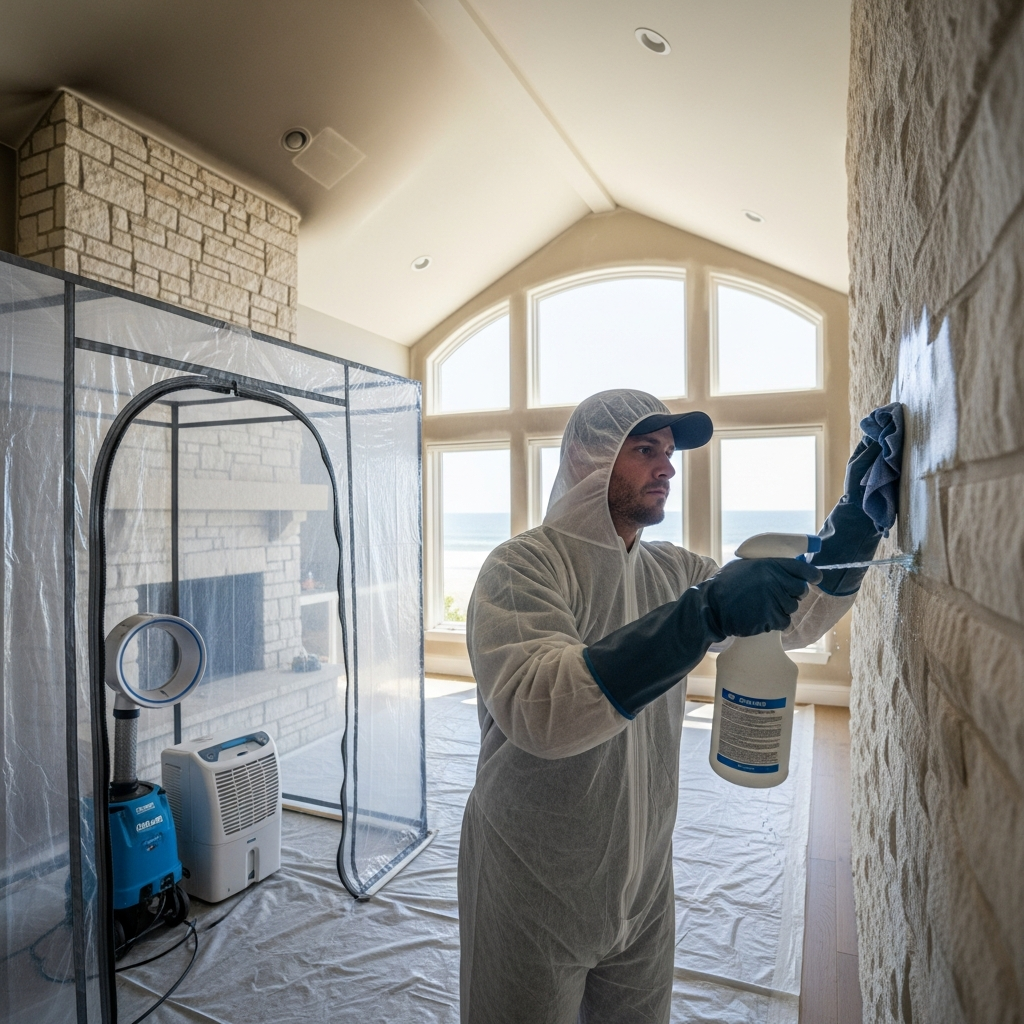
Malibu homes wear many styles: glassy modern pavilions, Spanish revivals with hand-troweled plaster, and mid-century structures with exposed beams and tongue-and-groove ceilings. Each brings unique restoration puzzles. Exposed timber absorbs smoke deep into the grain, requiring long dwell-time deodorization and sometimes controlled sanding to maintain patina without locking in odor. Plaster walls need careful cleaning that preserves subtle textures. Contemporary steel details show every fingerprint and haze if aggressive cleaners are used. The challenge is to remove smoke and soot completely while honoring the materials that define the home’s character. It is delicate work, and it takes time.
Hidden water migration after firefighting
Firefighters save homes, and water is their tool. But water obeys gravity and capillary action, finding its way behind baseboards, beneath stone tiles, and into insulation. In Malibu’s cool nights and foggy mornings, that moisture lingers unless actively removed. Left unchecked, it sprouts mold. The challenge is detection. Thermal imaging and moisture mapping help us find where water hides, guiding surgical demolition rather than broad, disruptive tear-outs. The sooner we start this process, the less we remove and the more we salvage.
Smoke in HVAC and high-volume spaces
Large rooms with clerestory windows and open staircases are Malibu staples, and they act like lungs. After a fire, they inhale smoke and distribute it through returns and supply registers to every corner. Cleaning ducts thoroughly, replacing filters, and inspecting coils are mandatory. But the challenge goes beyond ducts. High, sun-warmed ceilings can re-release odor compounds in the afternoon, tricking homeowners into thinking smoke has returned. Effective restoration sequences cleaning, deodorization, and sometimes upgrades to filtration and fresh-air intake so the home’s breathing stays clean even when the weather shifts.
Permitting and coastal coordination
Malibu’s permitting landscape reflects its sensitivity to coastline and hillside. Emergency stabilization moves quickly, but structural repairs often require coordination with building officials and, in some cases, coastal oversight. The challenge is balancing urgency with compliance. Experienced teams anticipate documentation needs, schedule inspections at logical milestones, and keep projects advancing without costly backtracking. For custom homes, this includes carefully cataloging finishes and assemblies so replacements meet intent and code while preserving design.
Contents with stories
In every Malibu home, beyond the square footage and the views, there are stories in objects. Surfboards waxed for early sessions, instruments that filled rooms with music, heirlooms that anchor identity. Smoke and soot touch these things, too. The challenge is triage: what to treat on-site, what to pack out for specialized care, and what to let go. Time is a factor because residues etch and stain quickly. Successful contents restoration combines speed with sensitivity, using techniques that respect materials—from ozone-free deodorization for delicate textiles to anti-corrosion treatments for electronics.
The middle-mile: keeping momentum
Many projects stall in the middle. The adrenaline of the first week gives way to the slower grind of detailed cleaning, selective demolition, and coordinating trades. In Malibu, where homeowners often travel or split time between residences, communication gaps can widen. The challenge is maintaining rhythm: clear schedules, shared photo updates, and decisive mid-course corrections when hidden damage appears. Without this cadence, small issues become big delays.
Neighborhood context and ember travel
No Malibu home exists in isolation when it comes to fire. Embers ride the wind and exploit weak links from property to property. A neighbor’s fence attached to a structure, debris under a shared deck line, or open vents can influence outcomes. Restoration that ignores this context misses an opportunity. We now see projects that coordinate simple, shared upgrades across property lines—swapping out vents, tidying under-deck spaces, and adjusting landscape choices so the whole street is less vulnerable. The challenge is aligning timelines and budgets, but the payoff is collective safety.
Emotional bandwidth and decision fatigue
Perhaps the most underestimated challenge is human. After a fire, homeowners face an avalanche of decisions while carrying real stress. In high-touch Malibu homes, choices multiply because materials and details are bespoke. Good teams act as guides, narrowing options to those that honor both design and durability. We plan sequences that get parts of the home livable sooner, easing the cognitive load. The goal is not just a repaired house but a calmer life regained step by step.
Frequently Asked Questions
Why do Malibu homes need extra corrosion protection after a fire?
Because salt air and soot interact to speed up corrosion. Early neutralization, thorough rinsing, and, when appropriate, upgraded hardware with higher corrosion resistance help protect finishes and functionality.
What makes smoke odor linger even after cleaning?
Residual compounds trapped in porous materials and heat-affected cavities can off-gas when warmed by the sun. Effective deodorization treats both surfaces and air and often includes sealing or replacing materials that cannot be fully cleaned.
How do you manage access on steep or narrow properties?
We pre-plan routes, stage equipment in phases, coordinate parking, and sometimes use portable power. Good logistics prevent delays and protect neighbors’ access while keeping the project moving.
Is extensive demolition always necessary?
No. With thermal imaging and moisture mapping, we target only the assemblies that are wet or irreparably smoke-damaged. This preserves finishes and shortens the rebuild phase.
Can I stay in my home during restoration?
Sometimes. We can establish clean zones and schedule noisy or dusty work when you are away. If structural repairs or heavy deodorization are underway, temporary relocation may be more comfortable and safer.
How do you coordinate with Malibu’s permitting requirements?
We document thoroughly, submit clear scopes, and schedule inspections to align with critical milestones. Local experience helps anticipate requests and avoid rework that costs time.
For Malibu homeowners facing the long road back after a fire, the right partner turns challenges into a manageable sequence of wins. With local insight, careful planning, and respect for the architecture that makes your home yours, restoration becomes less about loss and more about renewal. When you are ready to move forward with a calm, capable plan and proven fire damage restoration services, reach out to a team that knows how to work with Malibu’s winds, waves, and ways.