In Malibu, the first hours after a fire are a race against time, even when the flames are already out. The Pacific’s cool morning haze can lull a homeowner into thinking the crisis has passed, but anyone who has walked into a smoke-tinged foyer at sunrise knows better. Soot doesn’t sleep, water doesn’t wait, and the coastal air that we love can accelerate corrosion before breakfast. This is why timeliness in post-fire care is everything. As a local professional who has worked homes from Broad Beach to Las Flores, I have seen the difference a single day makes—how wood swells, how odors embed, and how the first window of opportunity either stabilizes the structure or invites cascading secondary damage.
It is understandable to feel overwhelmed. You are juggling insurance calls, family logistics, maybe even a temporary stay elsewhere. Yet that is exactly when a timely response shines, because it turns chaos into a clear plan. By securing the property, addressing moisture, and isolating contaminated zones, we stop the clock on damage that compounds by the hour. When we move with purpose—coordinating access, documenting conditions, and deploying the right equipment—the home begins its recovery immediately rather than drifting into uncertainty.
There is a practical reason we recommend early engagement with experienced fire damage restoration professionals, especially in Malibu. Our microclimate is deceptive: salty air, foggy mornings, and sun-warmed afternoons create a daily cycle that stresses materials. After a fire, this cycle speeds up deterioration. Soot is acidic; it etches metals, tarnishes fixtures, and discolors finishes. Add salt from sea breeze, and the chemistry gets even more aggressive. That is why countertops haze overnight, why appliances spot and pit, and why blackened window hardware can seize within days if not neutralized and protected.
The cascade of secondary damage
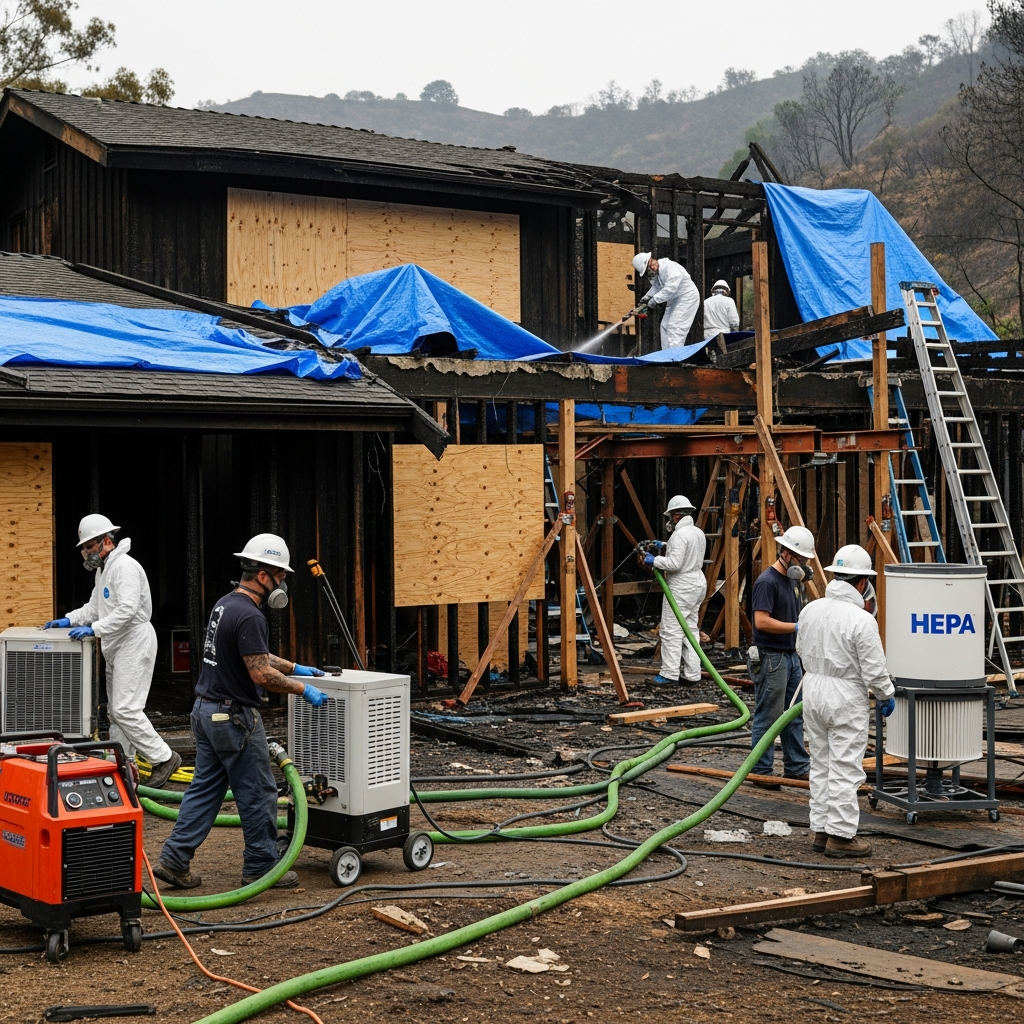
When we talk about urgency, we are really talking about cutting off the domino effect. Firefighters do heroic work, but water follows its own logic as it courses through a home. It runs underneath flooring, saturates insulation, and collects inside wall cavities where it cannot be seen. If that moisture is not addressed immediately, it sets the stage for mold. In Malibu’s temperate climate, mold does not need long to gain a foothold. Timely extraction, dehumidification, and targeted heat are not extras; they are the backbone of preventing a second disaster.
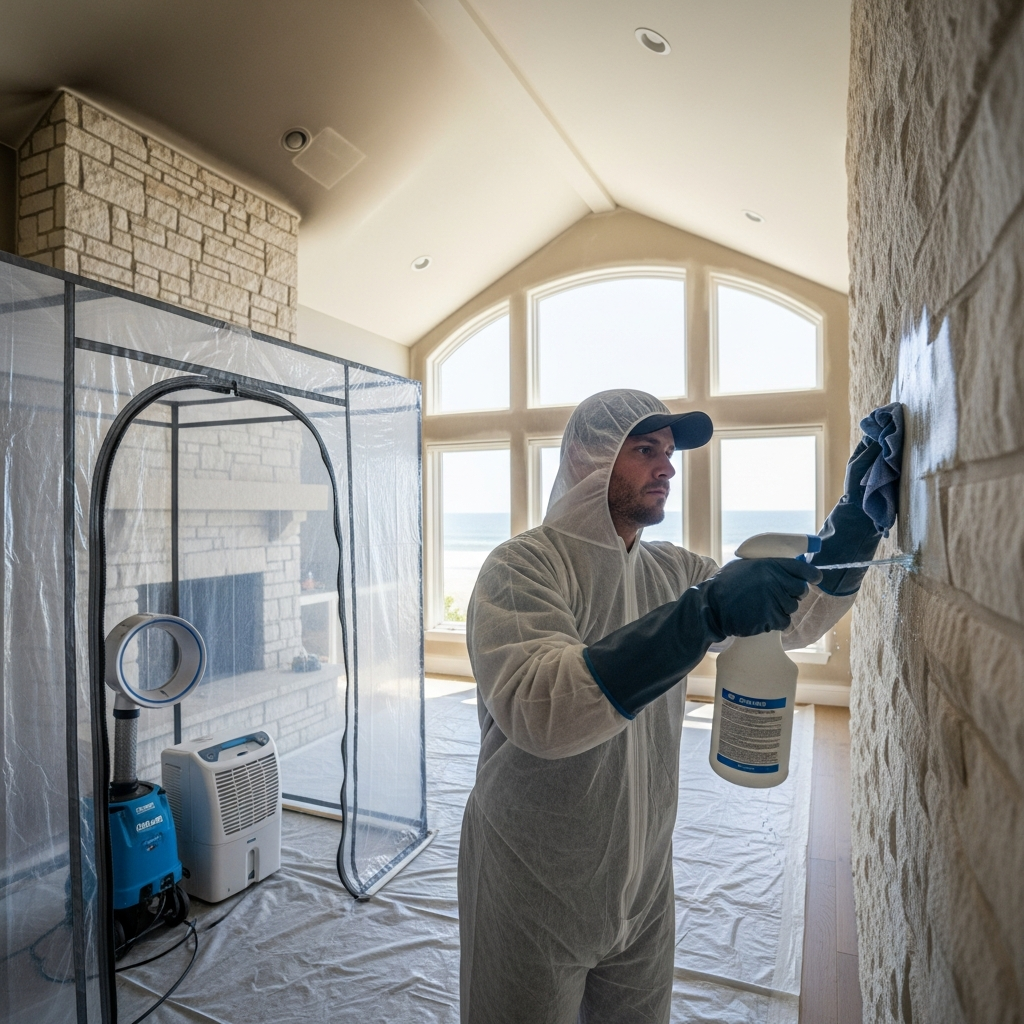
Smoke also moves in ways that surprise most people. It is buoyant when hot, but as it cools, it sinks and deposits fine particles in low areas and hidden recesses: under toe-kicks, inside cabinet boxes, beneath stair treads. Prompt containment with negative air, along with thorough HEPA vacuuming and selective demolition where residues are irretrievable, keeps contaminants from spreading throughout the house every time a door opens or a fan is switched on. The sooner that barrier goes up, the less cleaning and deodorizing the rest of the house will require, which shortens the overall timeline to normalcy.
Air quality is a now problem, not a later one
After a fire, many homeowners try airing out the house the old-fashioned way—windows open, fans on. Unfortunately, that can drive smoke deeper into the building assembly and pull in coastal humidity that reactivates soot odors. A timely professional response brings controlled airflow, correct filtration, and step-by-step sequencing. We install negative air machines to prevent cross-contamination, change HVAC filters immediately, and inspect ductwork so it does not become a conveyor belt for particulates. This approach protects your family’s breathing space from day one.
In Malibu, where homes often have complex floor plans and large volumes, air changes per hour matter. Delaying professional intervention allows microscopic particles to drift into textiles, insulation, and decorative finishes, knitting a web of odor that is harder to unravel later. Within the first 48 hours, the difference between a home that smells fresh after treatment and one that needs repeated deodorization is often traced to when containment and filtration began.
Stabilize first: safety, weather, and security
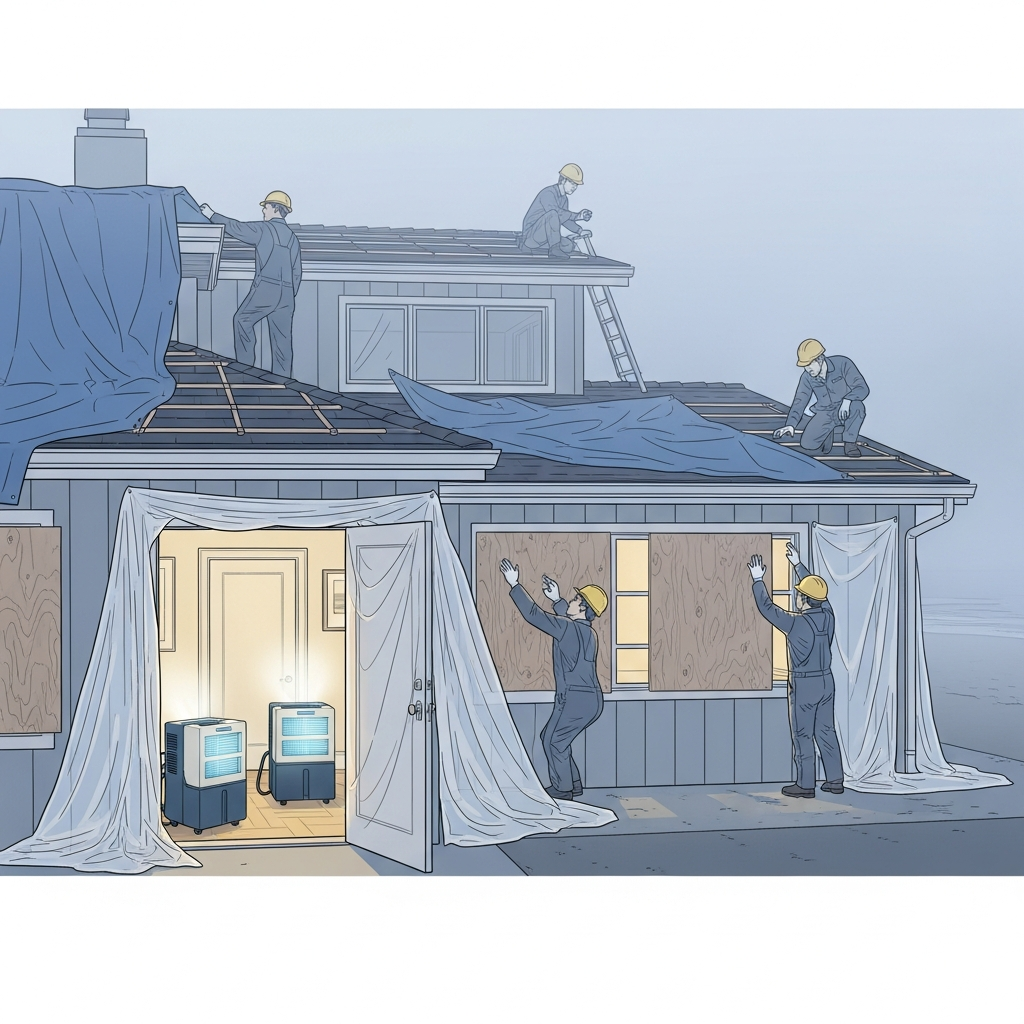
Timely restoration also protects the structure from the elements and from opportunistic risks. Board-ups and roof tarps are not cosmetic steps. Malibu’s afternoon winds can lift embers hidden in eaves and carry them into compromised attics; unexpected drizzles can infiltrate charred decks or open skylights. Quick stabilization keeps rain and fog out, keeps animals from nesting in accessible cavities, and militates against looting in the rare instances when neighborhoods are still being repopulated.
Safety assessments should happen right away. We evaluate the integrity of stairs, rails, and balconies, especially in hillside homes where soil stability and footings may have been stressed by heat or firefighting water. Electrical systems are tested and made safe, and gas lines are checked in coordination with utilities. With every hour that passes before these steps occur, the risk of an accident or additional damage increases.
Insurance coordination and documentation
Timeliness is not just about physics and chemistry; it is also about administrative momentum. The insurance process rewards clarity, and clarity comes from early, thorough documentation. We capture the state of the property before mitigation erases the evidence, annotate smoke migration paths, and inventory contents quickly. This record supports fair coverage decisions and prevents confusion weeks later when questions arise. In Malibu, where unique materials and custom builds are common, accurate scoping is especially important so that repairs reflect the original craftsmanship. Waiting to document until after cleanup begins can muddy the picture and complicate approvals.
At the same time, a timely start allows homeowners to make considered decisions rather than rushed ones. We can present options for salvage, for resilient upgrades during repairs, and for sequencing that gets parts of the house habitable sooner. Without that early plan, the project can stall, stretching into a stressful limbo that serves no one.
Why Malibu’s environment raises the stakes
Our coastline gifts us morning fog and cool evenings, but those cycles work against fire-damaged homes. When sun warms smoke-laden materials in the afternoon, they off-gas more strongly; when cool night air brings moisture, soot chemistry accelerates and odors rebind. Timely neutralization and deodorization break this cycle. Likewise, the salt air that gently corrodes unattended metal over years will ravage smoke-affected hardware in a matter of days. We have opened vanity drawers a week after a small bathroom fire and found hinges orange with rust. The difference between that outcome and a clean, functioning hinge is often a single early visit with the right cleaning agents and protective coatings.
Accessibility is another Malibu-specific factor. Long, steep driveways and narrow canyon roads can complicate equipment access. If we plan early, we stage equipment strategically, coordinate parking, and keep power supplies reliable with generators or battery arrays. When that planning happens late, each logistical snag can delay progress by hours or days, and the home suffers for it.
From triage to transformation
There is a progression that defines a successful timely restoration: triage, mitigation, cleanup, rebuild, and resilience. Triage is about stopping the bleeding—securing openings, shutting down contaminated HVAC systems, and setting up drying. Mitigation removes wet materials that cannot be saved and isolates areas that would otherwise cross-contaminate. Cleanup then deep-cleans and deodorizes surfaces and air. Rebuild repairs structure and finishes. Finally, resilience integrates ember-resistant features, improved ventilation control, and landscape strategies to reduce future risk. When we initiate this progression quickly, the handoff between steps is smooth, the home recovers faster, and stress levels go down.
In the middle of this journey, communication is king. Families in Malibu juggle school, work, commuting, and often travel. We align schedules, provide clear timelines, and adjust scopes as discoveries are made behind walls or under flooring. A timely start does not mean a rushed job; it means an orderly, well-sequenced one that stays nimble but never loses momentum. That momentum is particularly important around the midpoint of the project, when deodorization transitions to repairs and choices about finishes and upgrades must be made. Predictable pacing here makes everything easier, and it comes from starting on time with a team that knows how to maintain rhythm throughout the work. It is also where leaning on local expertise pays off—choosing materials that stand up to Malibu’s salty air and integrating proven fire damage restoration services that anticipate the quirks of our microclimates and permitting requirements.
Protecting what can be saved
Time is also the enemy of your belongings. Textiles absorb odors and acid residues that can permanently yellow or weaken fibers. Electronics can corrode from microscopic soot particles, even when they appear unscathed. Art and books can warp and stain. Early pack-out and specialized cleaning prevent these outcomes, restoring the things that make a house feel like home. I have watched a family’s spirits lift when a child’s stuffed animal is returned fresh and clean, or when a cherished guitar comes back free of the faintest smoke. Those moments are made possible by swift, thoughtful action.
In many Malibu properties, garages and outbuildings store surfboards, bikes, and beach gear that see frequent use. These spaces can be smoke traps if left unattended. Timely cleaning keeps odors from migrating back into the main house and preserves rubber, neoprene, and composite materials that degrade quickly in the presence of soot and salt. The same applies to outdoor kitchens and stainless features near the beach; a quick response heads off etching and discoloration.
Health first, always
We do this work so families can breathe easy again—literally. Soot and smoke particles are a health hazard. Addressing them promptly protects children, elders, and anyone with respiratory sensitivities. A timely restoration plan creates clean zones within days, gives you safe rooms to sleep and work in, and moves the home steadily toward complete recovery. When doors and windows close at night, the air inside should be as calm as the waves you hear in the distance. That is our standard, and it starts with acting now, not later.
Frequently Asked Questions
How soon should mitigation begin after the fire is out?
Ideally within 24 to 48 hours. Early stabilization prevents corrosion, mold, and embedded odors. In Malibu, where humidity and salt are factors, the timeline is even more critical to halt chemical reactions that damage finishes and hardware.
What are the first steps a restoration team will take?
Safety assessment, board-up or tarping, water extraction, and establishing negative air containment. We will also shut down and assess HVAC systems, begin documentation for insurance, and protect salvageable contents right away.
Can I clean soot myself while I wait?
Light dry soot on nonporous surfaces can sometimes be gently addressed with a dry sponge, but wet cleaning can smear residues and set stains. Because soot chemistry varies, professional guidance prevents well-intentioned efforts from making cleanup harder later.
Why do odors seem worse in the afternoon?
Heat drives off-gassing from smoke-affected materials. As the house warms, trapped compounds become more volatile and noticeable. Professional deodorization and residue removal break this cycle so temperature swings no longer trigger odors.
Will quick action help with insurance?
Yes. Thorough early documentation paired with prompt mitigation demonstrates responsible stewardship of the property and supports approvals. It also clarifies the line between pre-mitigation damage and post-mitigation conditions.
How long does a typical restoration take?
Timelines vary by scope, but timely mitigation shortens every phase that follows. Homes with light smoke may return to normal within weeks; significant structural repairs extend timelines. Early starts are the most reliable way to end sooner.
If your Malibu home has been touched by smoke or flame, the right time to act is now. A calm, coordinated response today prevents a season’s worth of headaches tomorrow and turns a frightening chapter into a story of resilience and renewal. Reach out to a local team that understands our coastline, our winds, and our building codes, and let us help you reclaim safe, clean living spaces. For a guided plan, expert documentation, and careful craftsmanship from first phone call to final walkthrough, turn to proven fire damage restoration partners who put your family’s well-being first.