In Malibu, the journey from a fire’s aftermath to a livable, comfortable home passes through two intertwined paths: the technical work of cleaning and rebuilding, and the administrative work of navigating insurance. Both benefit from clarity and calm. The coastal climate, canyon winds, and one-of-a-kind architecture found here add unique wrinkles to claims, and understanding how coverage interacts with the actual steps of restoration helps you make decisions with confidence. This guide offers a practical, local perspective on how to approach your claim and align it with the on-the-ground realities of fire damage restoration in Malibu.
Every policy is a contract with definitions and boundaries, and every home is a world of materials, finishes, and memories. The place where these meet is documentation. Done well, documentation creates a bridge between what adjusters need to see and what your home needs in order to recover fully. Malibu’s mix of salt air, steep lots, and custom design calls for clear reasoning behind each recommended step, whether addressing corrosion on stainless steel appliances or neutralizing odors in open-beam ceilings. The more your records connect these specifics to the work, the smoother your claim tends to move.
Understanding the Building Blocks of Coverage
While policies vary, most include sections for the dwelling, personal property, loss of use or additional living expenses, and debris removal. There may also be ordinance or law coverage that addresses code upgrades required during repairs. In Malibu, where building protections evolve to address wildfire resilience—ember-resistant vents, defensible space, and energy efficiency—ordinance-related considerations can be particularly relevant. Knowing how these pieces fit together prepares you to ask the right questions and anticipate approvals.
It helps to visualize how an adjuster reads a scope. They want to see cause and effect: a clear link between the event and the recommended actions. For example, if salt-laden smoke settled on kitchen appliances, your documentation should explain the risk of corrosion and the stabilization steps needed. If water used in suppression wicked into hardwoods, the record should show moisture readings, target levels, and the path to controlled drying or necessary replacement. These details transform an abstract claim into a persuasive, fact-based narrative.
Documentation That Moves With Your Project
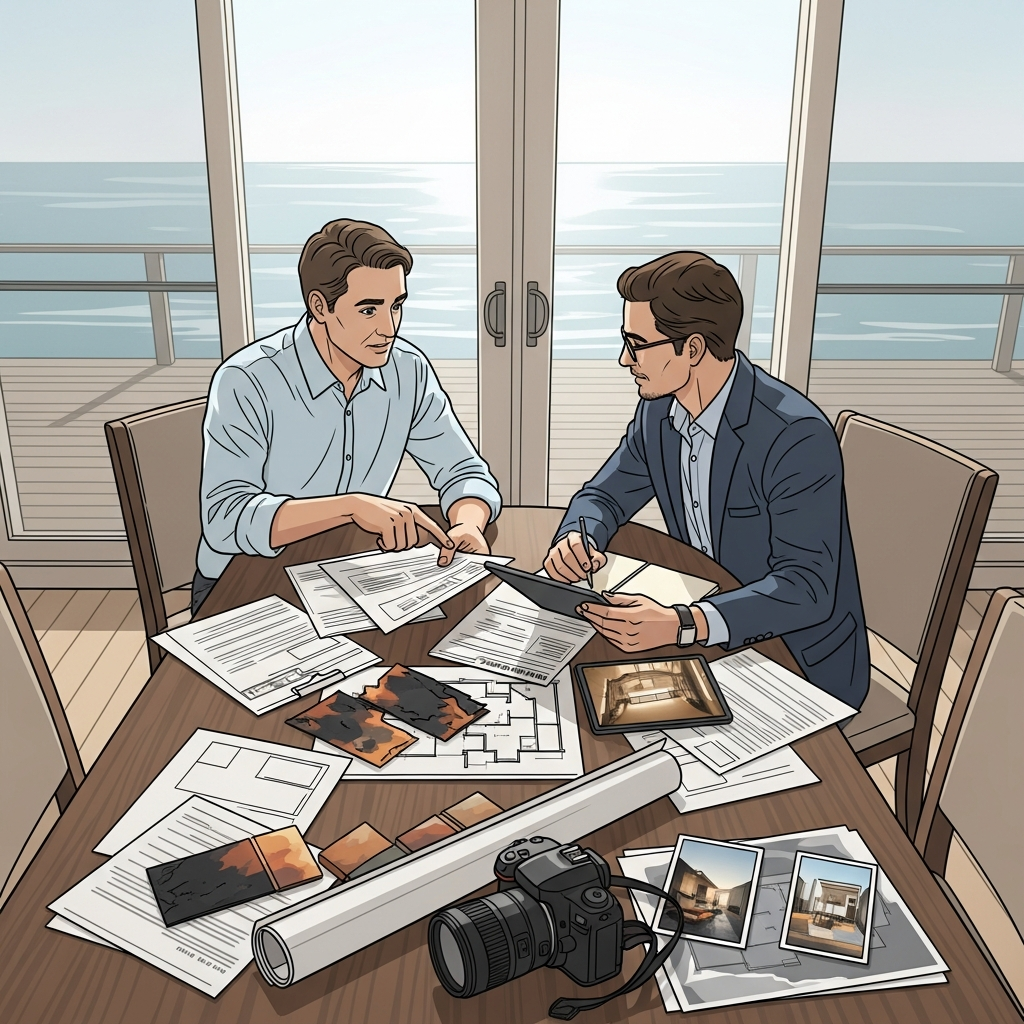
Start with photographs and a simple room-by-room log. Note odors, visible soot, and any surfaces that feel tacky or dusty to the touch. List electronics and fixtures with serial numbers where possible. If your Malibu home includes custom finishes—limewash walls, reclaimed beams, handmade tiles—capture those in close-ups. These serve as anchors for the restoration plan and help demonstrate why certain cleaning or repair techniques are warranted.
As work begins, your contractor’s daily notes become essential. Moisture maps, test cleaning results, and air quality milestones not only guide the team but also back up supplements when hidden issues emerge. In Malibu, surprises often hide in attics, behind built-ins, or within HVAC systems. When those discoveries are paired with clear photos and measurements, they integrate into coverage discussions with fewer delays.
Smoke, Soot, and the Coastal Variable
Malibu’s proximity to the ocean introduces a detail insurance professionals appreciate when it’s well documented: salt can accelerate corrosion when combined with soot and moisture. Stainless fixtures may show haze or spotting, and delicate electronics can be vulnerable even when they appear clean. When your restoration plan includes corrosion control or specialty cleaning, tie it directly to the local environment and the behavior of smoke during the event. This context helps the claim reviewer understand why the recommended steps are necessary rather than optional.
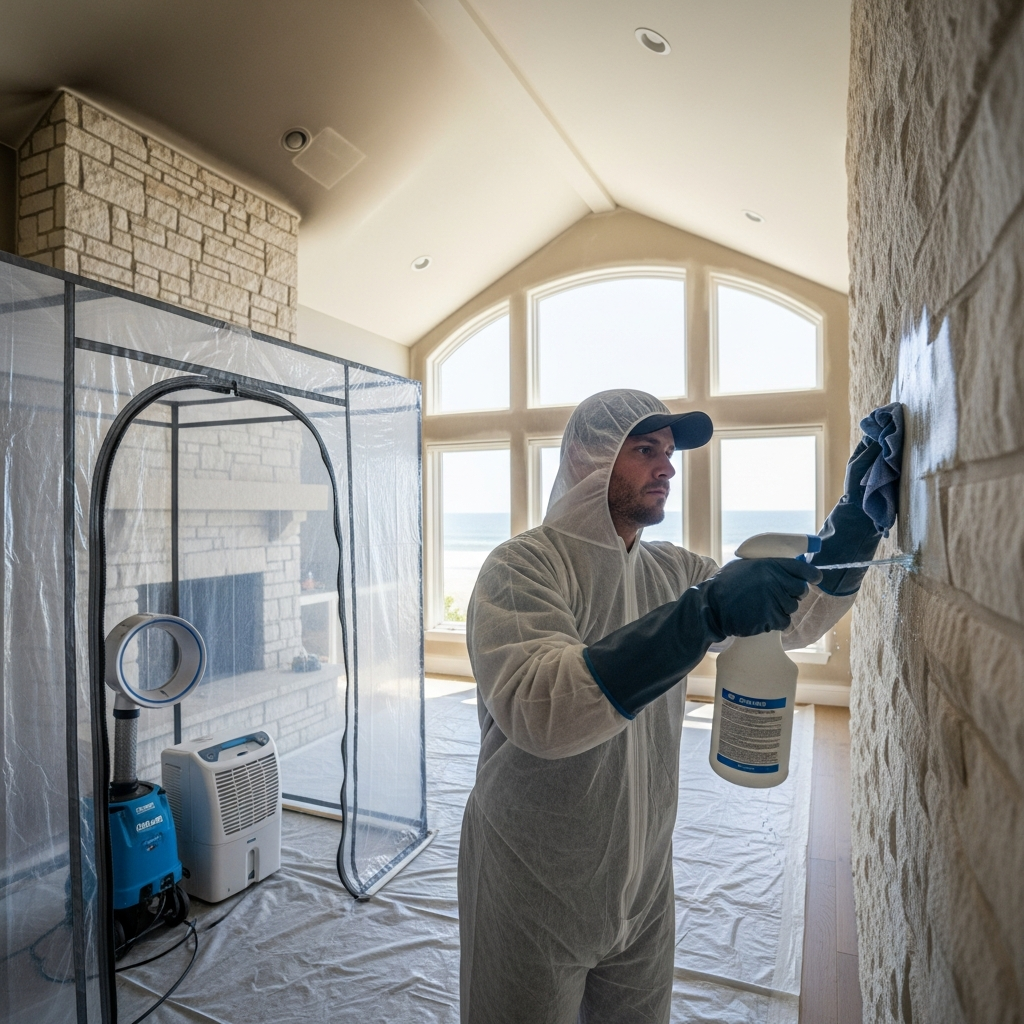
Odor control benefits from the same clarity. A strong plan sequences source removal, deep cleaning, and deodorization that might include hydroxyl treatment or thermal fogging. Explain how Malibu’s daily humidity swings and marine layer can agitate residues, making a layered approach essential to a lasting result. The more clearly these connections are made, the more seamless the approval process tends to be.
Aligning Estimates With Your Policy
When you receive a restoration estimate, expect it to be organized in a way that helps an adjuster review it quickly. Room-by-room narratives, photos, and method descriptions allow a reviewer to connect each line to a specific condition. Where decisions depend on test results—such as whether insulation can be cleaned or must be replaced—the estimate should outline the criteria. This reduces back-and-forth, sets expectations, and minimizes friction as the project advances.
Supplements are a normal part of restoration claims. As concealed spaces are opened, additional soot, charring, or moisture may be discovered. Each supplement should be supported by photos, measurements, and a concise narrative linking the discovery to the event and the required corrective action. This disciplined approach supports approvals and keeps the project moving.
Loss of Use and Living Comfort During Restoration
When rooms are unsafe or uncomfortable, loss of use or additional living expense coverage can support temporary arrangements. Malibu families often prefer to remain at home while work is sequenced room by room, and that’s possible in many cases with proper containment, filtration, and scheduling. Where relocation is necessary, staying organized with receipts and a simple daily log ensures you can later present a clear record connected to the timeline of the work.
Communication is your ally. Ask your contractor for weekly summaries and photo updates that mirror how adjusters think. When milestones are visible—containment in place, drying stabilized, soot removal verified, odor levels reduced—coordination with your insurer feels less like an obstacle and more like a partnership focused on safety and comfort.
Ordinance and Law in a Coastal Wildfire Zone
Repairs sometimes trigger code updates. In Malibu, common examples include ember-resistant vents, specific underlayment or roofing details, and energy-efficiency standards. If these become part of your project, link them to the requirement and the affected area. Documentation might include a brief note about the triggering repair, a photo of the existing condition, and the inspector’s guidance. Aligning your file with ordinance or law provisions helps avoid confusion and supports a smoother approval sequence.
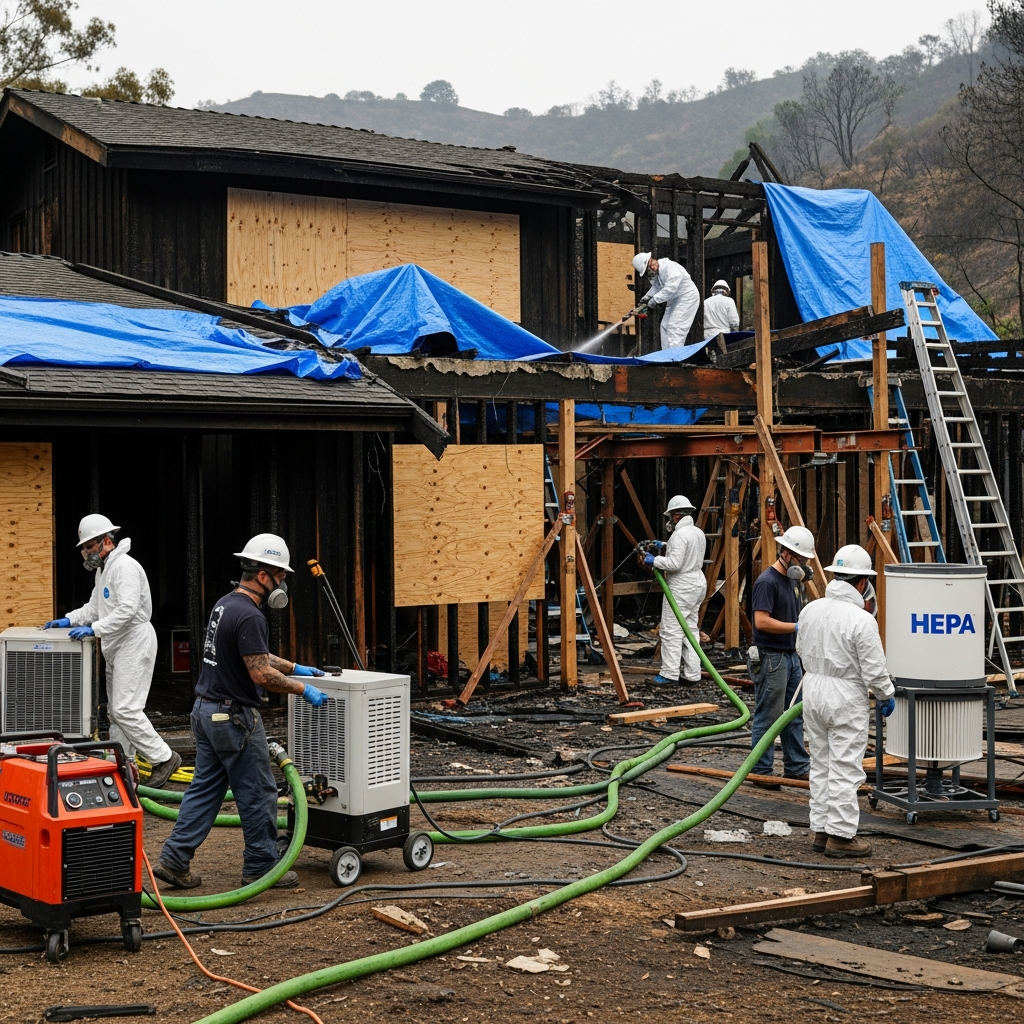
Because Malibu’s terrain often complicates access, crews may stage equipment creatively to protect driveways, slopes, and landscaping. This isn’t simply a logistical note. It explains why certain approaches are necessary and why the plan includes protective measures that might not appear in a standard, suburban project file. Again, clarity prevents questions later.
Working With Adjusters and Specialists
Adjusters bring valuable perspective; they review many claims and can help ensure consistency. Treat them as collaborators. Invite walkthroughs, share test results, and be ready to explain local variables like marine layer moisture and salt effects. Where specialized assessments are needed—HVAC inspections, electronics evaluation, or structural engineering—integrate those reports into your file so that your story remains cohesive from first notice of loss through final sign-off.
Public adjusters and consultants can be helpful in some situations, particularly in complex losses. Whether you bring additional professionals into the process or not, your contractor’s documentation remains the backbone of the restoration narrative. The more tightly that record ties actions to observed conditions, the easier it becomes for any reviewer to follow the logic and authorize the necessary steps.
Timelines, Patience, and Keeping Momentum
Restoration is a sequence: stabilize, dry, clean, deodorize, repair, verify. Malibu projects add the rhythm of coastal weather and canyon access. Some days move quickly as rooms clear of soot; others focus on behind-the-scenes drying or waiting for an inspector’s green light. Keep milestones in view, celebrate progress as spaces return to service, and continue to capture photos and notes that show the home steadily earning back its comfort.
Halfway through, it’s common to meet with your contractor and review the file. This is a chance to confirm that all changes have been documented, that ordinance-related notes are up to date, and that upcoming steps align with both the plan and your household’s routines. It’s also a chance to ask new questions—about odors that spike at certain times, about the order of room handovers, or about finishes that might be upgraded for resilience without changing the home’s spirit.
The Human Side of the Claim
Claims revolve around facts, but homes revolve around people. Keep space in your process for the small things that matter: a child’s bedroom feeling safe at bedtime, a familiar scent returning to the kitchen, the absence of ash on a sunny windowsill. Discuss these with your team and include them in your priorities. Most professionals are homeowners and neighbors, too; they understand that a successful restoration doesn’t end with a sign-off, it ends when life feels normal again.
All of this points toward one central lesson: organization and clear storytelling are your greatest tools. In Malibu’s unique setting, the better your file explains cause, effect, and the logic of each step, the more smoothly your coverage aligns with the work itself. That alignment is what turns a complex process into a steady progression toward home.
Frequently Asked Questions
Which parts of a typical policy apply to fire restoration?
Dwelling coverage addresses the structure, personal property covers belongings, loss of use supports temporary living arrangements, debris removal handles cleanup from damaged materials, and ordinance or law covers required code updates triggered by repairs.
How do I document smoke damage effectively?
Use clear photos, room-by-room notes, and test results from your contractor. Capture how odors behave at different times of day and link cleaning and deodorization steps to those observations.
What about corrosion on fixtures and electronics near the coast?
Salt air combined with soot and moisture can accelerate corrosion. Document early stabilization, protective measures, and any specialty cleaning. Connecting these steps to Malibu’s coastal conditions helps reviewers understand necessity.
Can I stay in my home during restoration?
Often, yes, with proper containment and filtration. Decisions are based on safety and comfort. Where relocation is needed, maintain simple, organized records for loss of use documentation.
How do supplements work?
When hidden damage is discovered—inside walls, attics, or ductwork—a supplement adds the necessary steps. Support it with photos, measurements, and a brief narrative tying the discovery to the event.
What if my policy mentions code upgrades?
Ordinance or law provisions can address required upgrades that become necessary during repairs. Keep notes and photos that show what triggered the change and how it applies to the affected area.
How often should I communicate with my adjuster?
Regular, concise updates aligned with milestones—stabilization, drying, cleaning, deodorization, and repair—keep everyone in step. Weekly summaries with photos are often effective.
If you want a steady hand guiding both the technical work and the documentation that supports it, connect with a Malibu-focused team that pairs craftsmanship with clear communication. Start a conversation today and explore professional fire damage restoration support that respects your policy, your timeline, and the character of your home, so you can move through the process with confidence.