When smoke drifts across the Pacific and the sun takes on that copper hue, Malibu residents know the air carries more than just the scent of brush and wood. It carries microscopic particles that settle into our homes, threading through vents and resting on every surface, even when flames remain miles away. In these moments, expertise matters. The difference between a home that feels refreshed and one that keeps “ghosting” smoke odor for months often comes down to the science behind the cleaning and a deep familiarity with local building practices. If you are evaluating fire damage restoration in Malibu and want a roadmap that respects your home, the coastline, and your daily life, an expert-led approach will guide you from assessment to that first morning when the air simply smells clean again.
Expert restoration blends three disciplines: building science, materials conservation, and project choreography. Building science explains how air, heat, and moisture move through structures, especially in Malibu’s microclimates where afternoons bring onshore breezes and nights invite a cool marine layer. Materials conservation ensures that plaster, hardwood, tile, stone, textiles, and metals are treated in ways that preserve their integrity. Project choreography brings the right steps in the right order: containment before cleaning, drying before sealing, and verification before declaring a room complete. When these elements work together, the results feel quietly right—doors swing smoothly, finishes look natural, and the space smells like nothing at all.
What Makes Smoke So Difficult?
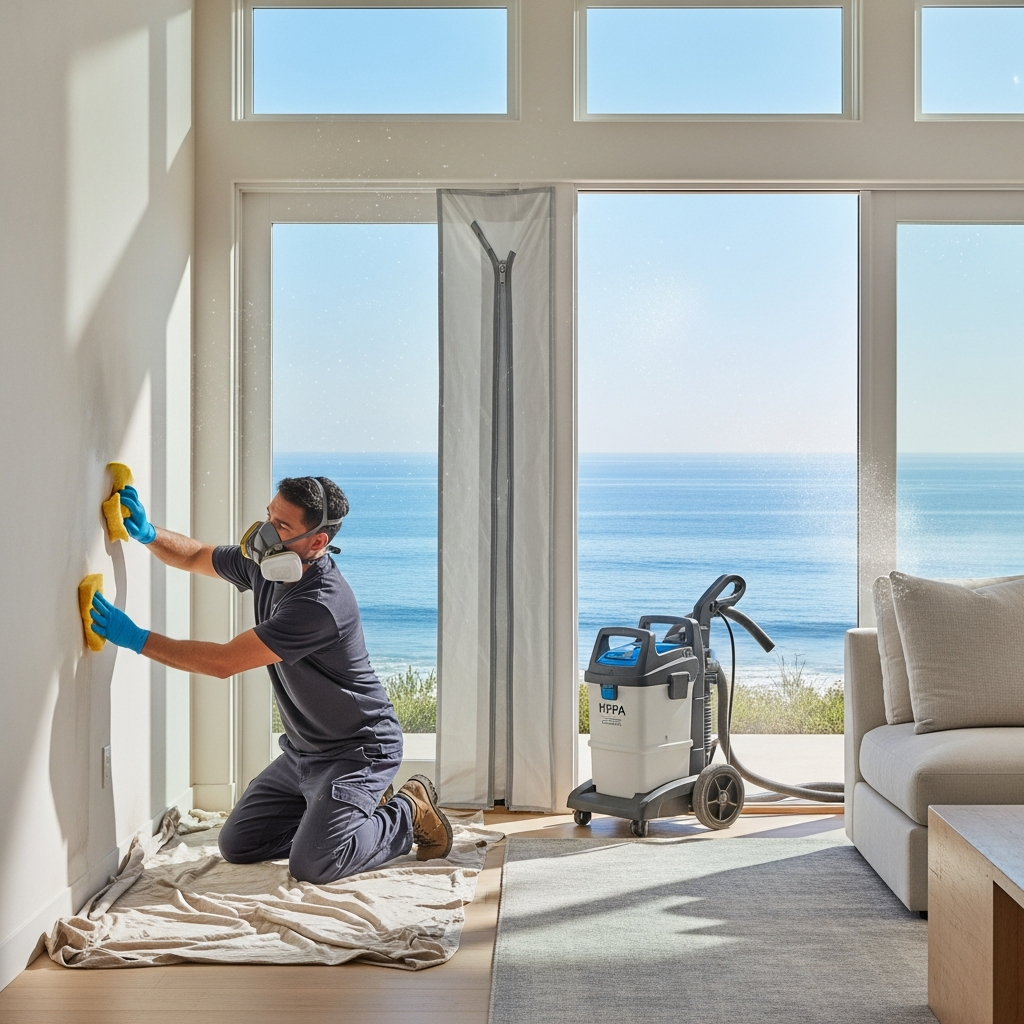
Smoke is not one thing; it is a spectrum. Fast, high-heat fires produce dry, powdery soot that can be lifted with HEPA vacuuming and dry sponges. Slow or smoldering fires yield oily residues that smear under a damp cloth. Protein fires—think kitchen mishaps—leave invisible films that carry pungent odors. Wildfire smoke can combine all three, adding the twist of wind-driven ash and the coastal cocktail of salt and humidity. This chemistry matters because it dictates how cleaning proceeds. Using the wrong agent at the wrong time can set stains or drive contaminants deeper into porous materials.
Another challenge is deposition. As smoke cools, it follows air currents and preferentially deposits on cooler surfaces. That is why you find heavier residues on exterior walls, in corners, or around nail heads on painted drywall, where thermal bridges create subtle cool spots. Understanding these patterns prevents surprises and reduces rework. Experts learn to “read” a room—where smoke entered, where it stalled, what paths it took—so the plan addresses both the obvious and the hidden.
Assessment: The Map Before the Journey
A thorough assessment is the backbone of expert work. It begins with safety and access, then moves to a room-by-room survey for structural impacts, soot types, and moisture. In Malibu, we always account for wind direction during the event, proximity to burned vegetation, and topography. Did embers likely flow down the canyon toward an eave? Did the onshore breeze push smoke through vented soffits? Are there roof valleys that trap debris? These local questions inform the inspection, guiding where to open small areas for a peek and where to deploy thermal imaging or borescopes.
We also test. Simple wipe tests can identify soot type and load. Acidic residue tests help prioritize metal surfaces for urgent neutralization. Where high-value finishes are involved, we perform small, discreet cleaning trials to calibrate methods. In homes with extensive art or collections, we consult with conservators to structure pack-outs and treatments that honor both aesthetic and monetary value.
Containment and Air Management
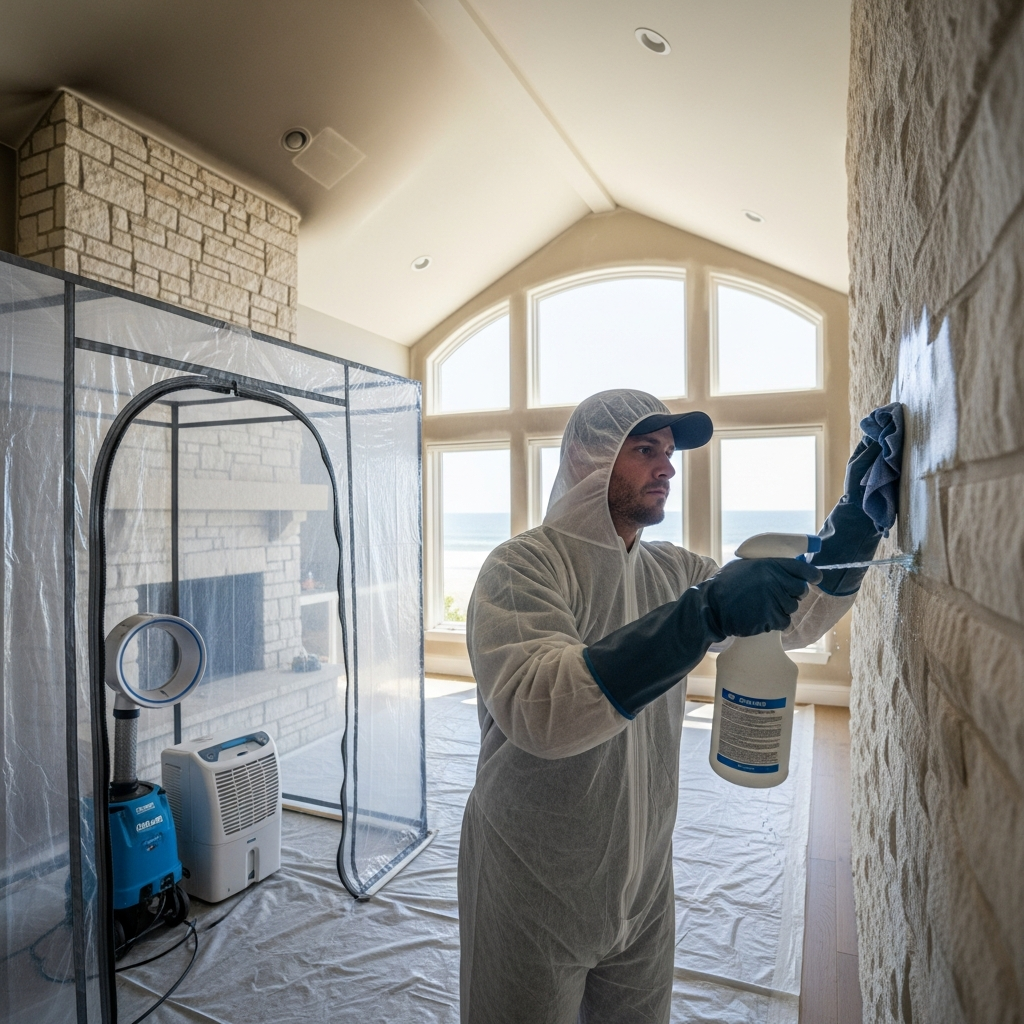
Containment is not glamorous, but it is essential. By creating pressure differentials—negative pressure in work areas and neutral to slightly positive pressure in clean zones—we prevent fine soot from riding air currents back into finished rooms. Doorways receive zipper walls; floor protection is breathable to avoid trapping moisture; and air scrubbers with HEPA filtration run continuously while cleaning is underway. In Malibu’s open-plan homes with pocket doors and oversized sliders, air pathways can be complex, so placement and sealing demand extra care.
Air management also extends to HVAC systems. Filters are upgraded; returns and coils are inspected; and, if warranted, ducts are cleaned or sealed. Only once systems test clean do we bring them back online. This sequencing prevents the familiar frustration of odors or dust reappearing after everything looked perfect.
Cleaning That Preserves Materials
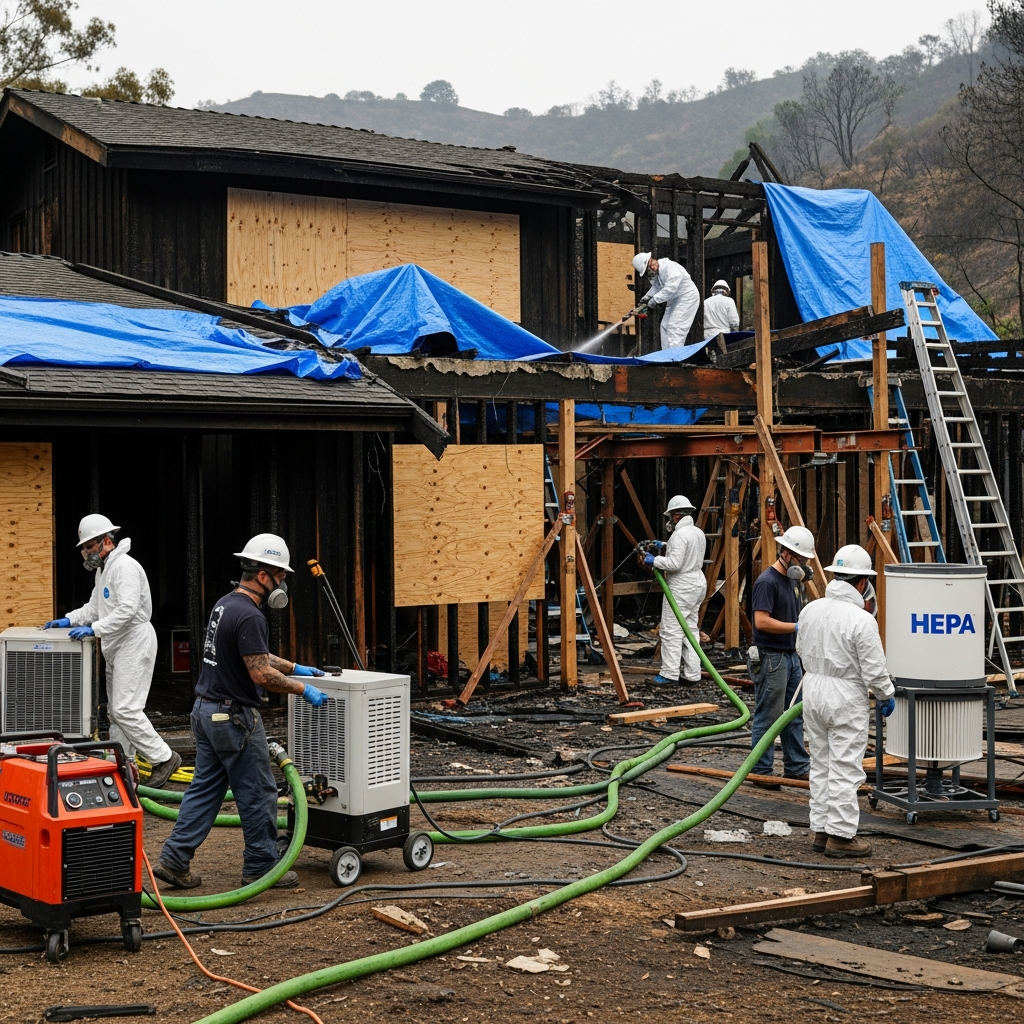
An expert’s cleaning kit is less about force and more about finesse. Dry sponges lift from painted surfaces without abrading; microfiber captures fine particles; specialized detergents emulsify oily residues without soaking substrates. Where structural wood is charred, dry ice or soda blasting removes carbon while protecting underlying fibers. For delicate plasters and limewashes, solvent gels and poultices draw out contamination without stripping. Natural stones get pH-appropriate cleaners to prevent etching, while metals receive neutralization followed by corrosion inhibitors chosen for the coastal environment.
Textiles and soft goods require parallel strategies. Some items are best laundered with enzyme-based products; others respond to solvent cleaning. Odor control utilizes hydroxyl treatment or carefully dosed ozone in unoccupied settings, paired with thorough washing and drying cycles. Items too precious for routine methods are routed to conservation-focused partners who work under controlled conditions. Throughout, tracking ensures that every piece returns to its room in the same or better condition.
Odor Elimination: Source, Process, Verification
True odor removal flows from three pillars. First, remove the source through detailed cleaning and, where necessary, selective demolition of materials that absorbed smoke beyond cleaning’s reach. Second, process the remaining air and materials with targeted deodorization that suits occupancy and finishes. Third, verify results with both instruments and nose. Instruments tell us when particulate counts fall and when humidity and temperature sit in the ideal ranges. The nose tells us whether a closet, a drawer, or the felt backing on a rug still carries a whisper of smoke when warmed by sunlight. Only when both line up do we consider a room complete.
Verification often surprises homeowners by its thoroughness. We return after a warm afternoon or after running the heater, conditions that tend to tease out stubborn odors. We also check soft goods in use—pillows, throws, and frequently handled items—because daily contact can reactivate what seems gone. Experts look for these edges and address them before handing back the keys.
Moisture and the Marine Layer
Wildfires rarely leave homes dry. Even when fire never reached your parcel, humidity can spike and firefighting water can travel in unexpected ways. In Malibu, evening moisture from the marine layer complicates drying. We map dampness with meters and thermal cameras, establish contained drying zones, and use dehumidification to pull moisture down to stable levels. Floors, especially hardwood and stone over mortar, receive special attention. Preventing secondary damage—warping, delamination, staining—protects both beauty and value.
Electronics and metal surfaces face a unique risk in our coastal context: corrosion. Soot plus salt and humidity is the perfect recipe for pitting and failure. That is why we prioritize neutralization on stainless appliances, fixtures, and hardware, and why we advise against powering sensitive electronics until they are cleaned and dried under controlled conditions.
Project Choreography and Communication
Expert projects feel orderly even when the scope is large because the sequence is right and communication is steady. Homeowners receive clear daily notes about what is done and what is next. Adjusters see documentation that justifies choices. Trades know when to arrive and what conditions to expect. From the outside, it looks like choreography: containment goes up; bulk cleaning begins; selective removals happen; deodorization proceeds; fine cleaning brings back luster; rebuilding restores function and form.
Midway through, there is often a turning point. The windows no longer film over. The bedroom smells like linen and ocean again. The HVAC hum sounds like normal life, not a project. If you are comparing approaches to Malibu fire and smoke damage restoration, look for this level of planning and follow-through. It is the difference between short-term relief and a lasting return to comfort.
Rebuild with Resilience
After cleaning and deodorization, rebuilding brings choices that can make a home stronger. Ember-resistant vents, ignition-resistant decking, and smart landscaping within defensible space guidelines are worth considering. Inside, improved air sealing and higher-efficiency filtration elevate everyday comfort. In the coastal zone, selecting corrosion-resistant fixtures and fasteners reduces maintenance. These upgrades do not need to alter a home’s character; instead, they quietly harden it against future events.
Permitting in Malibu may be a part of this phase. Coordinating early with the city smooths reviews, especially where exterior changes intersect with coastal regulations. Documenting pre-loss conditions and proposed resilience improvements helps align expectations and keep momentum steady.
Frequently Asked Questions
Why do odors return after a home seems clean?
Odors often return when hidden reservoirs—attic insulation, HVAC components, or porous materials—were not fully addressed. Heat or sunlight can reactivate trapped compounds. A thorough plan includes source removal, proper deodorization, and verification under warm conditions to confirm results hold.
How do experts decide what to clean versus replace?
Decisions hinge on material type, heat exposure, soot chemistry, and access. Test cleaning guides choices. We aim to preserve whenever cleaning can restore appearance and function without leaving odor or structural risk. Replacement is reserved for items that cannot be cleaned to a safe, satisfying standard.
Is ozone safe for my home?
Ozone can be effective in unoccupied settings with proper controls, but it is not used while people or pets are present and is not appropriate for all materials. Many Malibu projects favor hydroxyl treatment during occupancy, combined with source removal and targeted sealing where necessary.
How long does expert restoration take?
Light smoke impacts may resolve within a few weeks; heavier losses involving demolition and rebuild can take months. The timeline reflects scope, access, permitting, and material lead times. Clear sequencing and communication keep the project moving smoothly.
Can we live in the house during restoration?
Sometimes. When damage is moderate and containment can maintain clean living zones, families may remain onsite. Significant demolition, heavy soot, or compromised utilities typically prompt a temporary move to protect health and accelerate work.
What about electronics and artwork?
Electronics should remain off until inspected and cleaned due to corrosion risk. Artwork and high-value items benefit from early stabilization and, often, offsite treatment in controlled environments. Documentation and careful packing protect condition and provenance.
Do Malibu’s coastal conditions change cleaning methods?
Yes. Salt and humidity accelerate corrosion, so early neutralization on metals is prioritized, along with balanced drying to prevent moisture-related damage. Scheduling also accounts for onshore winds and marine layers to reduce recontamination.
Partner with Local Expertise
When your home, your routines, and your sense of ease are interrupted by smoke or fire, you deserve a plan grounded in science and shaped by local experience. From fine cleaning to resilient rebuilds, we bring a measured approach that restores comfort for the long term. If you are ready to start with a clear assessment and a step-by-step path back to normal, reach out today. For expert guidance in fire damage restoration in Malibu, our team is ready to help you breathe easy again.