In Malibu, fire damage rarely presents as a single, tidy problem. Coastal air, variable winds, and hillside construction combine to create a layered set of challenges that unfold in the days and weeks after the flames are out. Homeowners often encounter problems that seem unrelated at first—stubborn odors, hazy film on windows, creaking floors, or intermittent HVAC performance—only to learn they all tie back to the fire event. Understanding the most common restoration issues in our area helps you prioritize action and avoid well-intended missteps. If you are beginning to research what a full scope of work should include, a useful primer like this keyword can provide context and a roadmap.
Soot Migration and Hidden Contamination
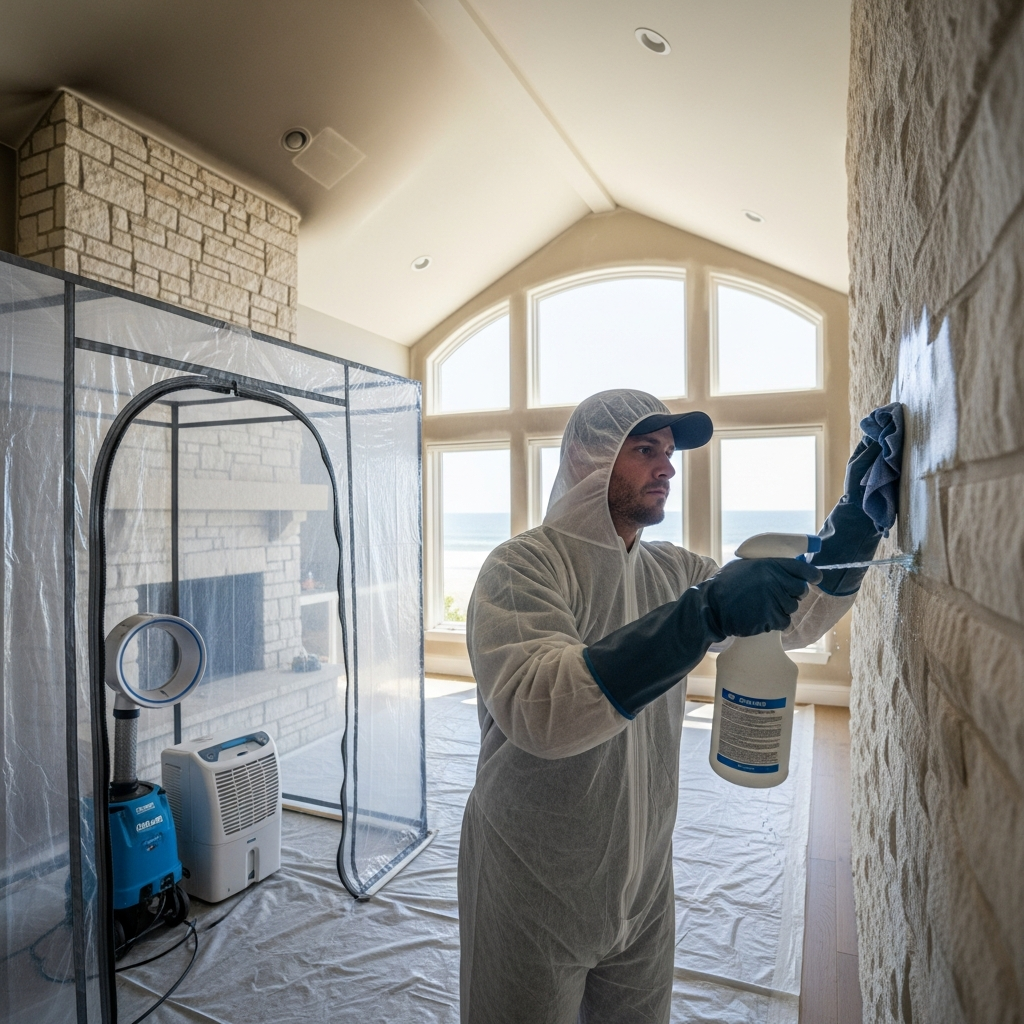
Soot moves like smoke because it is smoke, simply cooled and settled. In Malibu’s microclimates, winds can draft soot into eaves, attics, and wall cavities, while pressure shifts pull it into HVAC returns and out through supply vents. The result is contamination in rooms that never saw flame. A common mistake is surface-only cleaning in the visibly affected area while odors persist elsewhere. Proper restoration creates containment zones, uses negative air pressure to prevent cross-contamination, and follows a top-down, clean-to-dirty methodology. Ductwork inspections are essential, and in many cases, filtration upgrades are recommended during and after the project.
The second layer of the problem is residue type. Protein fires from kitchens leave a nearly invisible, sticky film that clings to cabinets and appliances, while synthetic materials produce oily soot that smears easily. Without the correct cleaning chemistry, attempts to wipe surfaces can lock in discoloration and odor. Professional technicians test residues, select specific agents, and work methodically to remove rather than spread contamination.
Moisture from Firefighting and Secondary Damage
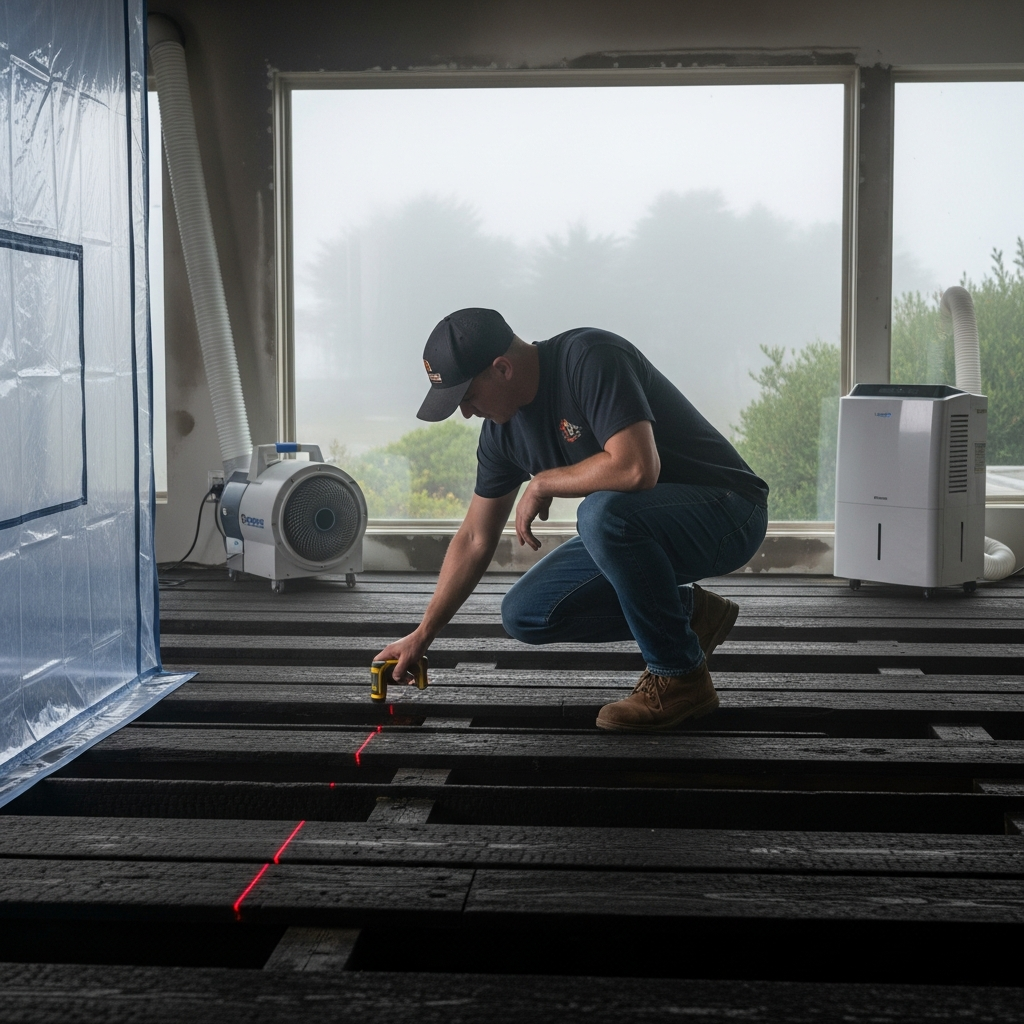
Even small fires can leave large amounts of water behind. If not promptly extracted and dried, that moisture wicks into subfloors, baseplates, and framing, inviting microbial growth. In Malibu’s coastal humidity, drying timelines can be longer than in inland areas, and equipment placement must consider temperature swings between foggy mornings and warm afternoons. A frequent issue is fast drying on surfaces while deeper layers remain wet. Moisture mapping and thermal imaging address this by identifying pockets that need targeted airflow and dehumidification. Without it, floors may cup, and walls can develop hidden problems that surface months later.
Homeowners also encounter corrosion on metal fixtures and appliances after mixed exposure to water and soot. Salt in the air acts as an accelerant. Restoration teams mitigate this with prompt cleaning, corrosion inhibitors, and, when necessary, controlled replacement of components most vulnerable to long-term degradation.
Persistent Odor and Incomplete Deodorization
One of the most frustrating issues is odor that fades, then returns with a change in weather. This often indicates that source materials remain or that residues were not fully neutralized. Effective deodorization follows a sequence: remove charred materials, clean surfaces thoroughly, and then apply advanced odor-neutralizing treatments. Skipping steps or relying solely on fragrances leaves the root causes untouched. In Malibu, thermal expansion and contraction can push trapped odor molecules out of small voids with daily temperature changes, making a thorough approach the only reliable fix.
Another misstep is sealing in odor prematurely with paints or finishes. While sealers have their place, they are not substitutes for cleaning. If residues remain active underneath, the smell can break through over time. Professionals know when to clean, when to seal, and how to verify results before finishes go on.
Electrical, Mechanical, and HVAC Complications
Smoke behaves like a test current running through a home’s systems, revealing weaknesses. Outlets that worked before may trip breakers, and electronics exposed to soot can corrode internally if powered on too soon. HVAC systems are frequent culprits in ongoing odor and particulate circulation. Filters need immediate replacement, and ducts require inspection to avoid recontamination of cleaned rooms. In homes located near the shoreline, salt plus soot is a recipe for accelerated wear; proactive checks on stainless fixtures, hinges, and appliances can prevent future failures.
Mechanical rooms and utility closets often get overlooked during the chaos of initial cleanup. Yet these spaces can be the entry point for soot into the entire home. Restoration scope should include them, with attention to ventilation paths and any penetrations that allow movement between floors or into attics.
Surface Etching and Finish Damage
Soot is acidic, and when combined with moisture, it can etch glass, corrode metals, and stain stone. Homeowners sometimes discover hazy windowpanes days after a fire because residues interacted with morning fog. Counters made of marble or limestone can dull or discolor without prompt neutralization. Professional teams test pH, select appropriate cleaners, and apply protective treatments where useful. For high-value finishes—custom metalwork, imported tile, or textured plaster—specialized methods prevent turning an easily reversible issue into a permanent blemish.
Access, Logistics, and Neighborhood Realities
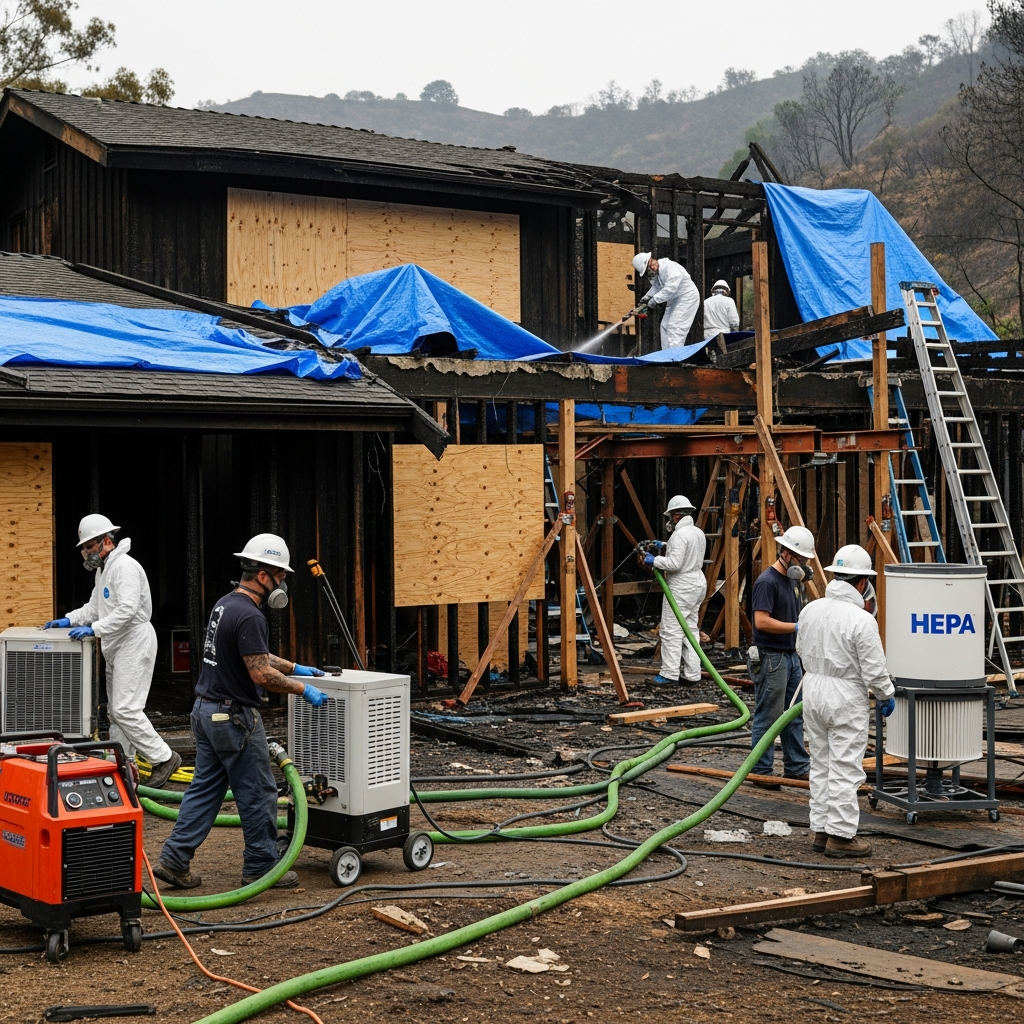
Malibu’s geography adds practical issues to every restoration. Narrow roads, gated communities, and limited staging areas can slow material deliveries and debris removal if not planned. After larger events, coordination with waste facilities is crucial to avoid delays. Local teams anticipate these constraints, schedule around school traffic and beach hours, and communicate with neighbors to keep the project respectful and efficient. Proper planning here keeps work moving and minimizes friction at a time when patience is already thin.
Insurance Communication and Documentation Gaps
Another common stumbling block is incomplete or disorganized documentation. Adjusters need itemized inventories, clear photos, and measurable readings. When those are absent, claims bog down. Restoration professionals prepare this documentation as they go: moisture maps, before-and-after imagery, and line-item scopes. Working from a shared record reduces back-and-forth and protects your interests, especially on complex losses where categories of damage overlap.
Homeowners sometimes underreport smoke-affected contents early on, only to realize later that closets, drawers, and storage areas were impacted. A thorough walk-through with a contents specialist prevents missed items and reduces the emotional weight of discovering yet another thing that smells like smoke weeks later.
Setting the Project Up for Success
Clarity at the outset prevents most common issues. That means hazard assessment, temporary power planning, secured openings, and a safety-first mindset on site. It also means calibrating expectations. Even small fires can take weeks to resolve fully because materials must be dried, cleaned, and verified before finishes are reinstalled. With Malibu’s coastal variables, patience paired with a structured plan is the formula for success.
As you evaluate your situation, a concise reference can center your decision-making and help set priorities. Consider reviewing this practical keyword to understand typical stages, timelines, and homeowner roles in a full restoration.
Frequently Asked Questions
Q: Why does the odor keep coming back? A: Odor often returns when source materials or residues remain. Thorough source removal, deep cleaning, and proper neutralization prevent recurrence, especially with Malibu’s daily temperature swings.
Q: Should I replace windows with a haze on the glass? A: Not necessarily. In many cases, professional cleaning can remove etching and residue. Timely action is important to avoid permanent damage.
Q: Is it safe to use appliances after a fire? A: Not until they are inspected. Soot and moisture can corrode internal components. Powering on too soon can cause failures or safety hazards.
Q: Can I stay in the home during restoration? A: Sometimes, if damage is contained and air quality is managed. For significant smoke or structural issues, temporary relocation may be recommended for safety and comfort.
Q: What about items in closets and cabinets? A: Enclosed spaces often trap soot and odor. They need inspection and cleaning even if they look fine at first glance.
If you are dealing with any of these common issues, you are not alone, and you do not have to guess your way forward. Connect with a local team that understands Malibu’s unique challenges. To get oriented and take the next informed step, start with this helpful keyword and move toward a complete, confident recovery.