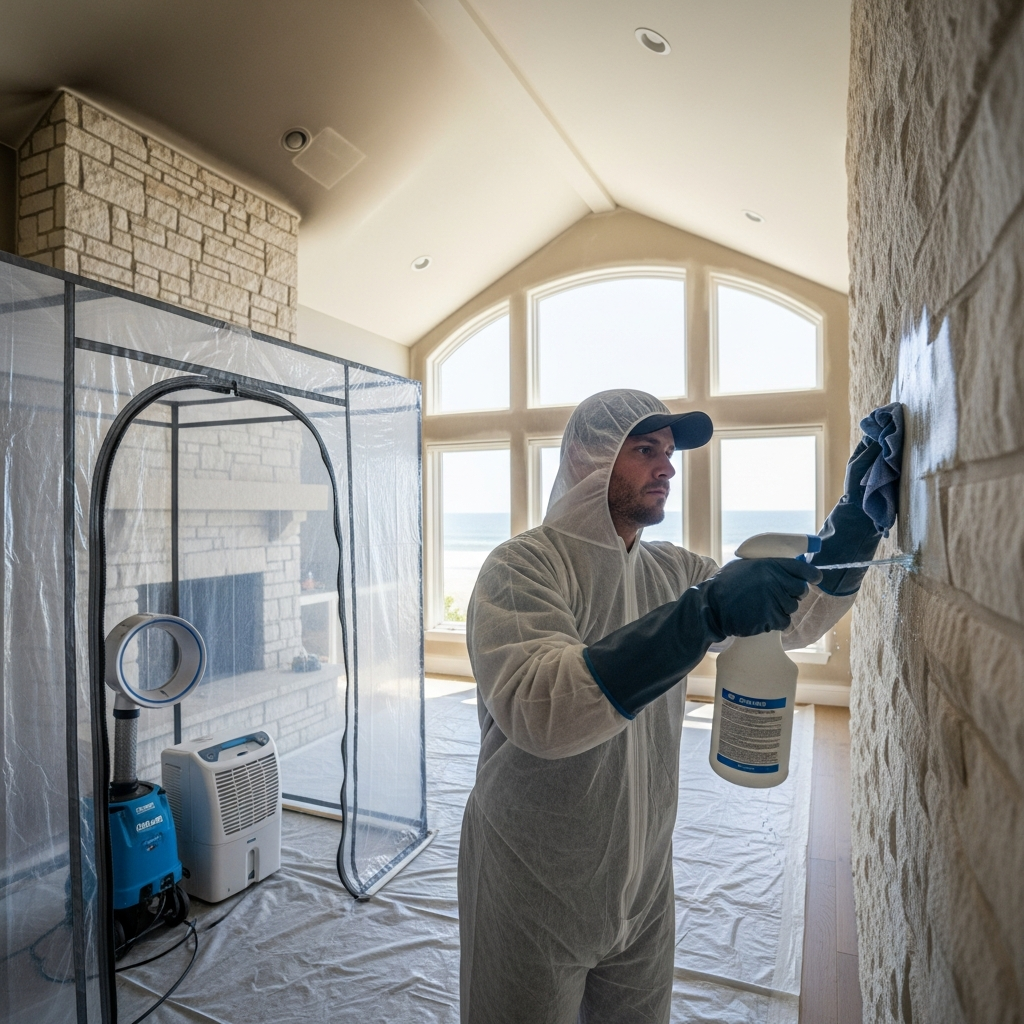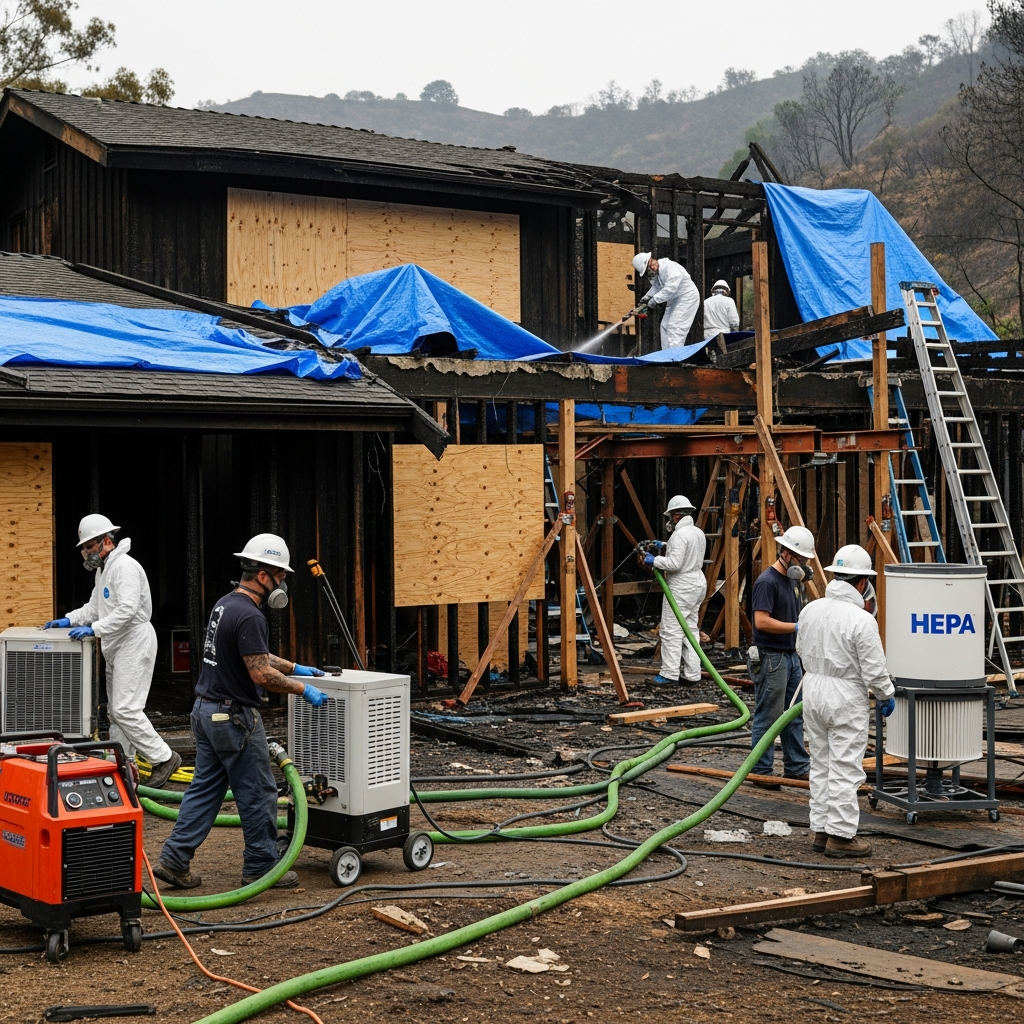
There is a special kind of relief that comes when the last air scrubber is wheeled out and your Malibu home is declared restored. The walls are clean, the odors are gone, and the noise of equipment gives way to the familiar hush of your living room. Yet the weeks and months after professional restoration are just as important as the emergency phase. Home care in this period helps protect the work that has been done and supports a healthy, comfortable return to daily life. If you are just emerging from the experience and want a quick orientation on what best practices look like, a clear overview like this keyword can reinforce the basics and give you confidence as you settle back in.
Reoccupying with Care: The First Weeks
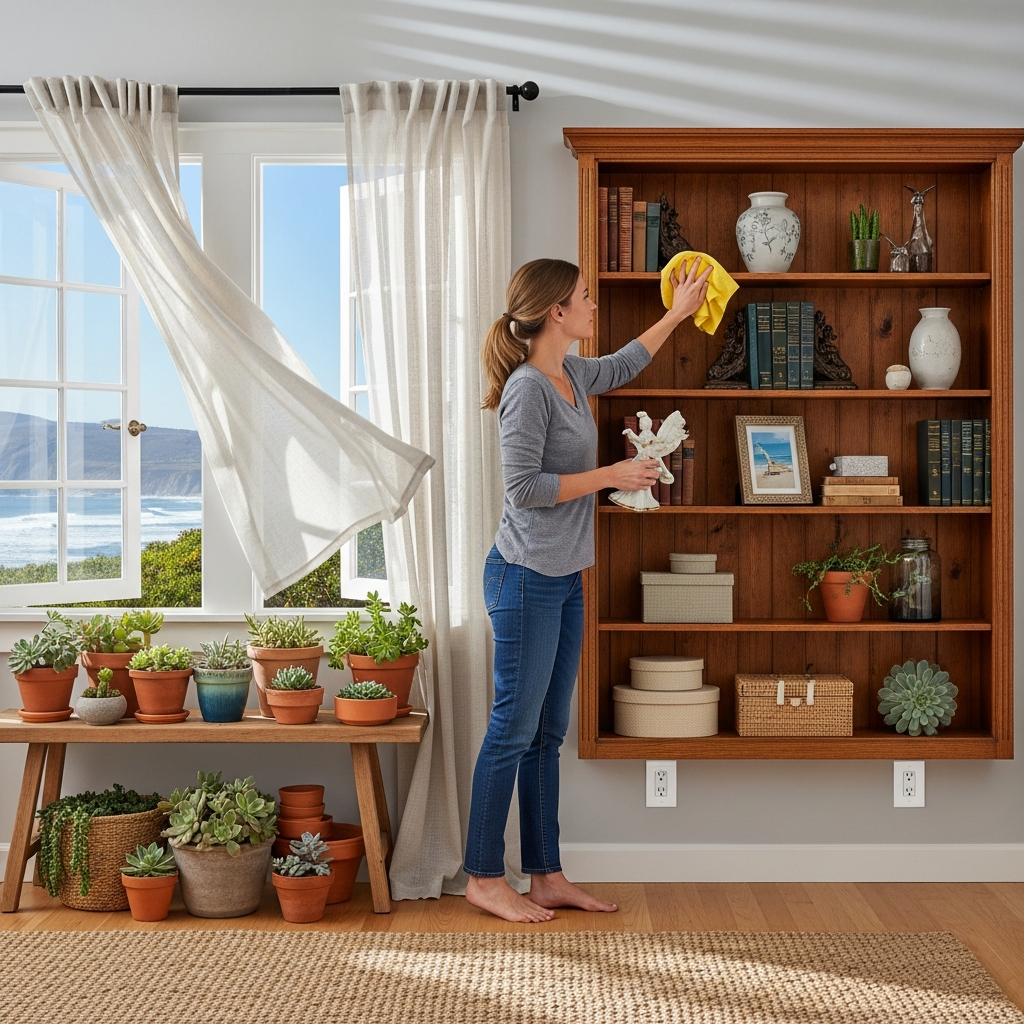
Reentering a restored space is a transition. Air quality has been verified, materials are dry, and damaged components have been repaired or replaced. Still, your home is adjusting—coatings are curing, new materials are integrating, and the HVAC system is recalibrating to its normal routine. For the first couple of weeks, consider a gentler approach to housekeeping. Use microfiber cloths for light dusting rather than aggressive cleaners, and ventilate naturally when weather allows to help any remaining neutral odors dissipate. Malibu’s coastal conditions mean mornings can be damp and afternoons dry; taking advantage of these rhythms helps your home rebalance without introducing harsh products that could interfere with finishes.
Pay attention to your HVAC system. Filters should have been replaced during restoration; set a reminder to check them again after two weeks, then monthly for the first quarter. Fine particulates can continue to settle out even after deep cleaning, and proactive filter changes keep your air crisp. If you notice localized odors around returns or in specific rooms, bring it up with your restoration team; it could indicate a small pocket that needs targeted attention.
Textiles, Rugs, and Upholstery
Cleaned textiles may continue to off-gas a neutral scent for a short period, especially larger rugs and upholstered pieces. This is normal and fades with airflow and time. Avoid sealing items in plastic; breathable storage allows residual moisture to equilibrate without trapping faint odors. For outdoor cushions and textiles—a staple of Malibu living—keep an eye on coastal moisture. Allow sun exposure in moderation to refresh fibers, but avoid prolonged UV on delicate materials that were recently cleaned to prevent fading.
When reintroducing stored items, inspect each piece as you bring it back. Drawers and cabinets can harbor hidden residues; even a single smoky book or bag can reintroduce odor to a freshly restored space. A measured, room-by-room approach wins over a rapid, all-at-once move-in.
Surfaces and Specialty Finishes
New paint, sealers, and finishes need time to cure fully. Follow the guidance your restoration team provided for each material, especially in high-touch areas like kitchens and baths. For stone surfaces such as marble and limestone, use pH-neutral cleaners and blot spills promptly. Coastal minerals in tap water can spot sensitive finishes; a quick dry with a soft cloth prevents marks during the first few weeks after reinstallation.
Window glass sometimes shows faint streaking shortly after restoration due to residue interaction with cleaning agents or moisture. If you see this, do not panic. A follow-up with the appropriate glass cleaner, applied sparingly and buffed with a lint-free cloth, usually resolves it. Should haze persist, request a reassessment to rule out etching that may require professional attention.
Odor Awareness and Peace of Mind
One of the quiet anxieties after a fire is the possibility of odors returning. Remember the science behind odor removal: source removal, deep cleaning, and neutralization. If those steps were completed, lingering smells should quickly fade as the home returns to its baseline. However, Malibu’s temperature swings can occasionally pull faint odors from concealed cavities for a short time. If you notice this, note the locations and times of day; patterns help identify small, isolated areas that may need attention rather than indicating a systemic problem.
Your peace of mind matters. Keep a simple log for the first month—filter changes, any unusual observations, and questions that arise. Restoration is a partnership, and your feedback helps close the loop. When in doubt, ask.
Maintenance That Supports Long-Term Health
Routine care protects your investment in the restoration. Schedule HVAC maintenance aligned with the seasons, especially before the warm, dry winds of late summer and early fall. Clean or replace weatherstripping on doors and attic accesses to limit dust and outside particulates. Gutters and roofs deserve extra attention in Malibu; removing debris reduces fire risk and prevents future water intrusion that could trouble recently restored areas.
Consider small upgrades inspired by what you learned during restoration. Better storage for solvents and flammables in garages, enhanced smoke detection in kitchens, and thoughtful placement of fire extinguishers can all make daily life safer without changing the feel of your home. Many homeowners also choose low-emission paints and materials for future projects, keeping indoor air healthier over time.
Family Routines and Emotional Recovery
Restoration brings your home back, but it also asks your routines to adapt. Ease back into gatherings, especially if you have small children or relatives with sensitivities. Let the house “breathe” between events by opening windows during mild days and running your filtration on schedule. Pets, too, may act differently after a disruption; give them familiar bedding and spaces to re-anchor their sense of place.
Do not underestimate the emotional arc. Lighting a candle may feel unnerving at first, or the sound of a distant siren might catch your breath. These responses are normal. As the home reasserts its comfort and the sensory reminders fade, most families find their bearings again. If certain rooms still cue stress, consider small adjustments—fresh flowers, a new lamp, rearranged furniture—that shift the association from “the place where it happened” to “the place we love again.”
Working With Your Restoration Team Post-Project
Good restoration does not vanish the day equipment leaves. Follow-up checks, warranty conversations, and minor touch-ups are part of the process. Keep contacts handy and do not hesitate to ask for a site visit if something does not feel quite right. Clear photos and notes help teams respond efficiently. Malibu’s environment is dynamic; a week of heavy fog can change how finishes behave, and a period of dry winds can make a home feel dustier than usual. Shared awareness ensures small issues stay small.
In the middle of this transition, it can help to revisit a straightforward guide that outlines what comprehensive support looks like and what you can expect if questions arise. This concise keyword is a useful refresher on the scope and standards that define professional care.
Preparing for the Next Season
One of the best gifts restoration gives you is insight. You have seen how your home responded—where smoke traveled, which materials were vulnerable, how ventilation performed. Use that information as you prepare for the next season. Create defensible space, service appliances, and refine household plans. None of these steps need to be dramatic; steady, incremental improvements compound into meaningful resilience.
Frequently Asked Questions
Q: How soon can I resume normal cleaning products? A: Give new finishes time to cure and follow the guidance for each surface. Start with gentle, pH-neutral products and introduce stronger cleaners slowly, only if needed.
Q: What if I notice a faint odor again weeks later? A: Track the when and where. If it is consistent, call your restoration team. Small pockets can sometimes reveal themselves as seasons change and are usually straightforward to address.
Q: Should I have my ducts cleaned again? A: Not typically right away. However, check filters frequently for the first few months. If odors or dust patterns suggest circulation issues, an inspection is wise.
Q: Is it safe to bring back stored items from the garage? A: Yes, but inspect each item. One smoke-affected box can reintroduce odor to a clean room. Work gradually and air items out when needed.
Q: How can I support indoor air quality long-term? A: Maintain your HVAC, use higher MERV filters as appropriate, ventilate naturally when the weather is kind, and keep sources of combustion controlled and well-ventilated.
Coming home again is more than crossing the threshold—it is feeling your shoulders drop when you step inside. If you are ready to protect your restoration and keep your home feeling like home, connect with a trusted local resource. Begin with this helpful keyword and take the next small steps that make a big difference over time.