Anyone who has spent a few seasons in Malibu knows that this coastline is as dynamic as it is beautiful. Fog rolls in from the Pacific, winds slide down the canyons, and the sun that warms our afternoons can also tighten the hillsides into tinder. When a fire touches our community—whether a kitchen flare-up or a wind-driven event—the question becomes: what happens next? Fire damage restoration matters here because the conditions that help fires spread can also complicate recovery. Quick, expert action prevents a cascade of secondary problems: moisture intrusion from suppression, soot corrosion, hidden structural stress, and the subtle but stubborn odors that seem to pulse back with every weather change. For homeowners searching for clarity amid a difficult moment, exploring a reliable overview like this keyword can help align expectations and illuminate the path forward.
Malibu homes are as varied as the terrain itself. We have oceanfront bungalows, steep hillside properties, and custom builds tucked into canyons. Each setting shapes how damage behaves. Salt air accelerates corrosion on metal fixtures after a fire; high humidity encourages certain residues to cling; narrow roads can slow logistics if debris removal is not coordinated. Professional restoration matters because it adapts methods to these realities. It is not enough to clean what you can see. The real art is identifying where soot has traveled, how water has wicked into subfloors, and what combination of containment, filtration, drying, and cleaning will bring a structure and its contents back to form and function.
Health, Air Quality, and the Invisible Aftermath
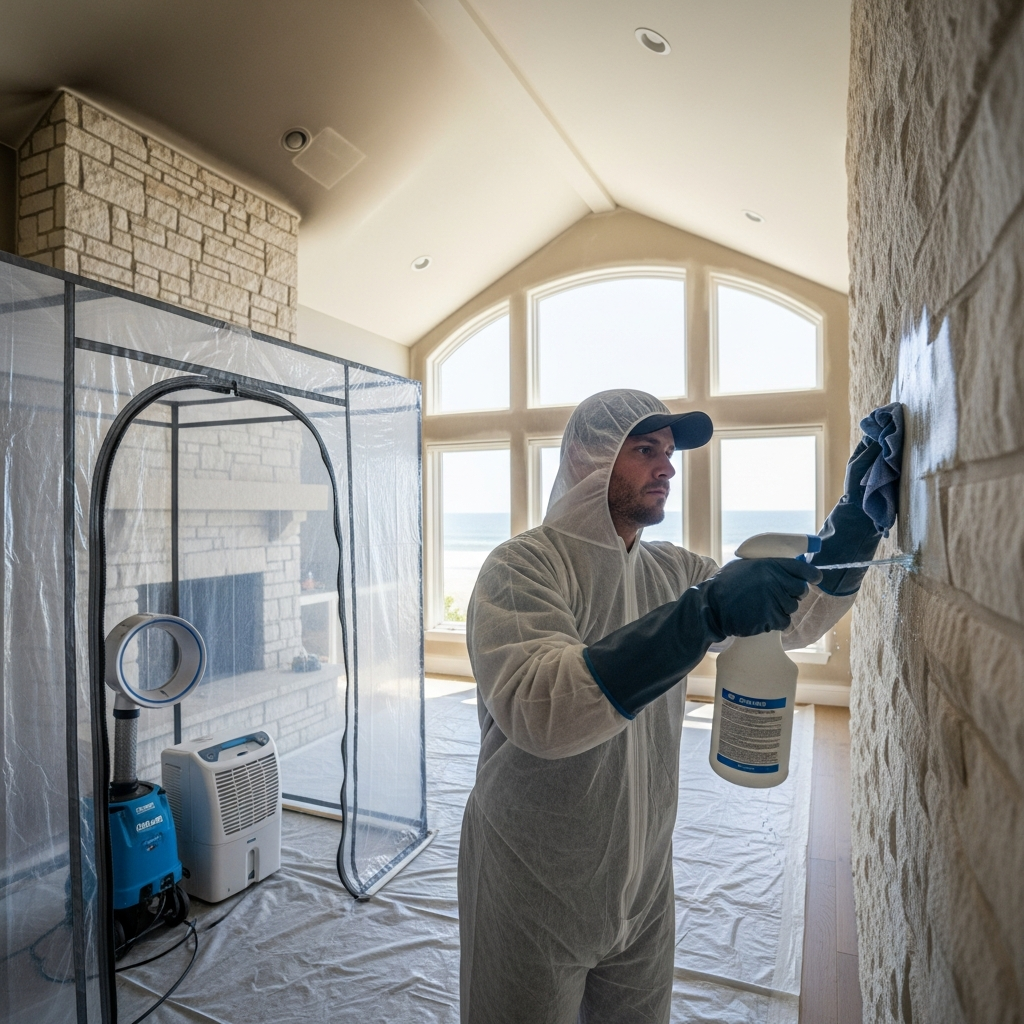
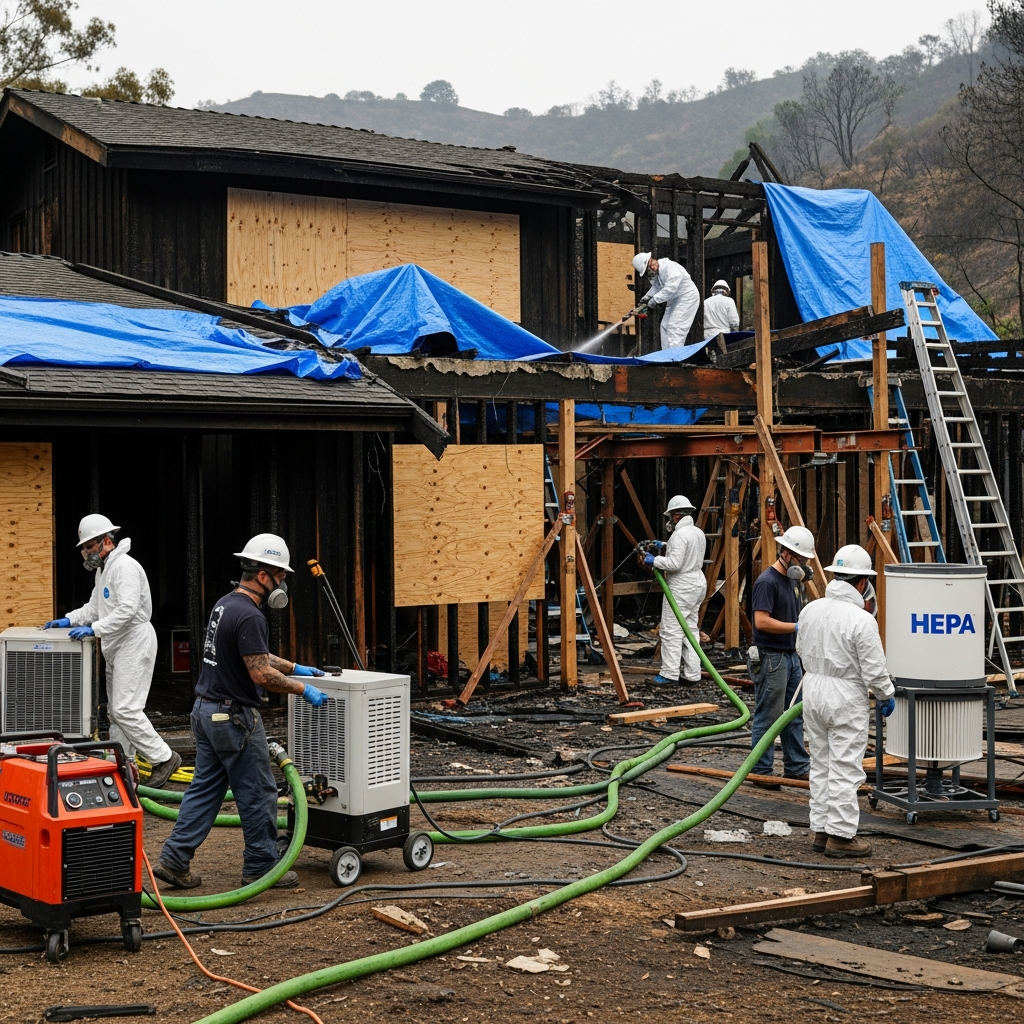
The air quality inside a recently fire-impacted home is its own microclimate. Soot is made of ultra-fine particles that can irritate lungs and eyes, especially for children and older adults. Malibu’s coastal breeze sometimes gives a false sense of security; opening windows may dilute odor temporarily but does not remove the residues that keep producing it. Trained restoration teams isolate affected zones, deploy HEPA filtration, and use targeted cleaning agents to remove contamination rather than just shifting it around. This level of care matters for families with sensitivities, pets, or anyone spending extended time indoors as the home recovers.
There is also the psychological air we live in: peace of mind. Comprehensive mitigation—documented, measured, and explained—turns a chaotic event into a series of steps with a finish line. When you can see progress, feel cleaner air, and put a plan to paper, the stress begins to lift. That is one of the quietest but most important reasons restoration matters here.
Protecting What You Own
Malibu living often includes heirlooms, art, surf gear, and the tools of creative work. Contents restoration is a major piece of why professional service is essential. Soft goods absorb smoke; electronics corrode; framed art can trap soot in tiny voids along glass and matting. Specialized cleaning—ranging from ultrasonic baths to ozone or hydroxyl deodorization—finds the right method for each material. Careful pack-out and inventory control preserve provenance and make insurance conversations smoother. In a place where so many homes reflect personal stories, recovering the details matters as much as patching drywall.
Salvage versus replacement is another key decision point. Untrained handling can turn a salvageable item into a loss. Professional assessment looks beyond the surface: is the substrate intact, can finishes be neutralized without damage, is the long-term use safe and satisfying? Whether it is a leather club chair with smoke exposure or a vintage guitar stored near the affected area, having the right expertise determines whether return-to-use is realistic.
Timing, Documentation, and Compliance
Every hour after a fire is an hour where conditions change. Water trapped under flooring invites microbial growth. Unsealed openings expose the interior to weather and wildlife. Malibu’s permitting environment also adds steps that outsiders sometimes overlook. Coordinating with utilities, securing temporary power, and ensuring safe access through narrow or gated roads are practical realities. Restoration professionals bring structure—stabilize first, then dry, then decontaminate, then rebuild—supported by clear documentation. Moisture maps, photos, and inventories are more than paperwork; they are the language adjusters and inspectors speak. This alignment matters when you want to move from emergency to recovery without stalls.
In the middle of evaluating options, it helps to have a concise, trustworthy primer on scope, methods, and homeowner responsibilities. For that, see this well-regarded keyword, which offers a grounded overview of the process many Malibu homeowners follow.
Odor, Corrosion, and Coastal Nuance
Ask anyone who has lived through a local fire: the smell can linger. True odor removal is part science, part patience. It requires source removal, deep cleaning, and then neutralization. But Malibu adds a twist. Salt in the air accelerates metal corrosion after exposure to moisture and soot, and daily temperature swings can bring odors out of hidden cavities. Professionals factor these variables into their approach, from choosing corrosion inhibitors for fixtures to adjusting drying strategies around coastal humidity. In practical terms, that means fewer surprises later and a restoration that holds through the seasons.
Value, Confidence, and Future Readiness
Real estate in Malibu values documentation. A completed, professional restoration—backed by photos, test results, and scope notes—protects you if you decide to refinance or sell. It also gives you confidence to resume renovations or upgrades without fear of uncovering issues that were never addressed. Equally important is what you learn along the way: where your vulnerabilities were, how your ventilation performed, and what changes can reduce risk next time. Post-fire assessments often lead to small but meaningful improvements, from weather-stripping attic accesses to better storage methods for flammables in garages.
Frequently Asked Questions
Q: Why not handle cleanup myself? A: In a fire loss, the most damaging residues are often the ones you cannot see. DIY methods can set stains and drive odors deeper. Professionals isolate, filter, and clean with methods that remove contamination safely.
Q: How long does a typical restoration take? A: It depends on severity, building design, and parts availability. Emergency stabilization can happen quickly, while full recovery—from drying to rebuild—can span weeks to months.
Q: Will insurance cover everything? A: Coverage varies by policy. Detailed documentation and prompt communication with your adjuster improve outcomes. Restoration teams often help organize the required records.
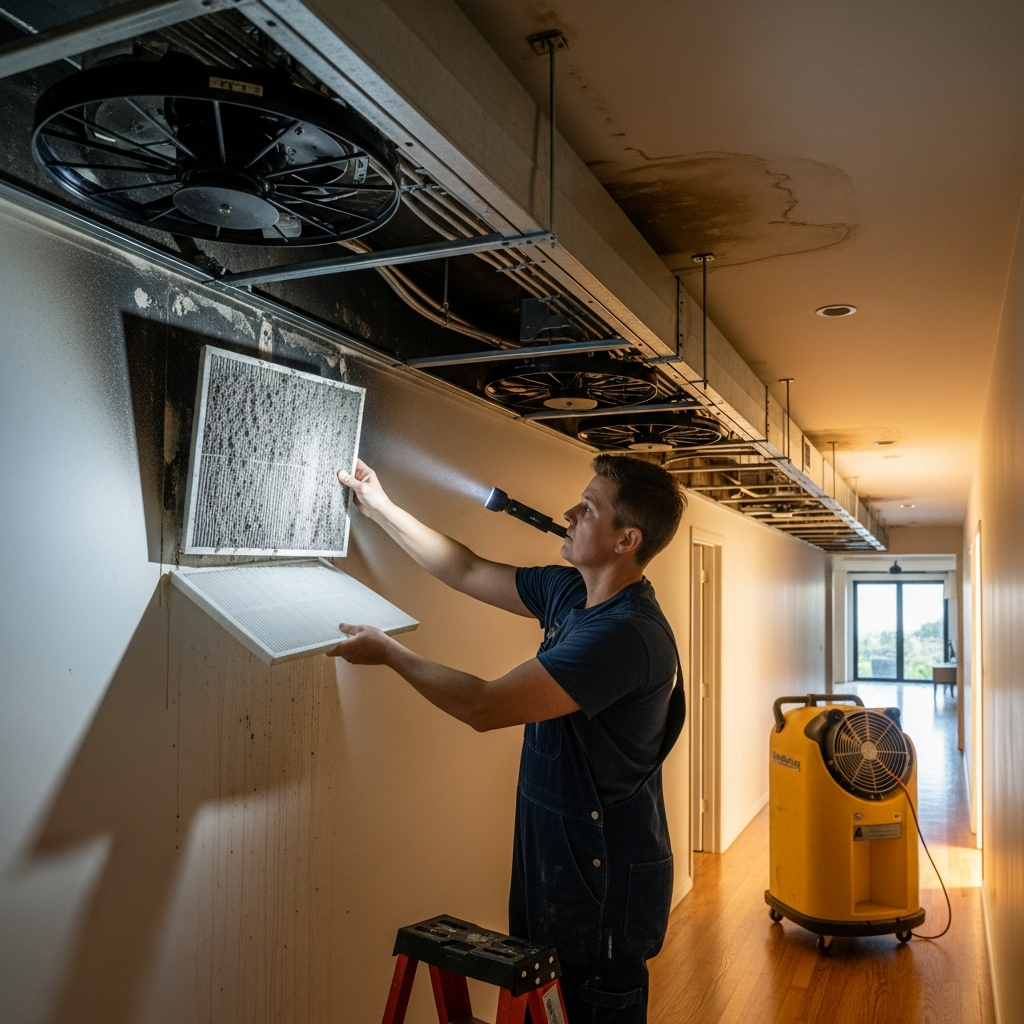
Q: Is it safe to run the HVAC after a fire? A: Not until inspected and cleaned. HVAC systems can redistribute soot throughout the home. Filters must be replaced, and ducts may need cleaning.
Q: What makes Malibu different from other cities? A: Coastal humidity, salt air, canyon winds, and varied architecture create unique restoration dynamics that experienced local teams are prepared to navigate.
When you are ready to turn the corner from damage to recovery, lean on local expertise that understands our coastline and canyons. If you want a clear place to begin, connect with this practical keyword and move forward with confidence.