Stewardship at the Shoreline: Balancing Restoration and the Environment
Living in Malibu means sharing space with a rugged coastline, winding canyons, and sensitive habitats from Malibu Lagoon to the oak stands above Trancas. When water damage strikes a home—whether from a sudden storm, a pinhole leak, or a deck membrane failure—the goal is to restore comfort quickly. But on this stretch of the Pacific, how we restore matters as much as how fast. Thoughtful water damage restoration can protect your property while honoring the fragile systems that make Malibu home, reducing waste, conserving energy, and keeping contaminants out of waterways and soils.
In my years working along Broad Beach, through the slopes of Latigo Canyon, and near the wetlands by Malibu Lagoon, I’ve seen how small choices compound into meaningful environmental outcomes. From the equipment we run to the way we handle debris, every step offers a chance to tread lighter without sacrificing results. This is a practical guide to the environmental side of restoration in Malibu—what to ask, what to expect, and how your project can align with local values of care and conservation.
Why Malibu’s Environment Demands Careful Methods
Our microclimates create unique restoration conditions. The marine layer pushes humidity inland in summer mornings, while winter storms send sheets of water across driveways and down canyon paths. These forces add complexity to drying and containment and also influence how runoff carries any contaminants from a jobsite. Sensitive habitats—from tide pools off Point Dume to riparian zones along creeks—are connected in ways that demand responsible handling of wastewater, debris, and air emissions.
Regulatory frameworks and community expectations reinforce this. While homeowners may not need permits for every mitigation step, local norms encourage quiet equipment, tidy staging, and practices that avoid siltation or chemical runoff. Being a good neighbor here includes thinking about the gulls overhead, the foxes that skirt your fence at dusk, and the surfers who meet the sunrise at First Point.
Energy Use: Drying Fast Without Wasting Power
Dehumidifiers and air movers are the engine of restoration, and they draw power. Eco-conscious teams size equipment to the moisture load rather than blanketing a space with more machines than necessary. Right-sizing is greener and often faster, because too many air movers can create turbulence without improving evaporation, while an undersized dehumidifier prolongs the job and wastes days of electricity.
High-efficiency units make a clear difference. Modern dehumidifiers produce more moisture removal per kilowatt-hour than legacy models. Placing them to maximize air intake and exhaust, maintaining clean filters, and using closed-loop drying when outside air is too humid all reduce energy demand. Where possible, restoration plans may stage equipment to leverage cooler nighttime temperatures that aid dehumidification, shaving hours off run time.
Noise, Neighbors, and Wildlife
Sound is part of environmental impact. In Malibu’s quiet canyons and beach enclaves, the constant hum of equipment can feel intrusive—for people and wildlife. Thoughtful scheduling limits overnight operation where practical, and acoustical considerations—door management, soft barriers, and strategic placement—help dampen noise. A courteous approach includes coordinating with neighbors, especially in areas where sound carries down-slope or across water.
Wildlife patterns matter too. Nesting seasons and evening activity windows are worth noting when staging exterior work. Reducing nighttime lighting around containment zones, securing debris at day’s end, and keeping access routes tidy prevent unintended consequences for animals that share our corridors.
Water Handling: Extraction, Disposal, and Runoff
What happens to the water we remove is pivotal. Extracted water—especially if it contains detergents, soil, or organic matter—should be managed so it never reaches storm drains or natural channels untreated. Responsible teams collect and dispose of wastewater through appropriate sanitary pathways. On properties near creeks or the beach, additional care is taken to keep hoses, equipment cleaning, and any incidental rinse water contained.
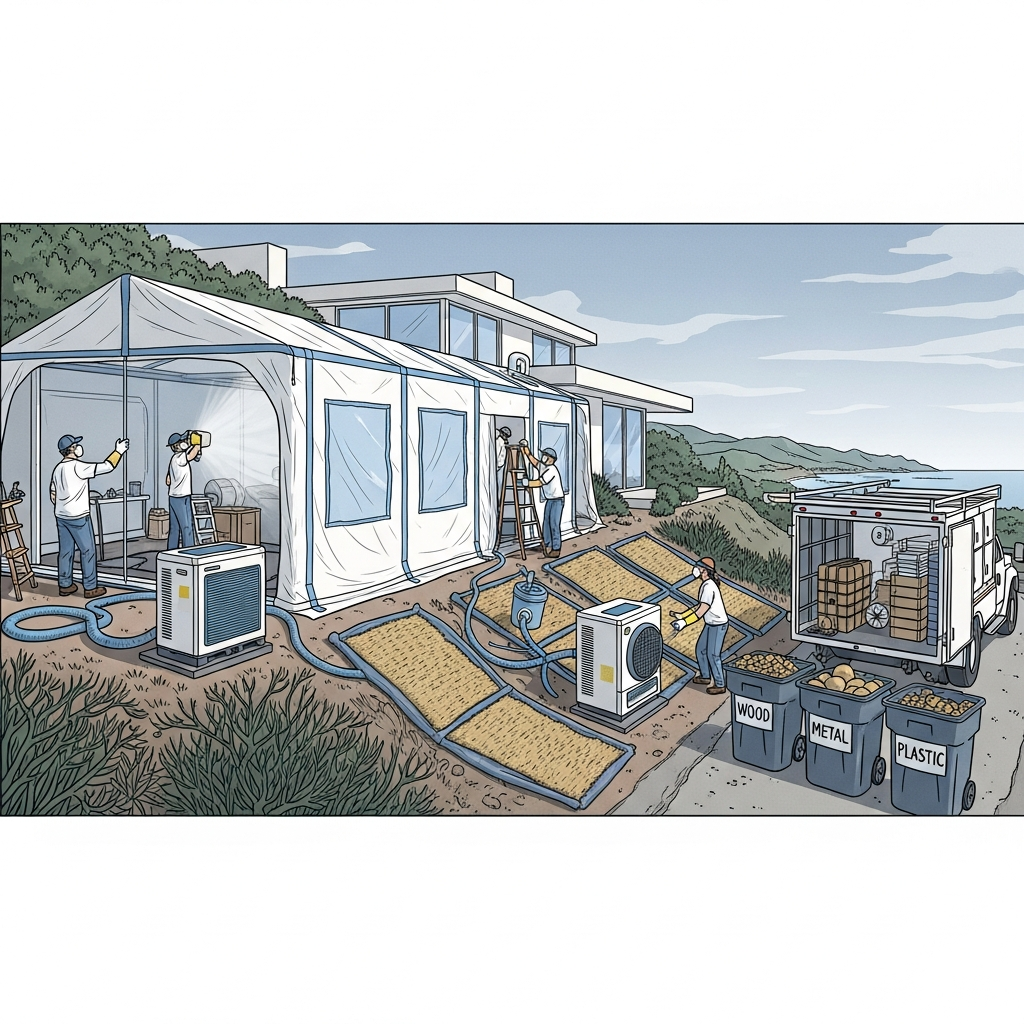
Even small acts add up. Positioning mats to catch drips at hose connections, carrying wet materials in covered bins, and choosing cleaning methods that minimize water use all reduce the chance of runoff. After storm events, protecting soil with wattles or temporary swales can keep loose sediment from washing into streets or sensitive drainage paths.
Containment and Filtration: Cleaner Air, Less Spread
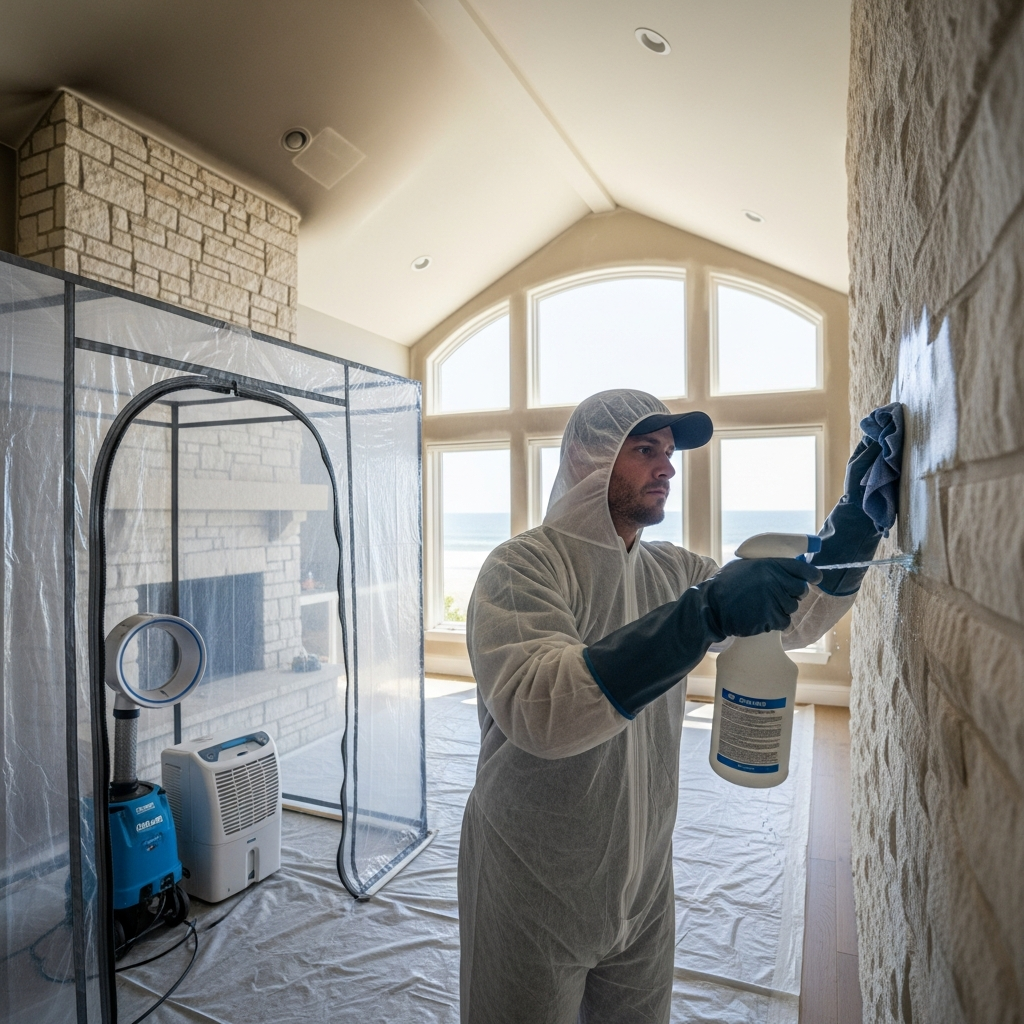
Containment is as much about environmental responsibility as it is about cleanliness. By creating a sealed work zone and using HEPA filtration, we keep dust and potential spores from migrating through the home and out to the environment. This is particularly important in Malibu’s open-plan homes where breezes can move easily between indoor and outdoor spaces. Effective containment reduces the need for heavy chemical use by preventing cross-contamination in the first place.
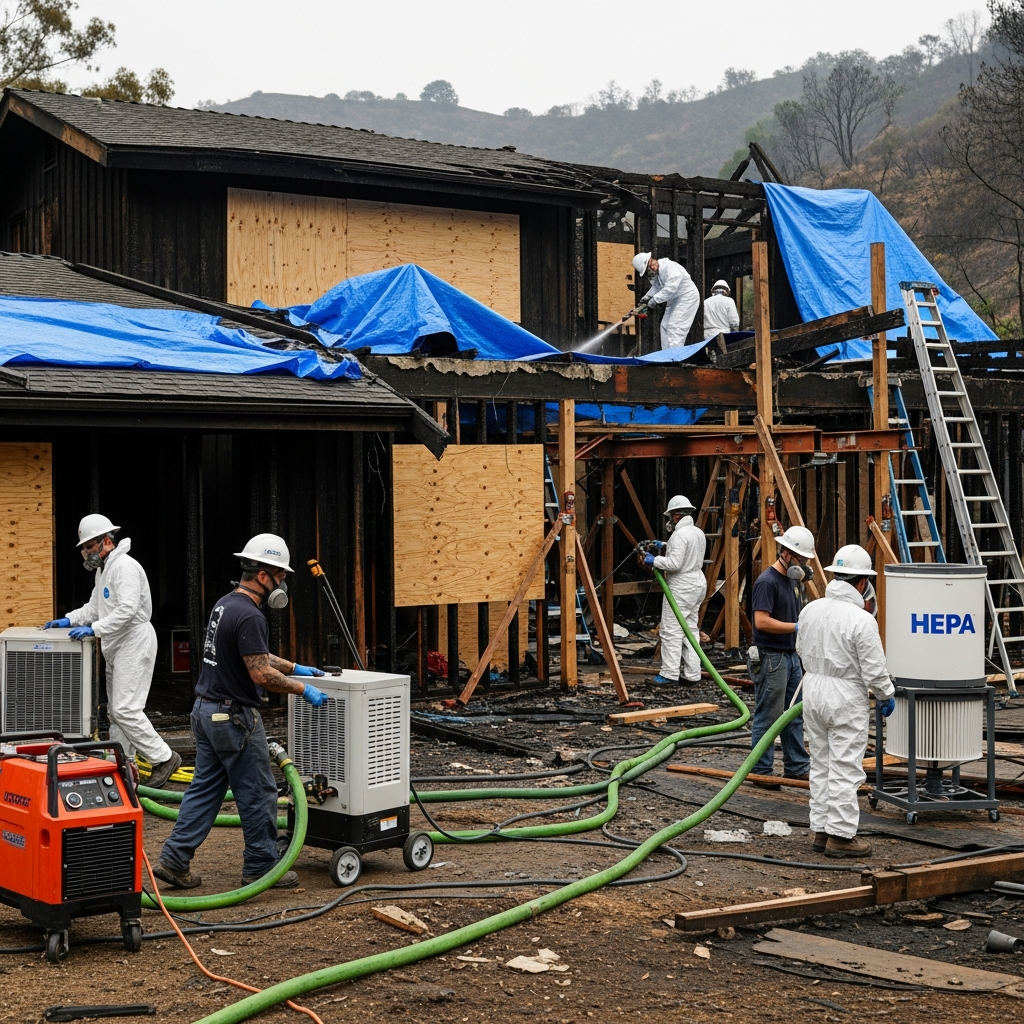
HEPA vacuums and negative air machines with properly maintained filters do more than protect occupants; they prevent particulates from escaping during demolition or sanding. That means less dust settling on outdoor surfaces, less cleanup water needed, and a tidier, more environmentally friendly project overall.
Choosing Safer Cleaners and Antimicrobials
Sometimes antimicrobial treatments are essential, especially if water has been present long enough to support microbial growth. The goal is targeted, minimal, and effective application. Teams aligned with Malibu’s values favor products with transparent safety data, low VOC profiles, and biodegradable components where appropriate. They also apply them within containment to avoid overspray and ensure precise dosing.
In many situations, mechanical removal and thorough drying reduce or eliminate the need for aggressive chemistry. When cleaners are used—for example, on non-porous surfaces after greywater exposure—dilution control, dwell-time discipline, and proper ventilation minimize environmental footprint without compromising results.
Material Salvage: Less to Landfill, More Life for Finishes
One of the greenest actions in restoration is saving what can be saved. Strategic drying preserves hardwood floors, plaster, and framing that would otherwise end up in dumpsters. Limbic as it sounds, every baseboard, cabinet side, or sheet of drywall that stays in place means less manufacturing demand and less transport. In Malibu homes, where materials are often high quality and custom, salvage is both environmentally wise and aesthetically important.
When removal is necessary, careful deconstruction beats brute force. Pulling trim intact for reuse, separating clean wood from contaminated materials, and bundling recyclables keep waste streams efficient. Communicating with haulers about proper disposal of wet or contaminated debris ensures nothing inappropriate enters the wrong facility.
Crawl Spaces, Vapor Barriers, and Long-Term Efficiency
Unseen spaces influence a home’s environmental performance. A damp crawl space forces air conditioning to work harder, strains dehumidification, and can feed mold that leads to more frequent cleaning and chemical use. Installing a continuous vapor barrier, improving directed ventilation, and addressing standing water after storms reduce the energy footprint of the entire home. Those steps also stabilize indoor humidity, which in turn prolongs the life of wood finishes and reduces replacement cycles.
On slab homes, addressing exterior drainage to keep water off the perimeter avoids the need for interior pumping or frequent dehumidification—another long-term environmental gain. Smart grading and planting choices turn routine storms from a threat into a resource that irrigates the right areas without touching the foundation.
Transportation, Access, and Jobsite Footprint
Restoration has a logistics side. Truck trips, equipment loads, and staging areas all contribute to impact. In Malibu, where access can be tight along PCH or within canyons, consolidating trips and planning deliveries to avoid peak hours reduces emissions and neighborhood disruption. On-site, tidy cord routing, reusable floor protection, and carefully contained cutting areas shrink the footprint and speed final cleanup.
For longer projects, some teams explore partial daytime shutdowns of equipment once drying milestones are met, balancing energy use with the need to keep moisture dropping. Transparent communication with homeowners helps align comfort, timelines, and conservation goals.
Community Sensitivity: Working With Malibu’s Rhythm
Environmental impact isn’t just about emissions and waste; it’s also about community rhythm. Many Malibu neighborhoods value early quiet and evening calm. Coordinating noisy tasks for mid-day windows, keeping work zones discreet, and preserving beach access during busy weekends support a shared sense of place. When a project respects the neighborhood, it reduces friction and invites cooperation—from neighbors who might otherwise worry about noise, dust, or street parking.
This mindset extends to signage and lighting. Minimal, respectful markers and shielded lights keep visual impact low while maintaining safety. It’s a small courtesy that aligns with Malibu’s understated aesthetic.
Mid-Project Reviews: Staying Efficient, Avoiding Waste
Environmental intent must be verified. Mid-project inspections check whether equipment is optimally placed, whether certain rooms have already reached target moisture, and whether any machines can be removed to save power. These check-ins also confirm that containment remains tight, filters are changed on schedule, and waste handling stays clean. A project that evolves intentionally will usually finish faster and greener.
Documentation supports this. Moisture logs, photos, and notes on adjustments show how decisions reduced energy use and waste without compromising results. That record becomes a playbook for future incidents, further reducing impact the next time a storm rolls through.
Resilience and Prevention as Environmental Strategy
The best way to lessen environmental impact is to avoid major incidents altogether. Resilient details—robust flashing at sliders, deeper back dams, landscaped swales, and consistent gutter maintenance—reduce the likelihood and severity of intrusions. Each avoided demolition is an avoided dumpster, truck trip, and set of chemical treatments. In the Malibu context, prevention is deeply green.
When upgrades are planned, choosing coastal-rated hardware, long-life membranes, and materials with Environmental Product Declarations (EPDs) can push sustainability further. These aren’t just buzzwords; they reflect durability and transparency that pay off across seasons of salt air, fog, and sun.
How does restoration affect local waterways?
If wastewater or debris is managed carelessly, pollutants can enter storm drains and flow to creeks or the ocean. Responsible restoration captures and properly disposes of extraction water, contains washdown, and uses sediment controls after storms to protect waterways.
Are “green” cleaning products effective enough for restoration?
Yes, when chosen and applied correctly. Many low-VOC, biodegradable cleaners and antimicrobials perform well, especially alongside strong containment, HEPA filtration, and thorough drying. Targeted use within containment prevents overapplication.
Can energy use during drying be meaningfully reduced?
Absolutely. Right-sized, high-efficiency dehumidifiers, strategic air mover placement, closed-loop drying in humid weather, and mid-project adjustments all cut run time and power draw without sacrificing results.
What about noise and wildlife during restoration?
Scheduling, acoustic barriers, and careful equipment placement minimize disturbance. Crews that tidy access routes and reduce nighttime lighting also lessen impacts on nocturnal wildlife that move through canyons and coastal edges.
Is salvaging materials always the greenest choice?
Generally, yes—if materials can be dried and cleaned to a safe standard. Salvage preserves embodied energy and reduces landfill waste. When removal is necessary, careful deconstruction and waste separation remain the greener path.
How can homeowners influence a greener restoration?
Ask teams about equipment efficiency, containment and filtration plans, wastewater handling, and salvage strategies. Share priorities—quiet hours, wildlife concerns, and runoff sensitivities—so the plan reflects your values and Malibu’s context.
Ready to restore responsibly?
If you’re facing a leak or planning resilience upgrades, choose a partner who treats your home and the coast with equal respect. With careful planning, efficient equipment, and smart waste handling, water damage restoration can be both swift and sustainable—so your sanctuary stays comfortable, your neighbors stay happy, and our shoreline stays vibrant for seasons to come.