Clearing the Air After Fire in Malibu and Near Calabasas
After a fire, what most people feel first is the air itself. The house seems heavier, the smell travels from room to room, and every surface that once felt familiar now carries a faint, gray memory of smoke. Along the Malibu coast and in the neighborhoods near Calabasas, wind and weather can push that memory deep into spaces you rarely see, from attic cavities to cabinet lips and behind range hoods. Fire and smoke cleanup in our area is part skill, part patience, and very much a local art. It begins by understanding how the marine layer changes drying, how canyon gusts move soot, and how to pace work so progress holds. The goal is more than a tidy-looking home; it is a space that smells and feels truly clean. The surest path forward is a plan grounded in experienced fire damage restoration.
Every home tells its own story after smoke. In Malibu, clerestory windows and open floor plans can draw fumes into lofts and high shelves. Near Calabasas, vaulted ceilings and large great rooms can create recirculating air currents that deposit soot in streaks along walls or on ceiling fans. You may see clear lines where picture frames shielded paint, or faint yellowing on white cabinetry that only appears when the afternoon sun lands just right. None of this is cause for panic; it is information. We use those clues to trace airflow and residues so cleaning moves with intention, not guesswork.
Understanding Soot and Residues
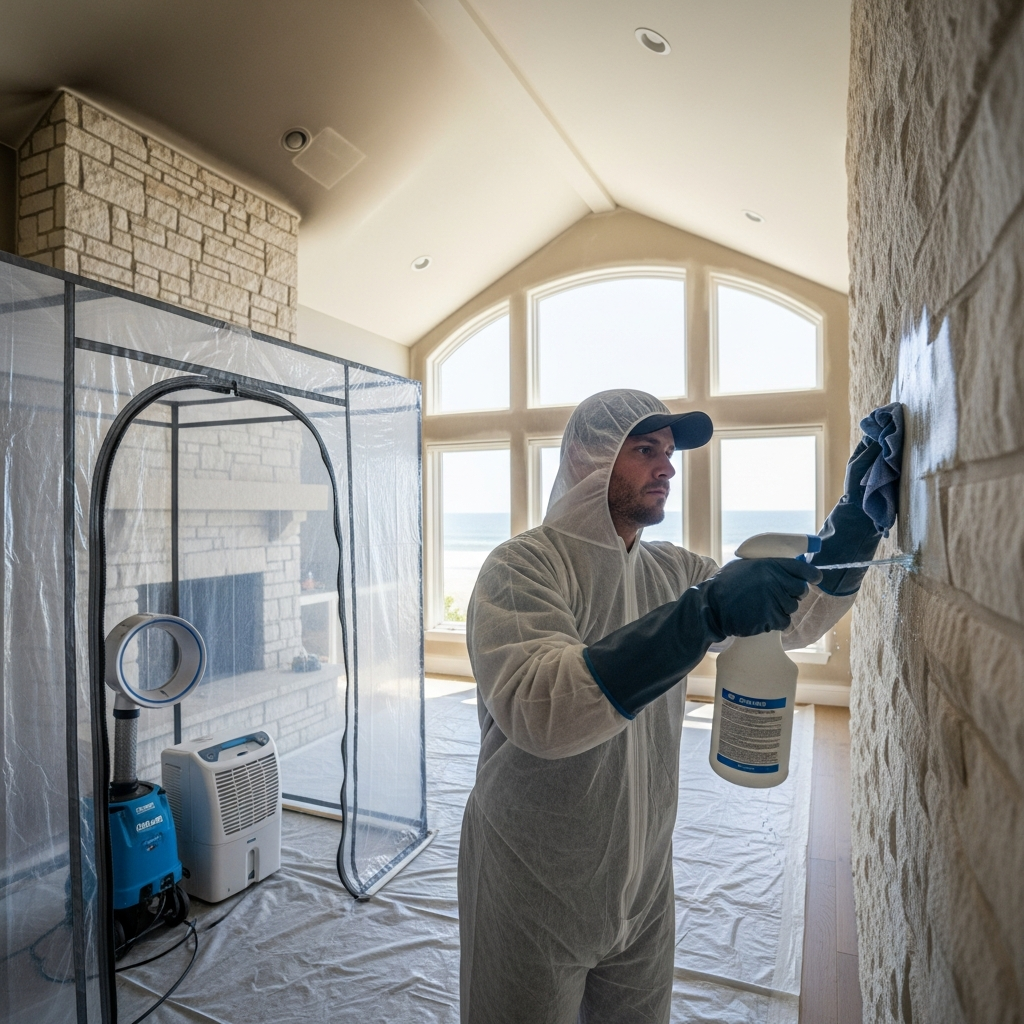
Soot is not one thing. Dry, powdery ash from natural materials behaves very differently from greasy, protein-based residues left by a kitchen fire. Synthetic materials in modern furnishings can produce sticky, acidic films. The wrong cleaner on the wrong residue can set stains or push contamination deeper. That is why we always test first, starting with the gentlest method that could work and stepping up only as needed. Dry sponging lifts loose soot from painted walls without smearing. pH-balanced solutions protect stone counters and tile. In some cases, delicate finishes benefit from foam cleaning that suspends particles away from the surface.
Time matters because many residues are corrosive. On stainless appliances near the coast, soot plus sea air can etch quickly if left alone. Glass can develop a permanent haze. We neutralize those surfaces early in the process, often within hours of arrival, because saves made on day one ripple benefits through the entire project.
Odor Control That Lasts
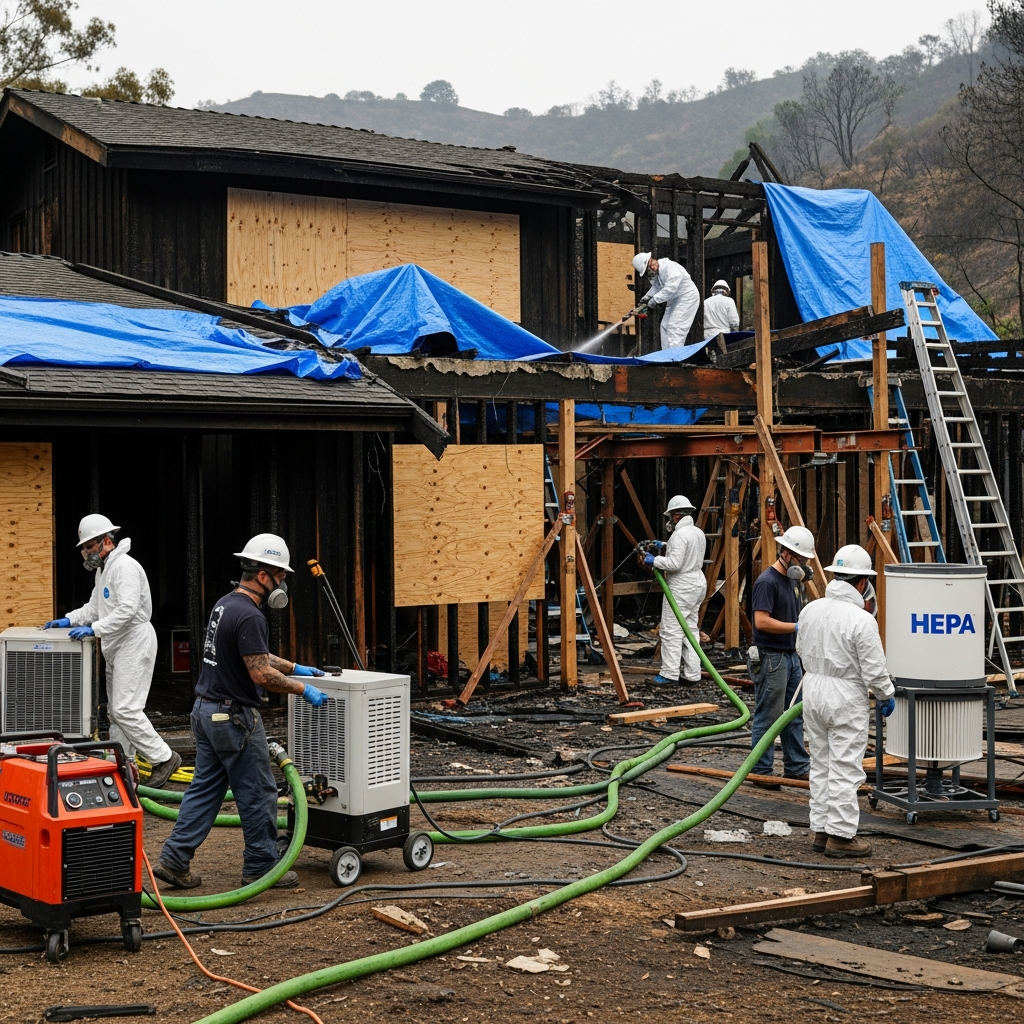
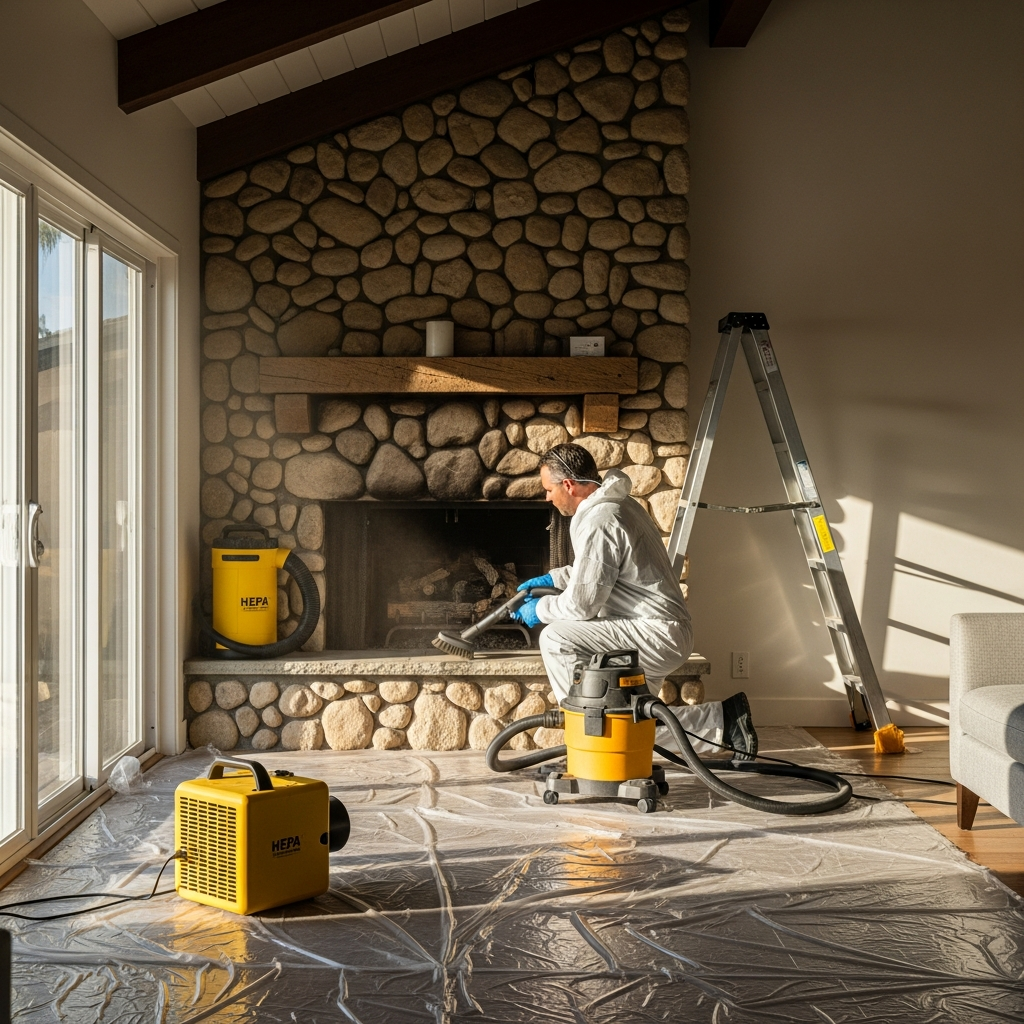
Odor is the invisible part of smoke cleanup, and it is where experience makes a visible difference. We start with source removal: charred materials go out, dust and ash get carefully vacuumed and wiped, and HVAC systems are shut down or filtered so they do not keep pulling contaminated air. HEPA filtration captures fine particulates you cannot see but can feel in your throat or eyes. When residues are under control, we move to targeted odor treatments like hydroxyl generators or thermal fogging that pair with remaining molecules and neutralize them. The order matters. If you deodorize before cleaning, smells return as soon as humidity or heat shifts. When you respect the sequence, the air stays clear even during hot afternoons with the windows closed.
Bedrooms and closets need special attention. Soft goods are odor sponges, and stuffed closets hold more air volume than most people realize. We ventilate, clean shelving, and pack out items for textile restoration when needed. A thorough plan removes the mystery from odor; you will feel the change in your first deep breath when you walk back into a room.
Cleaning the Surfaces You See—and the Ones You Do Not
Visible soot on mantels, baseboards, and window sashes is only part of the story. Hidden pockets collect smoke where pressure differences pulled air during the fire. Cabinet soffits, electrical boxes, behind light switch plates, and the space under toe kicks can all harbor residues. Local homes often include expansive glass and custom built-ins; both require careful, methodical work. We clean high to low so that resettling dust does not undo finished areas, and we return to check for ghosting that sometimes appears a day or two later.
In the canyons, where temperature swings are pronounced, even small gaps can create pathways that focus soot into lines or smudges. We trace those pathways and, when appropriate, seal openings during the rebuild so future drafts do not carry dust into the same places. It is a small detail that yields a cleaner home long after the project ends.
Managing Water From Firefighting
Fire brings water, and water brings its own risks. In Malibu’s marine climate, damp mornings can slow evaporation, while inland heat near Calabasas can speed it up unevenly. We extract standing water, remove saturated materials that cannot dry effectively, and set a drying plan tuned to the day’s weather. Dehumidifiers, air movement, and temperature control work together to bring materials back to safe moisture levels. This is quiet science that sets the stage for lasting results; if wood or subfloors remain damp, finishes fail later, and odors reappear.
Because humidity and temperature change throughout the day, we record readings and adjust equipment to match. You may notice different machines used at different times; that is not improvisation but response to conditions. In our area, a single foggy morning can erase a night’s progress if we do not adapt. We build those patterns into the plan.
HVAC Cleaning: The Circulatory System of the House
Your home’s HVAC system is a highway for smoke. Returns pull in contaminated air; ducts and coils collect particulates. If the system runs before cleaning, it can redeposit soot across the home. We begin with inspection, then clean and replace filters on a schedule, not just once. Sealing and testing close the loop so that when you turn the system back on, you are not inviting the past back into the present.
In coastal homes, salt air mingles with smoke residues and can be particularly harsh on metal components. We consider that chemistry when selecting cleaning methods and protective steps, helping extend the life of your equipment and improving indoor air quality.
Contents Care With a Personal Touch
Fire and smoke cleanup is as much about the lives within the walls as it is about the walls themselves. We inventory, photograph, and pack with a system that makes retrieval simple even weeks later. For families balancing school, work, and daily routines, that organization is not a luxury—it is a lifeline. We separate high-priority items so you can keep moving while the deeper work continues.
Textiles, artwork, books, and electronics receive specialized care. We test materials for colorfastness, sensitivity, and smoke exposure. Some items clean beautifully; others need a conservator’s eye. When replacement is the right decision, we document fully to support approvals. Throughout, respect for your space guides the pace and the tone of the job.
Why Local Matters
In the wake of a major event, teams from far away often arrive to help, and there is value in that surge. But lasting results come from people who know these roads, these winds, and these homes. We anticipate marine layers on Carbon Beach, dust in Old Topanga, fog in the morning on Broad Beach and warm, dry afternoons in Calabasas. We schedule delicate steps for the times of day when they will hold best. We also know the rhythms of inspections and utility work so that our efforts do not collide with other crews on-site.
Access can be its own puzzle: narrow canyon roads, steep driveways, and gated entries. Local crews plan around those realities, staging equipment and coordinating parking so the work is effective without disrupting your neighbors or blocking emergency access.
Mid-Project Reassurance
Halfway through a cleanup, progress can feel slower, like the middle miles of a marathon. This is normal. The big, visible changes happen early; the last traces of soot and odor take steady, methodical passes. We build in checkpoints to confirm drying goals, verify that odor reduction is holding, and identify any areas that need a second look. It is also the right time to confirm if you want to include additional fire damage restoration steps like deeper attic cleaning or expanded textile care. These mid-project decisions keep the finish line clear and the results consistent.
We will also revisit your priorities. If a family event is approaching or you need a particular room back sooner, sequencing can shift. Flexibility is not a favor; it is part of being a good neighbor and a good professional.
Aftercare: Living Comfortably Again
When the heavy work is complete and rooms are ready to live in, a few simple habits help maintain that fresh start. Change HVAC filters on the schedule we provide, especially if nearby construction or seasonal winds kick up dust. Ventilate on mild days, and trust your senses—if something smells off after a hot afternoon, reach out. A quick check now can prevent a lingering frustration later. We remain available because finishing the job includes the days after move-back, not just the last cleaning pass.
Resilience also enters the conversation. During the rebuild, consider ember-resistant vents, better weatherstripping, and smart storage for flammables. These steps reduce risk without changing the character of your home, and they make future cleanups less likely or less extensive.
Frequently Asked Questions
Q: How quickly should smoke cleanup begin?
A: As soon as it is safe and the property is released, early action prevents etching, sets drying on the right path, and reduces deep odor absorption. Timing is critical, especially on metal and glass.
Q: Will the smoke smell really go away?
A: Yes, when source materials are removed and residues are cleaned methodically, targeted odor treatments make the change stick. Proper sequencing is the key to lasting results.
Q: Can I stay in the home during cleanup?
A: Often, yes. With containment and thoughtful sequencing, families can remain in part of the home. If utilities are interrupted or residues are heavy, a short relocation may be safer. We plan around your needs.
Q: What about my clothes and linens?
A: Many textiles can be restored. We sort by fabric type and smoke exposure, then select processes that lift odors and residues without damaging fibers. Items are returned fresh, clean, and ready to use.
Q: How do you protect surfaces from damage during cleaning?
A: We test first, use the least aggressive effective method, and protect adjacent finishes as we work. The goal is always to remove contamination while preserving the original material.
Q: How long does the process take?
A: It varies by home size, residue type, and weather. We provide a clear schedule, update it as needed, and keep you informed so you can plan with confidence.
Take the Next Step With Confidence
If your Malibu or Calabasas home needs comprehensive fire and smoke cleanup, we are ready to help you breathe easy again. From first assessment to final verification, we combine local insight with careful technique to deliver results that last. Reach out today to begin trusted fire and smoke restoration that returns comfort and calm to your home.